Stone-Ideas.com


Unesco has inscribed 26 new cultural and natural properties on its World Heritage List, among them 20 cultural properties, 5 natural properties, and 1 mixed site. These objects thus benefit from the highest level of heritage protection in the world. Their managers now have access to new opportunities for technical and financial assistance from the United Nation’s cultural organization.
The new inscriptions bring the total number of properties to 1223, in 168 countries. The decision was taken at the responsible Committee’s meeting in New Delhi at the end of July 2024.
During this session, the Committee also recognized the urgent need to strengthen the protection of properties under potential or actual threat. To this end, it inscribed the Monastery of Saint Hilarion/Tell Umm Amer in Palestine, simultaneously on both the World Heritage List and the List of World Heritage in Danger, and reiterated its calls for the protection of properties already inscribed on the List of World Heritage in Danger, particularly in Ukraine.
In order to prioritize the protection of African heritage, according to the Unesco Director-General’s policy, five new sites on this continent were also inscribed:
* the Nelson Mandela memorial sites in South Africa,
* the Pleistocene occupation sites in South Africa,
* the Royal Court of Tiébélé in Burkina Faso,
* the archaeological and palaeontological sites of Ethiopia’s High Plateaux region,
* the historic town and archaeological site of Gedi in Kenya.
We show photos of the newly listed with clear references to stone.
List of World Heritage in Danger
Photos: Unesco
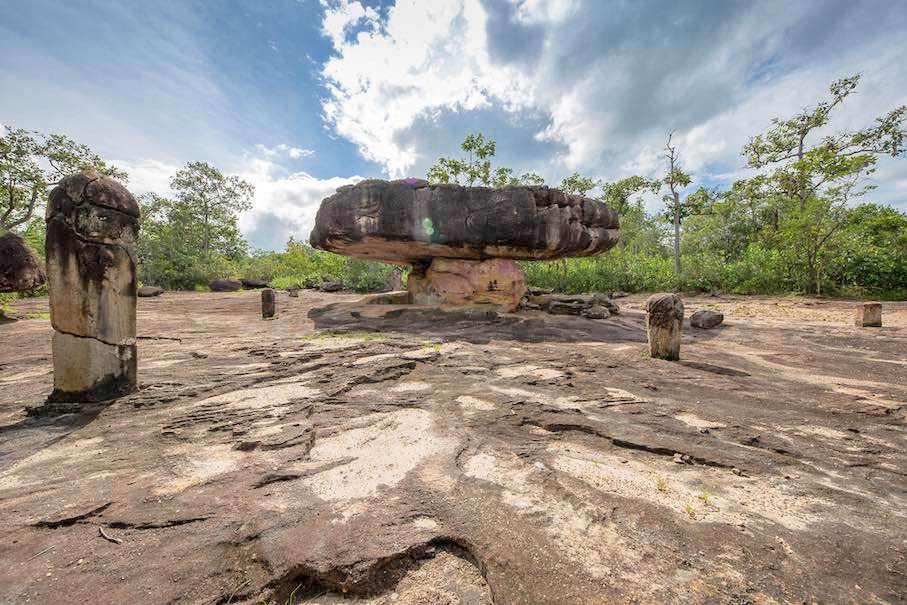 The rock formations with religious shrines near Kok Ma Tao Baros, Thailand: Phu Phrabat is a testimony to the Sīma stone tradition of the Dvaravati period (7th-11th centuries CE). Once, it prevailed in the mountainous region. The scale of Sīma stone erection and rock shelter modification has transformed the natural landscape into a religious center, and rock paintings on the surfaces of 47 rock shelters are the physical evidence of human occupation over two millennia.
Beijing Central Axis
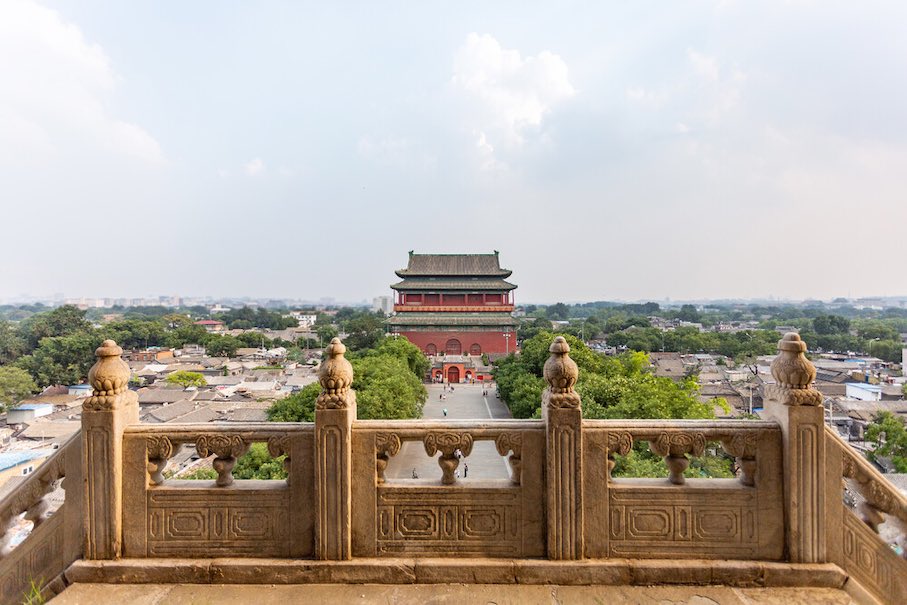 Running north to south through the heart of historical Beijing, the Central Axis consists of former imperial palaces and gardens, sacrificial structures, and ceremonial and public buildings. The location, layout, urban pattern, roads, and design showcase the ideal capital city as prescribed in the Kaogongji, an ancient text known as the Book of Diverse Crafts. The area, between two parallel rivers, has been settled for about 3000 years, but the Central Axis itself originated during the Yuan Dynasty (1271-1368) which established its capital, Dadu, in the northern part. The property also features later historical structures built during the Ming Dynasty (1368-1644) and improved during the Qing Dynasty (1636-1912).
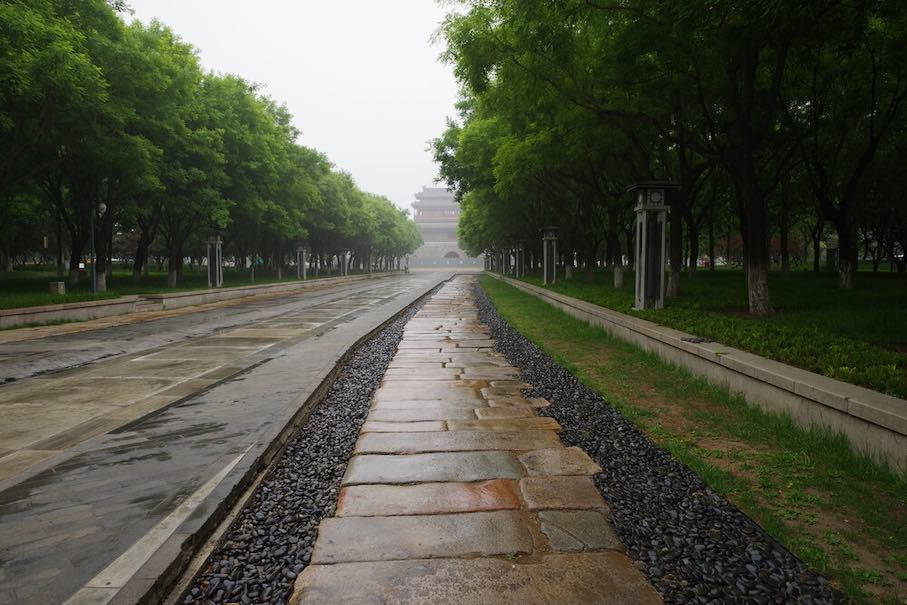 Beijing Central Axis: The Stone Road Site North of the Yongdingmen Gate.
The Via Appia
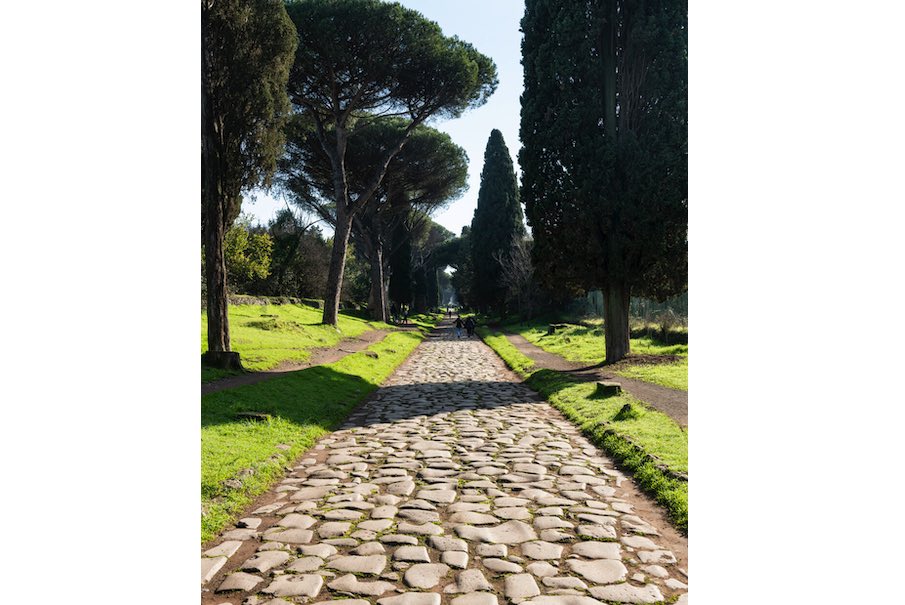
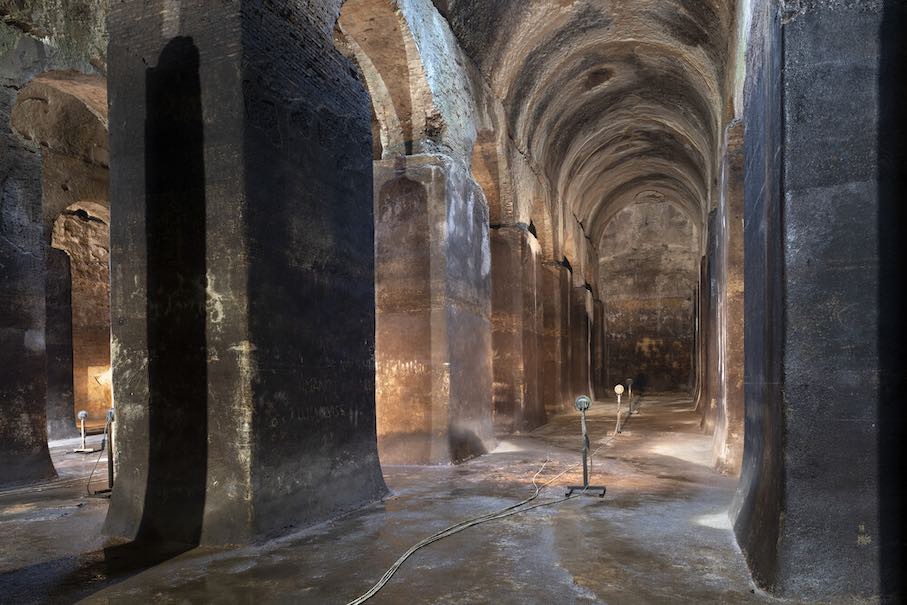 Via Appia: Albano Laziale, Cisternoni (Albano Cistern), still working as a potable water reserve.
the Brâncuși Monumental Ensemble of Târgu Jiu
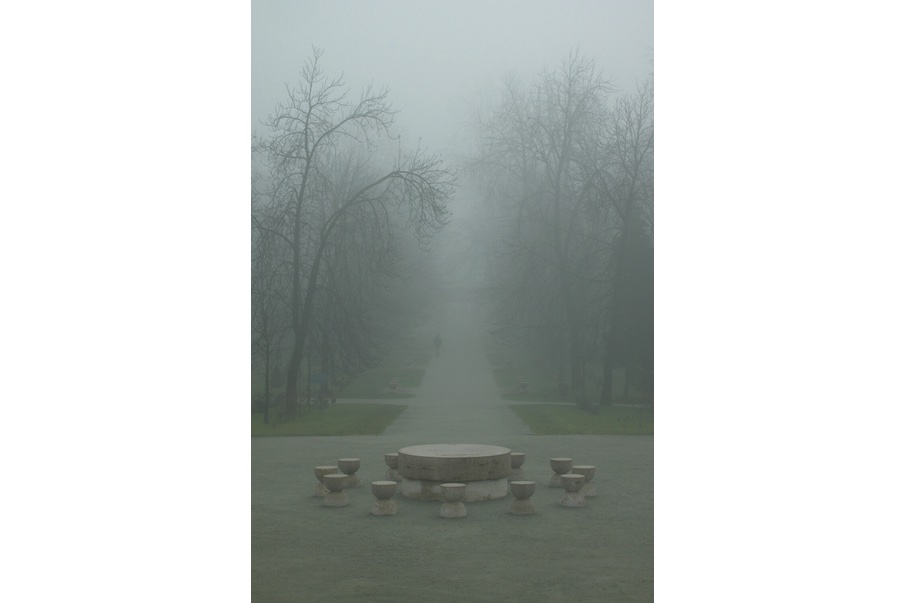 Austere, contemplative, yet accessible, the monumental ensemble of Târgu Jiu in Romania was created in 1937-1938 by Constantin Brâncuși, an influential pioneer of abstract sculpture, to commemorate those who died defending the city during the First World War. Located in two parks connected by the narrow Avenue of Heroes, the property includes the monumental ensemble of sculptural installations and the pre-existing Church of the Holy Apostles Peter and Paul, located on the axis. The remarkable fusion of abstract sculpture, landscape architecture, engineering, and urban planning goes far beyond the local wartime episode to offer an original vision of the human condition.
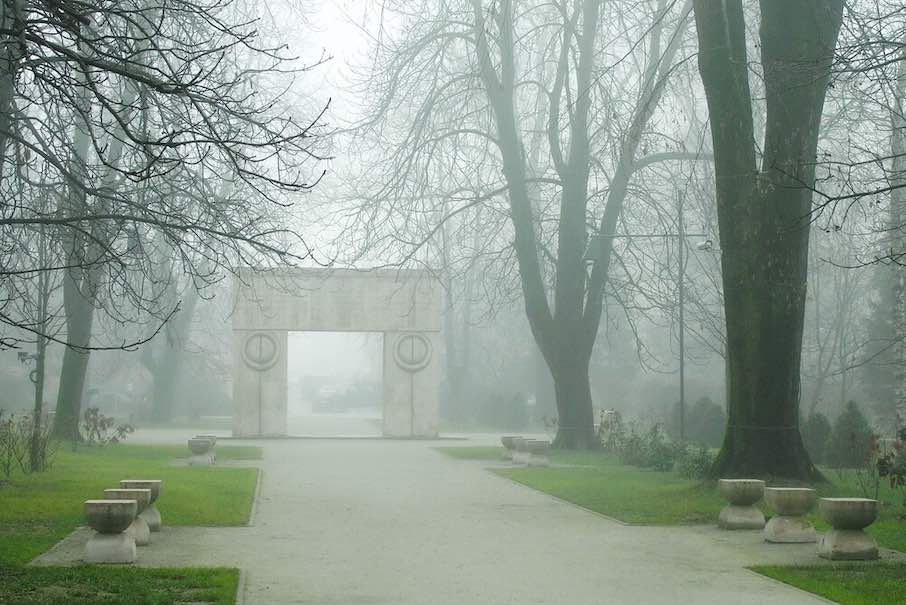 Brâncuși Monumental Ensemble of Târgu Jiu, Romania.
Hegmataneh hill, Iran
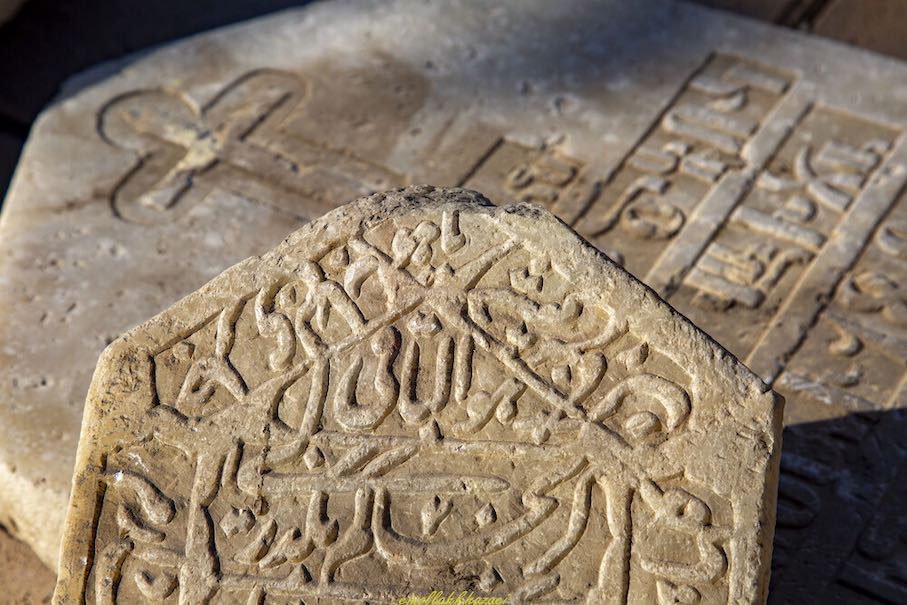 The archaeological remains of ancient Hegmataneh are located in northwestern Iran. Continuously inhabited for nearly three millennia, Hegmataneh provides important and rare evidence of the Medes civilization in the 7th and 6th centuries BCE. Later, it served as a summer capital of Achaemenid, Seleucid, Parthian, and Sasanian rulers.
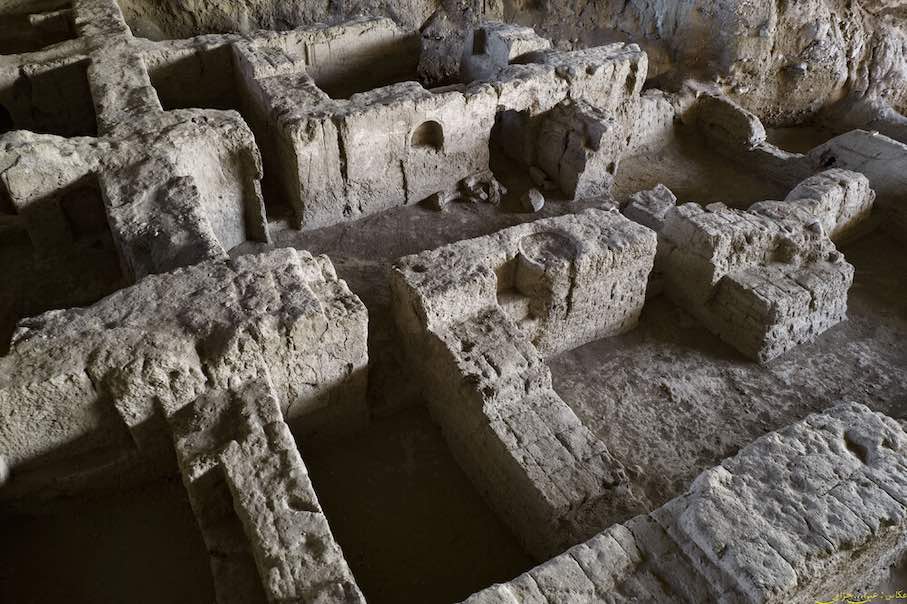 The archaeological remains of ancient Hegmataneh are located in northwestern Iran.
See also: