Stone-Ideas.com


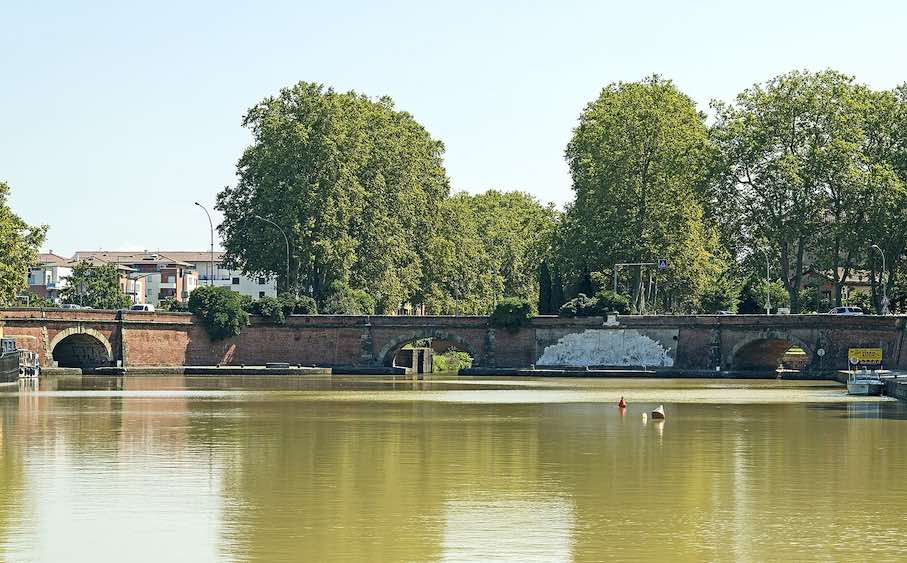
In France, two stones have again achieved the title of a Protected Designation of Origin (Indication Géographique) at national level: the limestones Pierre du Midi (October 2023) and Pierre de Vianne (June 2024). The title protects that no other materials may be brought onto the market in France under these names. In the past, there had been frequent cases of concrete stones being given the names of French varieties or of stones being brought onto the French market from abroad.
This is now prohibited for the protected varieties. The Granit du Bretagne (2017), the Pierre de Bourgogne (2018), the Pierres marbrières de Rhône-Alpes (2019) and the Pierre d’Arudy (2020) had already won the title.
The path to this is complex and expensive but seems to be paying off for most quarries. Proponents cite various arguments: They range from a significant improvement in the image of the varieties in the consumers’ eye and better chances in public contracts to a significant professionalization of the industry as a whole.
It is also important, as experience shows, that there have already been rejections, for example for the sandals called Espadrilles Mauléon. The body responsible for awarding the titles is the Office for the Protection of Intellectual Property.
A case from Sweden shows the ideas that name forgers come up with: a ceramics manufacturer there had the name of a natural stone region protected for its products. It’s strange that the state authorities have let themselves be ripped off. A lawsuit by the Natural Stone Association is currently pending in court.
To clarify: these NATIONAL designations of origin only apply nationally.
European Union
At the level of the European Union, their Protected Designations of Origin apply: from 2023, deliveries from abroad will no longer be allowed to bear the names valued in Europe (although there is a transition period until 2025). What is new is that this protection can now also apply to natural stones, provided they have gone through the – again: complex – application process.
Previously, such EU-wide protection only applied to agricultural products, such as food or drinks. Now it can also be applied to handcrafted products, or, as mentioned, to natural stones.
This allows us to look around the world and see what national protection titles are like outside of Europe.
India has protection titles for many products

India deserves special mention here, having enacted a law in 2003 to protect its handicraft products and natural stone. The first protected product set the tone: Darjeeling tea and its many varieties were given the title as early as 2004. The responsible body is the Indian Patent Office.
The long list also includes a category of “natural goods”, and there you can find many types of stone, starting with Makrana Marble, famous for the Taj Mahal, or Ambajia White.
In addition to the types of stone themselves, handicraft stone products are also protected, such as the Mahabalipuram sculptures, the Allagadda stone carving or the Varanasi Soft Stone Jali Works, which are installed in windows as sun protection.
Brazil also has protected products, but so far none of them include natural stones.
France (French)
Brazil (Portuguese)
See also: