 Stone-Ideas.com


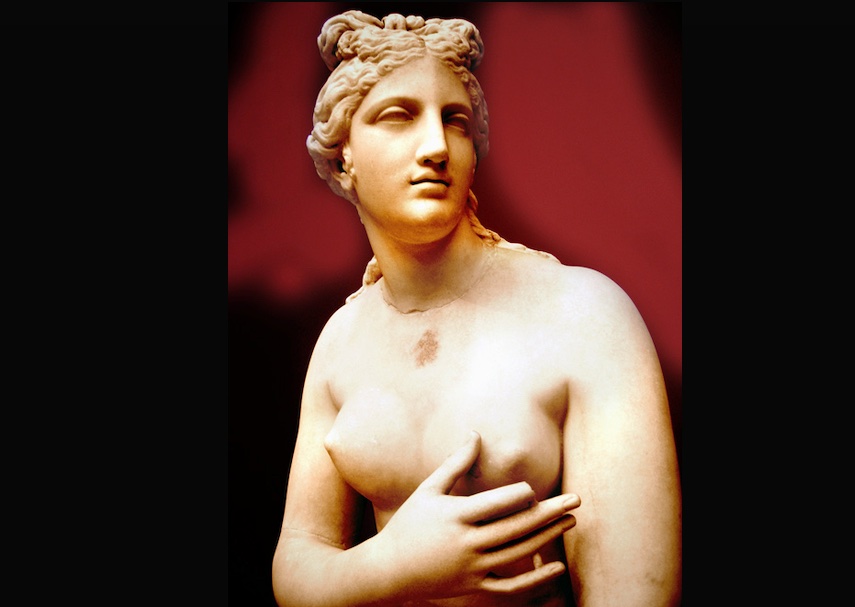
The figures of the gods of antiquity not only depicted perfect human figures, but probably also had a heavenly scent. They were treated with perfume or essential oils in rituals. This is the conclusion by Cecilie Brøns, senior researcher at the Ny Carlsberg Glyptotek in Copenhagen, who has investigated the subject scientifically.
It is known that the noble figures made of white marble showed very little of the stone. Instead, their faces were painted with color, for example to emphasize their eyes or lips, as was their head of hair, and they wore expensive robes.
The reason was to present them as beings of divine beauty – mannequins of heaven, so to speak.
The fact that fragrances were also used has long been suspected by experts.
But how did Cecilie Brøns prove this, given that fragrances are even less durable than color pigments or textiles?
She approached the subject by means of writings and inscriptions.
Cicero and Prudentius, for example, mentioned statues embellished with scented oils. Cecilie Brøns has tracked down similar descriptions in Greek temples. There is talk, for example, of rose petals being rubbed into the stone, as well as perfumed oil.
We cannot conclude from this that all the statues of the gods were fragrant. But at least for some or for special occasions, it can be assumed.
Even today, many religions still use scents for their ceremonies, such as incense.
The results of Cecilie Brøns‘ research can be read online for a fee in the Oxford Journal of Archaeology.
We have quoted from the article in the Danish science magazine Videnskab (Danish).