Stone-Ideas.com


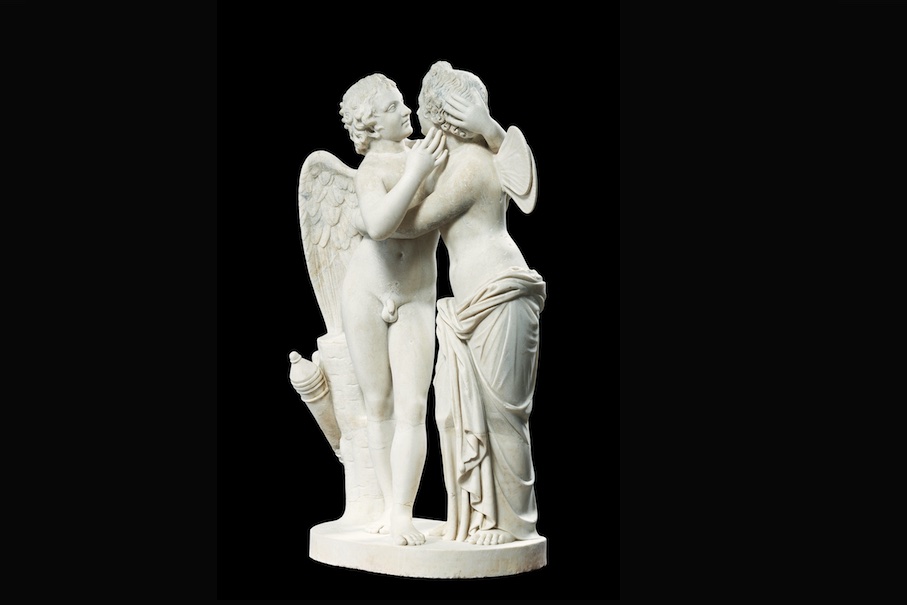
“Myth and Marble: Ancient Roman Sculpture from the Torlonia Collection,“ is the title of an exhibition on view through June 29, 2025, at the The Art Institute of Chicago. It will feature approximately 58 rarely-seen sculptures from the Torlonia Collection that span nine centuries, including 24 newly-restored works that have not been on display in nearly a century.
This will be the first time these works have ever been seen in North America.
The Torlonia Collection is the largest private collection of Roman marble sculptures in Italy, and one of the most important private collections of its type in the world. Comprising 622 works and a wide range of sculptural types and subjects, its holdings rival those of major institutions in Europe, including the Capitoline and Vatican Museums.
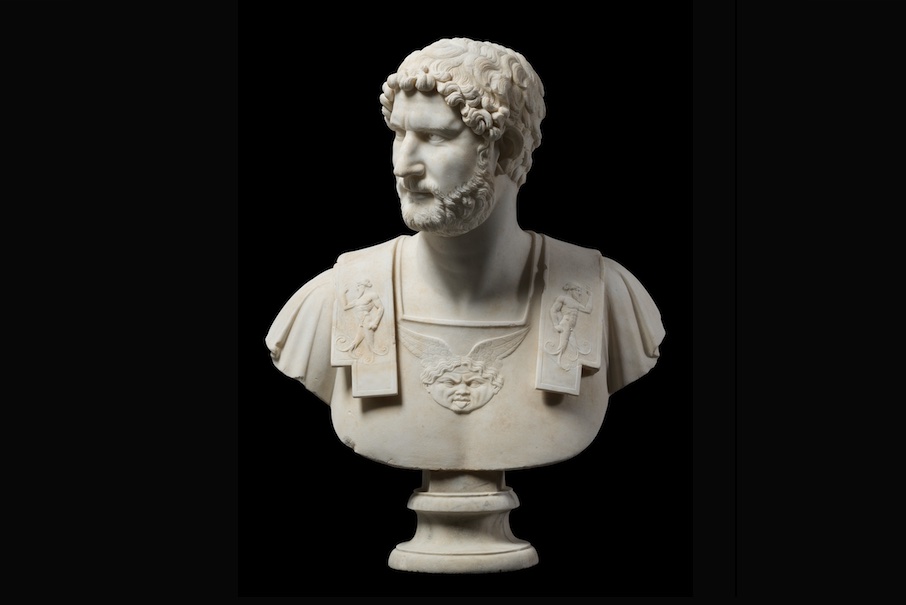
Many of these sculptures, which range in date from the 5th century BCE to the early 4th century CE, have been newly cleaned, conserved, and studied specifically for this show, providing a unique opportunity to experience their first public presentation in decades.
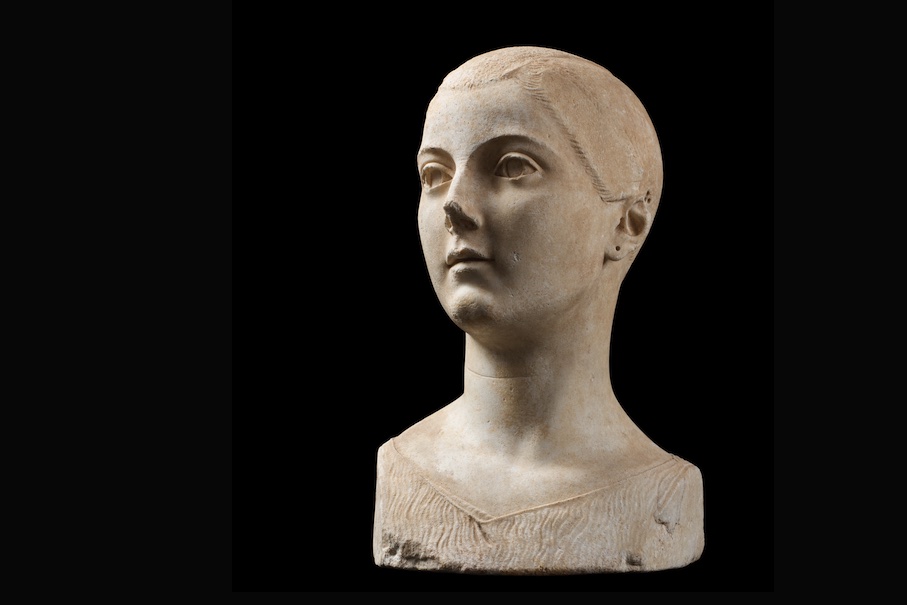
The works in the exhibition range from large-scale figures of gods and goddesses to portraits of emperors and magnificent funerary monuments. The show is organized through seven thematic sections starting with the collection’s most iconic works. Another theme spotlights imperial portraits and features works depicting reigning emperors and members of their families, including a remarkable selection of female portraits.

“This significant group of portraits allows us to highlight the critical role that imperial images played in visually reinforcing dynastic succession throughout the broader Roman Empire,” said Katharine A. Raff, Elizabeth McIlvaine Curator, Arts of Greece, Rome, and Byzantium. “In particular, the portraits of women offer an important opportunity to examine the behind-the-scenes ‘soft’ power and influence held by many women of elite Roman families,” she said.
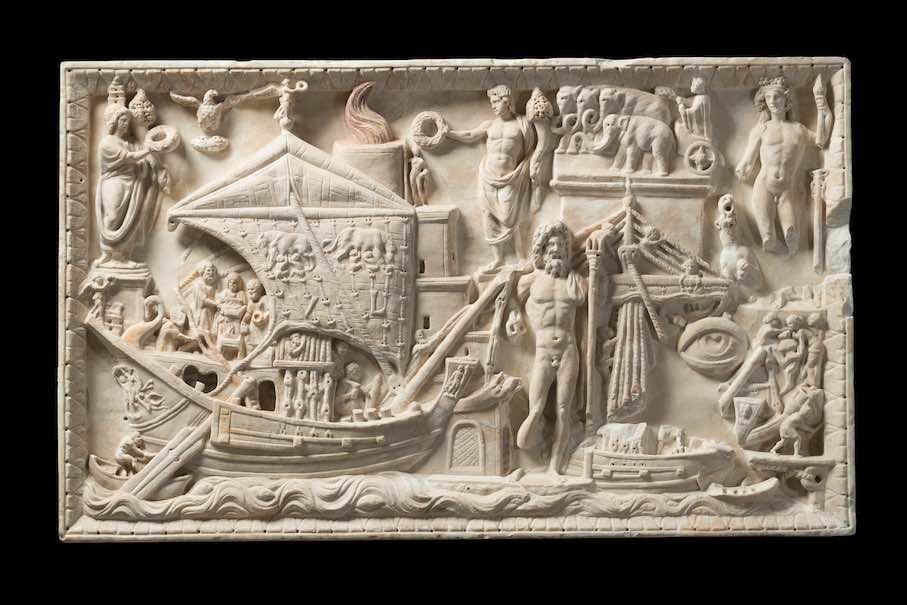
Another theme features sculptures found on the Torlonia family’s properties in and around Rome and their estate in Porto, Italy, an area that served as a key harbor during ancient Roman times. Visitors can even revel at one of the earliest sculptures of the entire Torlonia Collection – a Classical Greek relief dated to the late fifth century BCE exceptional for its intricate detailed work.
Source: Art Institute of Chicago