Stone-Ideas.com


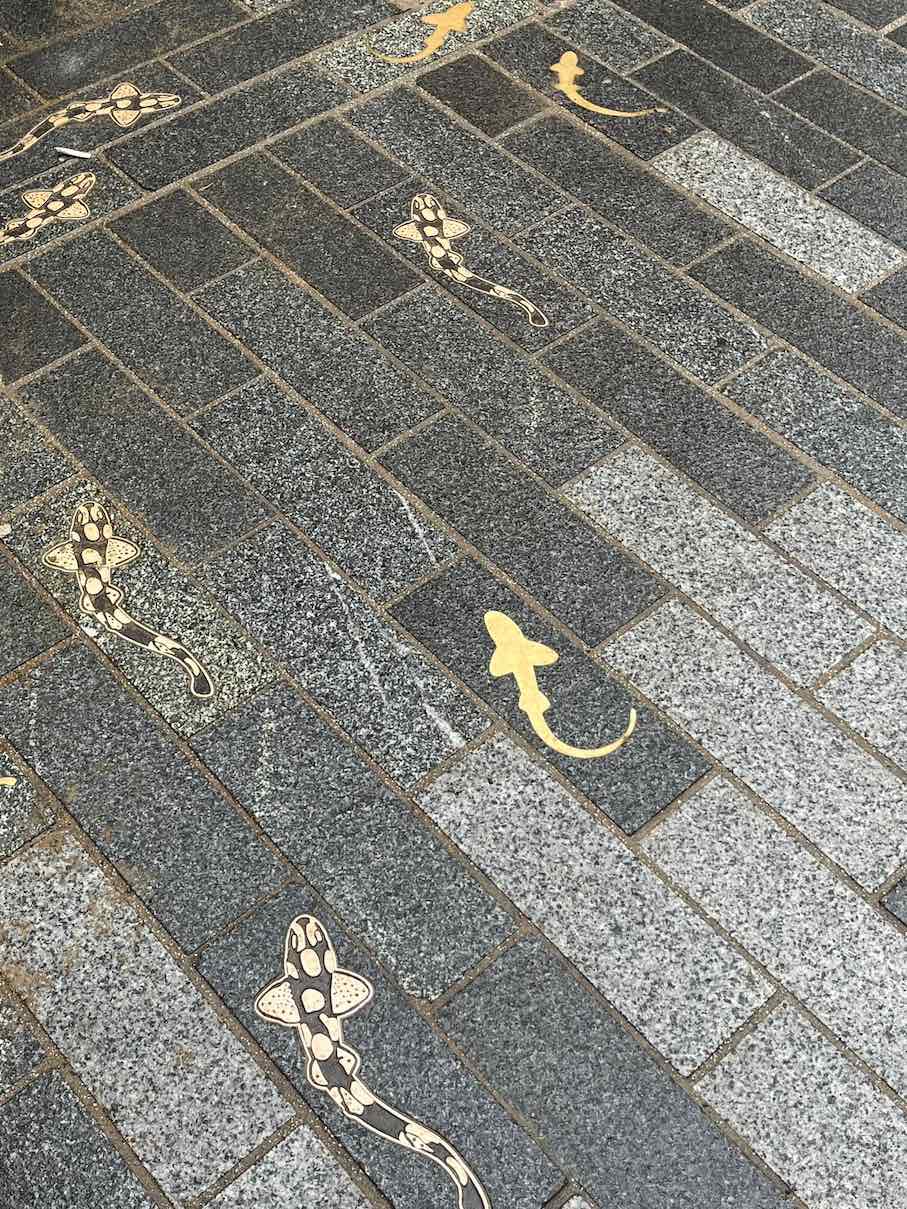
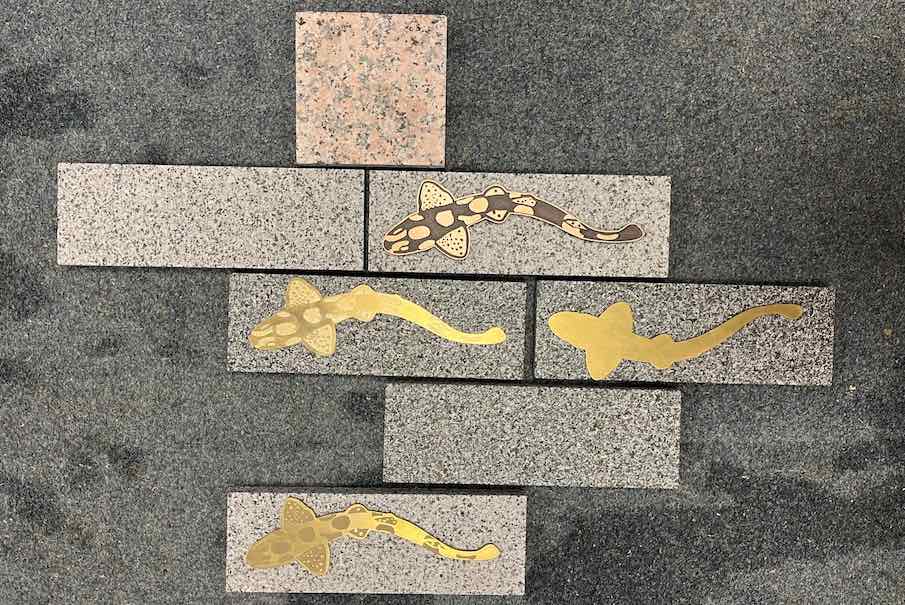
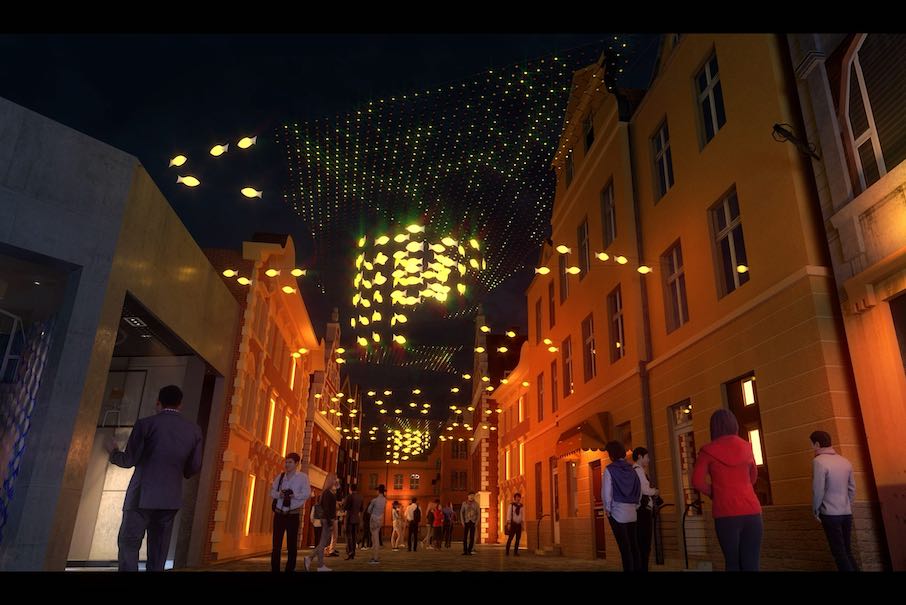
With climate change and rising seas being talked about everywhere, many visitors to the English city of Northampton will not be surprised to find fish in the pavement in a small alley. The street is called Fish Street, and they were added as part of the city center’s current beautification project.
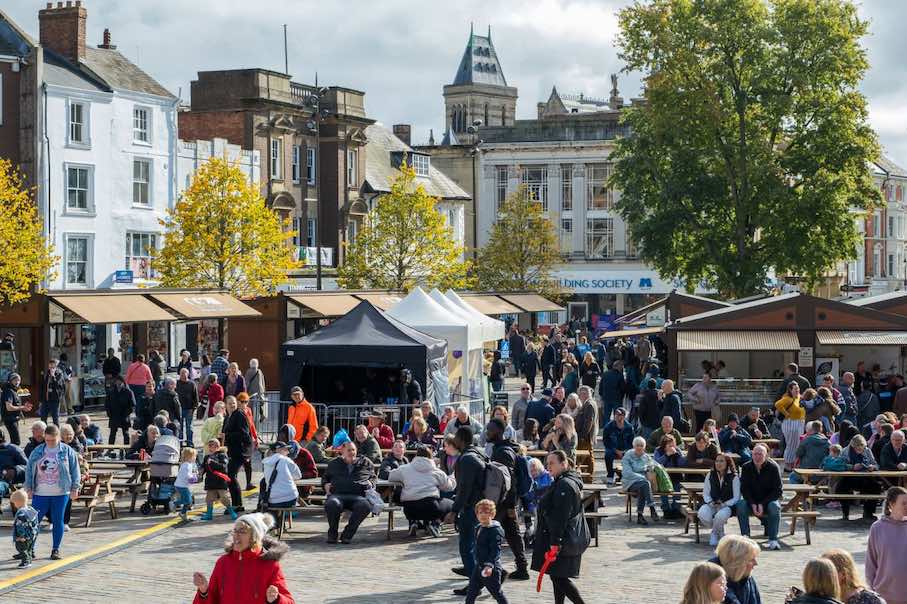
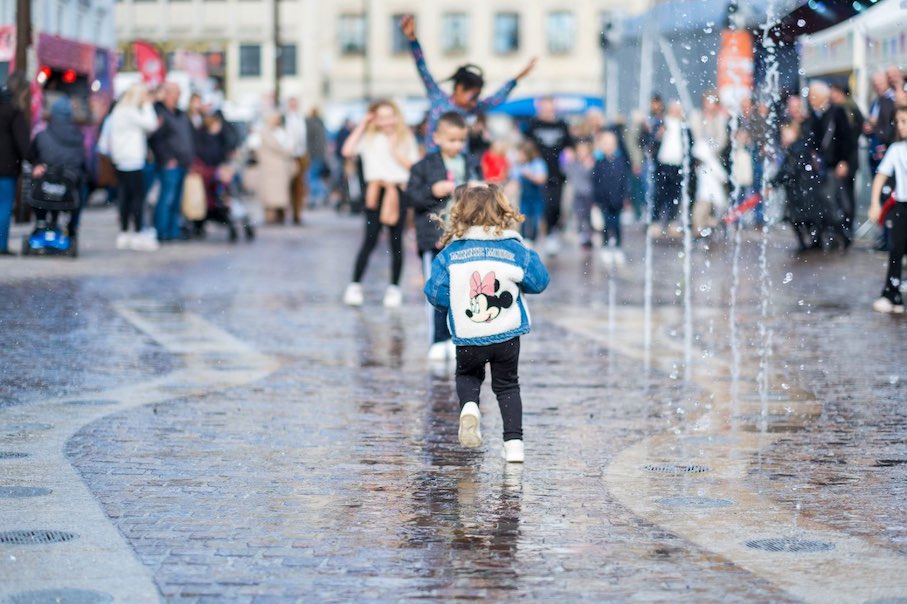
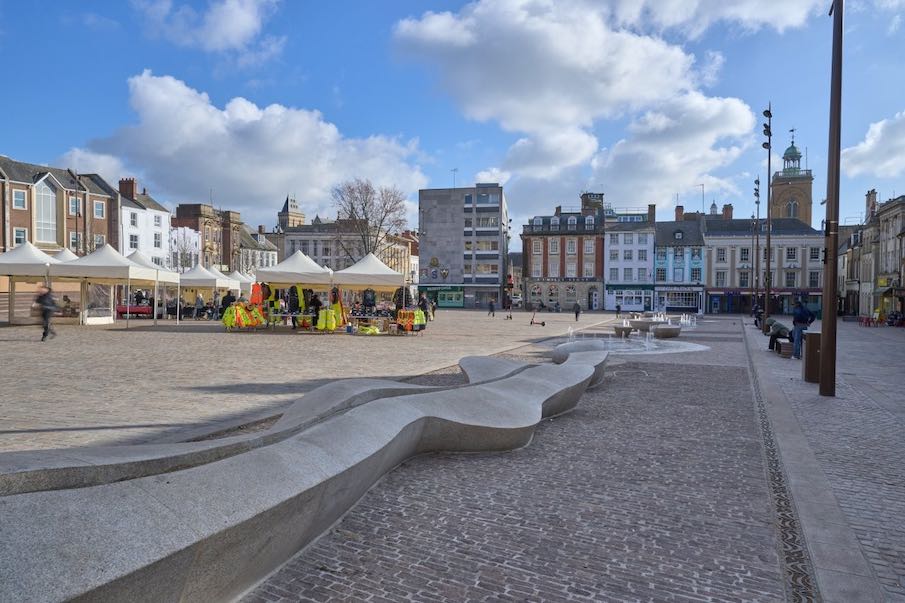
The city has one of the largest and oldest market squares (dating back to 1235), and it, too, has received a water-related upgrade, with a series of small fountains that automatically turn on and off. This is pure joy for children.
However, speaking of water: Water has never played a significant role in the city – Northampton, on the other hand, has always been known for its shoemakers and shoe factories, and this brings us to the bottom of the mystery surrounding the fountains and the distinctive benches in the market square: In the water features, one can briefly recognize the shape of shoelaces, and the benches permanently reproduce the lasts and models for working with shoes. They were created by the artist Mel Chantrey and produced by Hardscape company.
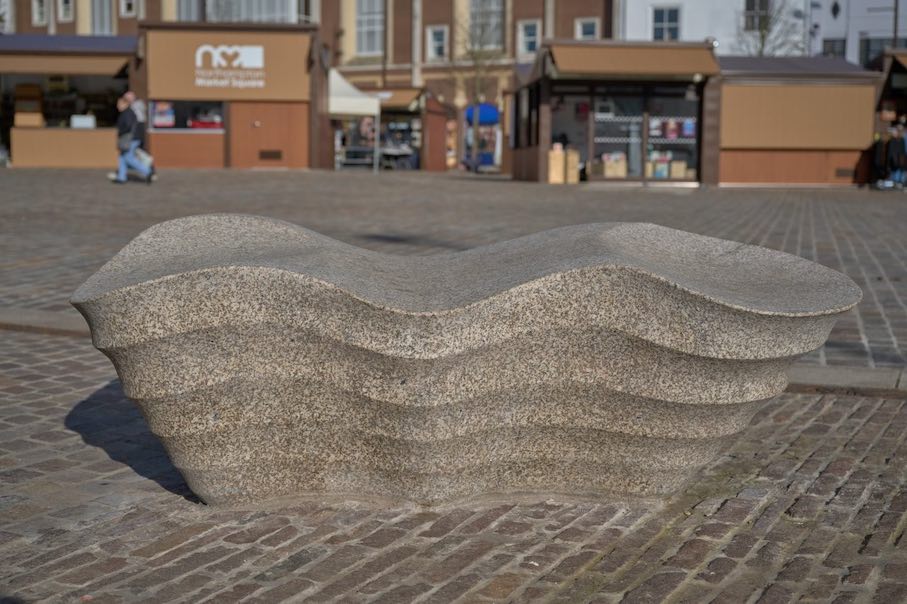
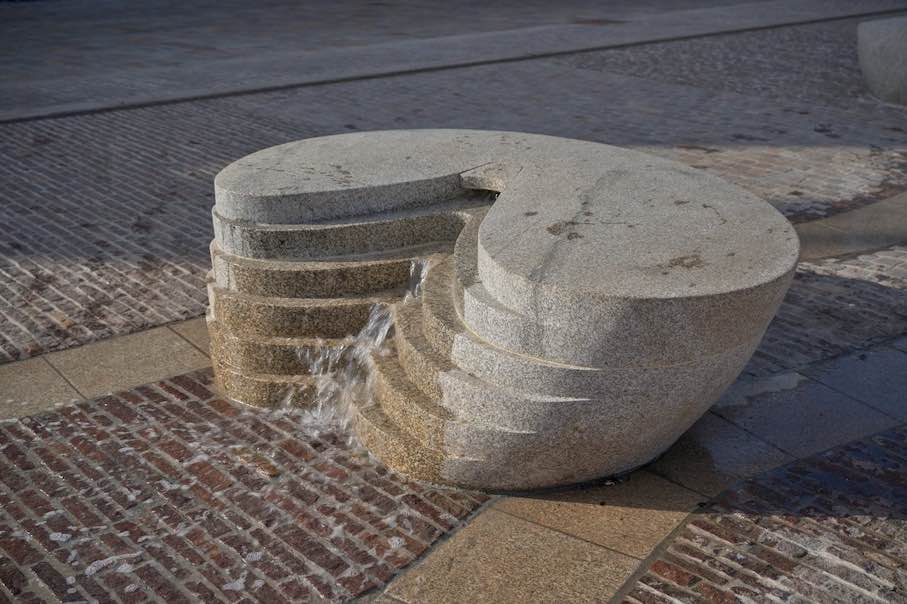
The concept for this all encompassing work of urban design came from the urban planners at Gillespies. The fish in the pavement were designed by Scribblestone Inspire. The paving was the responsibility of the company Tectonix.
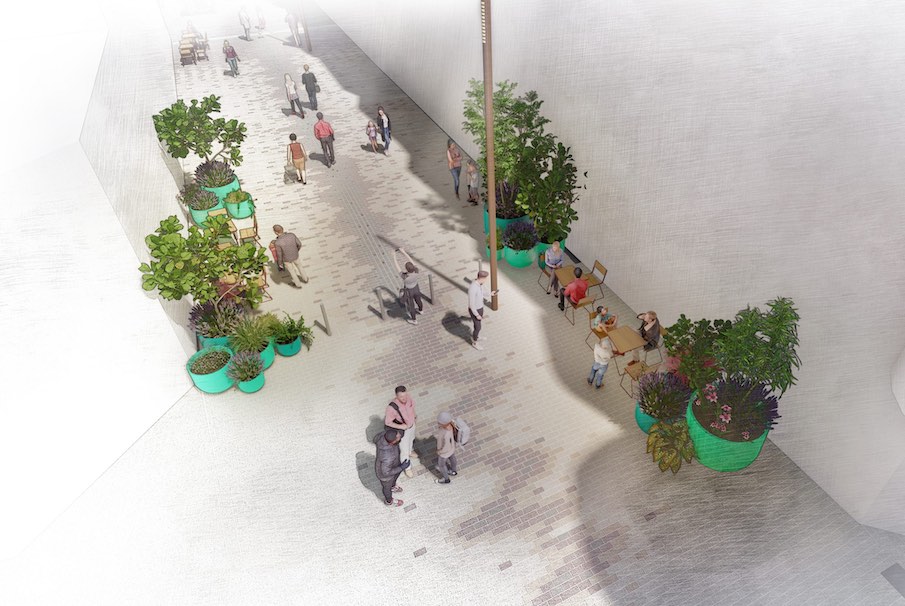
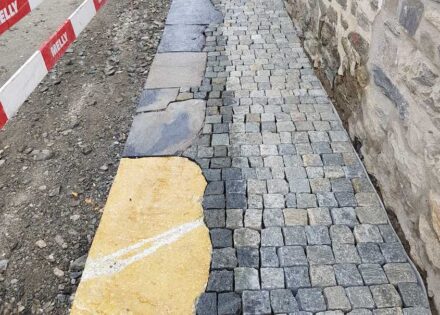
Granite from China and Portugal was used for the paving. Recycled stone was also used in Fish Street, intended to recall the long history of the place. The pattern is laid in such a way that it suggests the course of a stream.
To keep skaters away from the benches, the planners also relied on the paving’s potential: The Porphyry used there has a rough surface, which spoils the fun for skateboarders.
In the areas with the fountains, however, the Porphyry surface is smoother and softer, making it ideal for walking barefoot. Slip resistance is, nonetheless, guaranteed.

A word about the fish: They are replicas of dogfish, which the client, West Northamptonshire Council, requested. Paul Thwaites of Tectonix and Alyssia Murphy of Scribblestone used porcelain koi as their model and ultimately came up with six different models, right- and left-handed, and made of brass and bronze, respectively.
The idea behind this effort was to give the paving the appearance of a real stream flowing through the street and into the storm drain.
Work on Abington Street is currently still ongoing. The total budget is £12.4 million, including £8.4 million from the government’s Future High Streets Fund and £5.2 million from municipal funds.
Craig Forsyth, the city’s spokesperson, halfway between London and Birmingham, outlined the goal of the measure in an email: “This project will lift the quality of the public spaces through high quality materials, increasing seating and planting, introducing new art and play opportunities along the street, as well as space for outdoor dining and community activity.”
Photos: Northampton / Gillespies / Scribblestone