 Stone-Ideas.com


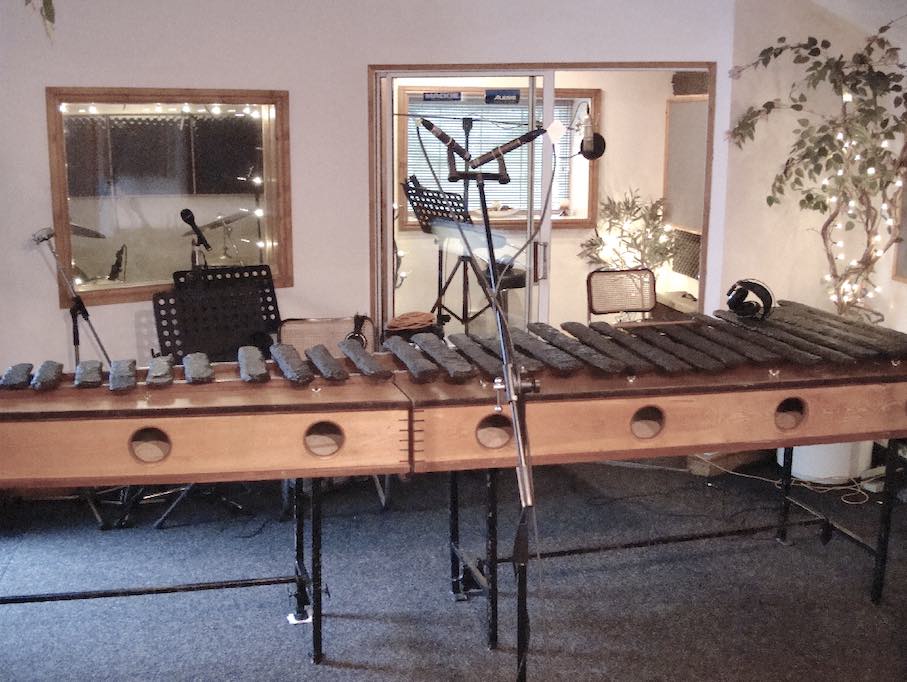
Lithophones are musical instruments made of stone slabs that produce sound when struck, much like xylophones, which use wooden bars. This new recording features two artists performing a variety of musical pieces using a lithophone, other instruments, and accompanied by poetry recitations.
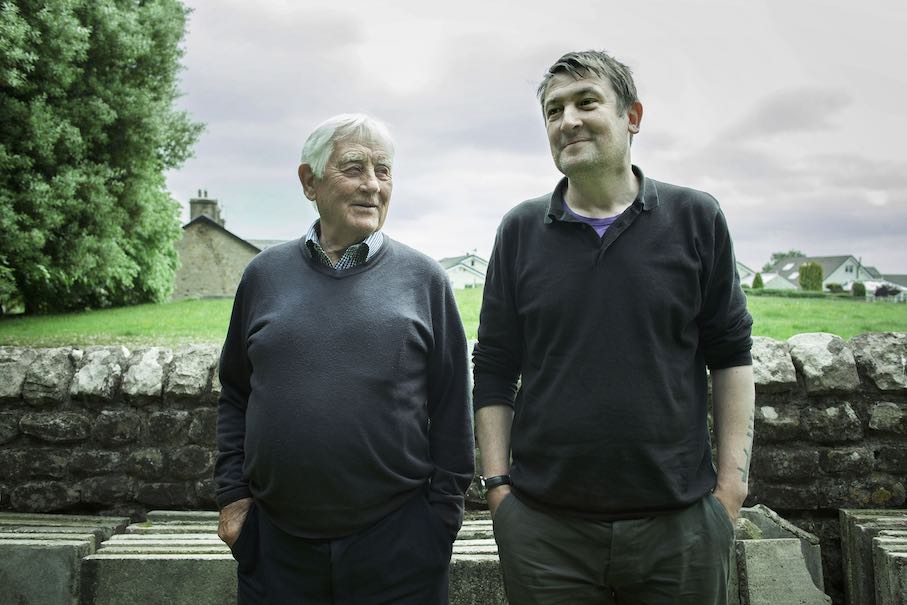
The project is titled “Language for Stone.“ The artists are violinist Matt Howden (stage name “Sieben”) and his father, poet Keith Howden. Giulio Di Mauro serves as the publishing director.
The nine pieces can be streamed online on the publisher’s website or purchased as limited-edition CDs and special vinyl releases. When we listened ourselves, we found the poetry readings somewhat difficult to understand. It would certainly be helpful if the texts of the poems were made available on the website.
Nonetheless, the sound of the lithophone as presented is a profound experience. The listening is unusually immersive, evoking the echo of a cave, with the tones slowly fading away in the recordings.
The stone sounds for this recording were captured at Keswick Museum or sourced from local rocks familiar to the artists.
The recordings are dedicated to Peter Crostwhaite, a contemporary of the 18th century, about whom we must say a few words at this point. He was an eccentric, traveling through China even back then and bringing back unusual reports of sounding stones.
On June 17, 1785, according to the PDF “Soniccouture. Skiddaw Stones User Guide,“ he was walking around the lake at the foot of Mount Skiddaw in England’s Lake District and came across stones that, when struck, produced precise tones. Mind you: precise tones with precise pitch, not diffuse sounds.
He soon collected six examples, each of which resonated at a different pitch.
But with more sound stones, nature made things really difficult for him: “The remaining ten of the set took six months to find, with Crosthwaite working twelve hours a day to tune them, carefully chipping away at the stone until the desired note rang true,“ the PDF continues.
In 1785, Crostwhaite used it to build his first lithophone, based on the Qing models in China.
He likely saw the instrument as a marketing model for his museum of curiosities in Keswick’s market square, the PDF continues: When a carriage approached the house, he, his wife, and daughter would play the stone tones and other sounds, attracting visitors. The entrance fee to his exhibition was one shilling, it is said.
You can read more in the PDF. The museum still exists today and still has a collection of curiosities. The lithophone is number 44 out of a total of 100 objects, according to a video:
Numerous details about these stone instruments have also been compiled in the online journal “Atlas Obscura.“
The publisher Archaeological Records also takes unusual approaches. He wants to “create a playground between music and archaeology,“ as his website states, and thereby cultivate the incompatibility between long-lasting archaeological finds and music that is already lost at the moment of performance.
Lithophones are a special topic for this, because the sounds are created using material that is millions of years old.
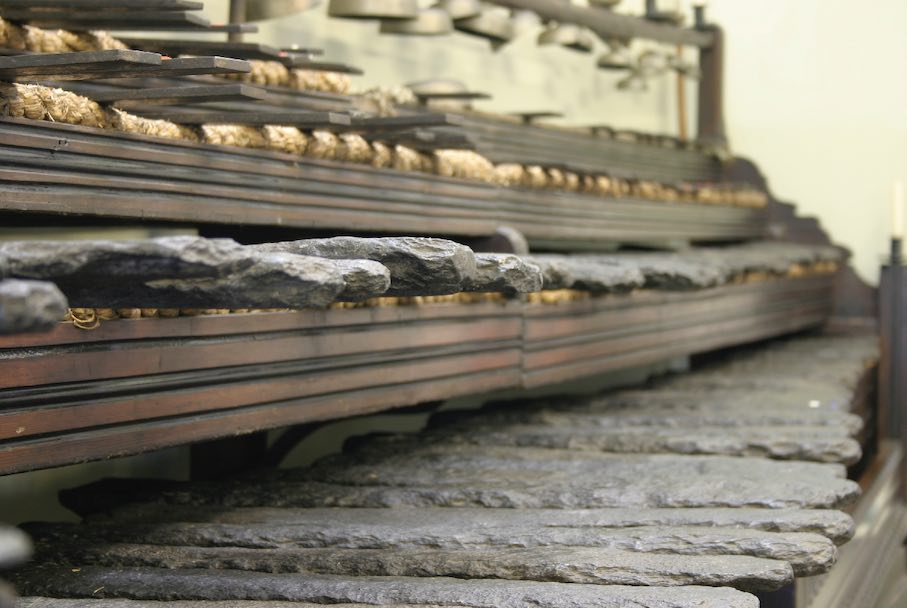

The material used for the Keswick lithophones is called hornfels, a type of metamorphic rock. Millions of years ago, it was slate that, through geological processes, sank down in the Earth’s crust and was transformed by intense heat. While hornfels can be found in many locations, the variety from Cumbria, England, is renowned for its exceptional sound qualities.
Download „Soniccouture. Skiddaw Stones User Guide“
Wikipedia has a page with “Ringing Rocks”
Lithophon-Sounds: Le Lithophone de P. Laye (Juni 2007) (French)
Photos from the pdf “Soniccouture. Skiddaw Stones User Guide“, courtesy of Archaelogical Records.