Stone-Ideas.com


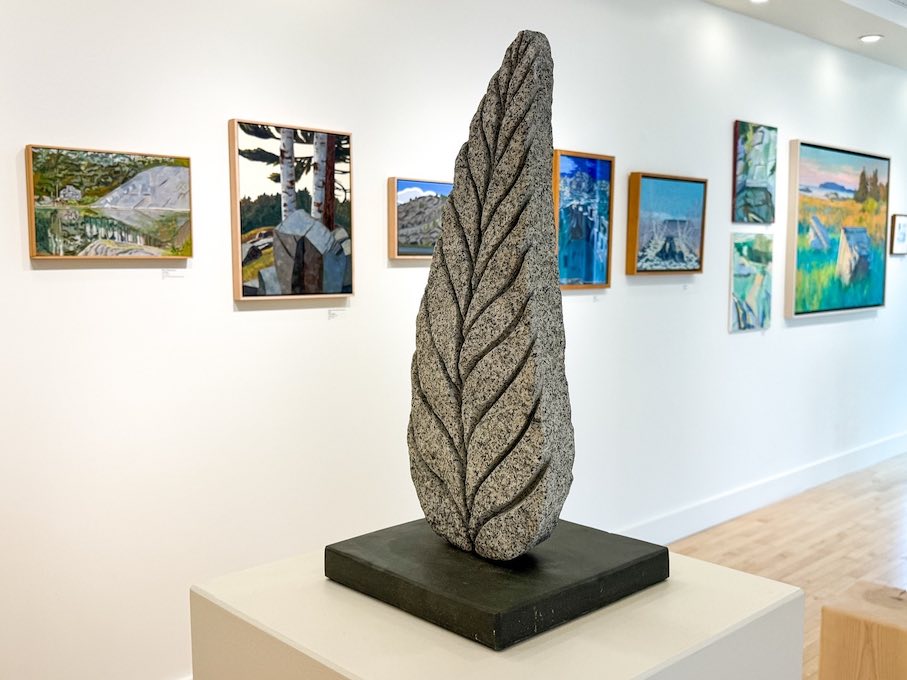
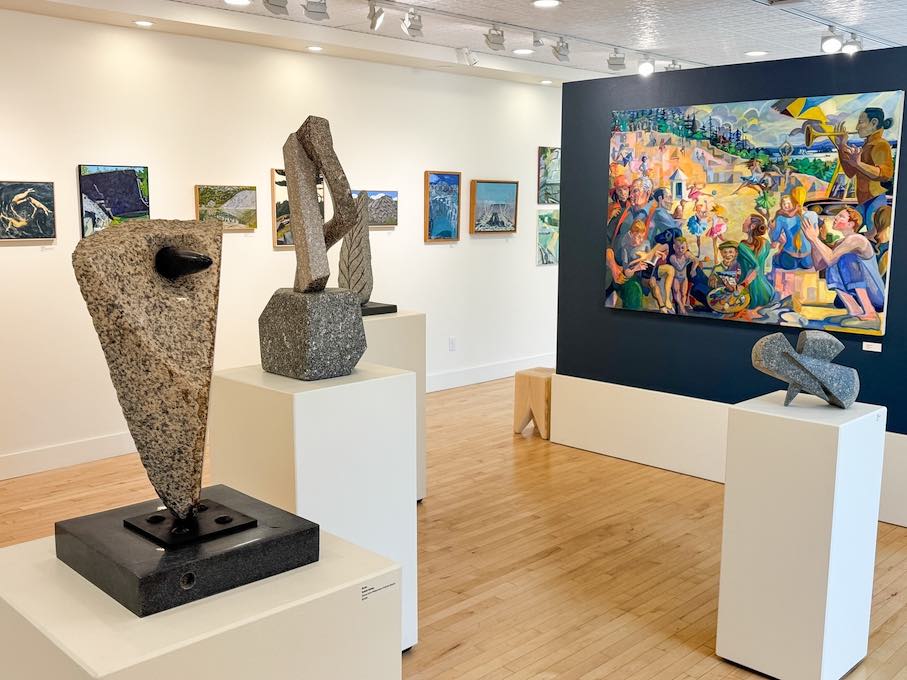
“Quarries: Muse and Material“ is the title of an exhibition through November 02, 2025, in the Monson Arts Gallery in Monson, Maine, referring to the quarries of Maine hat have pulled artists for inspiration and resources since the mid-1800s. The exhibition features 40 artworks, including paintings, sculptures, photographs, and drawings, related to quarries in the area, among thm sites in Monson, Addison, Sullivan, Limerock, Stonington, Tenants Harbor, and Dix and Hurricane islands. The show is curated by Carl Little.
Monson is located at the edge of Maine’s North Woods – a 3.5 million acres of forest bordering Canada. It is the last town on the Appalachian Trail before the beginning of the 100-Mile Wilderness that leads to Mount Katahdin.
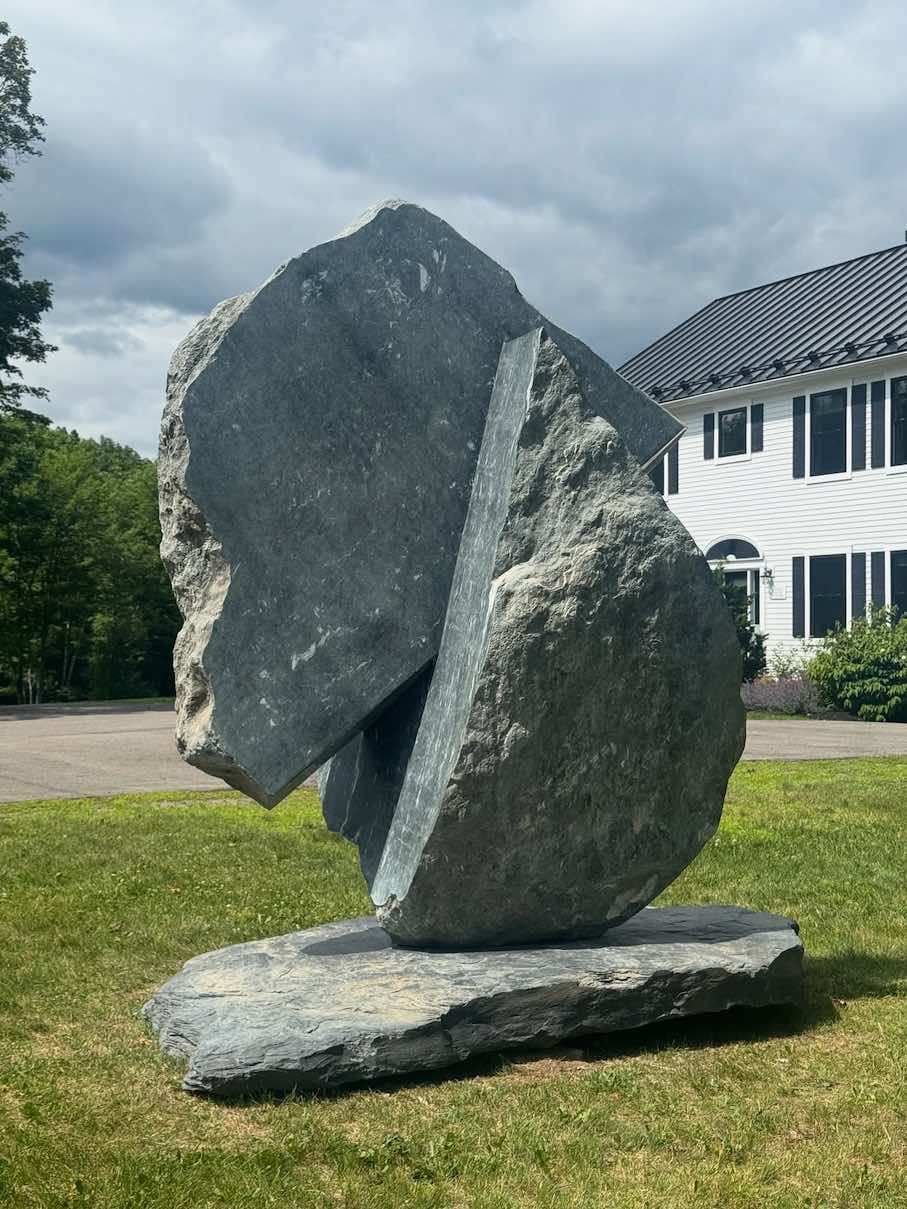
This exhibit is linked with the “The Monson Sculpture Project” which is on display in Monson through June 2026. It is an outdoor exhibition showcasing five large-scale stone sculptures along the main road in Monson, created by artists from the Schoodic International Sculpture Symposium.
The Monson Arts Gallery celebrates the creative heritage of Maine by hosting a wide variety of exhibitions featuring local artists, past and present. Presenting 3 to 4 shows a year, the gallery is a space to explore the artistic works connected to Monson Arts programs including local high schools and Maine colleges as well as featured professional artists like Berenice Abbott and Alan Bray. Additionally, the gallery has featured Monson historical shows and Maine Highland open calls as well as traditional Wabanaki indigenous art.
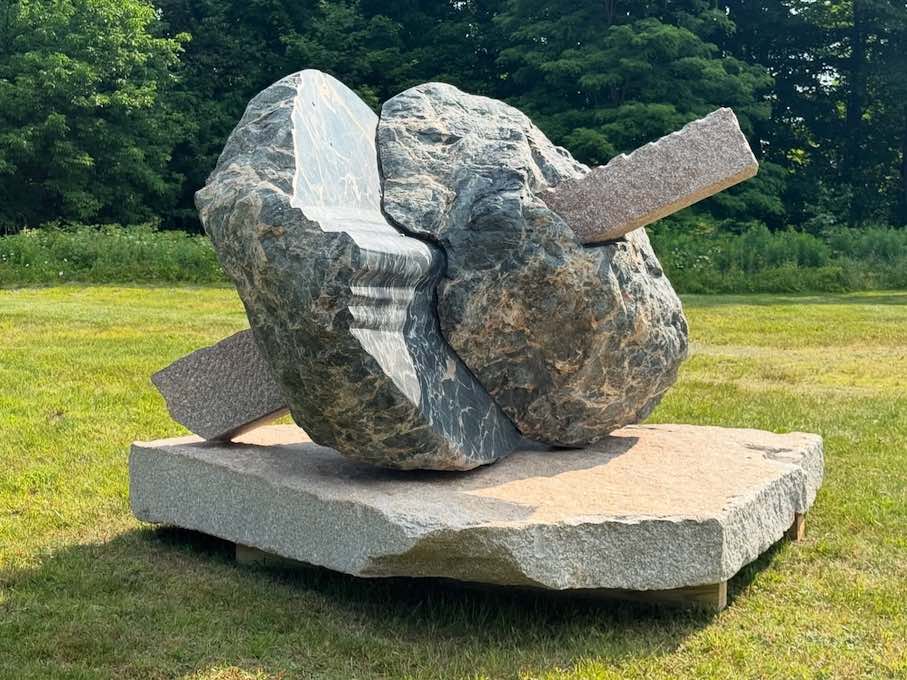
The Schoodic International Sculpture Symposium was held five times from 2007 to 2014. It was an artist in residency program that gave sculptors from Maine and around the world the chance to focus on a single piece of public art created in local granite. The six-week symposia provided a stipend, materials and technical support to each artist, in a communal working space open to the public. The finished works are now part of a 34-piece outdoor collection spanning over 200 miles along the coastal region called “Sculpture Trail of Maine.“
The project was supported through donations from the local communities, general fundraising, grants, and in kind support.