 Stone-Ideas.com


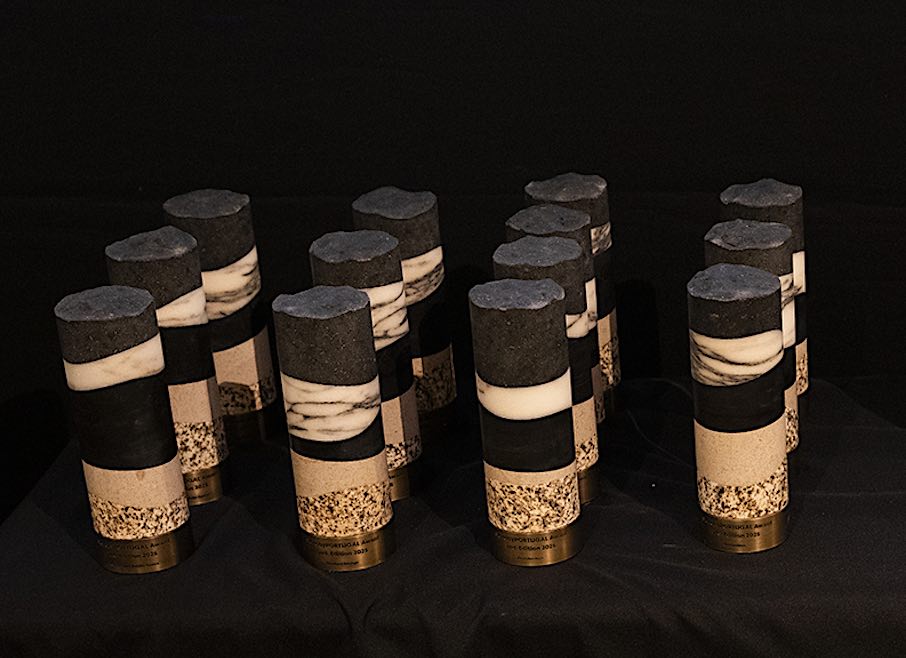
Unusual and ambitious was the description devised by the Portuguese Natural Stone Association Assimagra (Associação Portuguesa da Indústria dos Recuros Minerais) for its “2nd International Architecture and Design Awards with Portuguese Stone”: It states that submissions are expected to be “visions,” as well as “revelations” about the country itself through stone.
We quote: “The awards are intended not only to recognize individual projects, but to distinguish creative visions capable of transforming the material into works of art and tradition into the future, thus revealing to the world the identity of Portugal through its stones.”
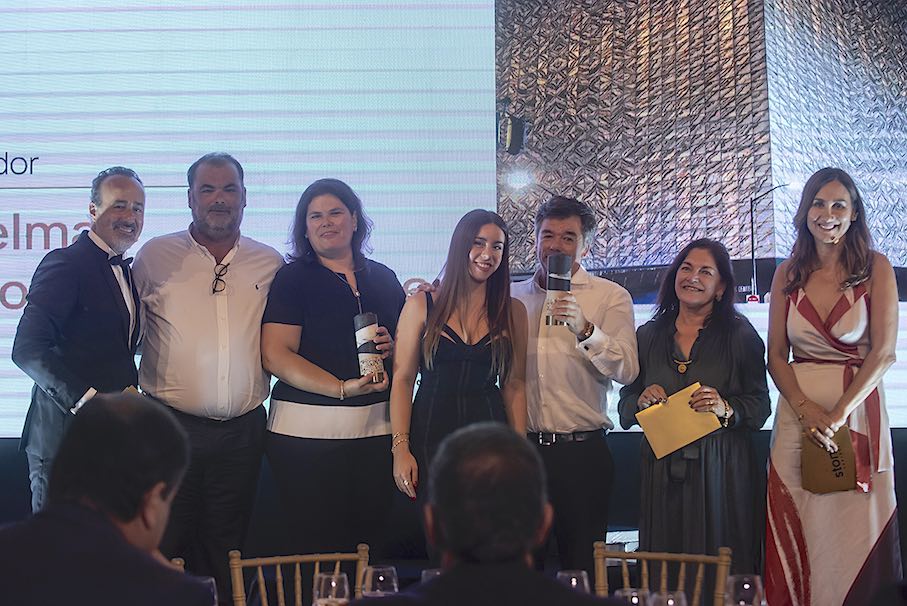
Of course, in the end, individual projects were indeed awarded prizes. But most of these projects represent cases where clients and contractors have done more than the usual with – or rather, from – stone. The jury members were Hélder Nascimento (architect), Jorge Mealha (architect and university professor), and Fernando Brízio (product designer). They have all made a name for themselves internationally.
There were four categories: Visions, Architecture, Public Space, and Product Design. We present the companies’ descriptions below.
The shortlist is shown at the very bottom.
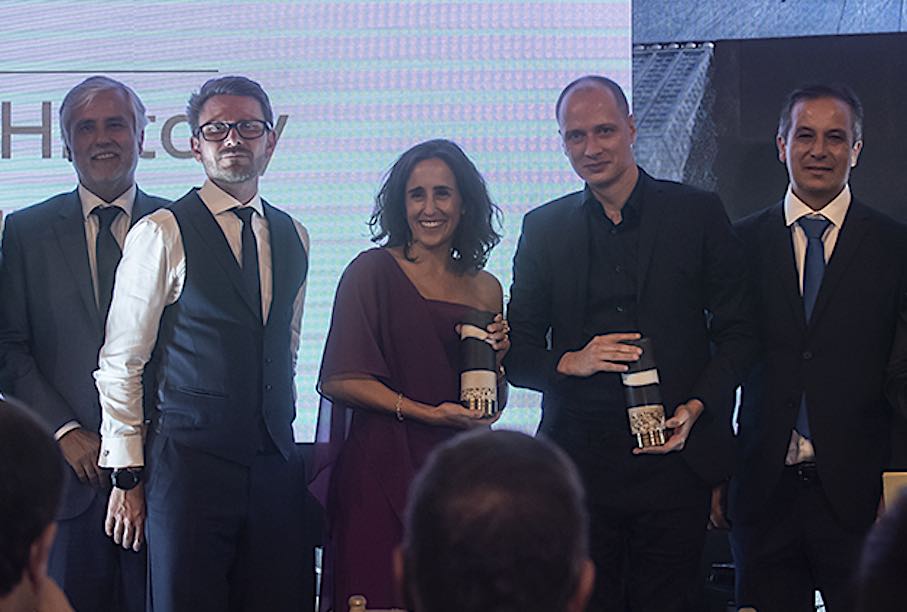
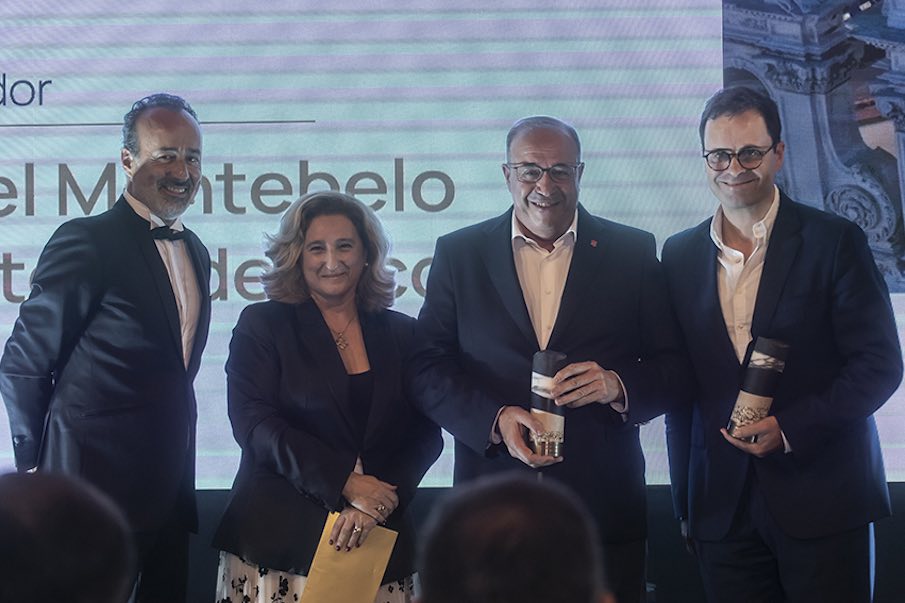
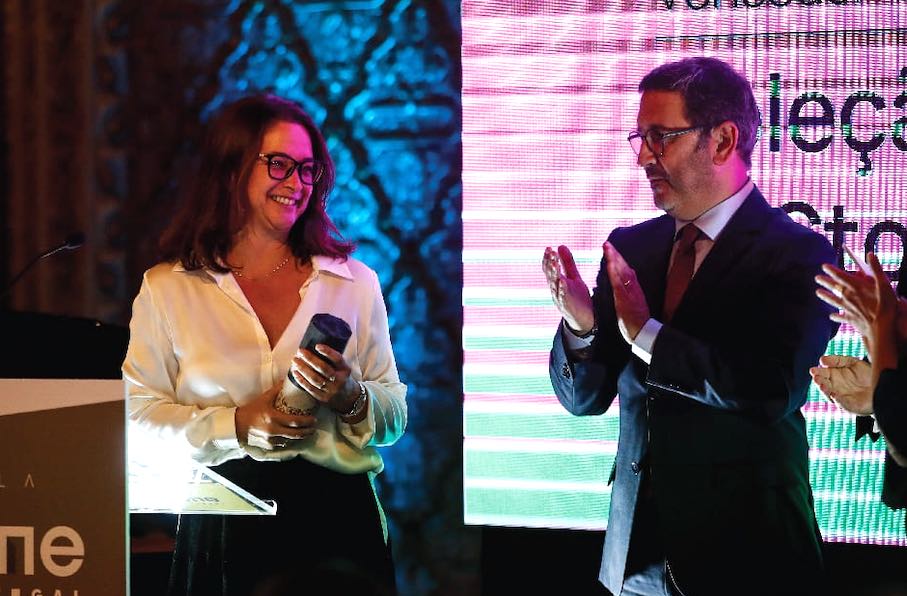
First, a word about the trophies themselves (see photo above): They are composed of different types of stone from Portugal (granite, slate, limestone, sandstone, and basalt). These represent the individual regions of the country. The artwork’s title is “Tes. Te. Mu. Nho.“, which means “testimony” when spoken in one go.
International Architecture and Design Award with Portuguese Stone 2025
Photos: companies, Assimagra
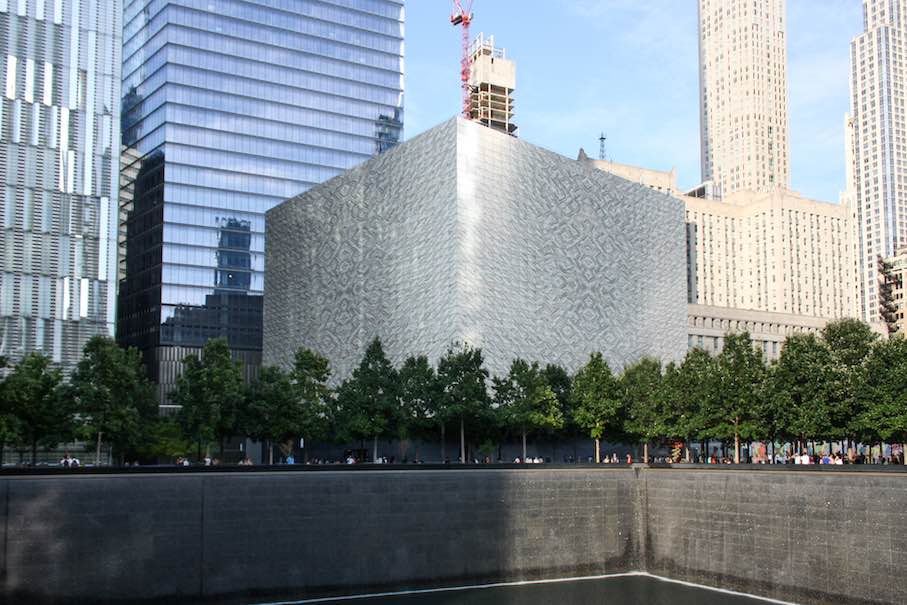
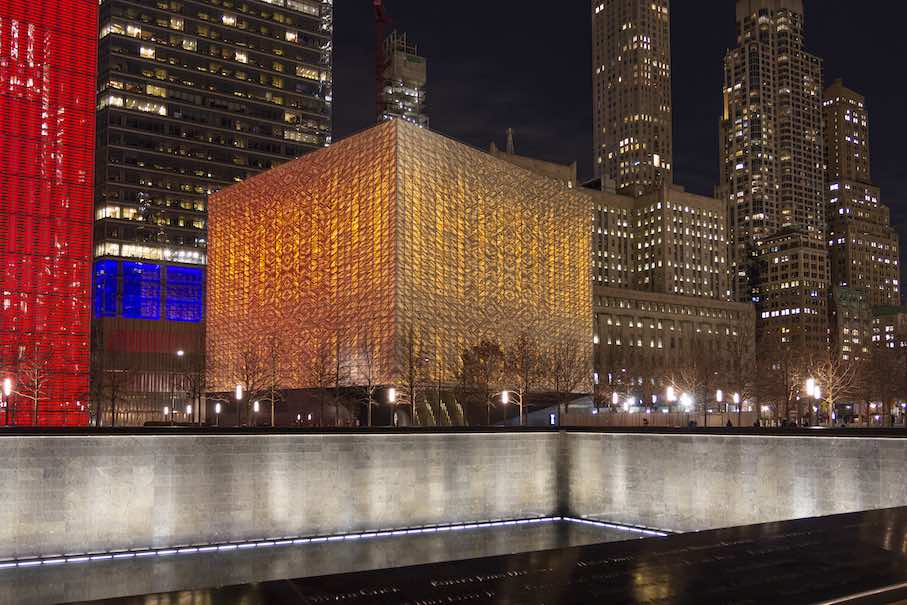
 Category Visions/Innovation: The Perelman Performing Arts Center, New York City, stoneworks by LSI Stone.Located in the heart of Manhattan, in the World Trade Center complex, the building was conceived by REX studio as an integral part of the reconstruction plan for the area affected by the September 11, 2001, attacks. The building stands out for its unique facade: a 12,000 m² cube that appears simultaneously simple, timeless and enigmatic. Clad with Portuguese pink Luminati marble with green veins, supplied by Granoguli, the project valorises national natural stone, reaffirming its quality and capacity to respond to aesthetic and symbolic requirements of high international prestige. More than an architectural feat, the Perelman Center represents a powerful symbol of renewal and hope for the city of New York
https://lsi-stone.com/
https://pacnyc.org/
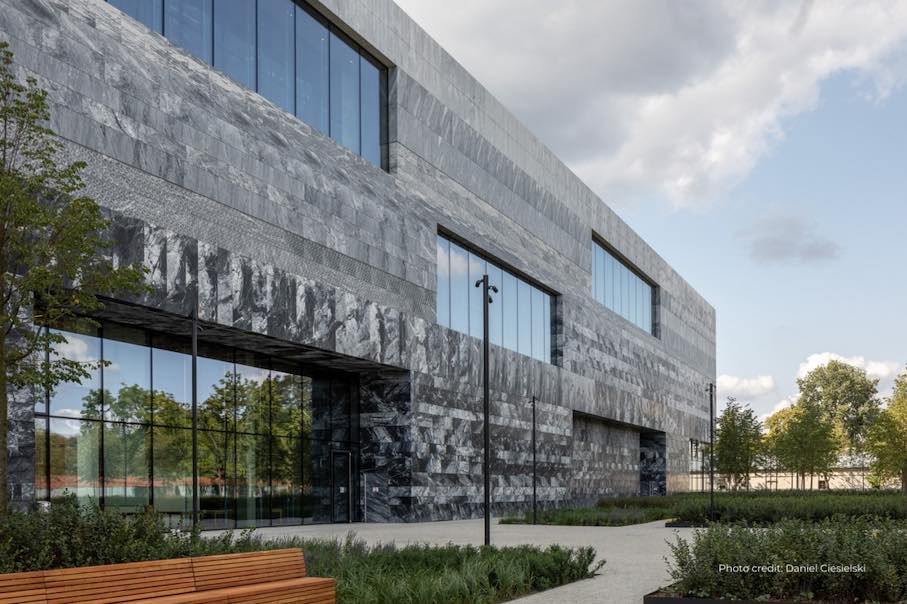
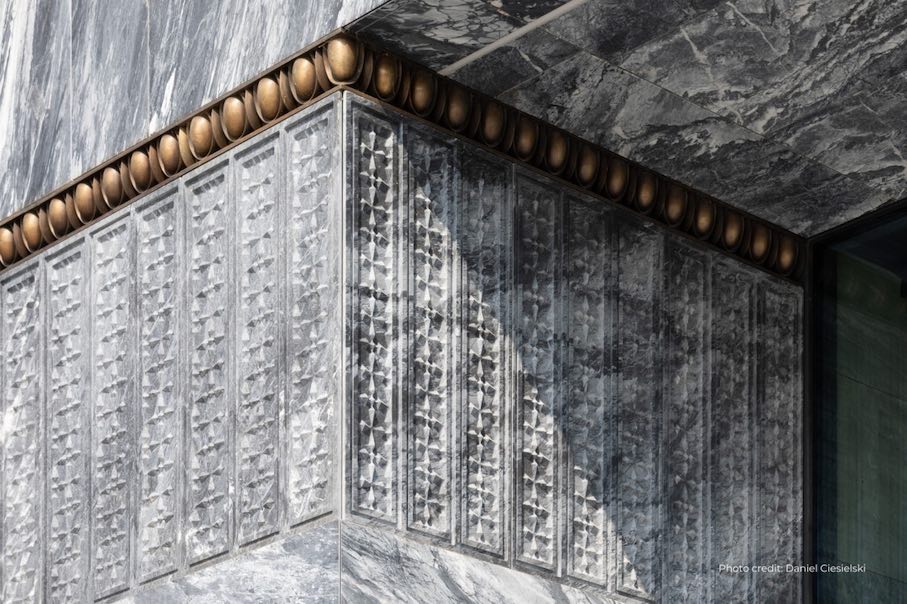
 Category Architecture (1): Polish History Museum, stoneworks by Dimpomar.The Museum was designed by the WXCA architecture studio and is located in the Warsaw Citadel. The grey hues of Portuguese Ruivina marble were used on all exterior facades and interior cladding: They represent a thousand years of Polish history from the darkest to lightest moment. The tones of the stone were chosen one by one, hand-selected from the quarry to the project. The facade with overall 10,000 m² of stone includes more than 1.000 m² of cut-to-size relief pieces: 11 different and highly complex relief types with different symbologies. A total of 17,000 m² of natural marble in more than 10 different thicknesses and more than 12 different finishes, combined into 15,000 units of large pieces cut to size (more than 1.2 m² per piece) delivered within a demanding deadline of 14 months.
https://www.dimpomar.com/en/
https://muzhp.pl/en
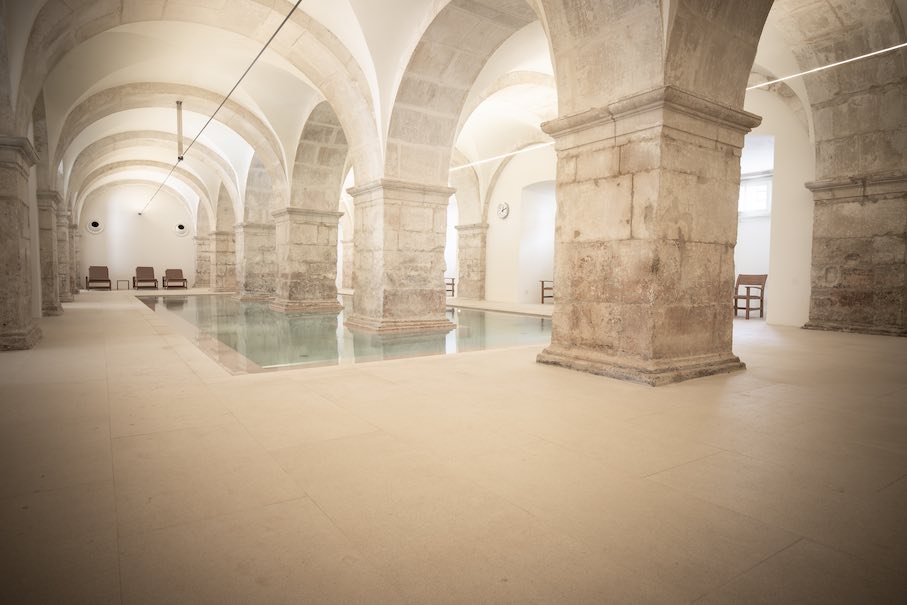
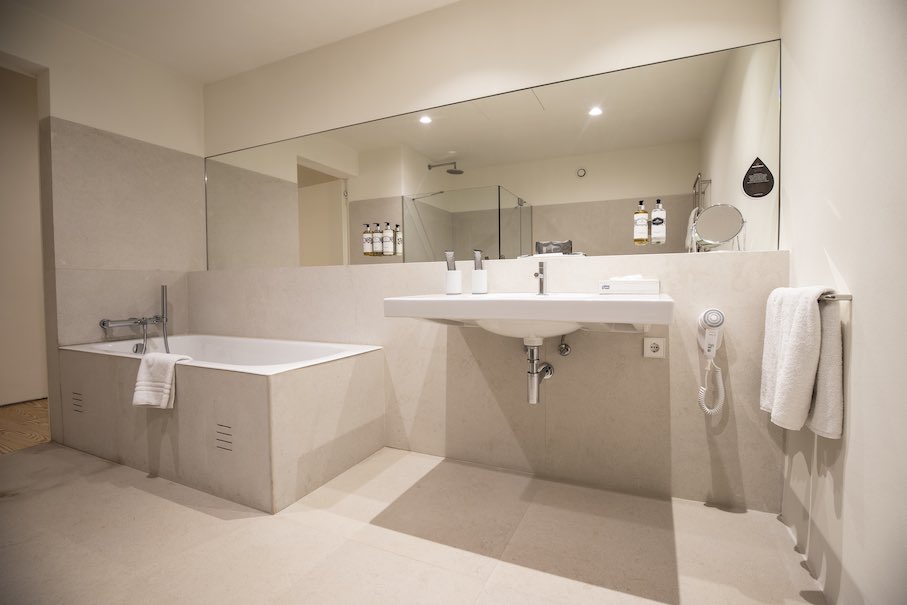
 Category Architecture (2): Montebelo Mosteiro de Alcobaça, stoneworks by Solancis. The historic recovery project of Hotel Montebelo Mosteiro de Alcobaça, executed by Solancis, represents an exemplary approach to the use of natural stone in heritage contexts of high historical and cultural value. This project, which recovers the Rachadouro Cloister, one of the wings of the monument classified as Unecso World Heritage, was conceived by Architect Souto de Moura in collaboration with Architect Luís Peixoto. Souto de Moura’s concept of “resurrecting the ancient building” was inspired by the minimalism and detachment of conventual life, cleaning the building of numerous more recent interventions and recovering the spirit that marked the property over the centuries. Solancis’ Branco Real and Beige Topázio stones are the stones used.
https://www.solancis.com
https://montebelohotels.com/montebelo-mosteiro-de-alcobaca-historic-hotel/en/home
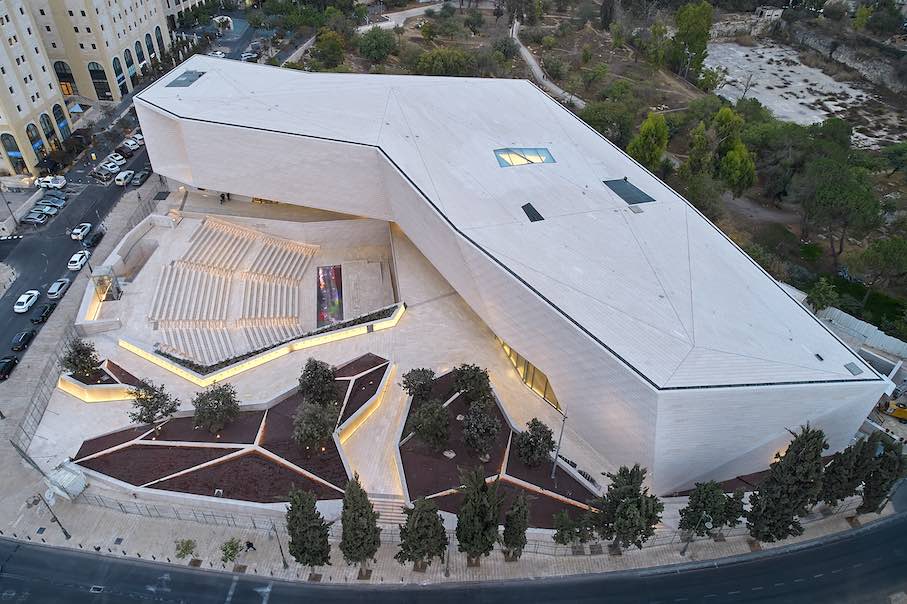
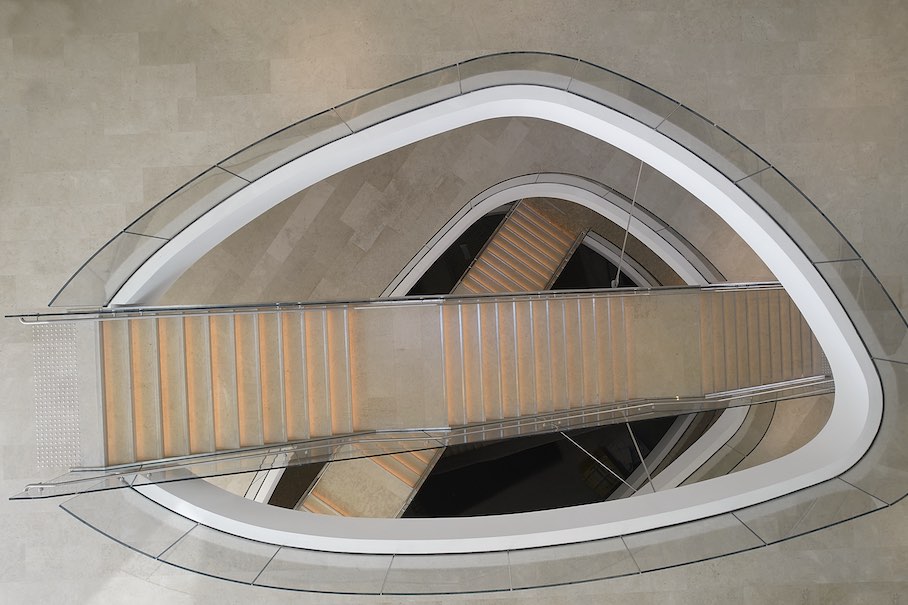
 Category Public Space: Museum of Tolerance, Jerusalem, stoneworks by LSI Stone.The building constitutes a testimony to the importance of learning from history and promoting a society based on understanding, empathy and respect for all individuals. Created by the Simon Wiesenthal Centre, this museum offers a unique and impactful experience to its visitors. The use of Portuguese stones Moca Cream and Moleanos on the museum’s exterior introduces an aura of refinement, leaving a deeply impactful visual impression. The interaction of textural complexities and tonal gradients of the stone confers a three-dimensional character to the facade, reinforcing its comprehensive aesthetic charm
https://lsi-stone.com/
https://motj.org.il/
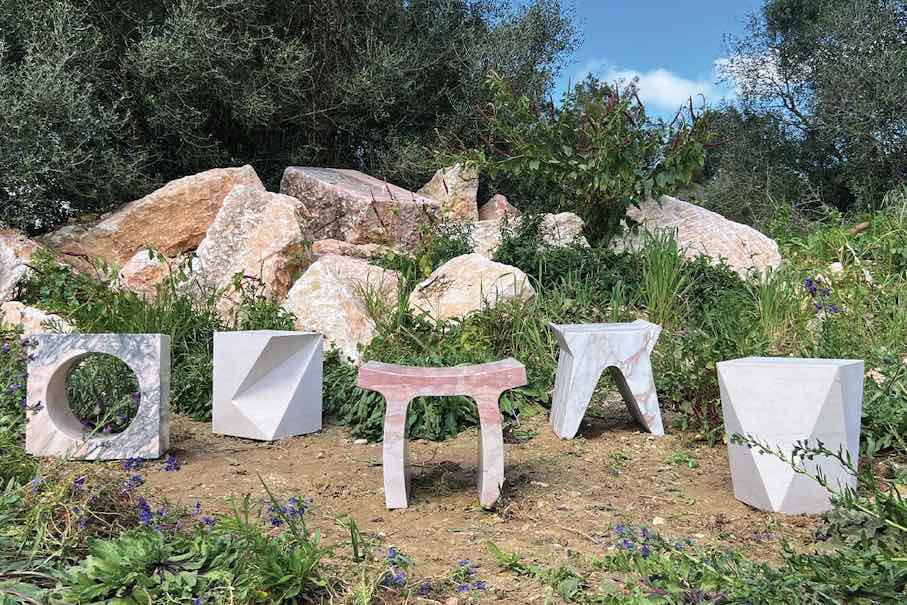
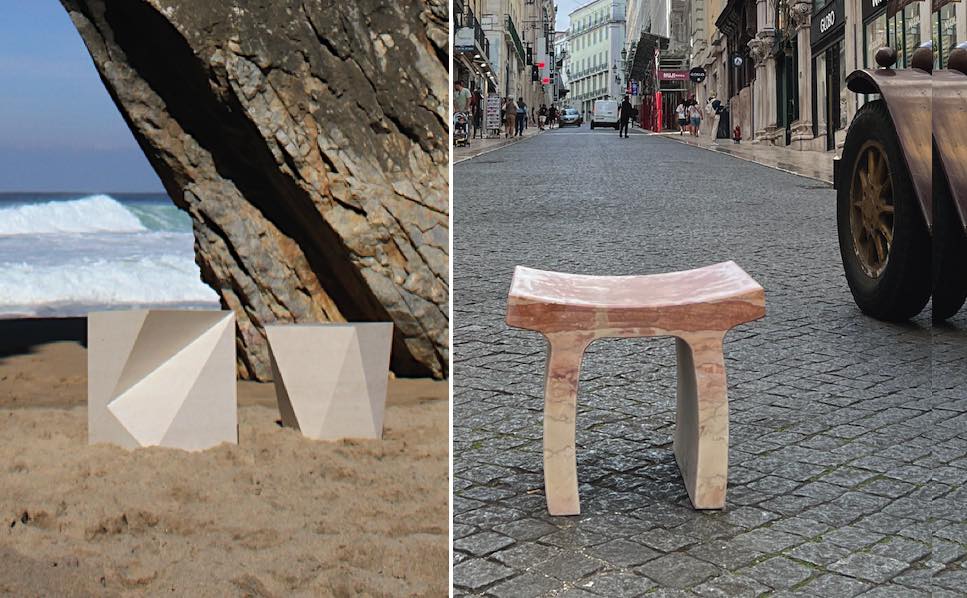
 Category Product Design: Stools Collection (Places) by Studio Olivah / Gisella Tortoriello (Portugal). The Stools collection is born from the gesture of transforming surplus into permanence. The five pieces – Adraga, Azenha, Nazaré, Carmo and Roça – were developed from small blocks left over from Portuguese quarries, converting fragments into utilitarian sculptures. The collection is part of the Lugares line, a broader project that explores different formats, uses and applications of Portuguese natural stone, revealing its aesthetic and emotional versatility.
https://www.olivah.pt/
Shortlist
Innovation
• Tree Panel (Church of Charneca de Caparica, Portugal) – Dimpomar
• Prototype Project (Fátima, Portugal) – Filstone
• 80 Fenchurch Street (United Kingdom) – LSI Stone
• Perelman Performing Arts Center (USA) – LSI Stone
Architecture
• Polish History Museum (Warsaw, Poland) – Dimpomar
• Pearl Museum (Bahrain) – Grupo Galrão
• Chelsea Barracks (United Kingdom) – LSI Stone
• Hotel Montebelo Mosteiro de Alcobaça (Portugal) – Solancis
Landscaping/Public Space
• Fish Cube (Portugal) – Grupo Galrão
• Rhodes House (United Kingdom) – LSI Stone
• Museum of Tolerance Jerusalem (Israel) – LSI Stone
• La Traversée / Amphithéâtre de Bormes-les-Mimosas (France) – Solancis
Product Design
• Doric Washbasin – Maami Home / Fábio Teixeira (Portugal)
• Mini Fiore – Maami Home / Fábio Teixeira (Portugal)
• Stools Collection (Places) – Studio Olivah / Gisella Tortoriello (Portugal)
• Inverso Design – Solancis / David Amaral and Sara Saramago (Portugal).
