 Stone-Ideas.com


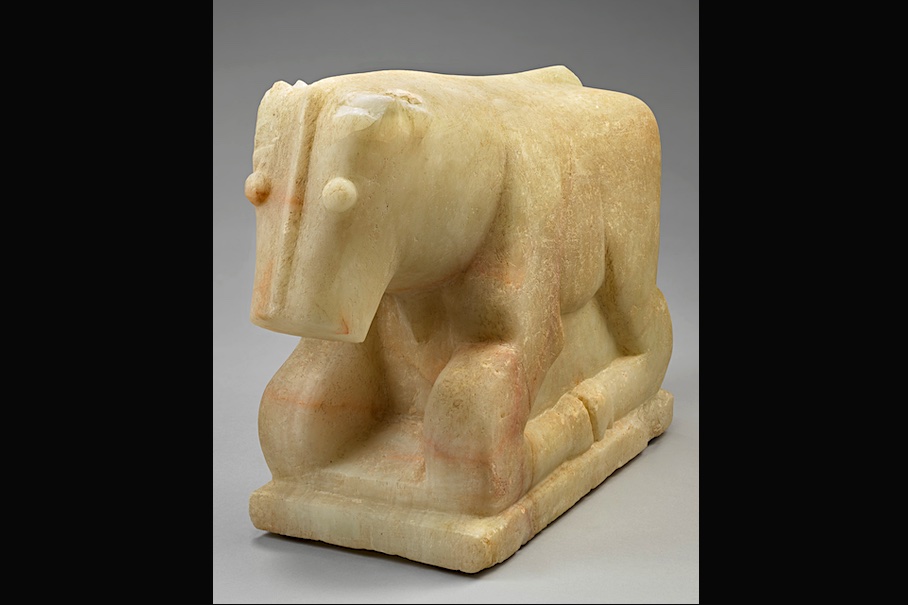
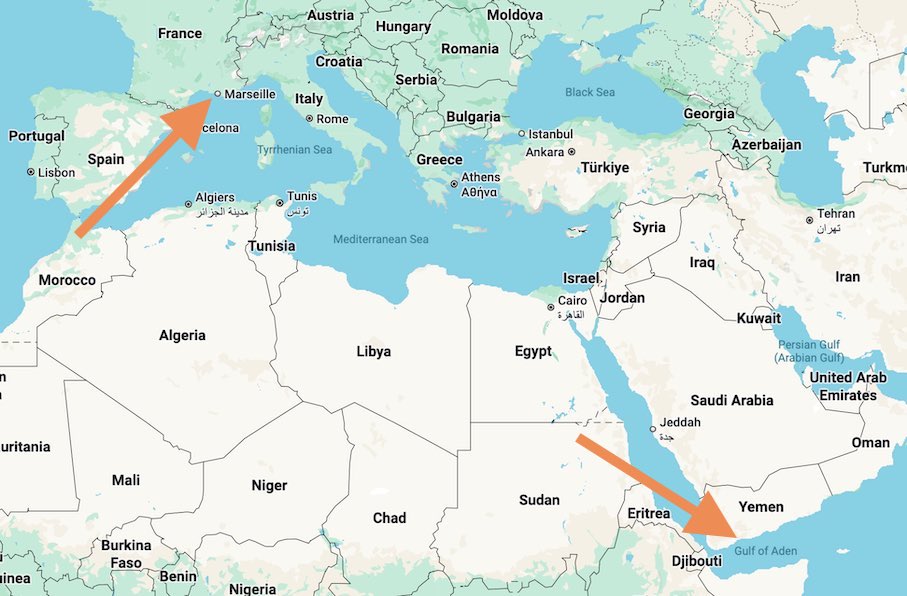
Marseille is a city shaped by the sea and by encounters. A gateway to and from the world, over the centuries, it has continually forged links with other Mediterranean shores and beyond. The exhibition “Aden-Marseille: From One Port to Another,“ at the Centre de la Vieille Charité, Marseille, in partnership with the Louvre Museum, is yet another demonstration of this, on show until March 29, 2026.
Through an exceptional collection of archaeological artifacts dating back to pre-Islamic Yemen and accounts of the movement of people, ideas, and objects, this exhibition traces the ancient and modern history of exchanges between our two port cities. It reminds us how much Marseille has been enriched, both in the past and today, by its ability to welcome and engage with other cultures.
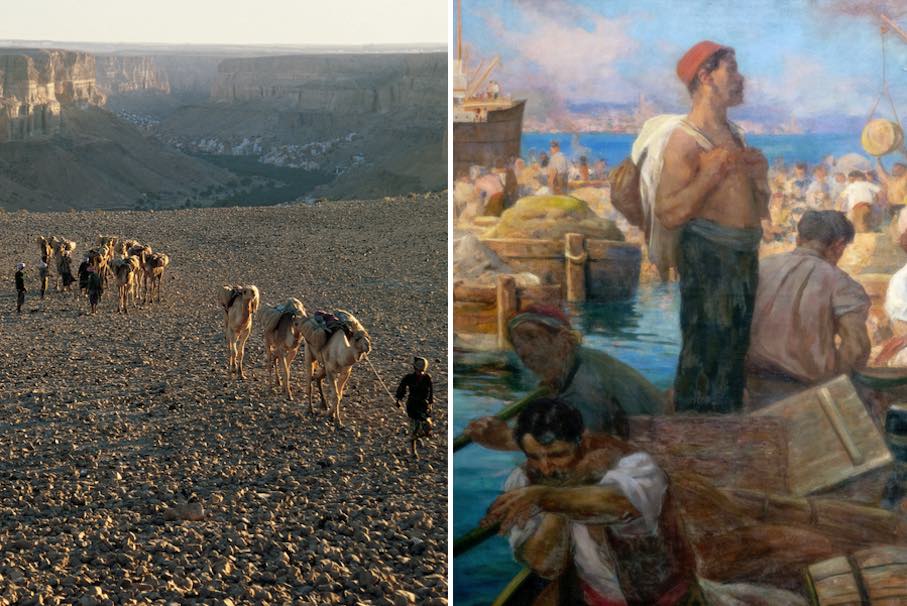
By hosting prestigious loans from major international institutions, promoting the Yemeni presence in Marseille today, and giving contemporary artists a place to shine, the show connects the past to the present and gives voice to many different voices. Those of yesterday and today, those of the Mediterranean and the Red Sea, those of travelers, researchers, poets, and residents.
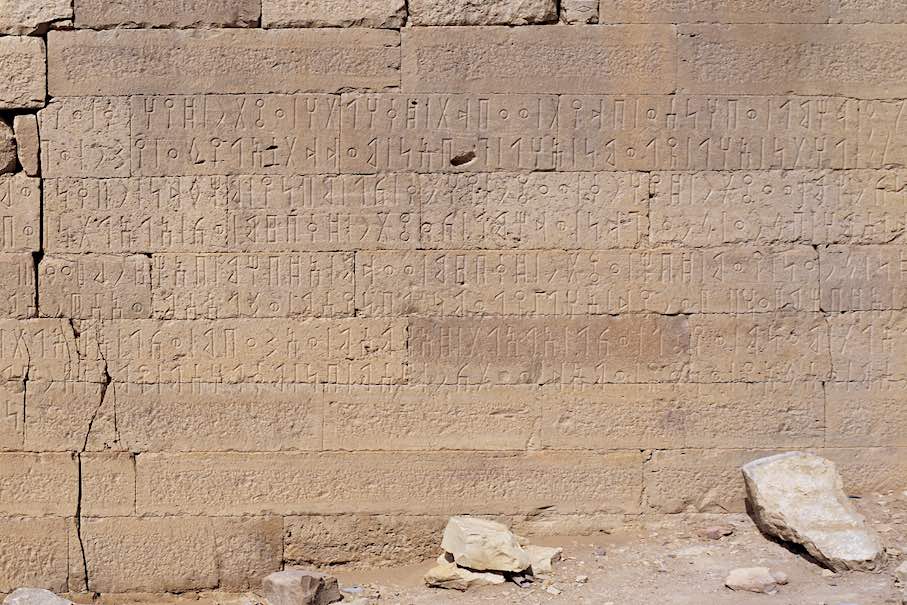
This rich and well-documented exhibition features some twenty Yemeni works donated to the City of Marseille at the turn of the 20th century by the Compagnie des Messageries Maritimes and the Riès family, merchants specializing in the coffee trade in Aden. These pieces interact with artifacts and archives on loan from the Louvre Museum, as well as other prestigious international institutions, including the British Museum (London), the Kunsthistorisches Museum (Vienna), the Vorderasiatisches Museum (Berlin), the Arthur Rimbaud Museum in Charleville-Mézières, and several private collections.
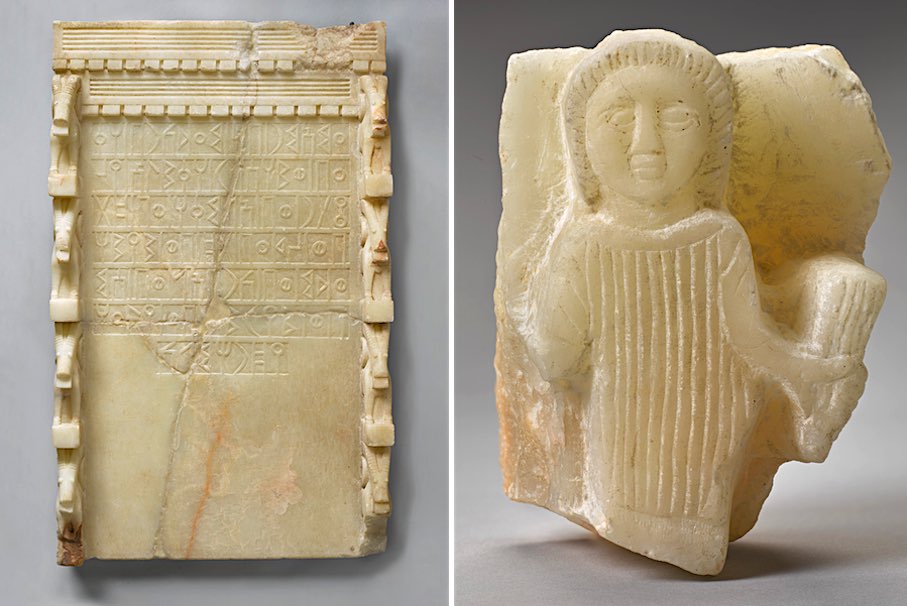
By placing Marseille and its museums at the heart of the narrative, the exhibition also highlights the Mediterranean port’s role in commercial, scientific, and diplomatic exchanges in the 19th and 20th centuries. It underscores the richness and complexity of the circulation of objects and imaginaries, while questioning the historical and ethical context of the constitution of public collections.
The presence of Marseillais in Aden from the 1870s onwards – encouraged by the opening of the Suez Canal – is explored in particular, as is that of Yemenis who, over time, settled in Marseille. Testimonials and creations by Yemeni artists now living in Marseille extend this narrative into the present day, highlighting the vitality of the enduring ties between the two communities and the richness of Yemen during the pre-Islamic period.
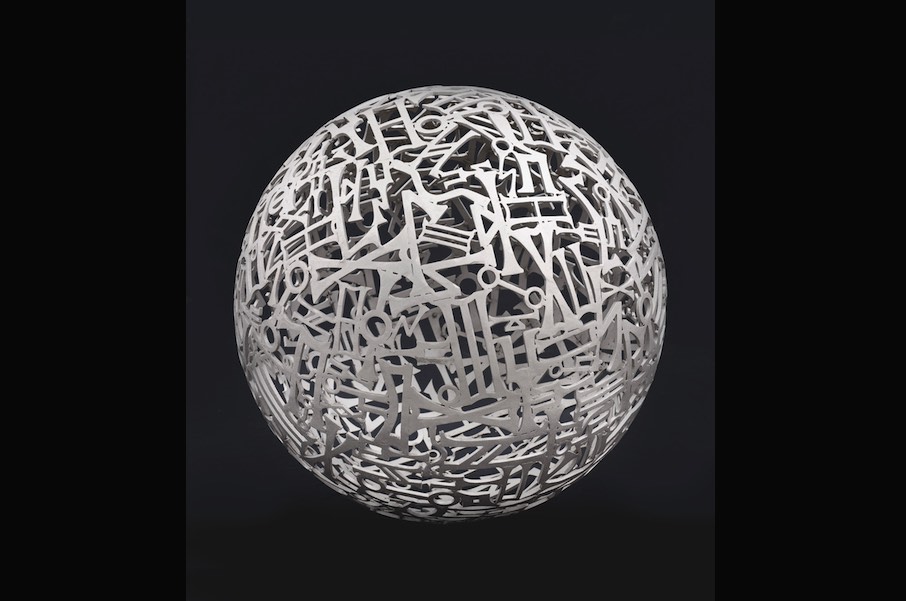
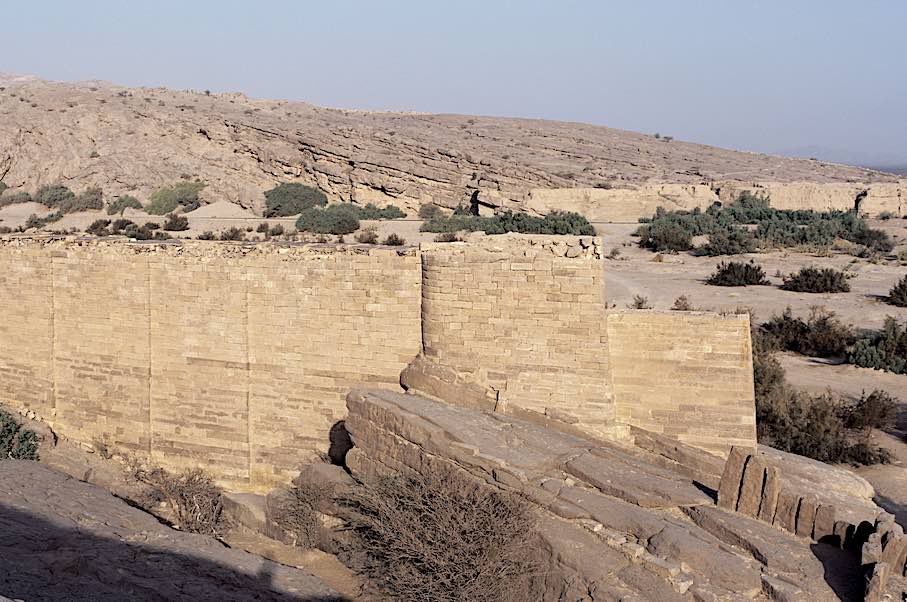
The exhibition also highlights the urgent need to preserve cultural heritage, which is currently under serious threat from the conflict in Yemen. It celebrates the richness of South Arabian civilization, particularly that of the Kingdom of Saba.
Musées de Marseille (French)