 Stone-Ideas.com


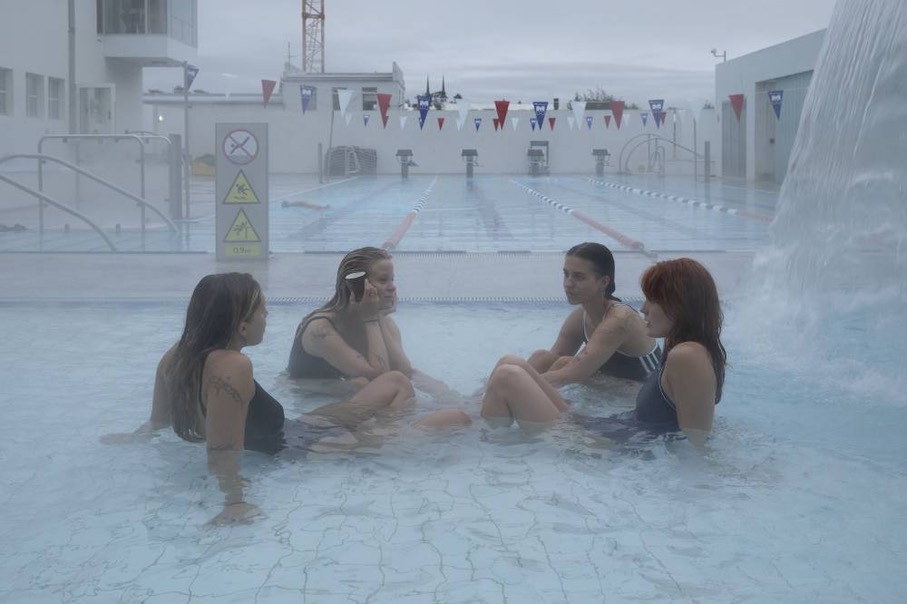
It is essentially all about wellness, but if that were all, Unesco would not have recognized Iceland’s swimming pool culture as an Intangible Cultural Heritage of Humanity in 2025. Fashionable trends in a country’s everyday life cannot receive this status. On this Arctic island near Greenland, however, bathing and swimming in warm water has been practiced for centuries, connecting not only the land and its people, but also the people with the natural environment, namely geothermal energy and volcanism.
Attentive readers already know where we’re going with this and why we’re even reporting on this Icelandic peculiarity: The core of the matter lies in the earth and its rocks, namely the fact that a rift runs through the Atlantic Ocean from north to south across the seabed. Lava constantly erupts from the Earth’s interior along this rift, and volcanoes and earthquakes are a frequent occurrence.
Such fault zones, in varying forms, also exist in other oceans and on continents.
The rift we are talking about, called the Transatlantic Ridge, surfaces near Iceland and essentially divides the island in two – with the North American tectonic plate on one side and the Eurasian plate on the other. The island boasts an abundance of volcanoes, geysers, and hot springs – and, as elsewhere on our planet, the people have adapted to the situation and found enjoyment in it.
The Icelandic swimming pool culture seems to permeate the daily lives of its citizens, if we are to believe the videos at the bottom of this webpage. Someone reports that they swim a few laps in the morning, then go to the sauna, and finally spend some time in the hot tub. There, they meet up with colleagues they’ll later see again in the office.
What seems to be particularly important in the hot tub is the relaxed atmosphere, or, to use a modern term, networking. Watching the videos occasionally evokes the image of a forest pond in midsummer in Central Europe, where frogs sometimes gather on the bank and let out the occasional croak.
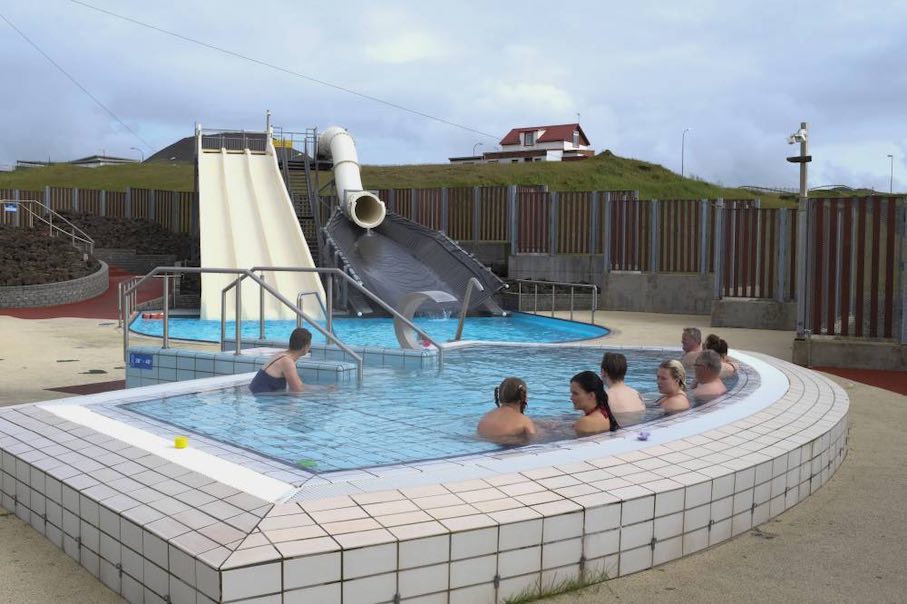
One website even classifies the swimming pools as “debating parlours,“ a claim refuted elsewhere: one of the basic rules for conversations in the water is to avoid politics as a topic.
And, regarding the seriousness of such exchanges of ideas: “You can solve all your problems in the pool, but these solutions only last a day – then you have to get back in the pool,” someone says with a grin.
So, serenity seems to be an important part of swimming pool culture. Perhaps this stems from the fact that water supports people when they entrust themselves to it, and as we all know, a pleasant warmth around the body is also comfortable. One could say, then, that with their swimming pool culture, Icelanders have brought the temperature, humidity, and comfort of the tropics into their home.
Mind you, though: We did not read anything about mosquitoes at Icelandic pools.
Learning to swim is an important part of life for children in Iceland, and there seem to be rules at the pools that everyone follows.
While watching the videos and reading the many descriptions, we wondered whether the (male) teenagers there also like to splash around, or show off in other ways.
Oh yes, the stones. The earliest evidence of Iceland’s swimming pool culture is considered to be the Snorralaug, which were carved into the lava rock or built from lava stones around the year 1000 AD.
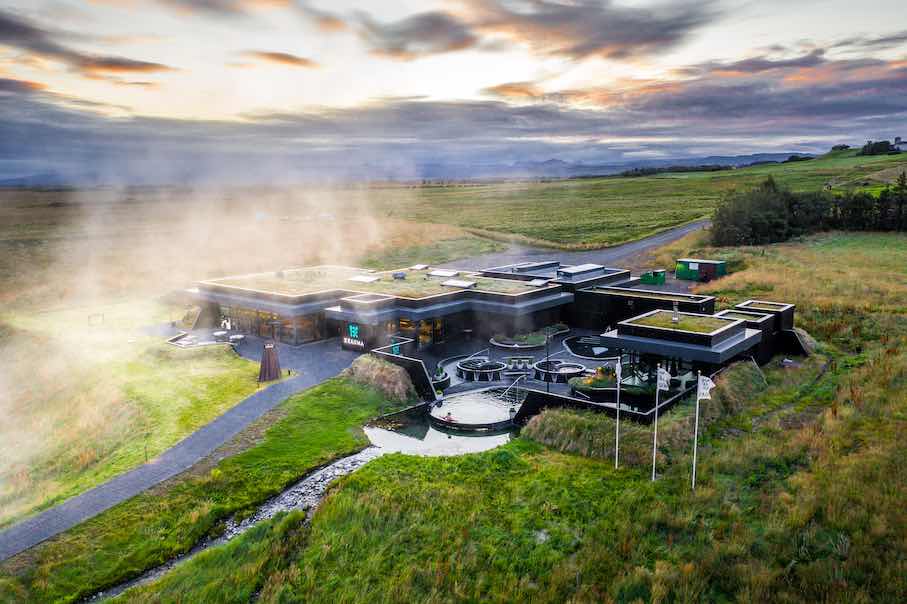
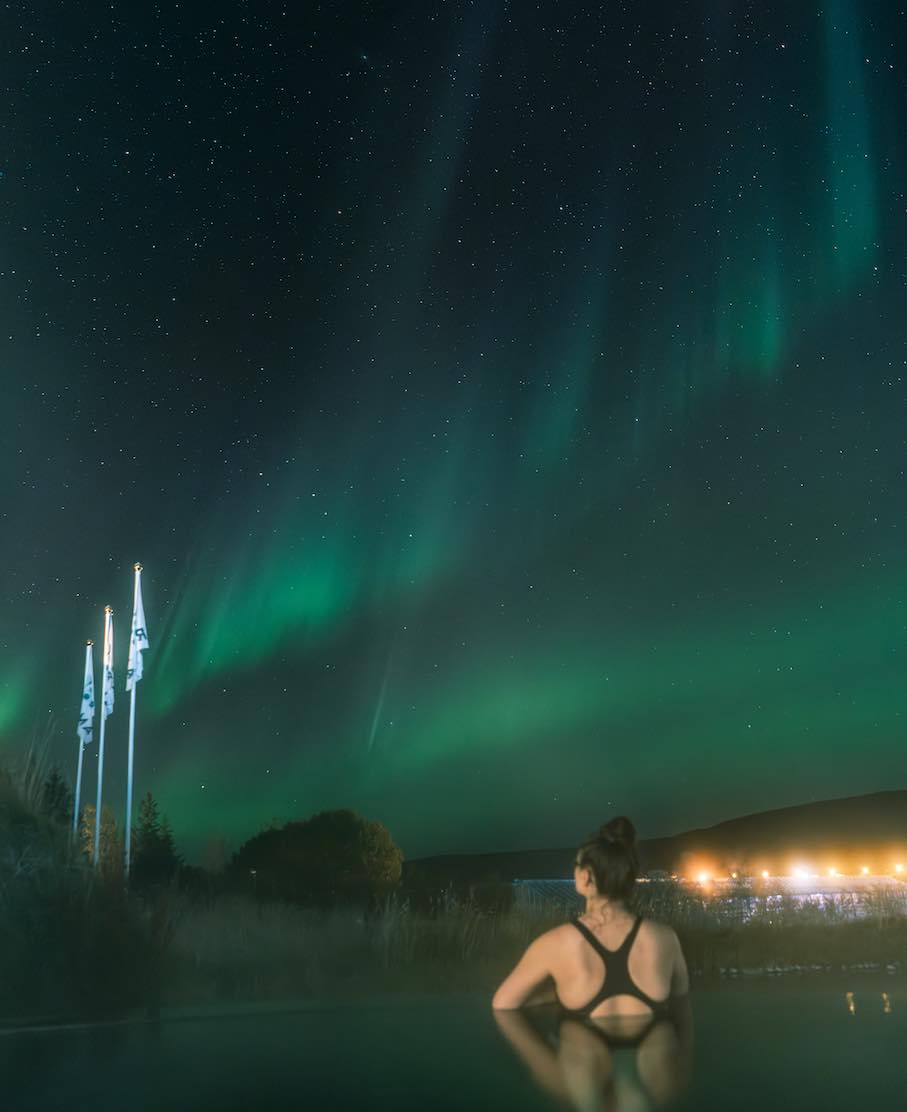
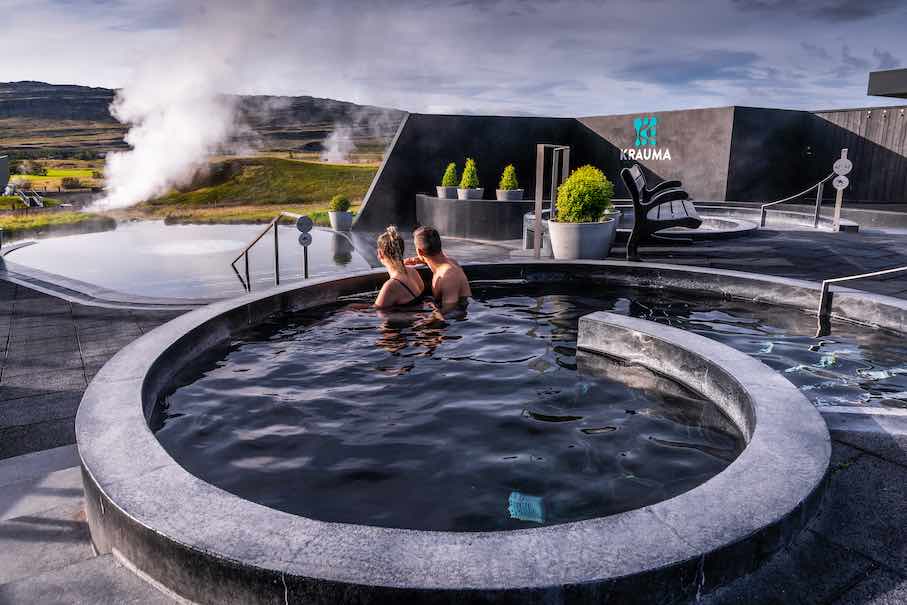
Today, some luxury hotels feature elaborate landscapes made of this volcanic rock, giving tourists a sense of freedom and adventure not far from the Arctic Circle. We show some photos of the Krauma complex, located 97 km from the capital Reykjavík.
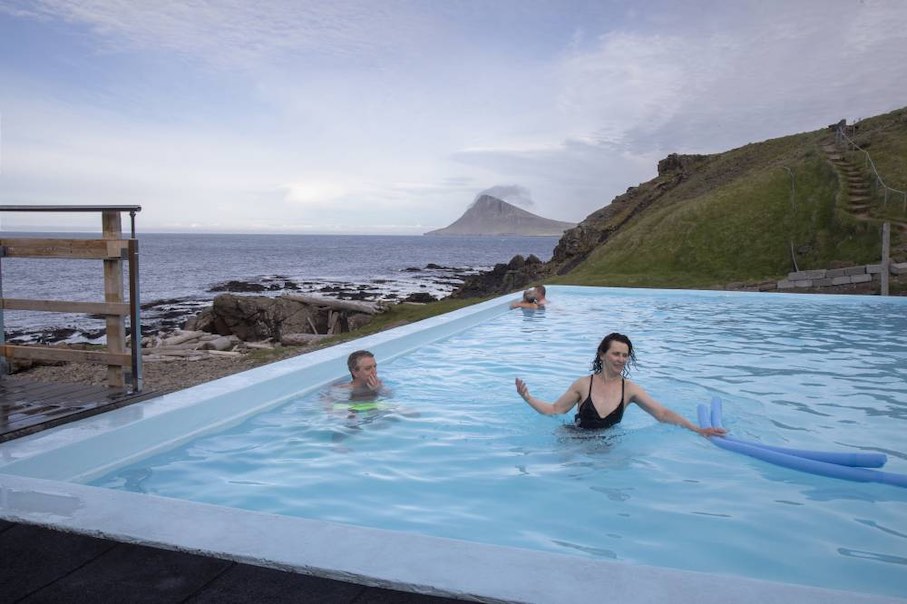
Among Icelanders themselves, hot pots right on the ocean shore seem to be particularly popular at the moment: One first takes a dip in the ocean, whose water temperature is often in the single digits, and then spends the rest of the time relaxing in the freestanding hot pot.
Your head stays above water, of course.