Stone-Ideas.com


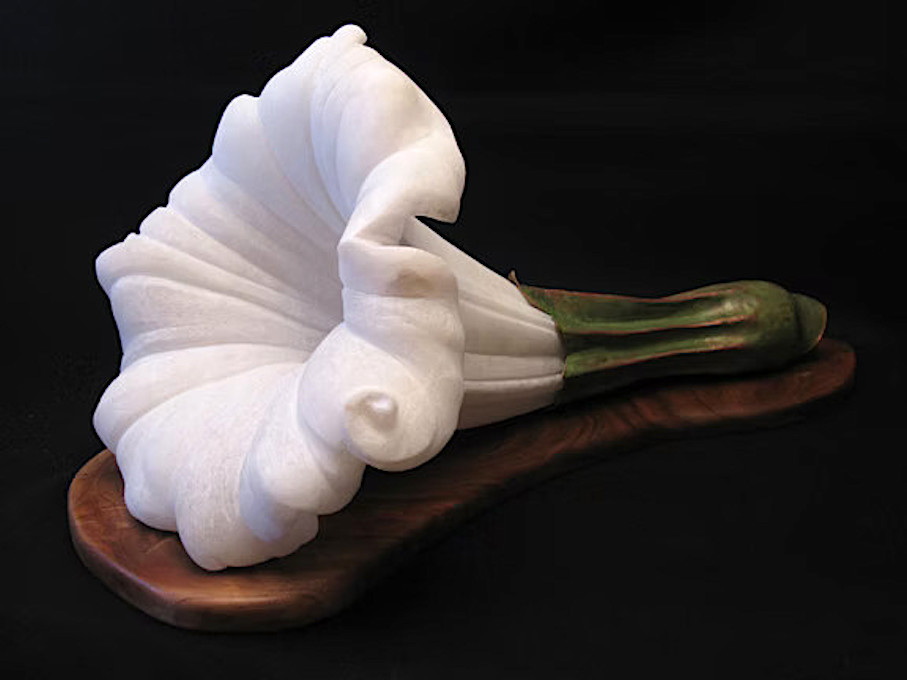
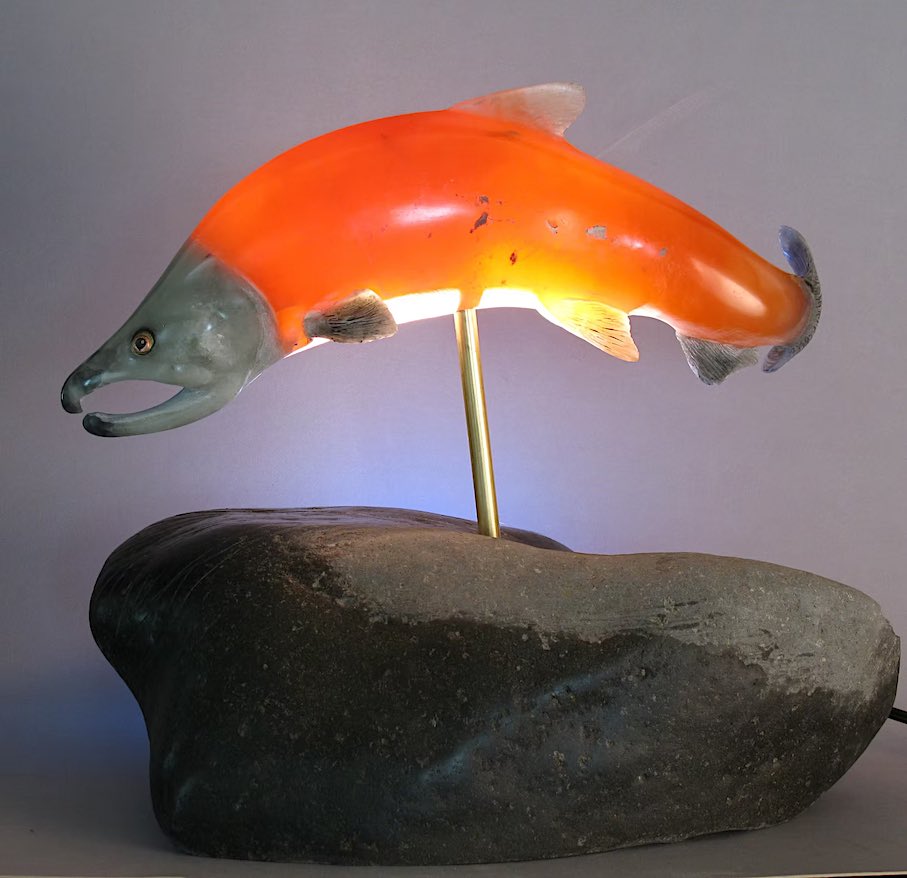
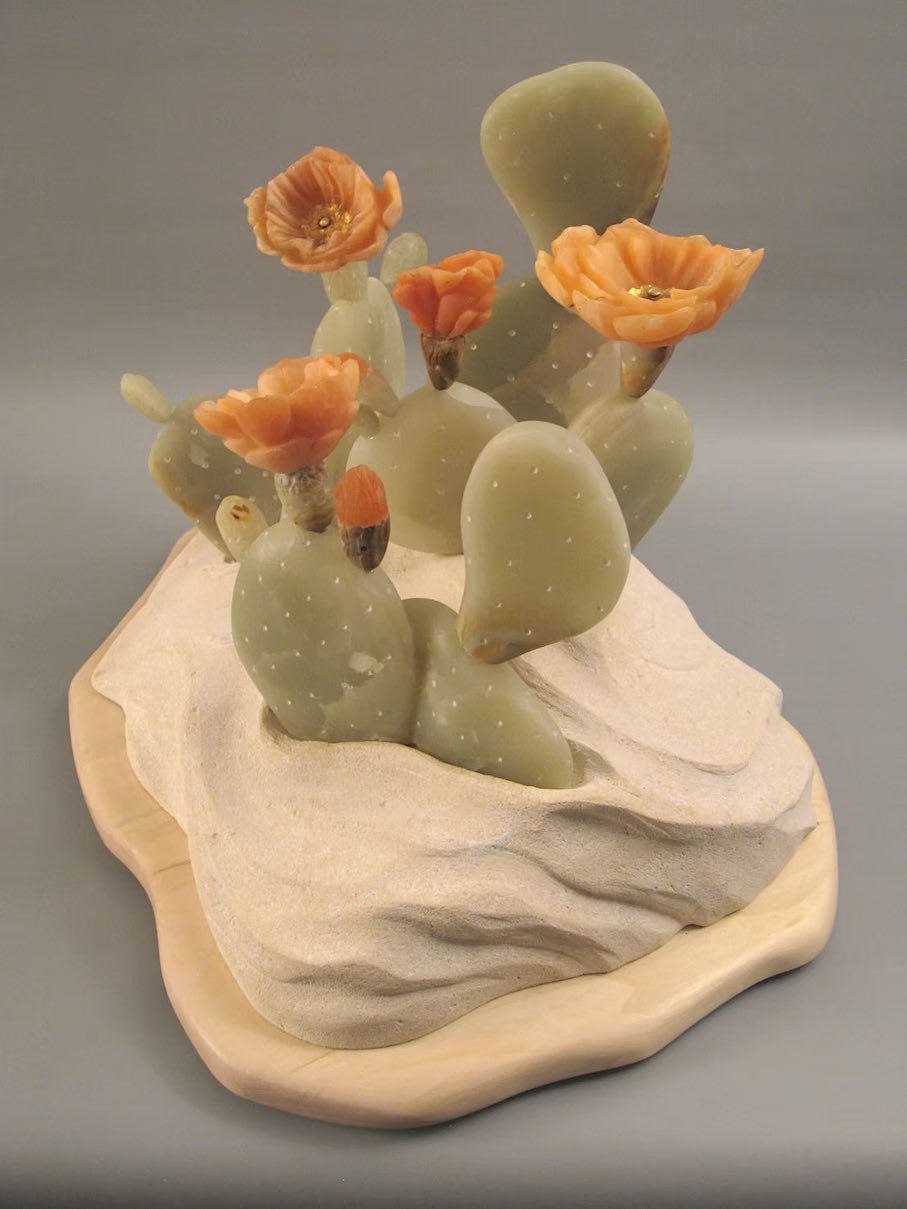
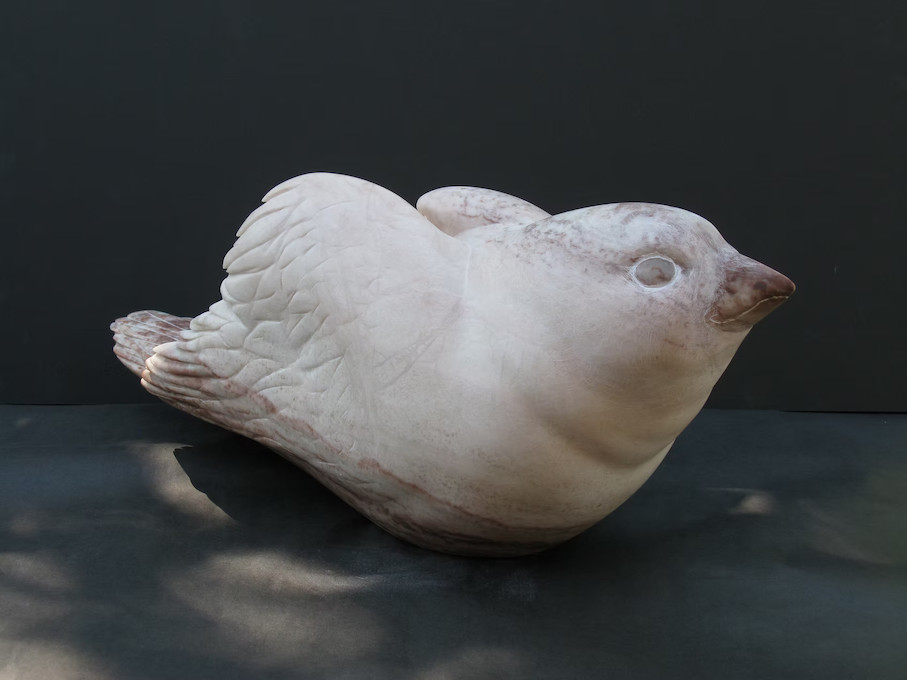
Anyone who loves flowers will find great joy in Kathryn Vinson’s sculptures: rendered in stone, these wonders of nature don’t disintegrate after a short time, as happens with any flower in a vase or in a meadow, but are durable, practically forever.
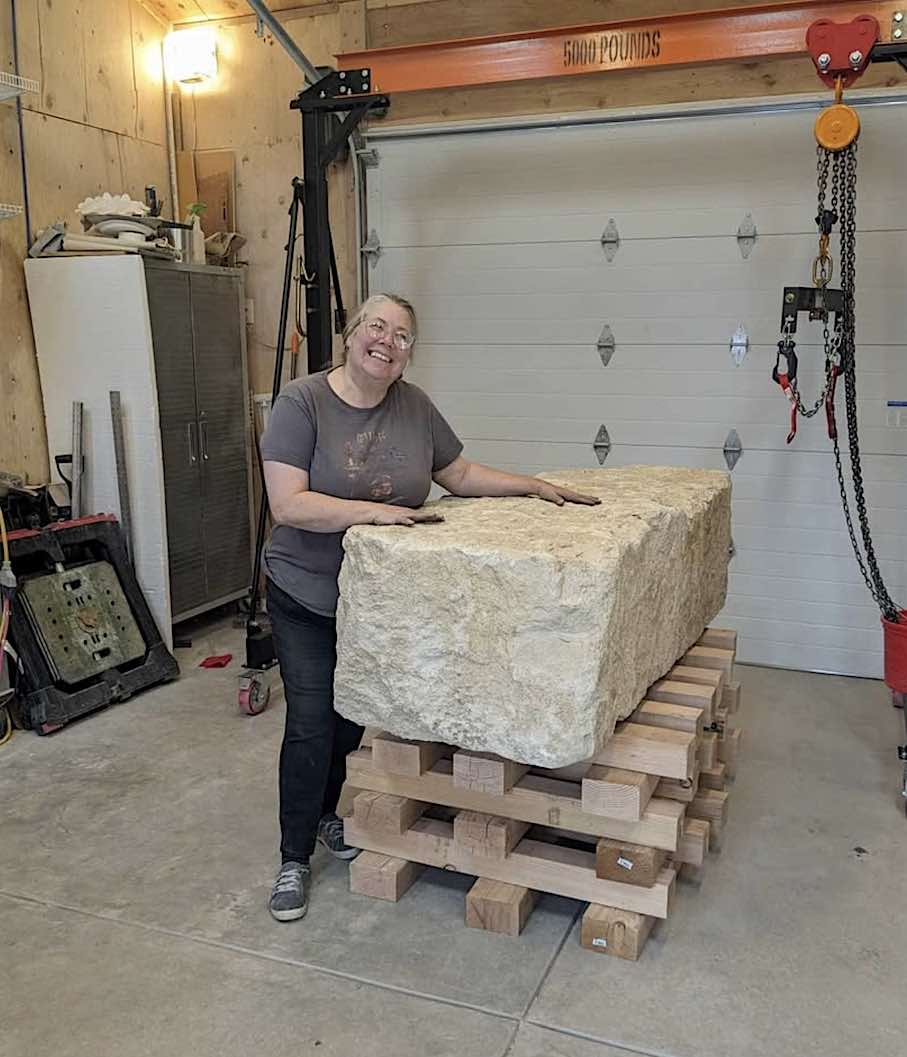
Kathryn Vinson grew up in Colorado, “surrounded by the grandeur of 14,000-foot peaks,” as she writes on her website. She graduated with an art degree from the University of Northern Colorado (UNC). After becoming a mother, she embarked on “her passion for stone sculpture and the beginning of her career as a full-time sculptor” by participating in a sculpture workshop “ignited her passion for stone sculpture and started her journey as a full-time sculptor.”
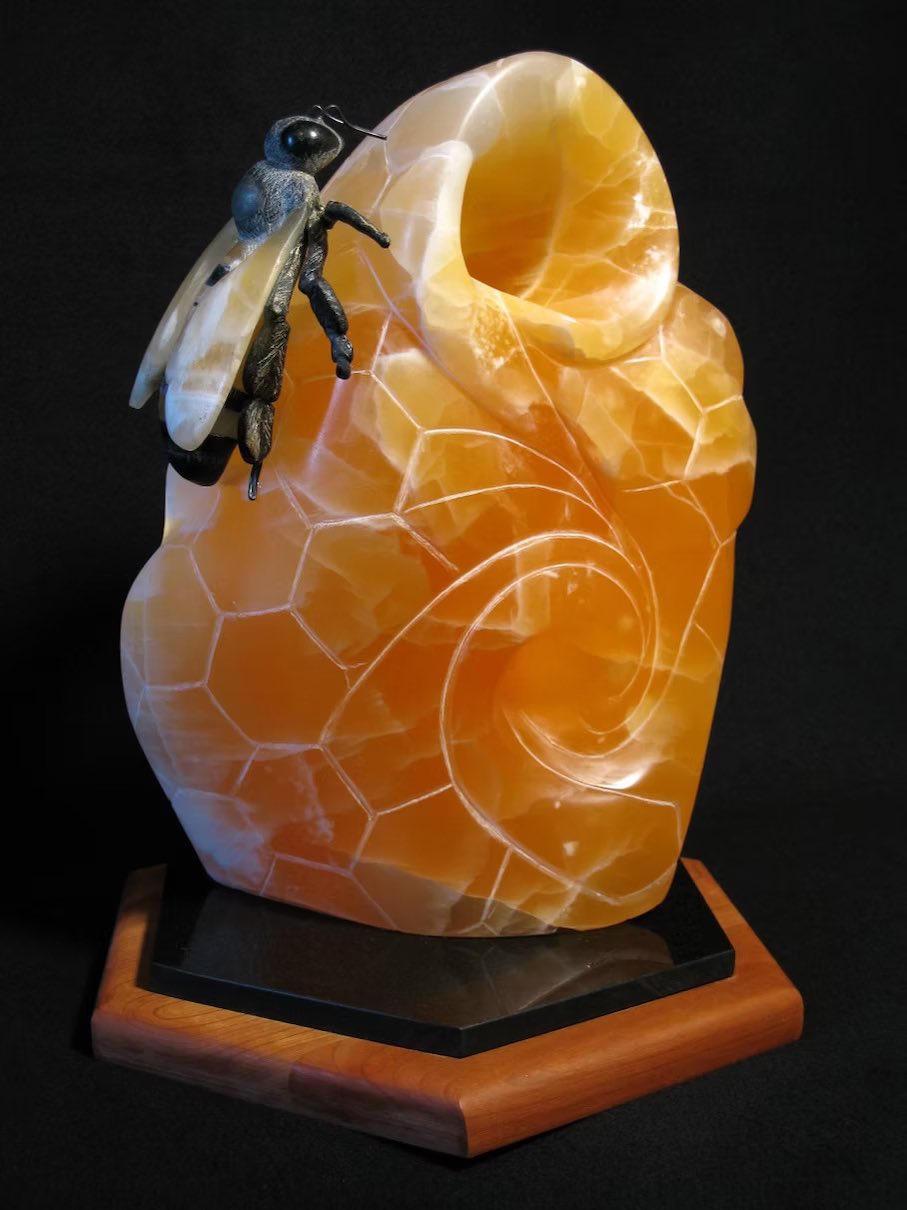
She is fascinated by the history of plants, the stories surrounding them, and how we humans interact with our environment.
For her work, she uses “She uses a combination of power and hand tools to remove material until the form becomes elegant and true to her vision. This allows the stone itself to have a say in what it is to become. Her works are creations of both the materials themselves and what I see the stone possibly embodying,” as stated on her website.
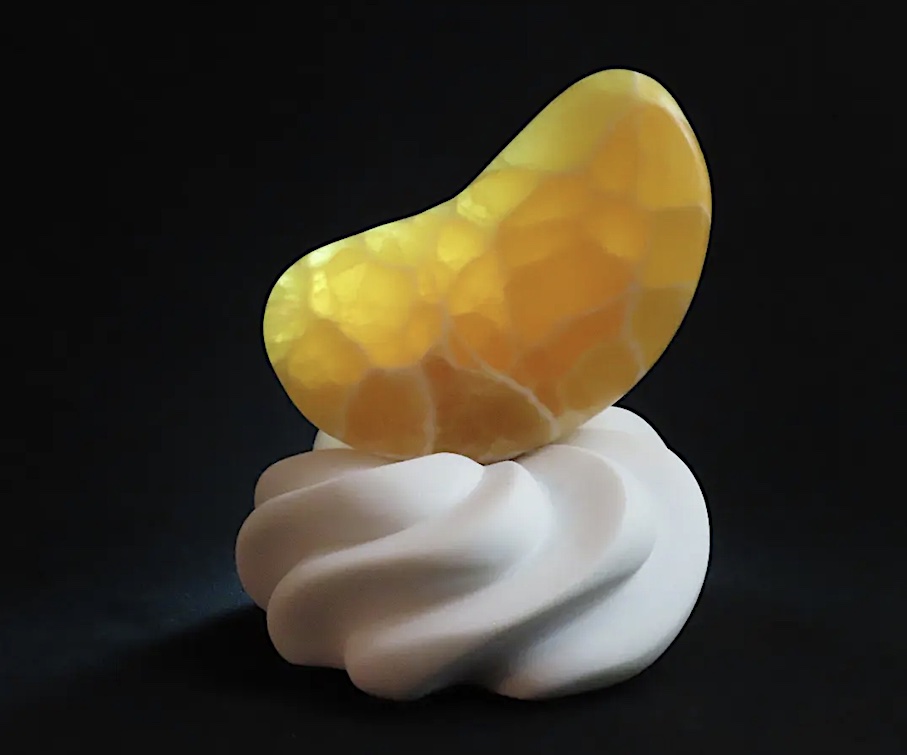
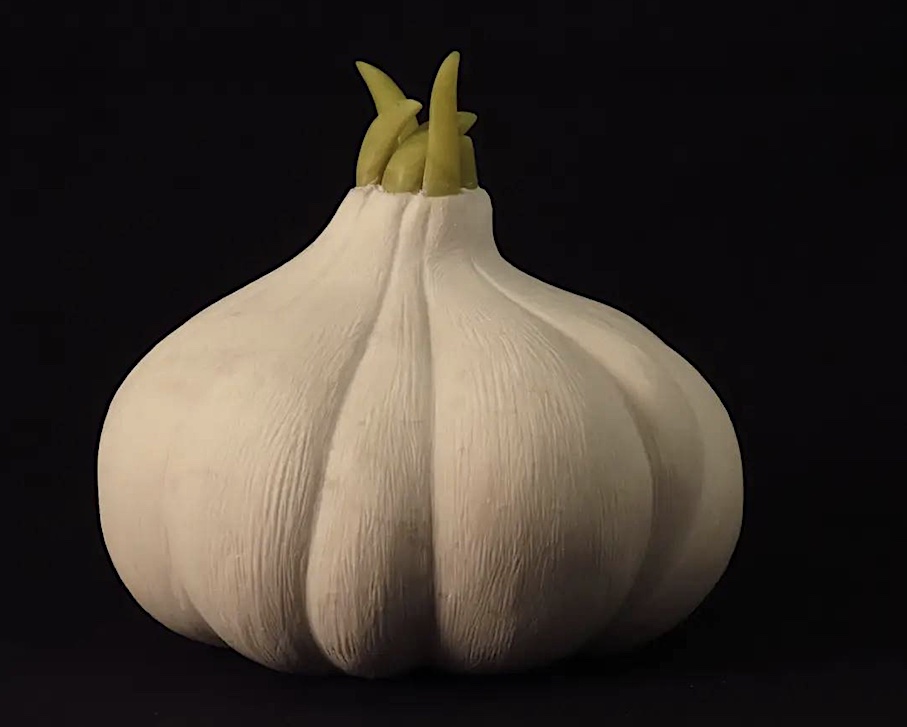
In the past, she has frequently been involved in sculpture courses, sharing her expertise. We asked her to share some insider knowledge with us, and she replied: “When you carve a flower you have an interior space , an exterior space and the edge where they meet. Its good to rough in the basic exterior shape before removing the interior and decide where those meet to create each petal. You don’t have to make all of the petals thin you just have to lead the eye to the edges of the petals by carving the right curves and movements to match whatever flower you are using as a model”.
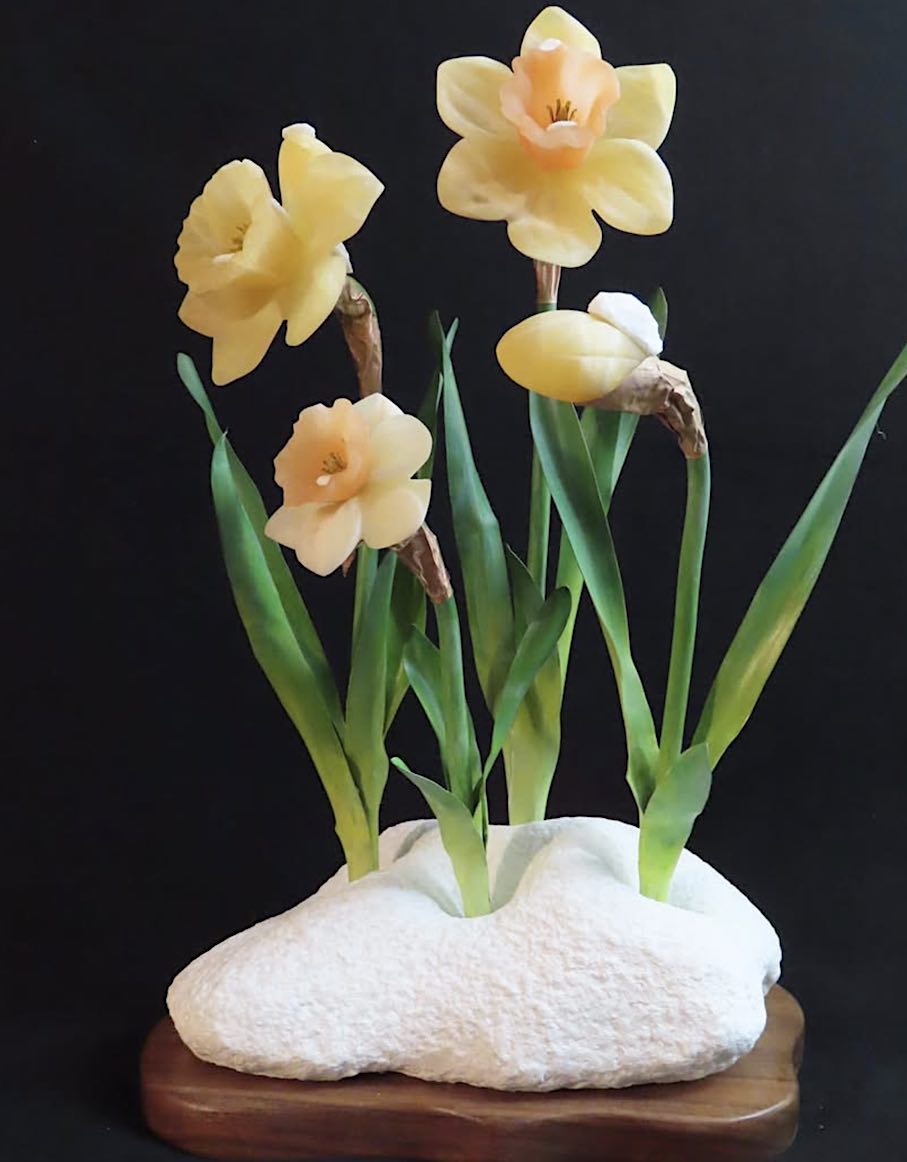
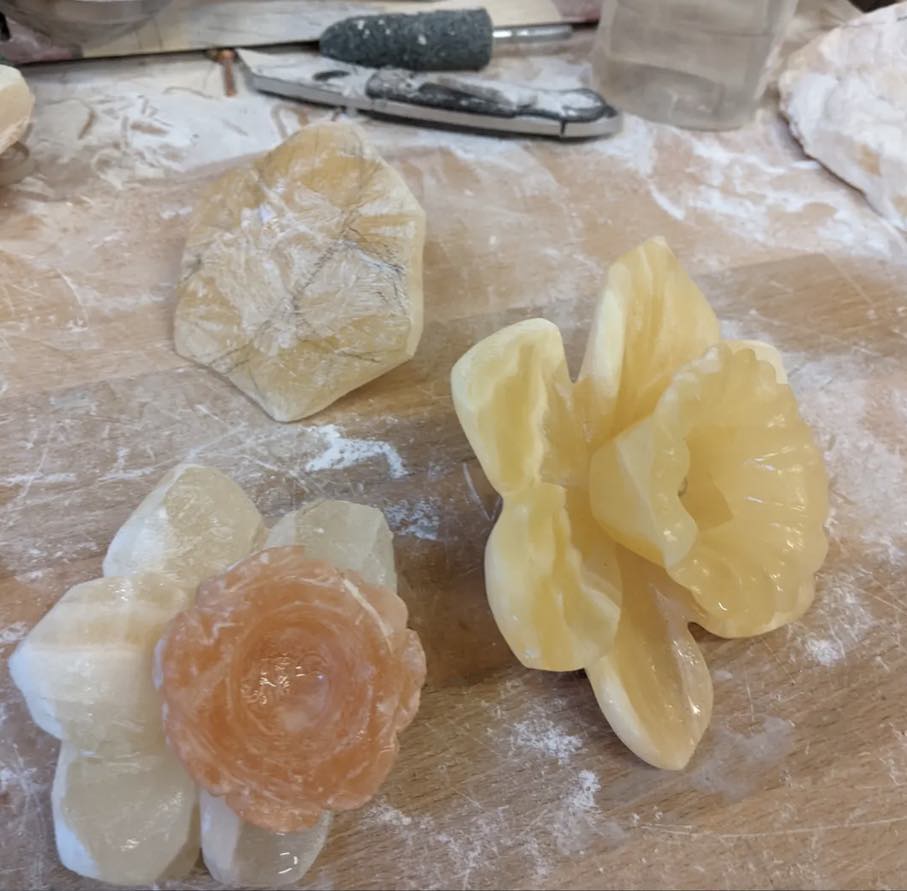
“The other main tip is to match directional lines and creases that are found in the petals that also lead the eye to the edges. And finally to only sand to 220 at the most or it’s too shiny and doesn’t reflect the light back right. It should look soft not hard and polished. I often go back and rough up places that need that texture with a rasp or file.”
“Really the best advice is to closely observe what ever species you are carving so you know the basic geometry of how the parts fit together to make up a flower or seed or root. Once you know how a plant should look then you can see how it will fit in the space your stone has and that is where you are able to make it a unique composition. Let the dimensions and variations in the stone dictate the individuality if your flower.”
She also works with wood or metal. She is based at Stony Ground Studios in Loveland and “finds abundant inspiration in her garden and the wilds of Colorado”.
Photos: Kathryn Vinson
Note: In the book “How Flowers Made Our World”, US biologist David Haskell describes how flowering plants invented cooperation with insects for their struggle for survival.