Stone-Ideas.com


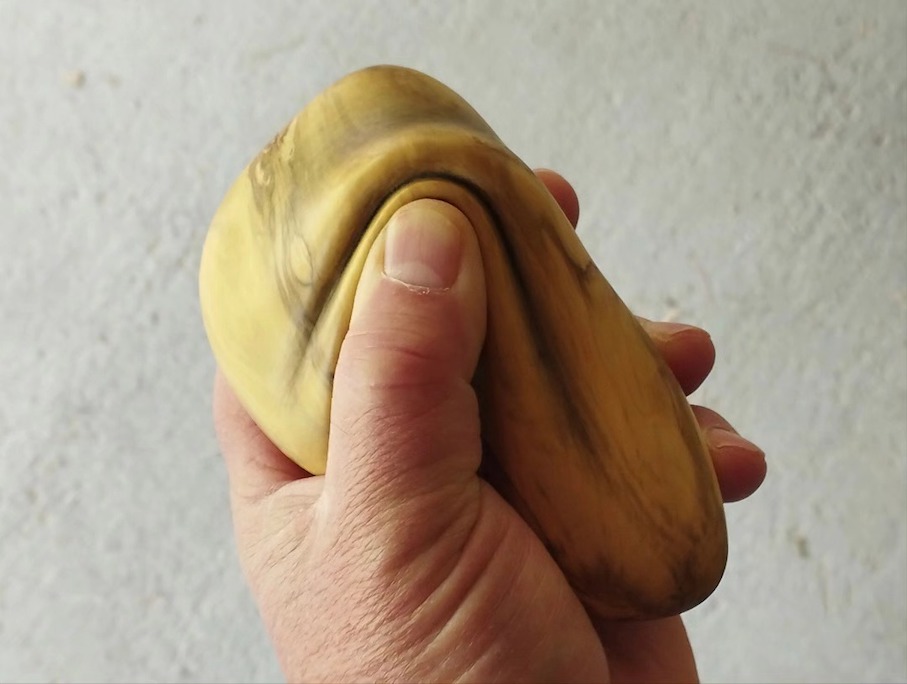
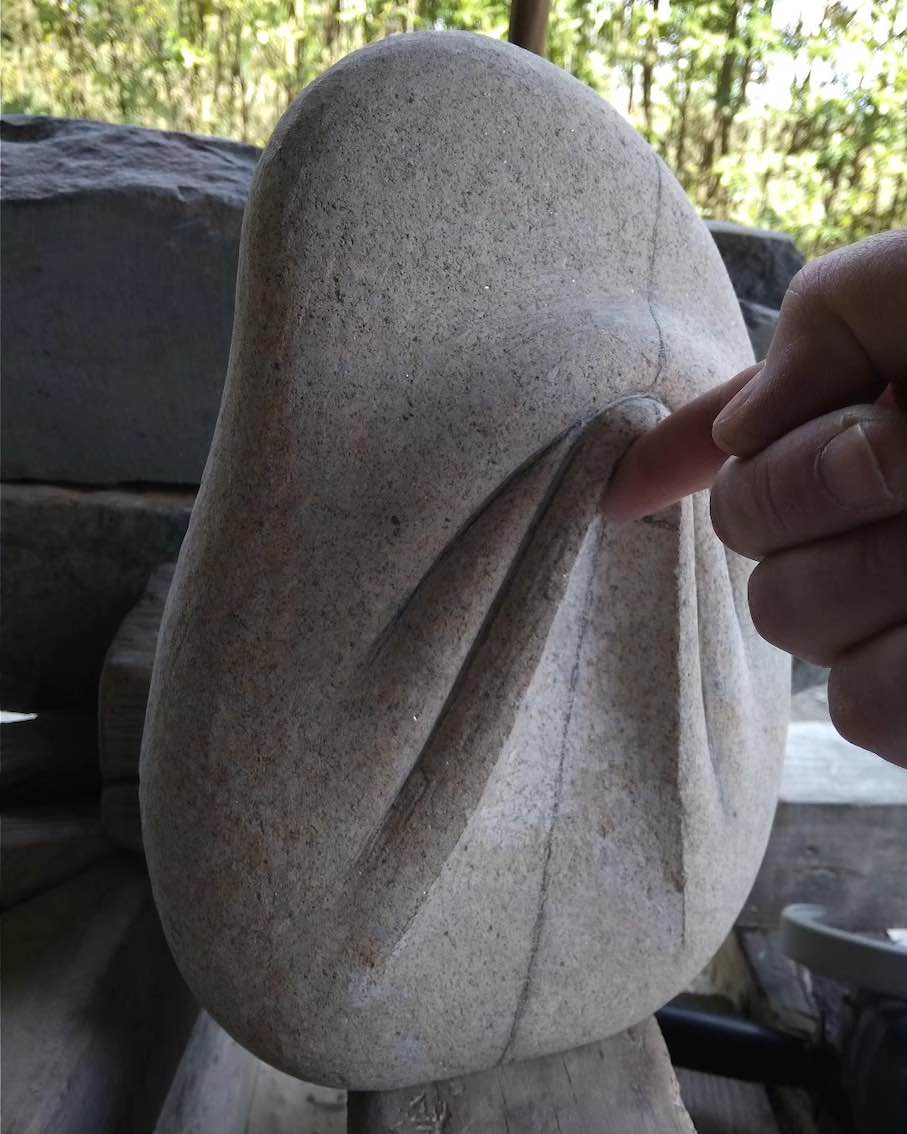
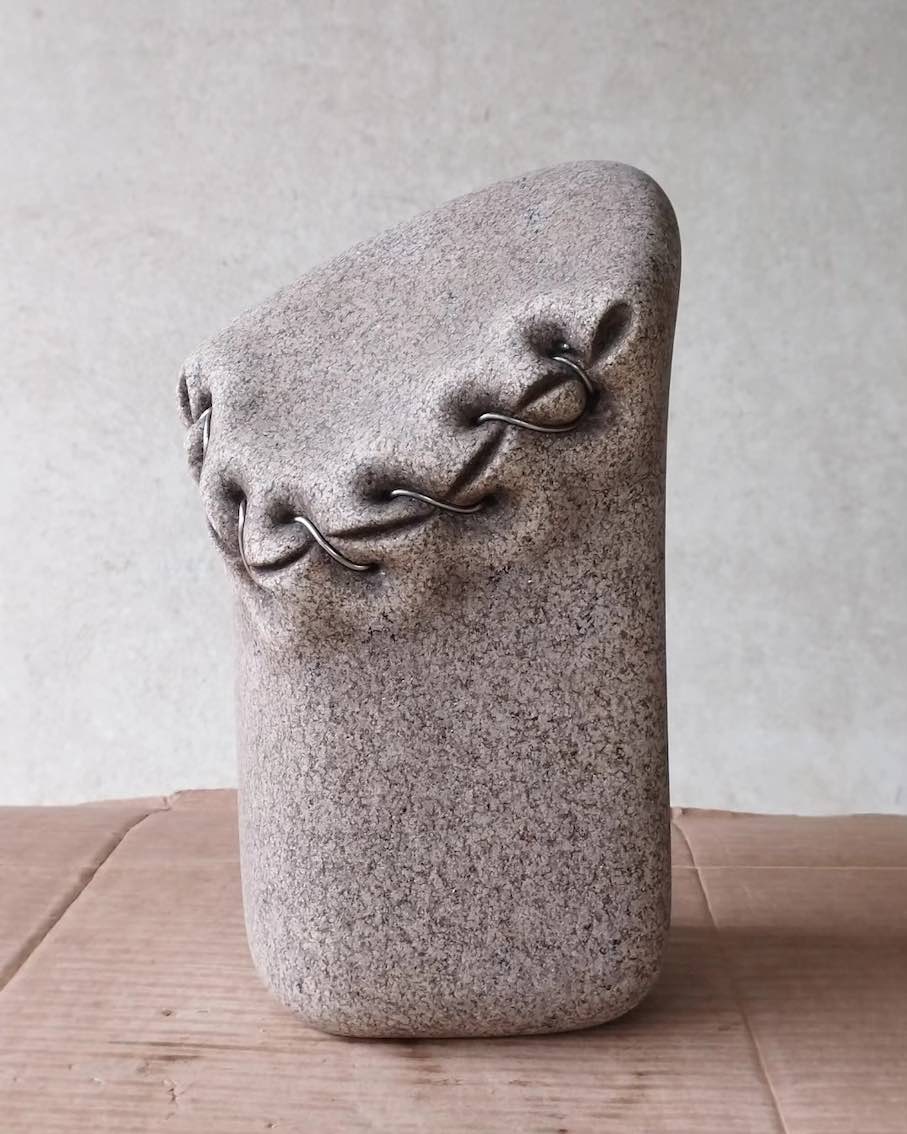
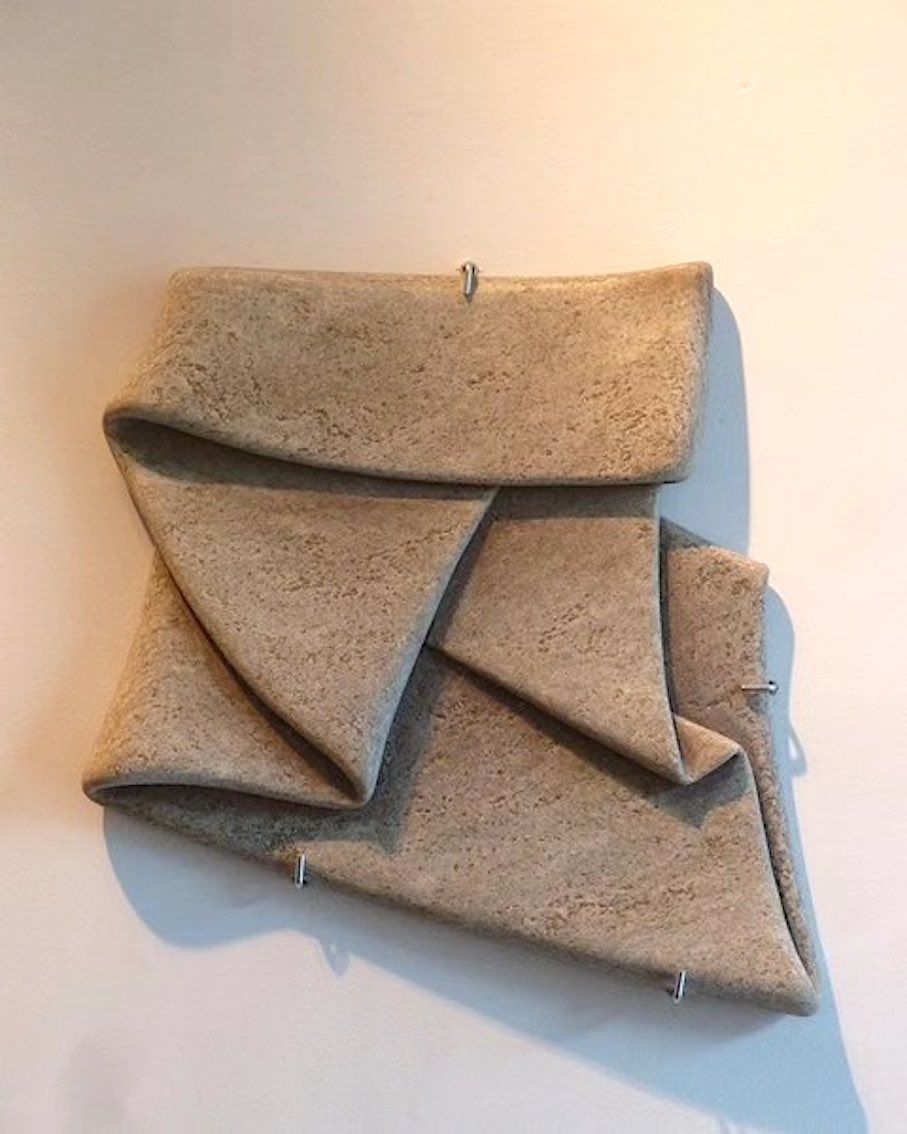
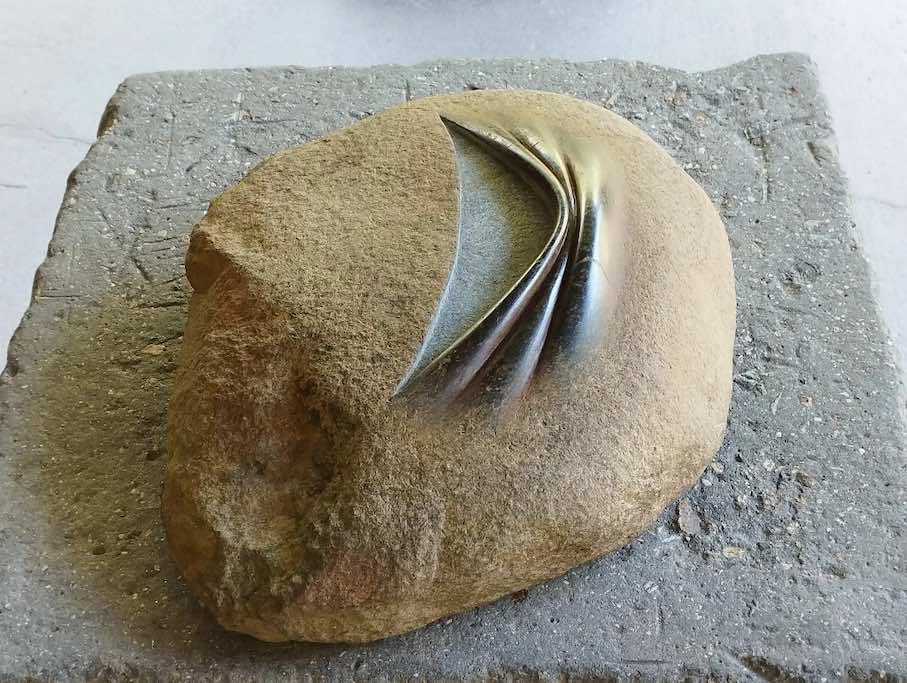
One of the fundamental experiences we have as children is that an object reacts to pressure. For example, a cloth on the kitchen table: when pressure is applied from one side, it curls up and folds. The Spanish artist José Manuel Castro López plays with this fundamental experience of the material, and he does so with a touch of irony, having chosen stone for his sculptural work.
Stone is, after all, something different from cloth, and it cannot actually be folded or squeezed.
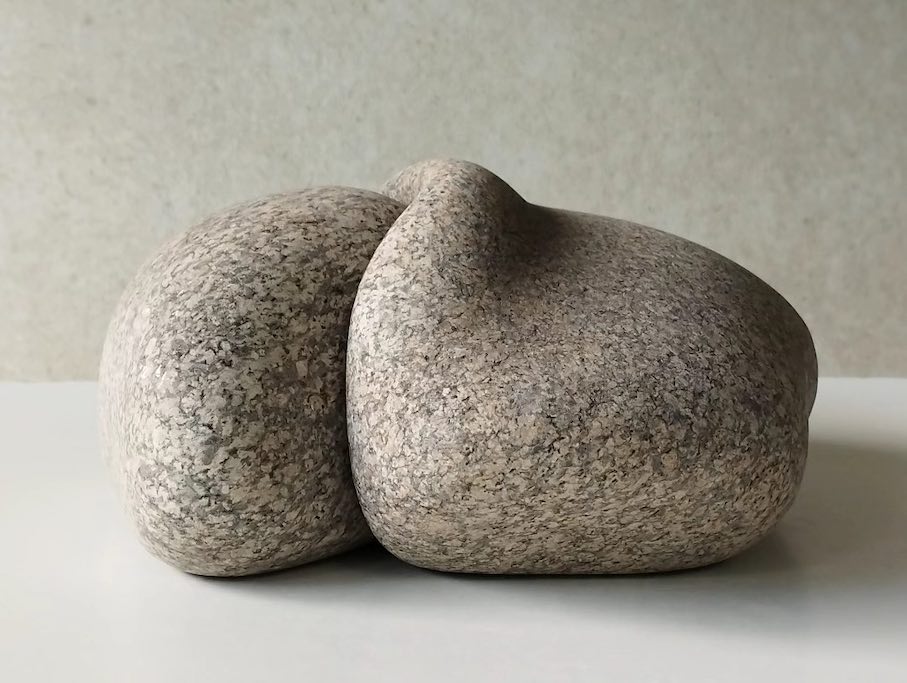
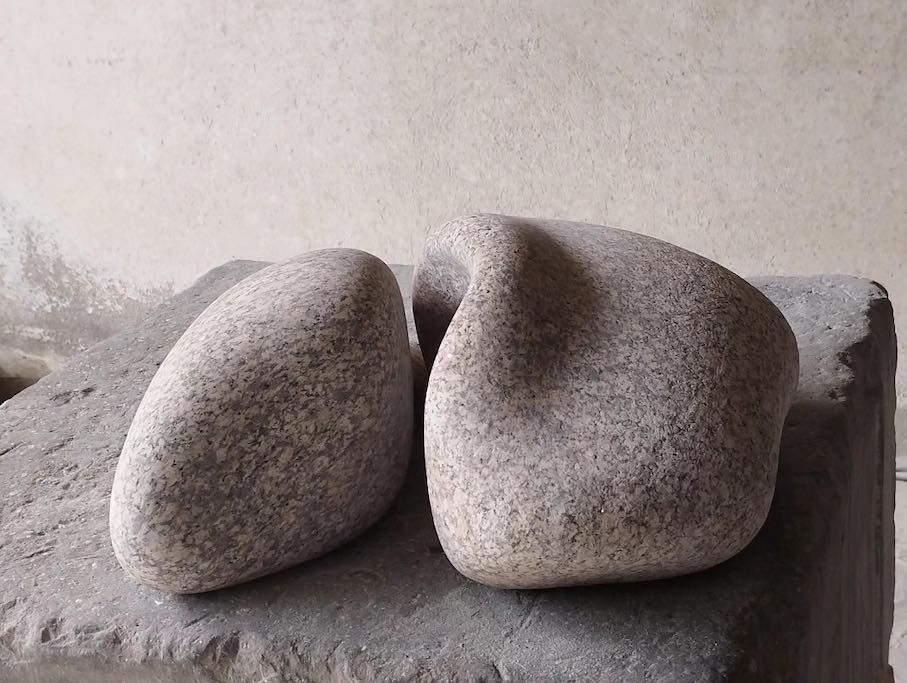
José Manuel comes from A Coruña, the northwesternmost corner of Spain. The area is rocky, and so, as he writes in response to our inquiry, he may have found his playful approach to the material “perhaps while reflecting on the hardness of the stones.“
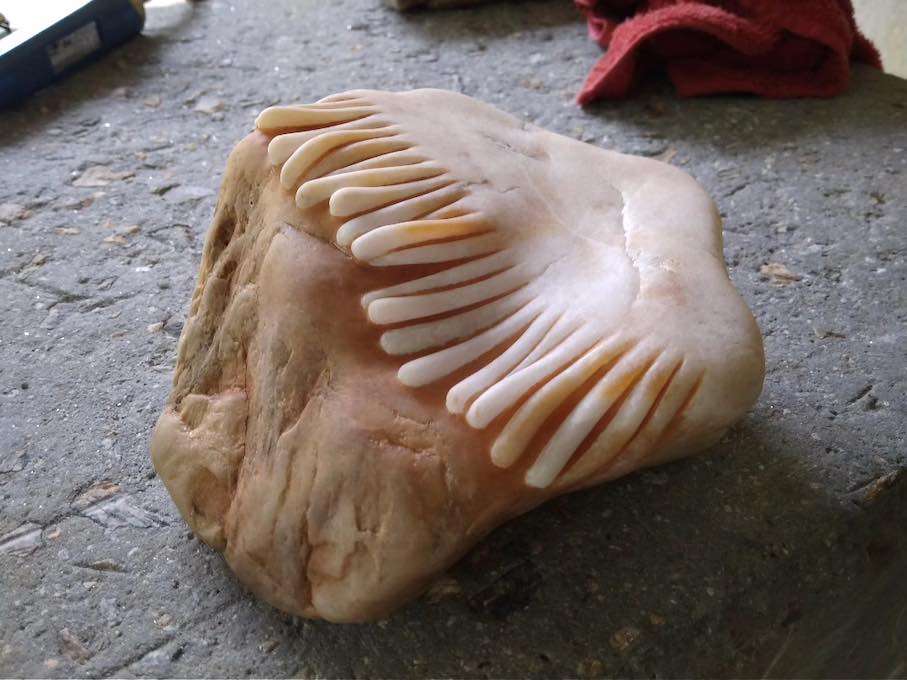
This also includes seemingly peeling the skin off the stone.
In any case, he is certain that he carries the local granites and quartzites in his Galician genes: “I feel connected to stones, especially to those that surround me; they witnessed my birth and raised me.” He has always encountered them everywhere, “in the garden at home, on the way to school, in the surrounding fields, even in the cemeteries, where they preserve the memory of our ancestors.”
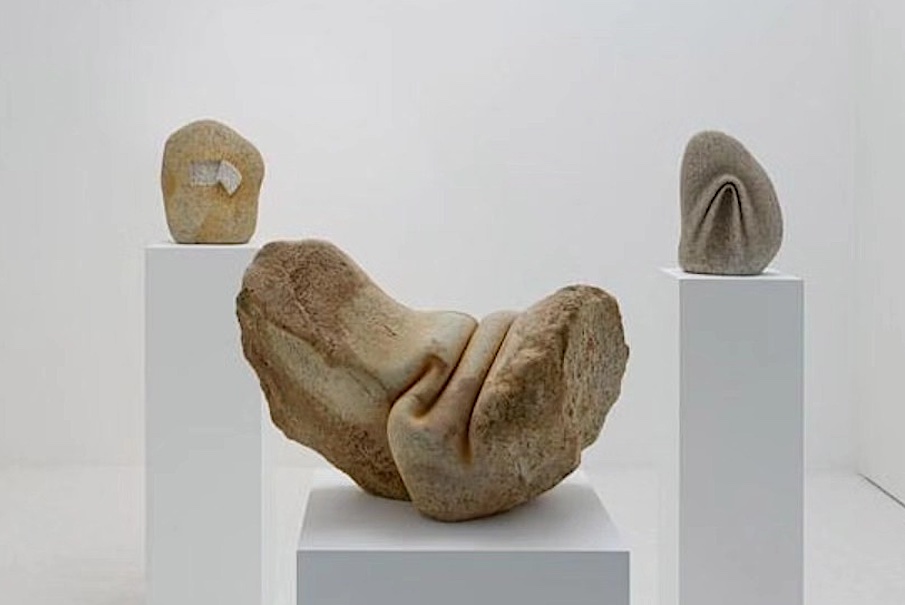
He studied for five years at the Escola de Canteiros in Pontevedra and soon began to depart from conventional modes of representation in his work. “I was aware of the difficulties of an artist’s life, but fortunately, the art world found me,” he muses in his email.
On the website of the Cardogan Gallery, based in London and Milan, he expresses his relationship to his material mystically: “My relationship with the stones is not only physical but also magical. They take shape, they obey me, we understand each other.”
Photos: José Manuel Castro López