 Stone-Ideas.com


Recent discoveries about our planet, its rocks, and other “stone” topics
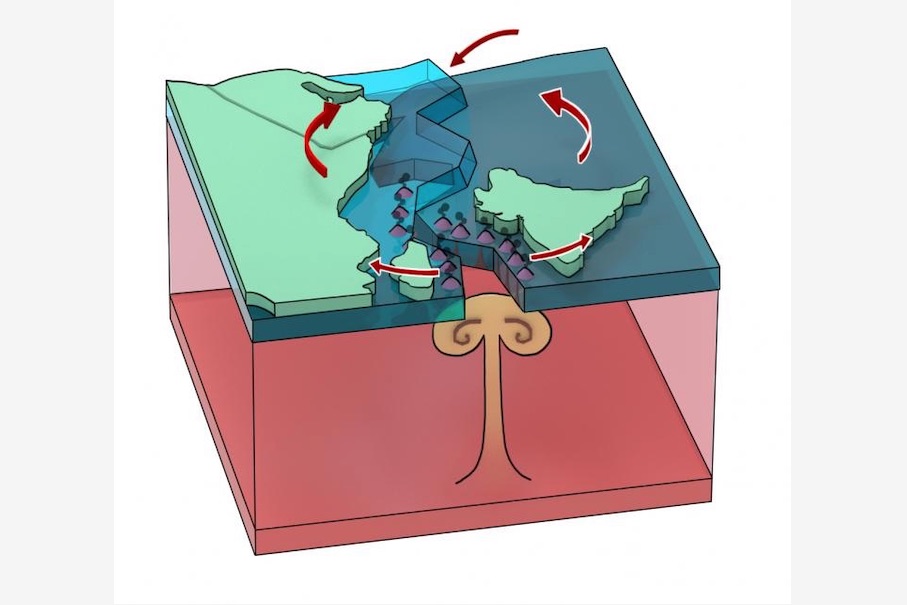
105 million years ago, a supervolcano split the Earth’s crust over a length of 7,500 km, pushing the Indian Plate away from the African Plate. The aftermath can still be felt today in the “pirouettes“ danced by continental plates‘
https://www.gfz-potsdam.de/en/media-and-communication/news/details/article/continental-pirouettes/
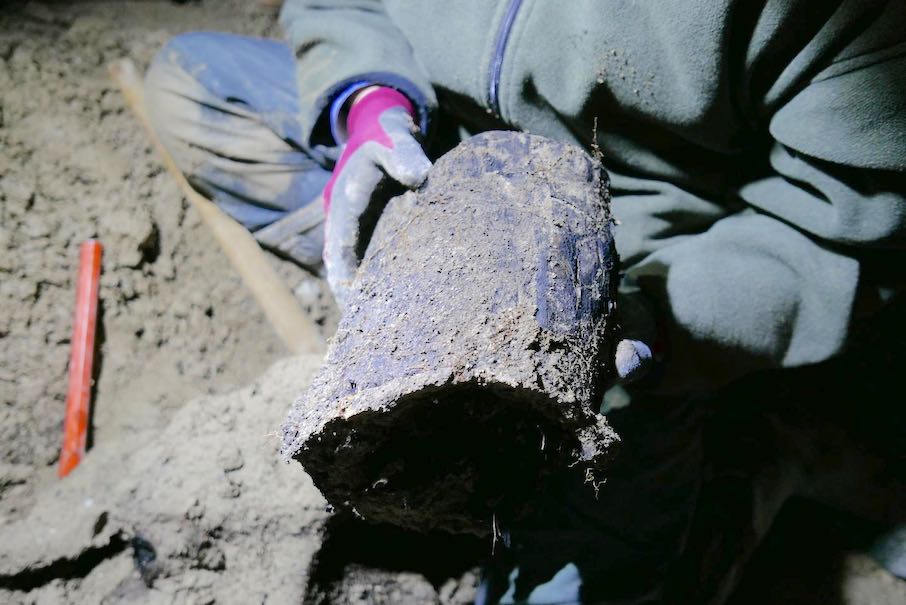 Revised date of the Laacher See eruption 13,077 years ago provides crucial information about historical climate fluctuations at the end of the last Ice Age
https://www.uni-mainz.de/presse/aktuell/13879_ENG_HTML.php
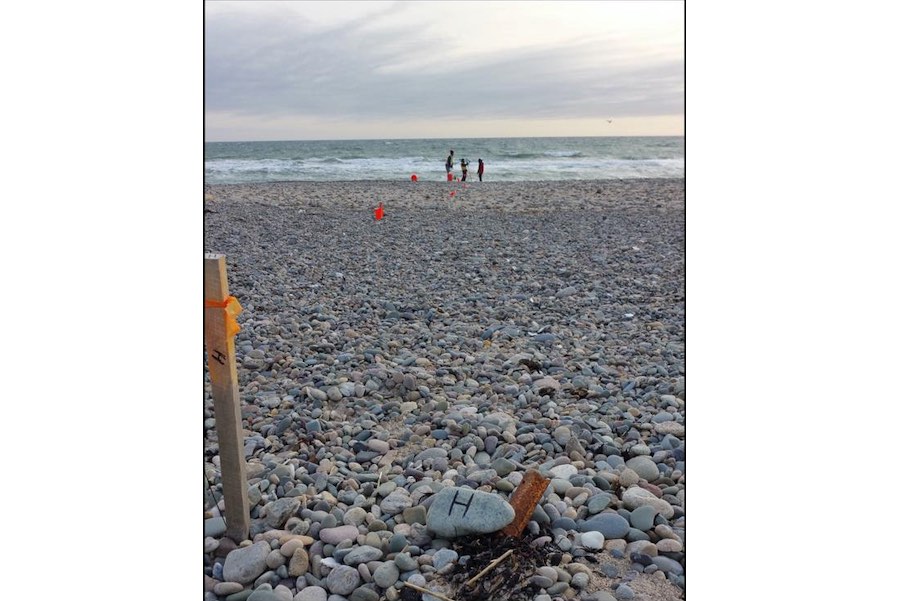 New findings on how the grain size of beach sand relates to the slope of the beach itself are critical to understanding how New England’s beaches will respond to both rising sea levels and increased storm activity
https://www.umass.edu/news/article/new-research-unlocks-mystery-new-englands-beaches
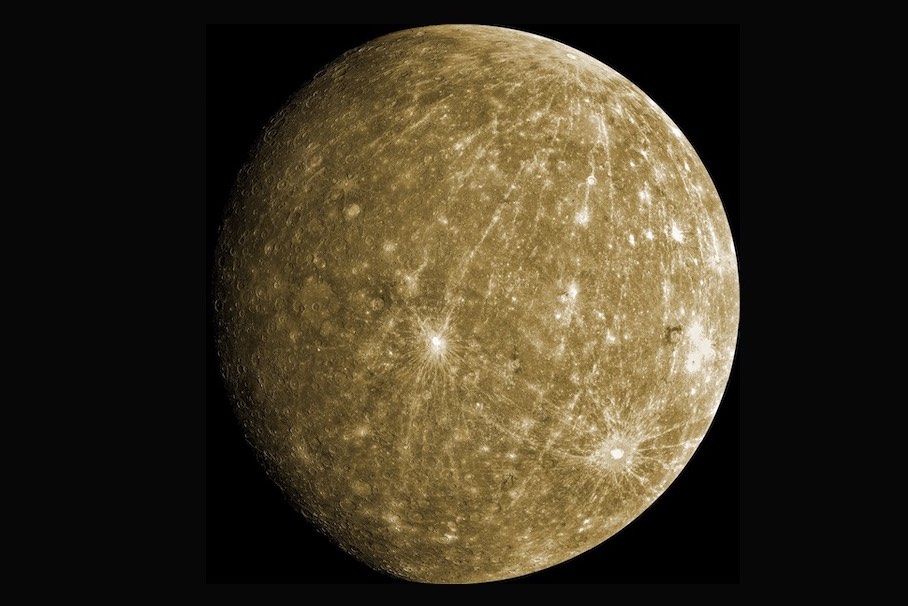 Why Mercury has a big iron core relative to its mantle has been discussed among scientists for decades. New research reveals that collisions with celestial bodies are not to blame – the sun’s magnetism is
https://www.tohoku.ac.jp/en/press/why_does_mercury_have_big_iron_core.html
See also:
(13.07.2021, USA: 07.13.2021)