Stone-Ideas.com


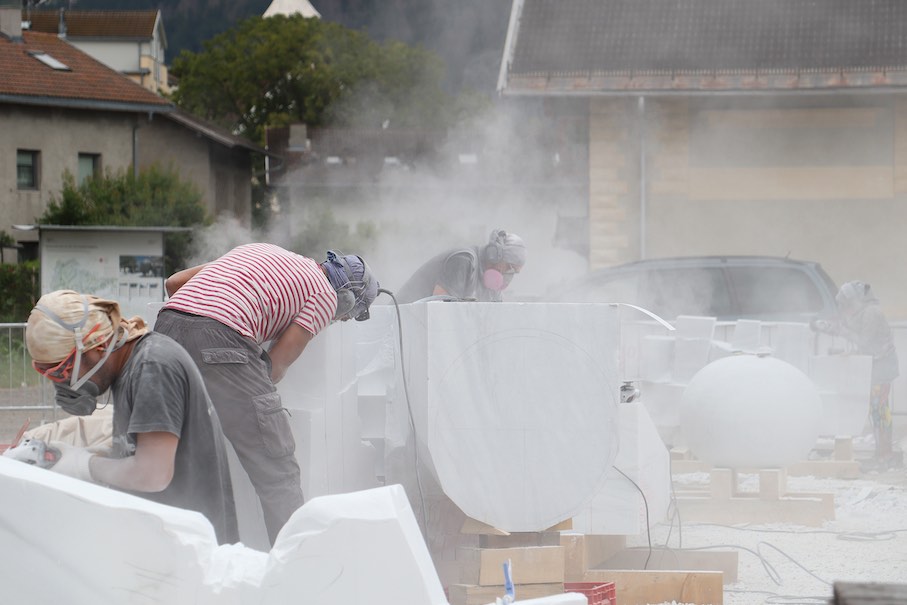
The art event brought together not only stone sculptors, but also artists for the ephemeral sides of stone
The start was promising, and it will be interesting to see whether the “Vinschgau Kristallin“ sculpture symposium in South Tyrol will actually see a second edition in two years. Because the goals were set high for the first round from July 13 to August 04, 2024: “Previous disputes in connection with marble mining in Laas and Göflan (should) be finally overcome and the way for a common future paved,“ wrote the local newspaper Der Vinschger in a report on the summer event in the mountains not far from Merano. There had already been sculpture symposiums there before.
The organizers chose art as a current means of achieving greater cooperation in the surroundings of the famous pure white and radiant marble, which is mined at an altitude of over 2000 m within the mountains. Therefore, six international sculptors were invited to carve their works from raw blocks provided at the Laas train station during the three weeks.
We present the artists in the captions of the photos below.
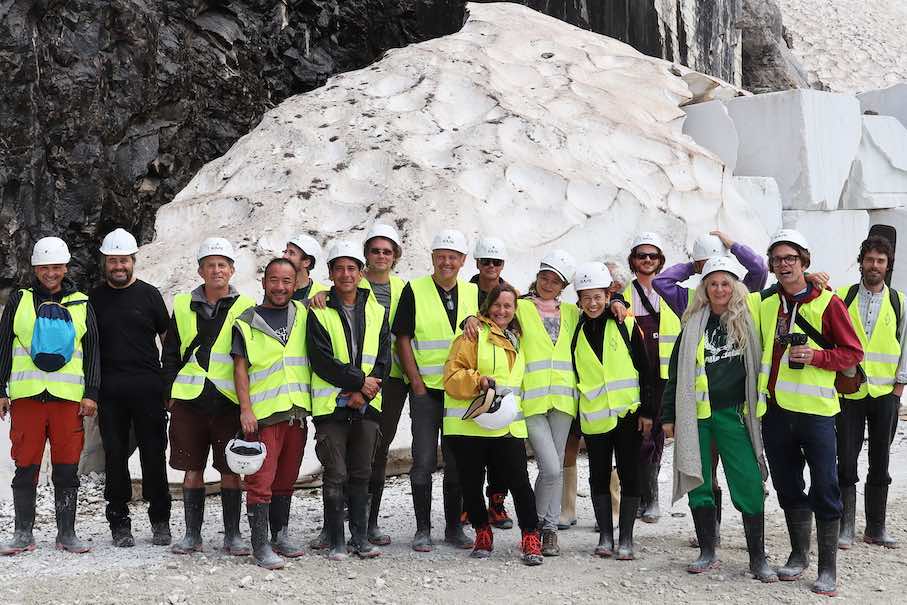
Another special feature: In addition to their work on the solid material, two artist duos were invited to deal with ephemeral aspects of marble:
* Martin Böttcher & Corinna Zürcher (Frankfurt, Germany) created a video and light projection that focuses on the formation of the stone around 400 million years ago, its use in art over the centuries and in the Vinschgau symposium;
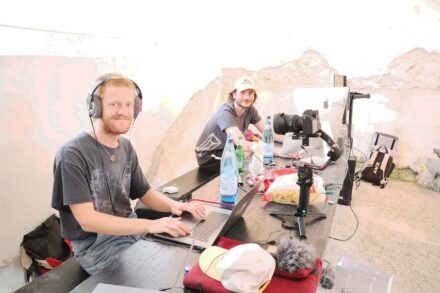
* the second artist duo were the specialists for sound and video Johannes Kroeker & Elias Nunner (Regensburg, Germany): They were out and about during the symposium with a microphone and camera and created a collage of sounds and images of marble extraction in the mountain and the work of the sculptors.
The organizers called these artist couples “Skaters.“ We have linked to the light projection below; a second report will highlight the sound sculpture.
The unusual concept was thought up by the curators Mary Zischg+Ernst-Ludwig Kolt, and Tobel. Each of them has a double connection to the place and the topic of the event: On the one hand they are sculptors themselves, on the other hand they completed training at the technical school for stone processing in Laas.
In order to make the symposium possible, numerous institutions from the Vinschgau came together: First and foremost, of course, the municipalities of Laas and Schlanders, then the quarries Laser Marmor and Göflaner Marmor, and finally the local tourism association plus numerous sponsors from both municipalities, namely the Sparkasse Foundation and the energy service provider Alperia.
A local peculiarity was the involvement of the “Eigenverwaltungen Bürgerlicher Nutzungsrechte“ (roughly: Self-Administration of Civil Rights) from both towns: Since the Middle Ages, they have owned pastures, meadows and fields that are indisputably common property and cannot be converted into private property.
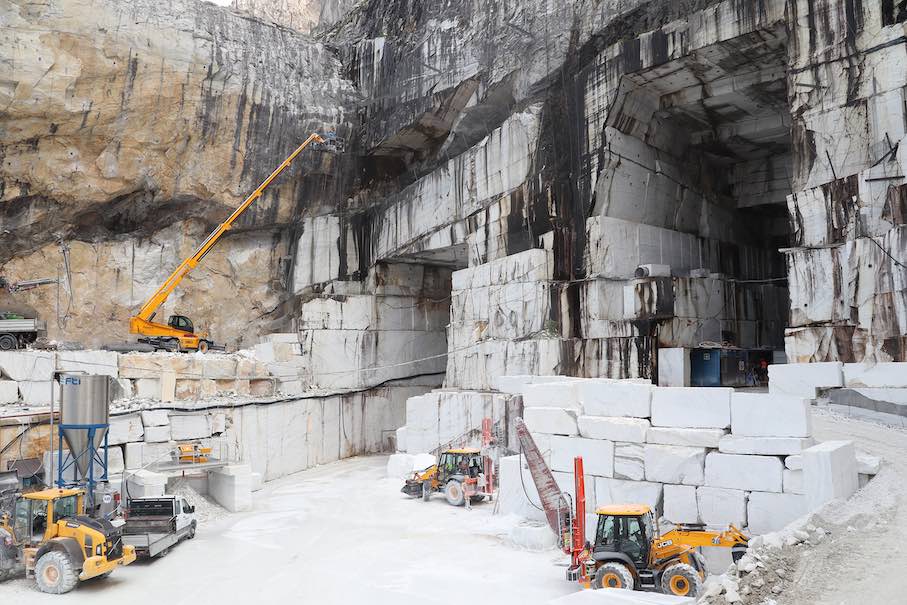
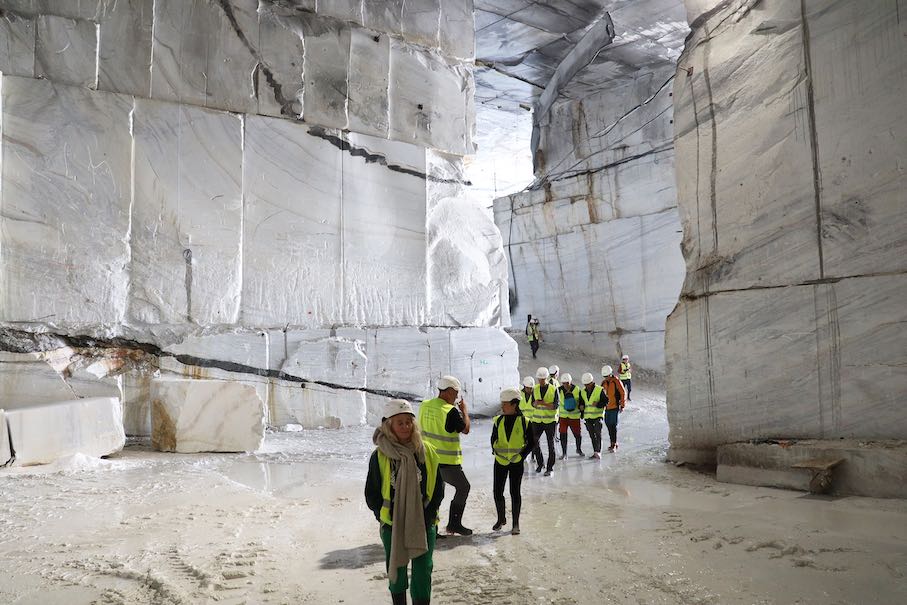
A side note: The name of the marble is spelled “Lasa” in Italian and “Laasa” in German. The upper part of the river Etsch, which Marmomac visitors from all over the world know from Verona, lies in the Vinschgau.
The Laaser or Göflaner marble is not only an important mineral resource in the barren Alpine landscape but has also long been a tourist attraction.
Visits to the underground quarries, i.e. when it is mined high up in the mountain, are possible. From there, the raw blocks are transported to the valley for processing via an adventurous cable car (currently only by truck).
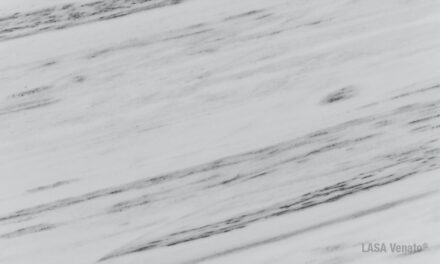
The marble was mined as early as Roman times. Its special appearance was taken up in the symposium entitled “Vinschgau Kristalline”. It is frost-resistant.
By the way: The 2024 symposium culminated in the Marble and Apricot Festival, which is considered the highlight of the tourism year in Vinschgau. Apricots can be used to bake cakes or distill an excellent schnapps, for example.
Fotos: Tobel
Curators: Mary Zischg+Ernst Ludwig Kolt, Tobel
Companies:
Marmo di Covelano (Göflaner Marmor), Lasa Marmo
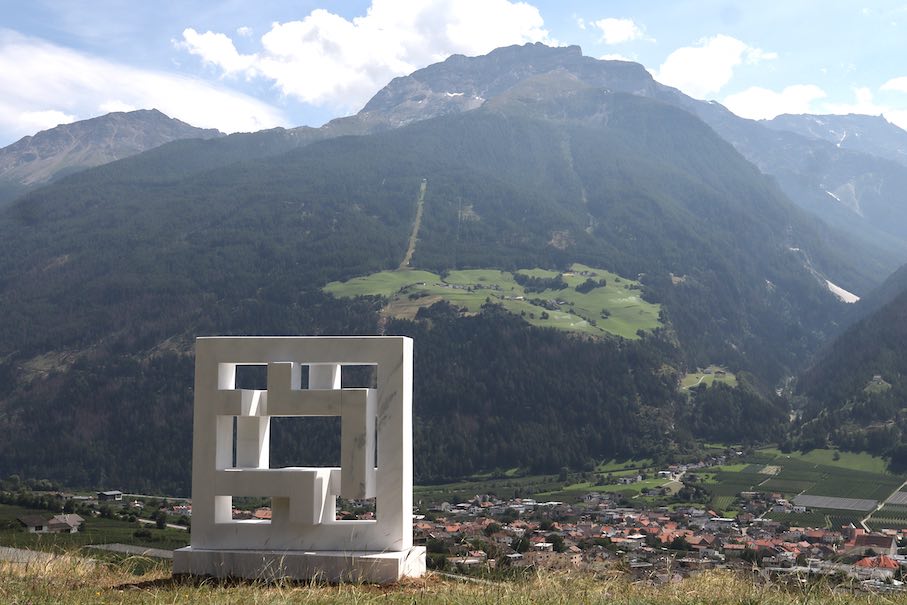
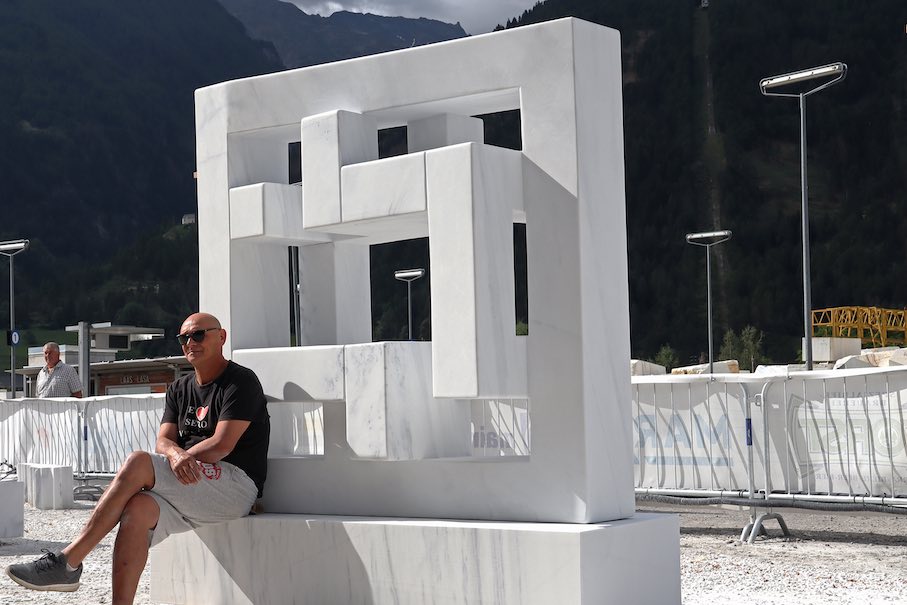 Alessandro Kanu, Italy: “Open the window.“ The idea for this sculpture came about while Kanu was working for several years in a high-security prison in Sardinia. Doors and windows could only be opened to go in, but almost never to go out. This sculpture wants to abolish the concept of closure and be open.
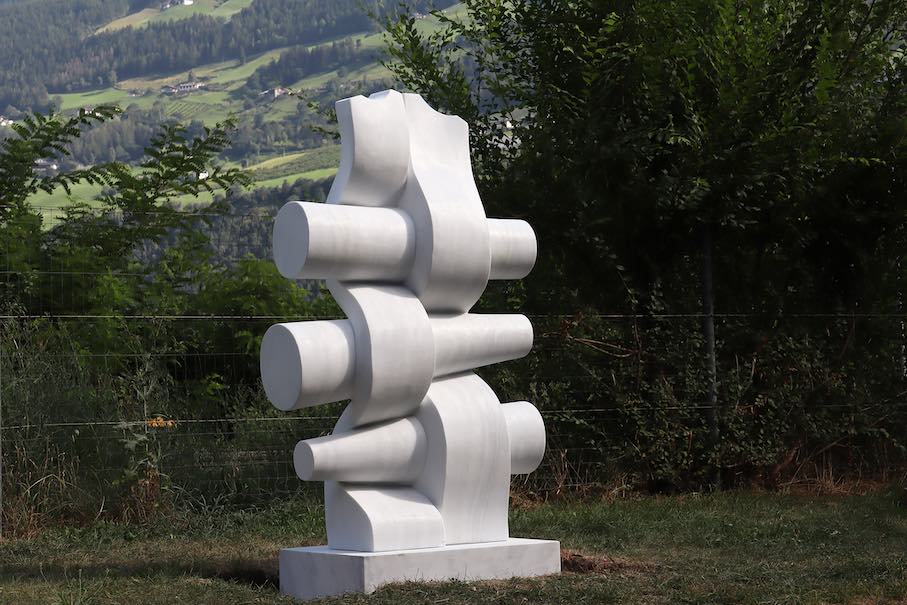
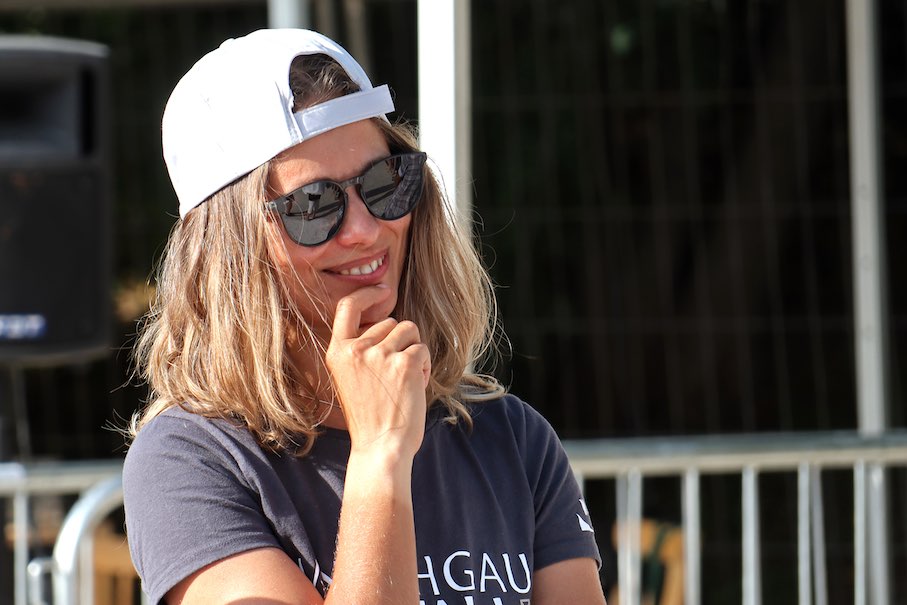 Olena Dodatko, Ukraine: “Interweaving.“ Olena Dodatko’s artistic path is a search for form and meaning, where simplicity meets the deep beauty of the natural world. The work visualizes how things come together, support each other and provide stability.
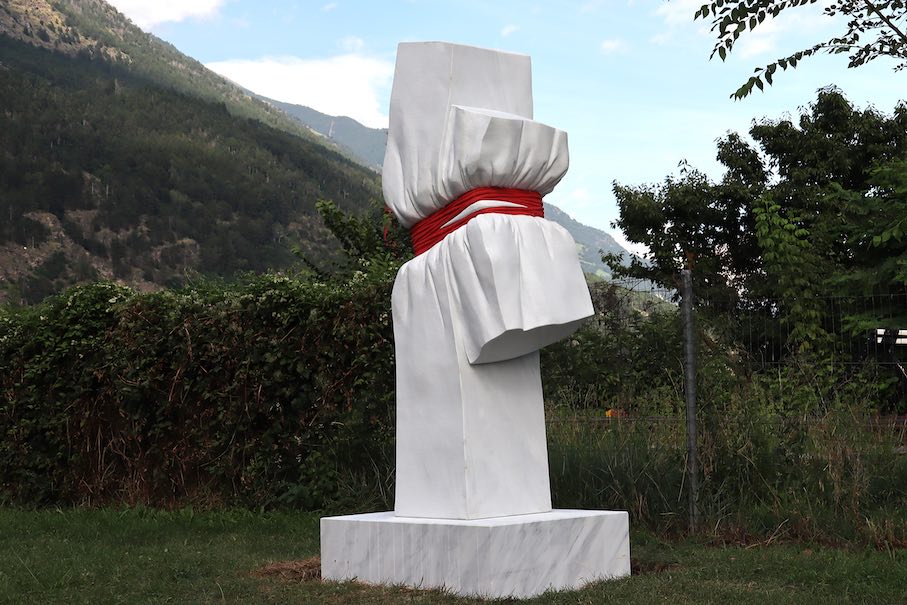
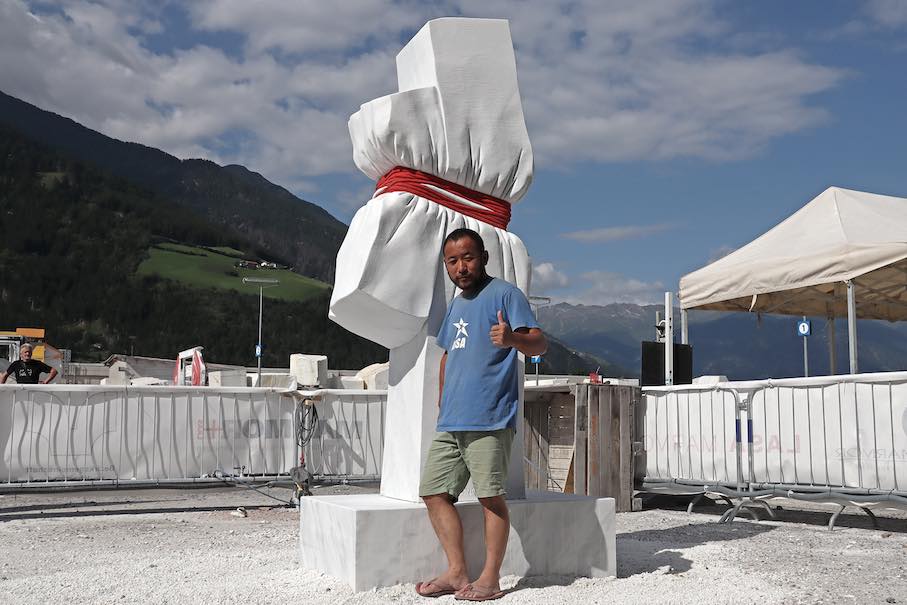 Yang Liu, China: “The power of connection.“ Alliances make you strong, creative and more resilient. As a sculptor, he has created around 97 sculptures in 37 countries. As a curator, he invented the world’s first floating sculpture park. As a manager, he founded the world’s largest sculpture organization, ISSA (International Sculpture Symposium Alliance).
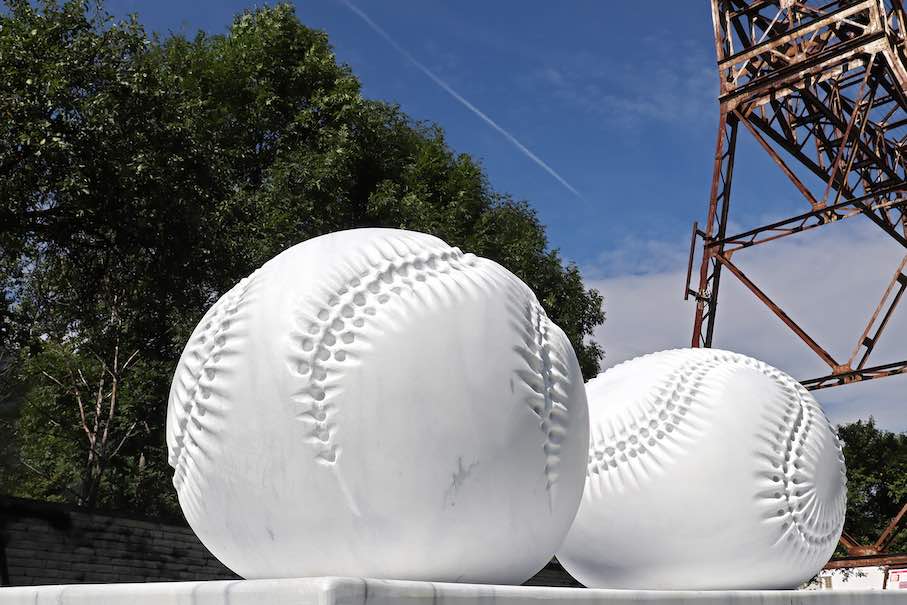
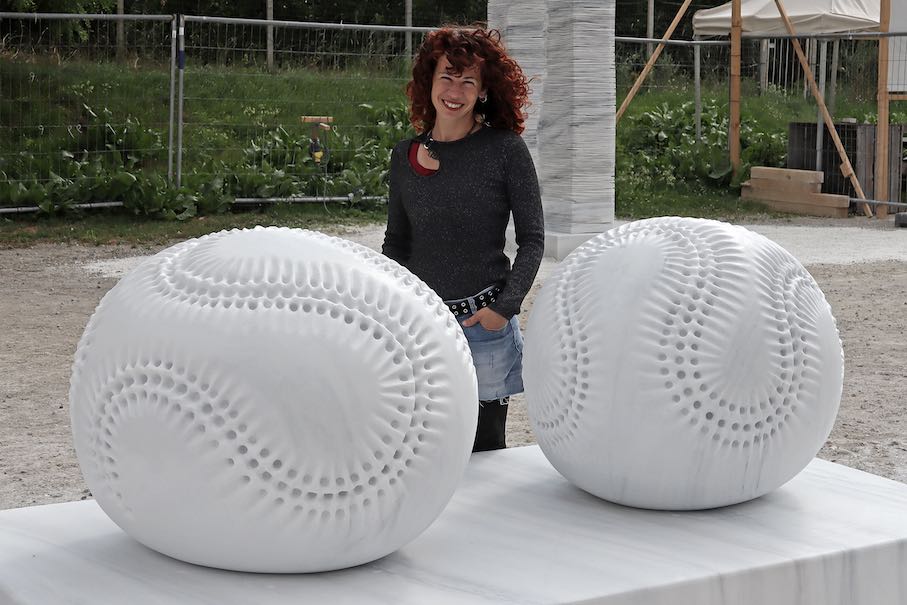 Noemi Palacios, Spain: “Invisible seam.“ The work is a tribute to the social and cultural network between Schlanders and Laas, which asserts itself in the harsh environment and preserves the roots of identity. The thread sews, connects and strengthens the fabrics and transforms the individual elements into a solid structure that can hold the whole together even under the greatest tension.
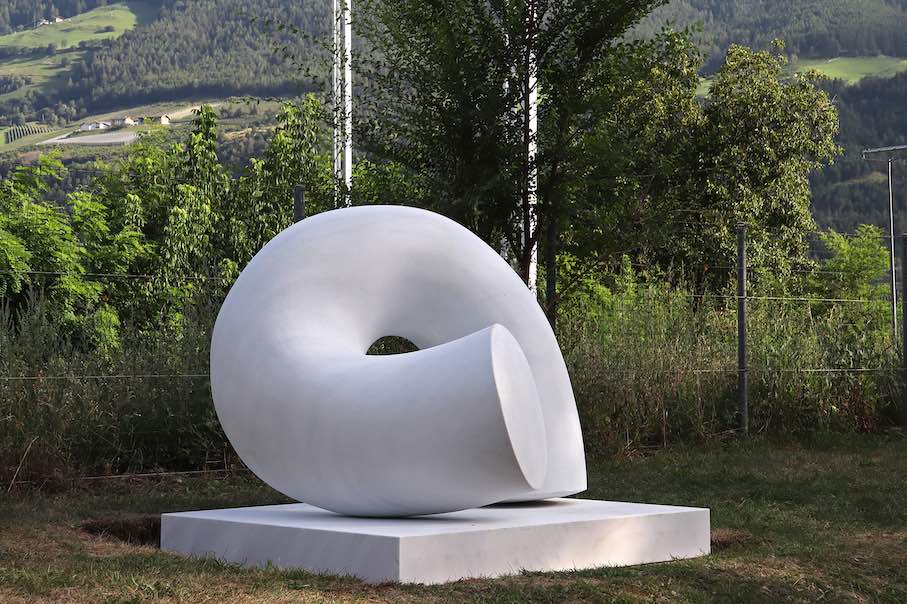
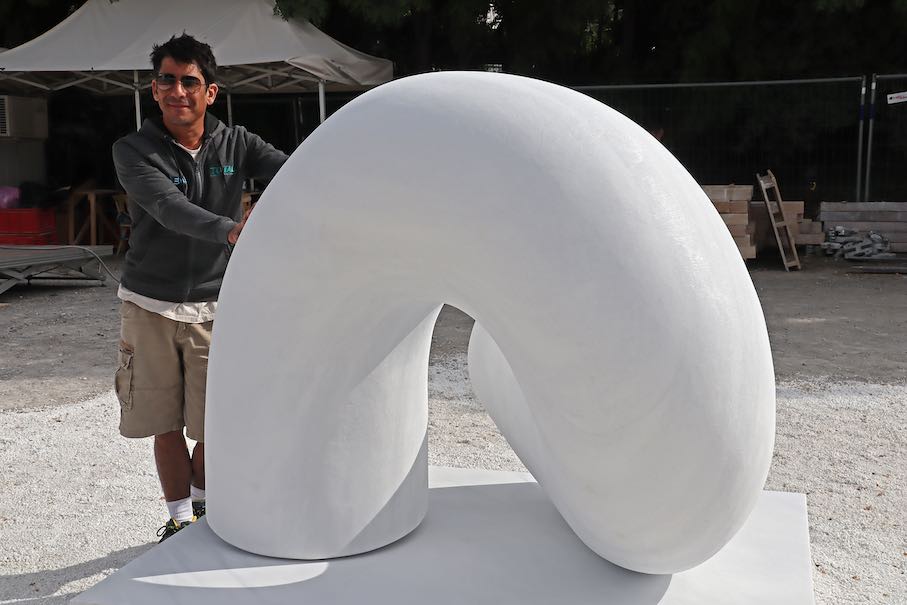 Fernando Pinto, Colombia: “The connection.“ Plants and seeds ensure our survival. Our dreams and ideas are also like seeds. The sculpture is inspired by the seeds of the acacia, a tree native to the Amazon jungle that is now used to restore damaged soils. The seeds have the shape of a spiral, which is the main symbol of life on this planet.
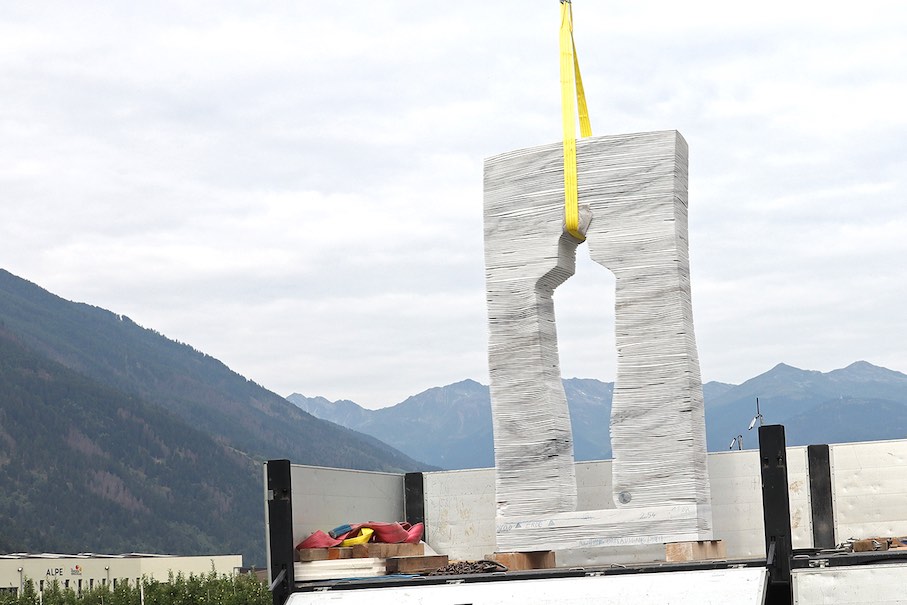
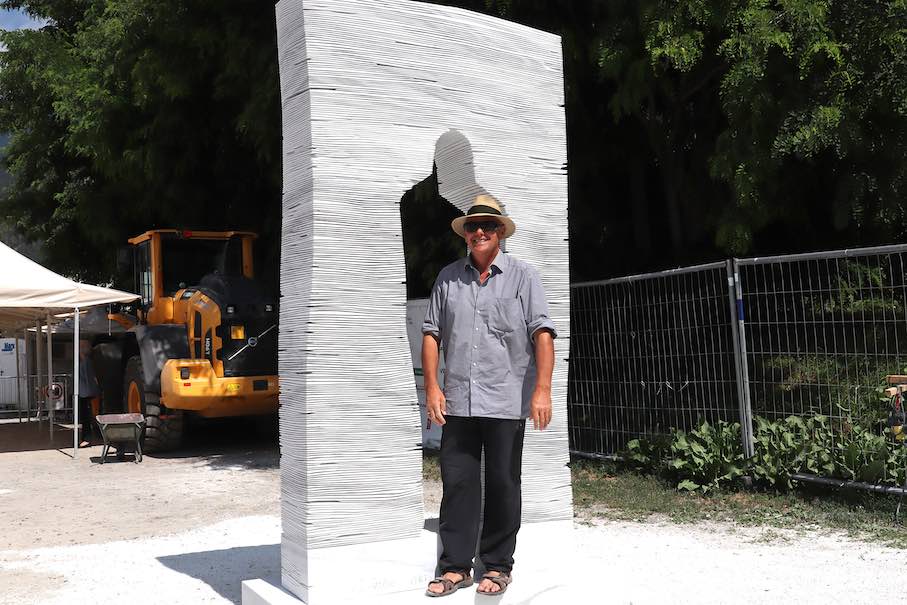 Josef Pleier, Germany: “Vinschgau Gate.“The Vinschgau Generation Gate consists of 254 layers. Each layer represents one of these 254 generations, i.e. around 7,000 years of settlement history. The opening in the gate is modeled on the shadow of a person. It is meant to invite you to walk through it. The layers have cracks and are partly broken. These are the wounds and injuries of the different generations.
Martin Böttcher & Corinna Zürcher, “Marmophosis. Videomapping“.
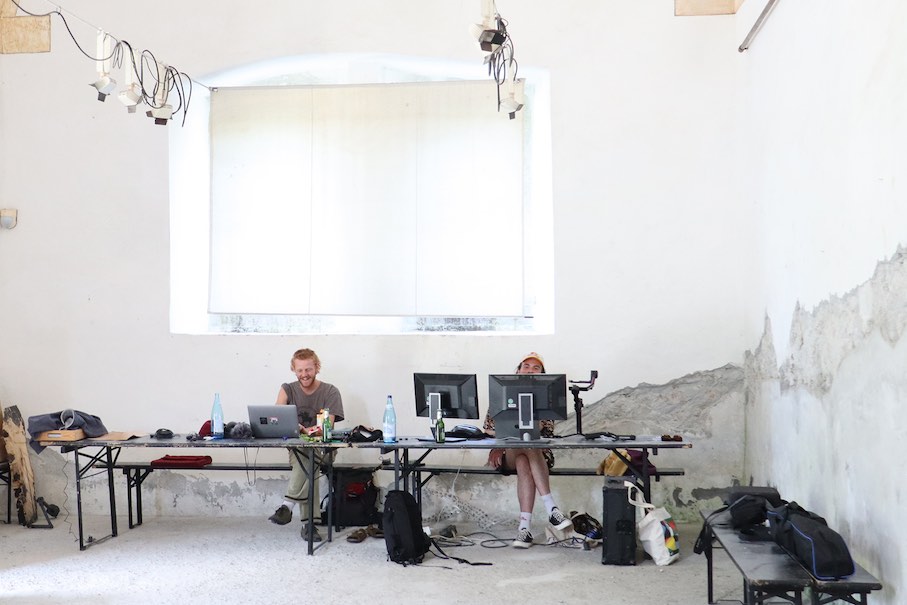 Johannes Kroeker & Elias Nunner (Germany) at work at their Sound Cculpture (Link to the report: See also, below).
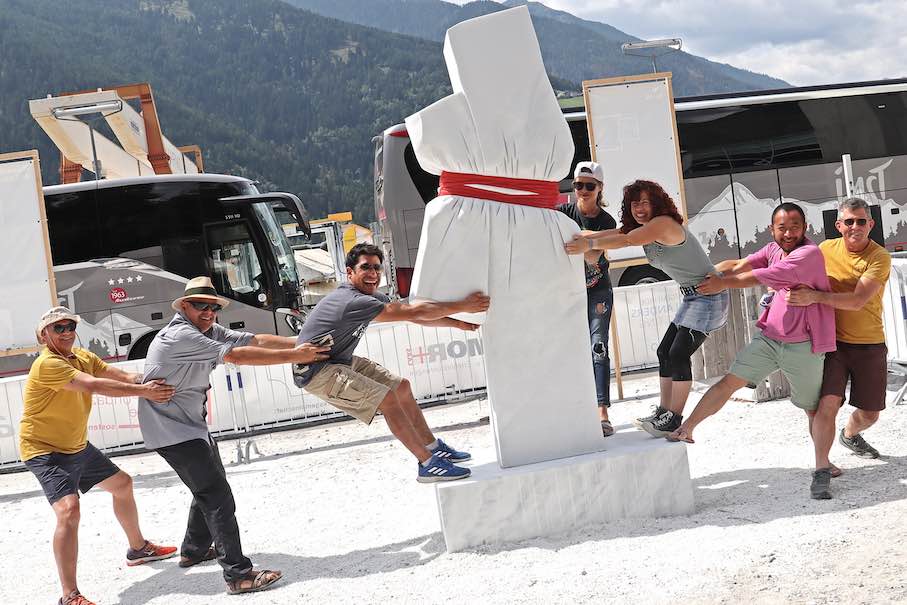
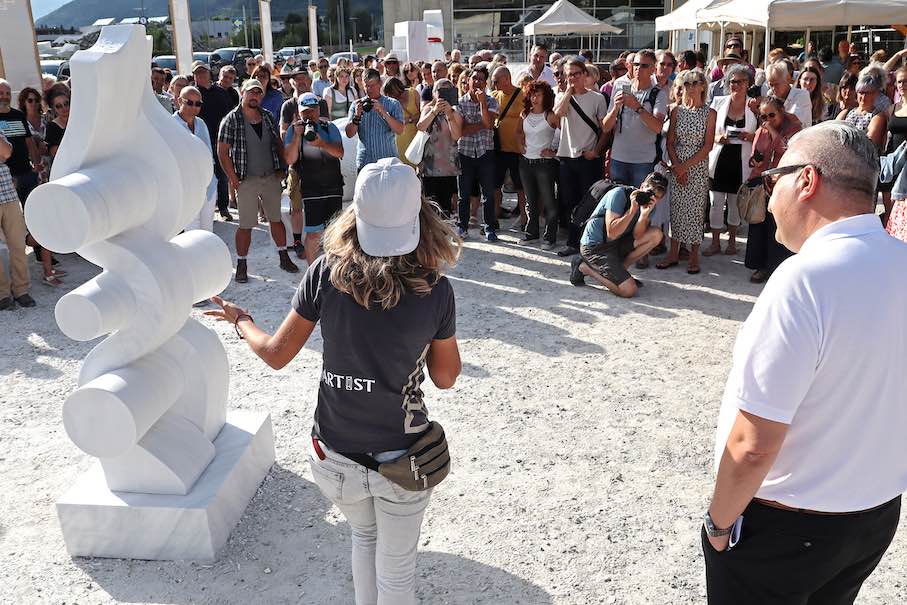 Visitors at the end of the symposium.
(01.11.2024, USA: 11.01.2024)