Stone-Ideas.com


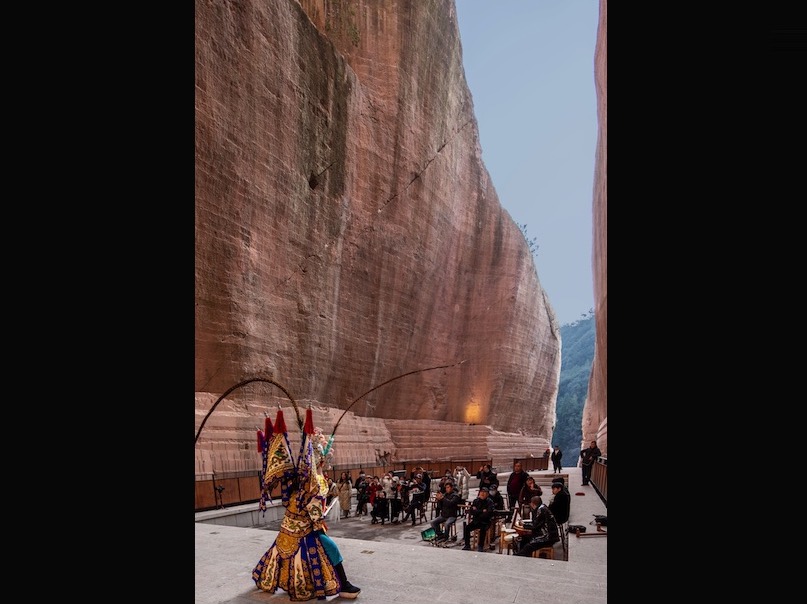
In addition to its strengths in terms of sustainability, a new consumption aspect could currently improve the natural stone sector’s position on the market: Among consumers, there is a “noticeable decline in spending on things and an increased focus on fun, entertainment, and personal improvement.” In other words: citizens’ spending is moving away “from traditional retail products toward experiences such as entertainment, travel, dining, and services.”
This is what the EuroShop trade fair writes on its website, referring to a study by RegioData Research GmbH and GfK. The EuroShop, with exhibitors from all over the world, takes place every three years in Düsseldorf, Germany, and is primarily dedicated to the staging of sales rooms. We had written about it because stone companies are also exhibiting there.
The website emphasizes that the new trend can be seen worldwide while there are differences between continents and countries.
The fair is now discussing how stores can adapt to this with “more engaging, immersive shopping experiences”: “Simply offering products is no longer enough; retailers need to transform their stores and online platforms into spaces that offer entertainment, excitement, and adventure. This could involve incorporating interactive elements, hosting events, or curating experiential promotions that tie their brand to leisure activities, travel, or personal growth.”
We are interested in considering how the stone sector can deal with this.
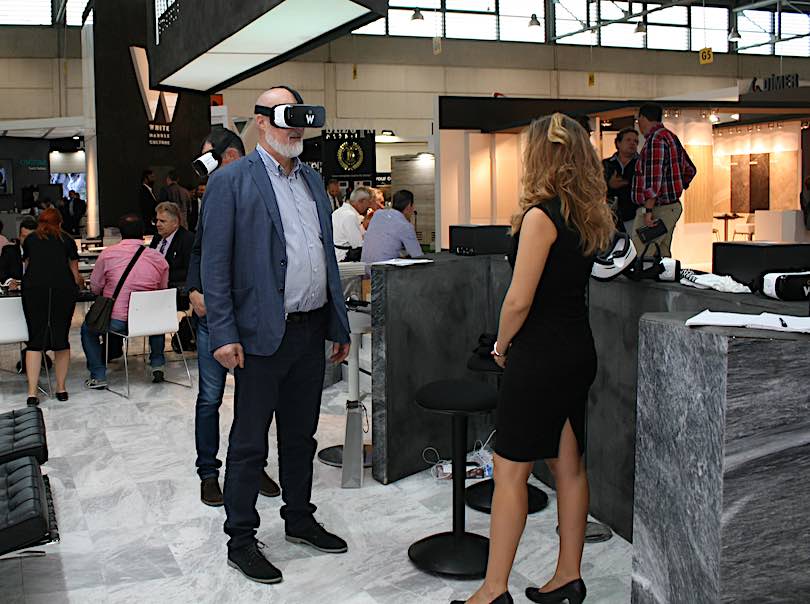
Immediately, quarries come to mind – they give the sector as much of an experience as it can get. Stone companies are already making extensive use of them: photos of quarries or videos are popular as stand decorations at trade fairs or in showrooms, and a few years ago virtual tours with 3D glasses were a hit.
The boss of a stone company once summed it up in a conversation: “If I have the customers in the quarry, I sell my stones.“
So, everything’s fine? Not really, as a closer look shows.
Because what impresses people when they visit a quarry is the experience of a vast natural environment with huge walls, extremely hard rock, heavy raw blocks… the view into a few meters of the solid crust of our planet, which is not that thick at between five and 70 km.
On the other hand: Many of the quarry photos and films show fragmented mountains, bare slopes, cleared landscapes… visions that people can shape the world according to their taste.
While the visitor in the quarry experiences the size and grandeur of nature, the images and films from there are meant to demonstrate the superiority of man over nature.
EuroShop (22. – 26. February 2026)
See also: