Stone-Ideas.com


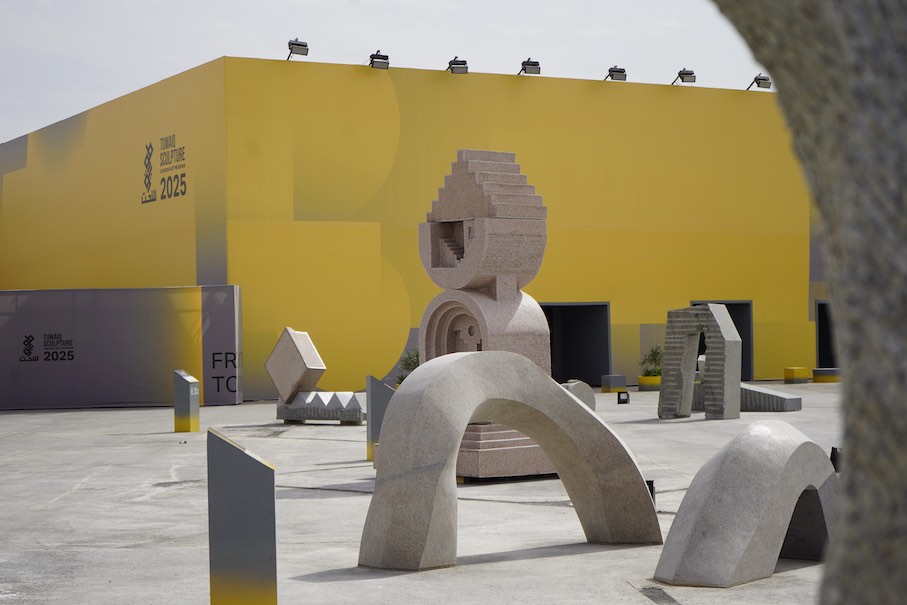
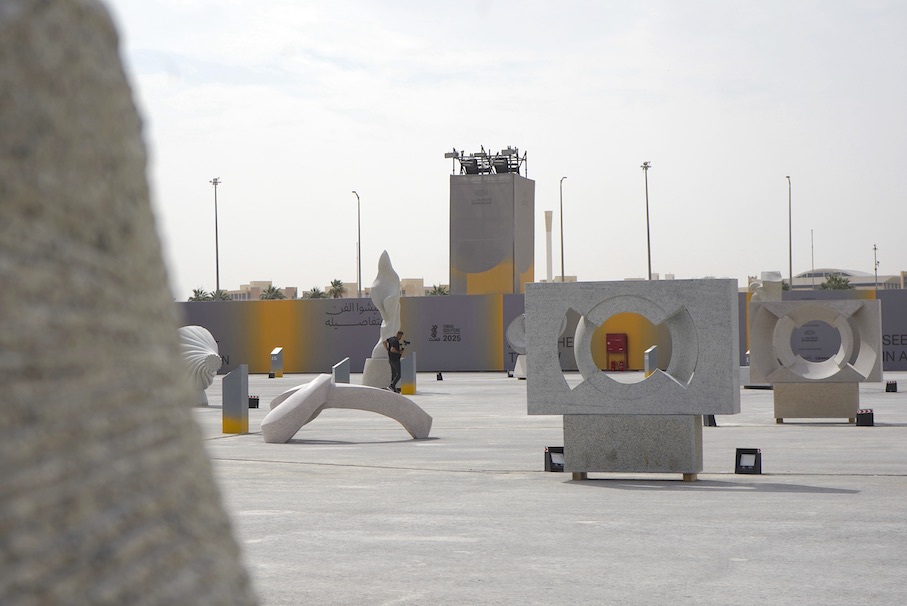
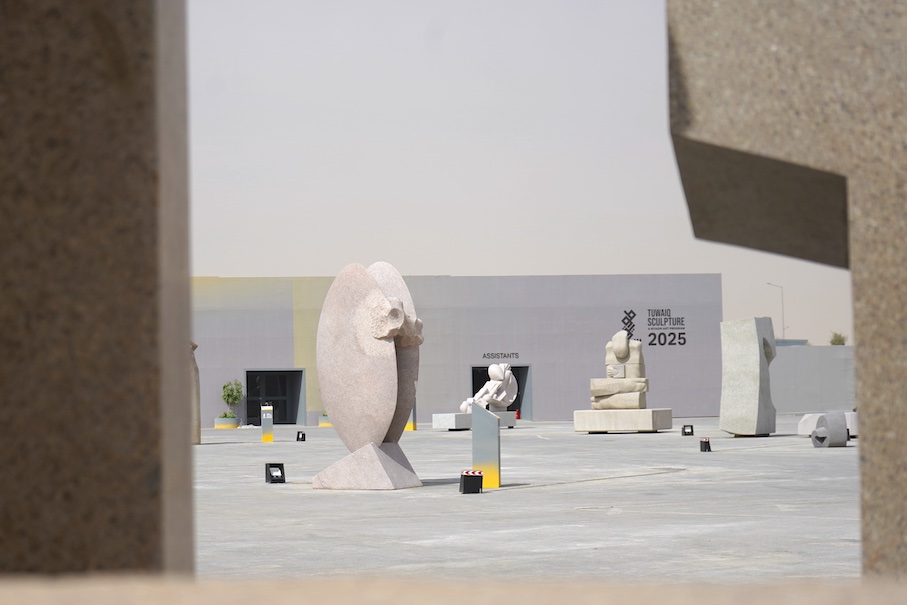
The sculptures of the symposium 2025:
https://www.stone-ideas.com/111994/tuwaiq-sculpture-symposium-2025-riyadh/
Where the works of art are set up:
https://www.stone-ideas.com/112537/monumental-stone-sculptures-tuwaiq-symposium/
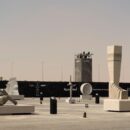
This year, the Tuwaiq Sculpture Symposium took place for the 6th time, where (from January 15th to February 9th, 2025) 30 international sculptors created their monumental works in local granite and basalt on the outskirts of the Saudi Arabian capital. It stands out clearly from all comparable events worldwide: on the one hand, the conditions for the invited artists are more than lavish, and on the other hand, the organizers are concerned with much more than just using art to attract attention from tourists.
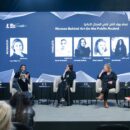
At Tuwaiq – that is actually the name of the mountains near the capital – the aim is “to normalize art in the citizens’ everyday life,” as Sarah Fahad Alruwayti said at a panel discussion as part of the symposium. She is the mastermind of the symposium and is a senior member of the Royal Commission for Riyadh City, specifically responsible for the Riyadh Art programme.
This aim is an age-old demand to improve people’s lives. But nowadays, any improvement in quality of life is mostly just about more consumption.
Sarah Alruwayti added an aesthetic aspect: “The city should be more beautiful.”
Note: In both cases, it is about the living space of the citizens, so that they feel comfortable and at home in their city, that they identify with it and, conversely, contribute to its design.
That is why the works of art from Tuwaiq are to be distributed throughout the city, as are the many other works that have already been created as part of the Riyadh Art programs. We will report on the current state of affairs in a separate article.
For the first time, this 6th edition of Tuwaiq also included interactive activities to encourage citizens to participate in shaping the city.
The so-called Tuwaiq Hub took place in a tent on the symposium grounds: Here, visitors could carve engravings on plaster bricks and then take them home or display them on the tent wall.
In the tent opposite, the focus was on approaching art through the material: There, information was provided about the natural stones used in the symposium: where they are mined in the kingdom, how they are processed, and for what they can be used.
A special theme of the symposium was to introduce young people to art: as part of the new apprenticeship program, ten young Saudi students from art and design schools and aspiring artists spent the entire symposium on site. The artists acted as mentors for them.
Just as “the big ones“ completed their work, “the little ones“ also tried out the material and creative work, of course not in the monumental dimensions that are usual at Tuwaiq.
In terms of time, this was no problem for the artists. Because each of them was helped by two stonemasons from Egypt to work on the raw blocks – another unique feature of Tuwaiq.
There were an incredible 750 applications to take part in the symposium in 2025. 23 international artists and 7 Saudis were selected. The curators were also a mix of international and national: the chief curator was Sebastian Betancur-Montoya,who comes from the highlands of the Andes in Latin America, and curator Dr. Manal Al-Harbi from Saudi Arabia, who teaches at the Princess Nourah bint Abdulrahman University in Riyadh.
The organizers hope that this will lead to an exchange and mutual enrichment.
The jury, which replaces the participants from the applications, changes from year to year so that there can be no influence.
The theme for the 2025 works was “From Then to Now: Joy in the Struggle of Making.“
However, Tuwaiq is not only intended to create a beautiful city, but also an economically strong one. The kingdom is developing the “soft“ areas of the economy for the post-oil time, such as tourism or art and culture.
The transformation of the kingdom into a modern state was announced in April 2016 by Crown Prince and Prime Minister Mohammed bin Salman under the title “Vision 2030.“
At the Tuwaiq panel discussion mentioned above, Omar Nasser Albraik, Senior Director of Art at the Royal Commission for Riyadh City, outlined the concept: “Riyadh should develop into a powerhouse of creativity.“
Despite all these big goals, the atmosphere at Tuwaiq was, as usual, one of lightness.
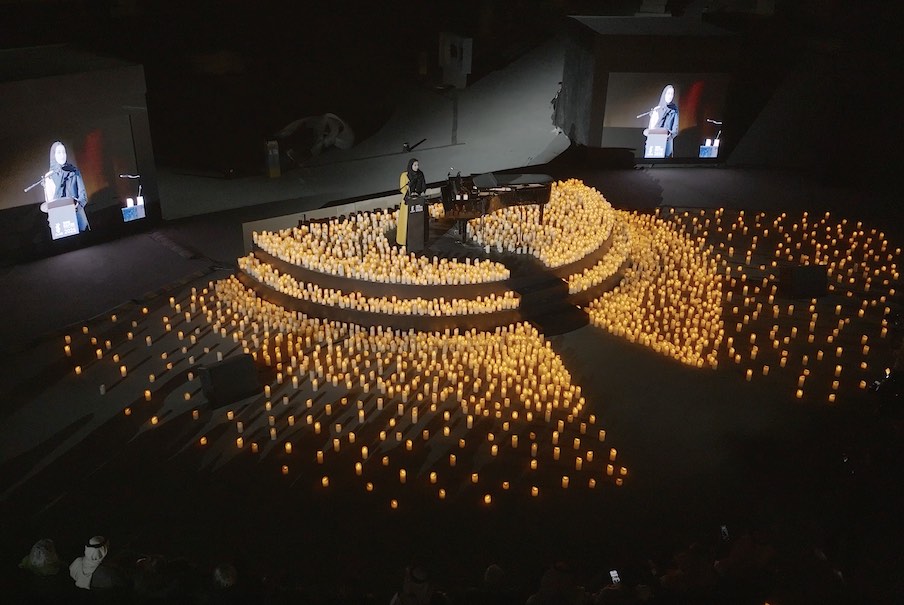
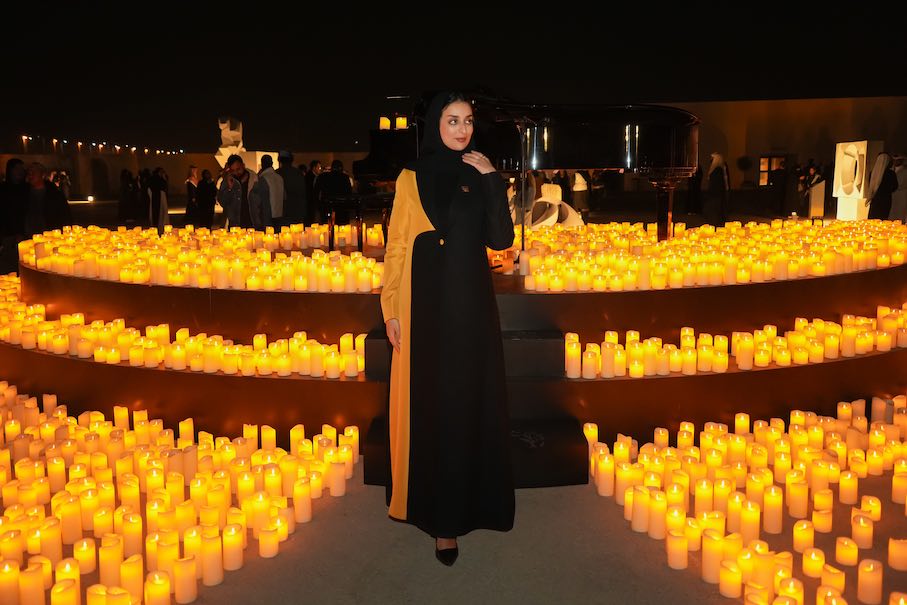
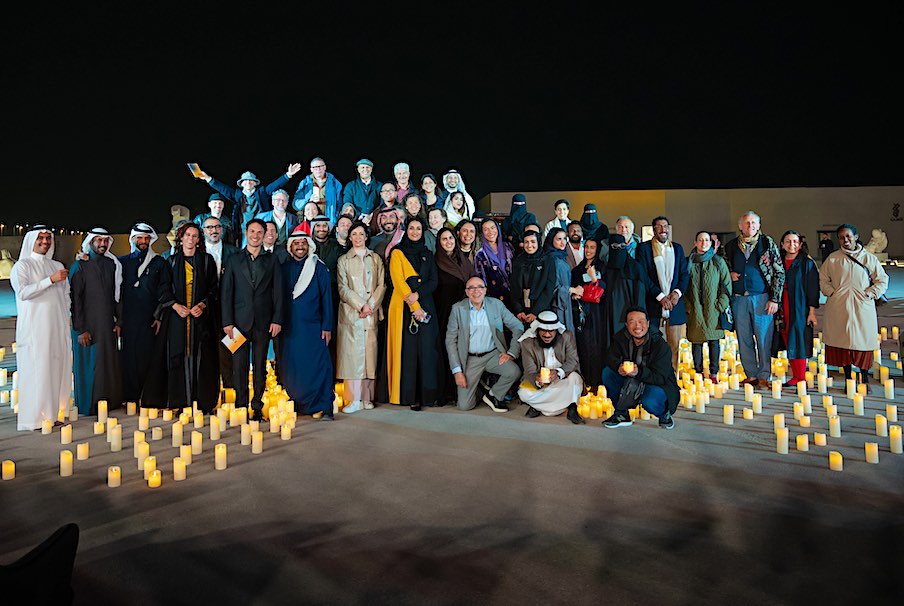
To open the exhibition with the 30 finished works of art, there was a gala on the grounds, at which an Italian pianist played popular pieces of music from Beethoven to Abba and singer Adele.
For the previous event, a well-known pâtissier from Riyadh had recreated a block of stone out of sugar. A DJ played dance floor music to entertain the guests, and later those present spontaneously sang a birthday song for Sarah Alruwayti.
Omar Nasser Albraik coined another phrase during the panel discussion: “Today’s young people no longer know the word ‘impossible’.“
See also: