Stone-Ideas.com


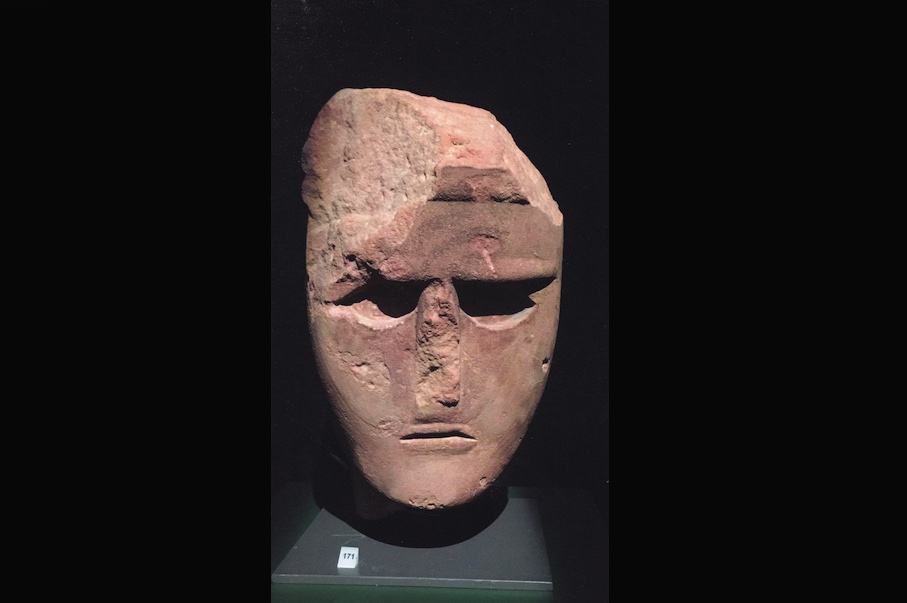
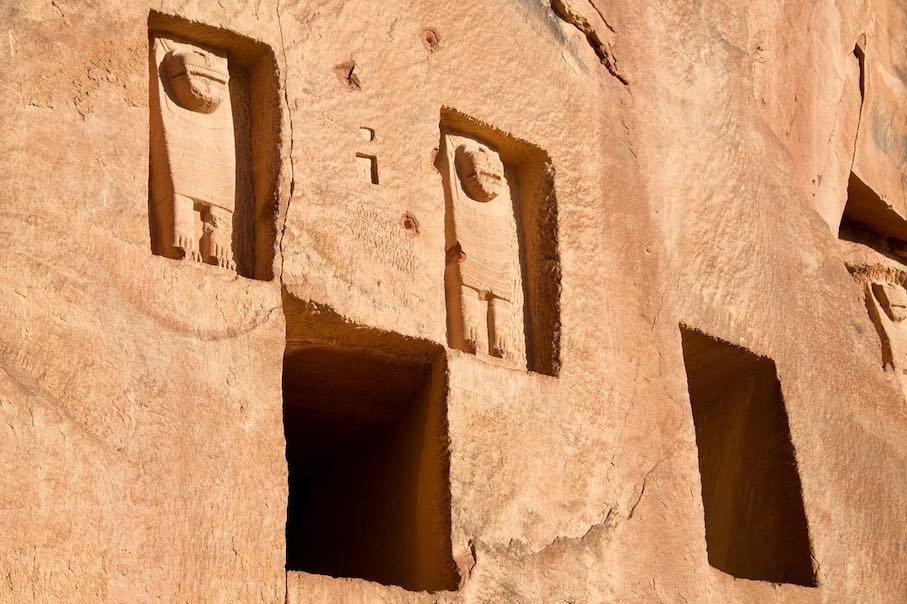
Dr. Manal Murshid Al-Harbi has presented an inventory of sculpture on the Arabian Peninsula over the millennia in her book “Sculpture in the Kingdom of Saudi Arabia.“ It is the first of its kind in the Kingdom to document information about the most famous Saudi sculptors in a scientific manner. The gathered information through interviews and direct communication with the artists.
Manal Murshid Al-Harbi has had great success in both an artistic and an academic career. She currently teaches at Princess Nourah University in the Saudi capital Riyadh, and most recently worked as one of the curators at the Tuwaiq Sculpture Symposium 2025.
In her book, she works through the eras on the Arabian Peninsula chronologically, starting with evidence from the Stone Age, continuing with the emergence of Islam, looking at the cultural policy of the Kingdom founded in 1932 by the ibn Saud family, and finally giving an overview of current trends.
In the West, little is known about this. For example, there are around 10,000 archaeological sites in the vast desert area with the Red Sea in the West and the Persian Gulf with the many small emirates in the East. In recent years, archaeologists have discovered around 1,500 petroglyphs in the desert, i.e. stone structures on the ground.

The lack of knowledge in the West is also related to the fact that before Crown Prince Mohammed bin Salman’s “Vision 2030,“ history before the emergence of Islam attracted little interest in the country itself.
The period that Manal Al-Harbi covers is very long, and the observations on the individual eras are correspondingly brief. Therefore, the book, with its many pictures and precise information, can be an ideal introduction to stone art on the Arabian Peninsula for beginners.
The author provides an overview that can be used to explore the archaeological sites as well as the collections and museums in the country.
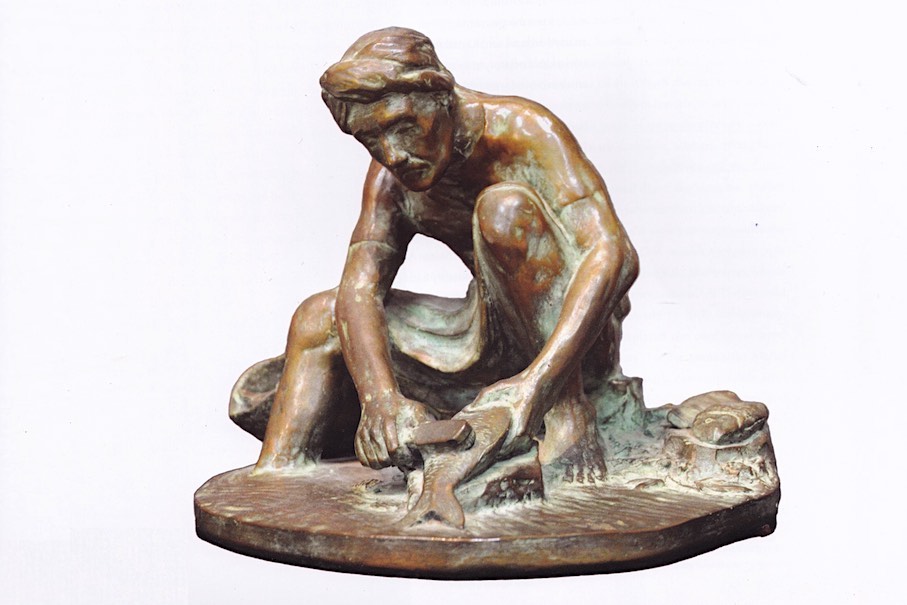
She understands the term sculpting very broadly. For her, it ranges from engravings in rock to relief work to detaching a three-dimensional shape from a block of stone.
She refers to the central scripture of Islam as the reason for this approach. In the introduction, she writes: “In the Holy Qu’ran, God Almighty says: And you carve houses in the mountains very skillfully” (26:149).

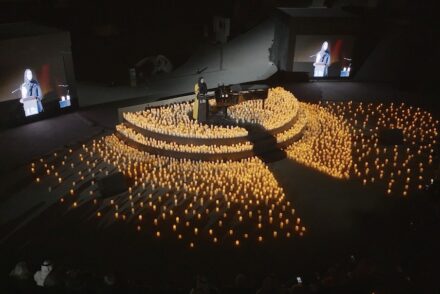
The Al-Ula complex with the lion tombs, a Unecso World Heritage Site, the port city of Jeddah as an open-air museum, and the Western Gate in the capital Riyadh play special roles in her book. As part of the current initiatives Riyadh Art, Noor Riyadh, and Diriyah Biennale, numerous new works of art made from various materials have been added in recent years. The Noor Riyadh Festival is one of the biggest light art events in the world.
She devotes an ample space to the presentation to the most important contemporary sculptors. These include works depicting people. Another chapter is about the major cultural events in the country.
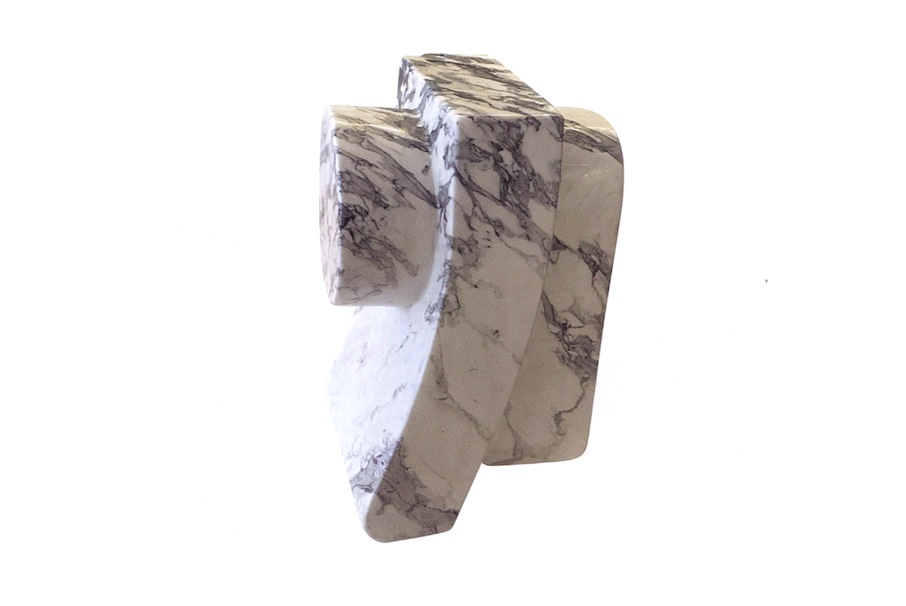
Manal Murshid Al-Harbi is the first Saudi woman to obtain both a master’s degree and a doctorate in sculpture. While studying in Geneva, Switzerland, she also gained a diploma in art and design with ceramics/polymer. She participated in more than 40 exhibitions at home and abroad with her artistic work and has won numerous awards.
She describes it as a special honor that she was allowed to create the prize figure for the Princess Nourah bint Adbulrahman Award, the country’s highest award for women.
Alharbi, Manal Murshed, „The Art of Sculpture in Saudi Arabia“, Nasher Pub. & Dist. Company, 2024, ISBN 978-603-92118-3-9
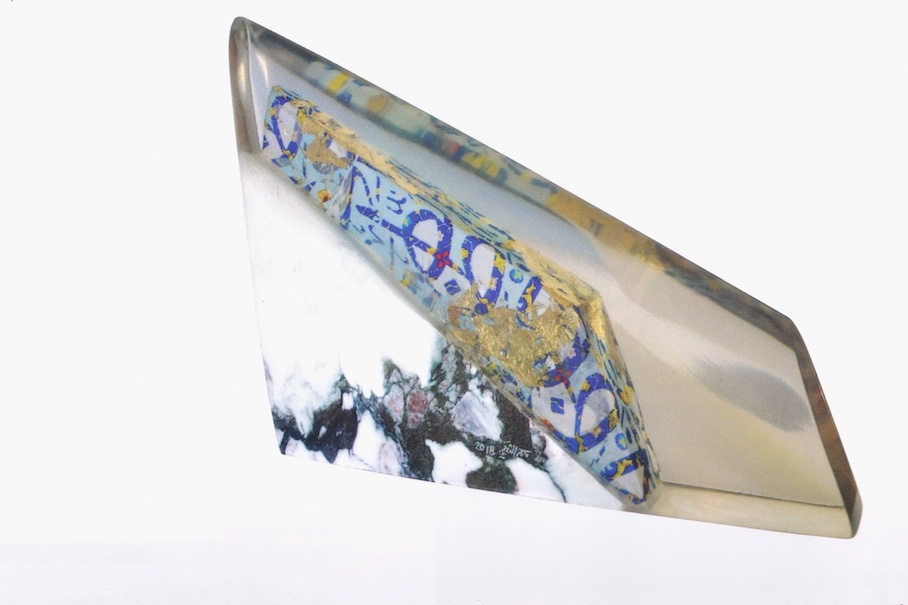
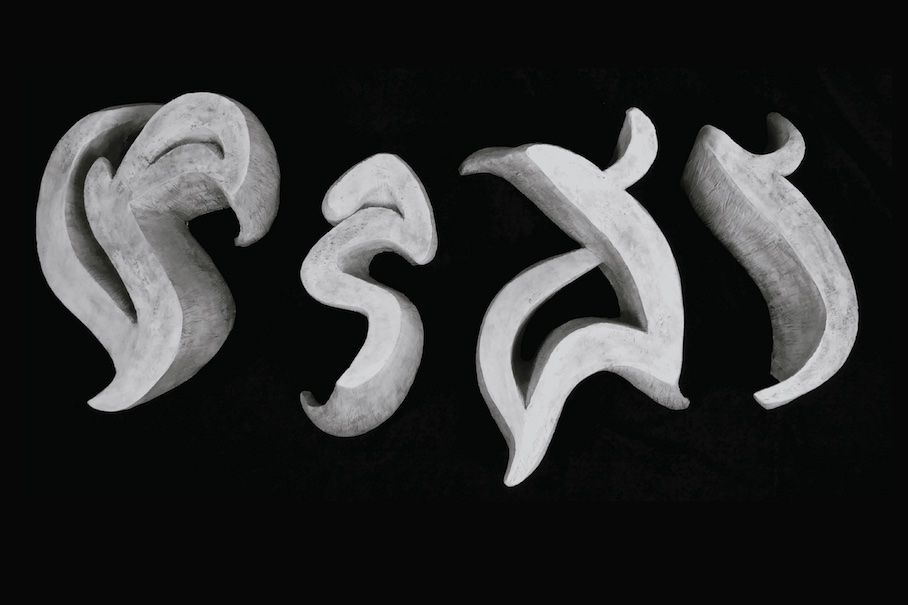
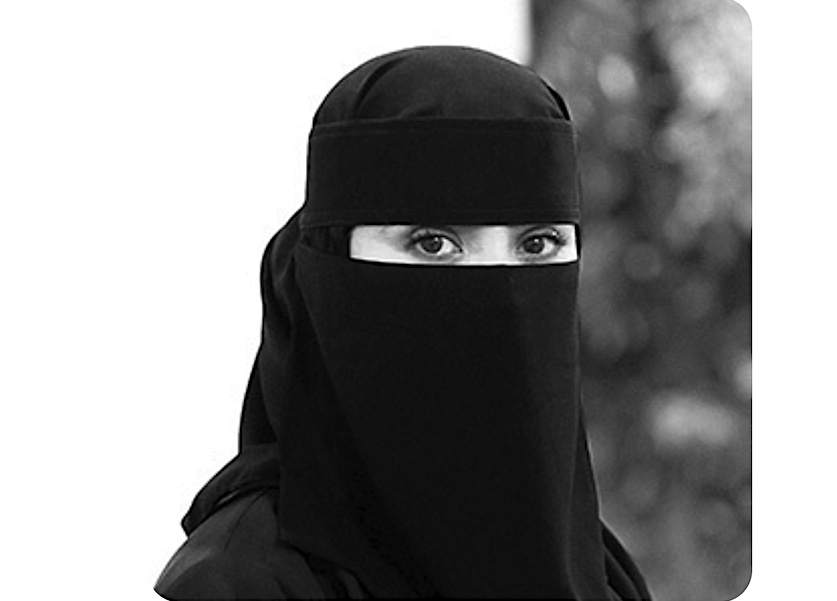
Photos from the book.