Stone-Ideas.com


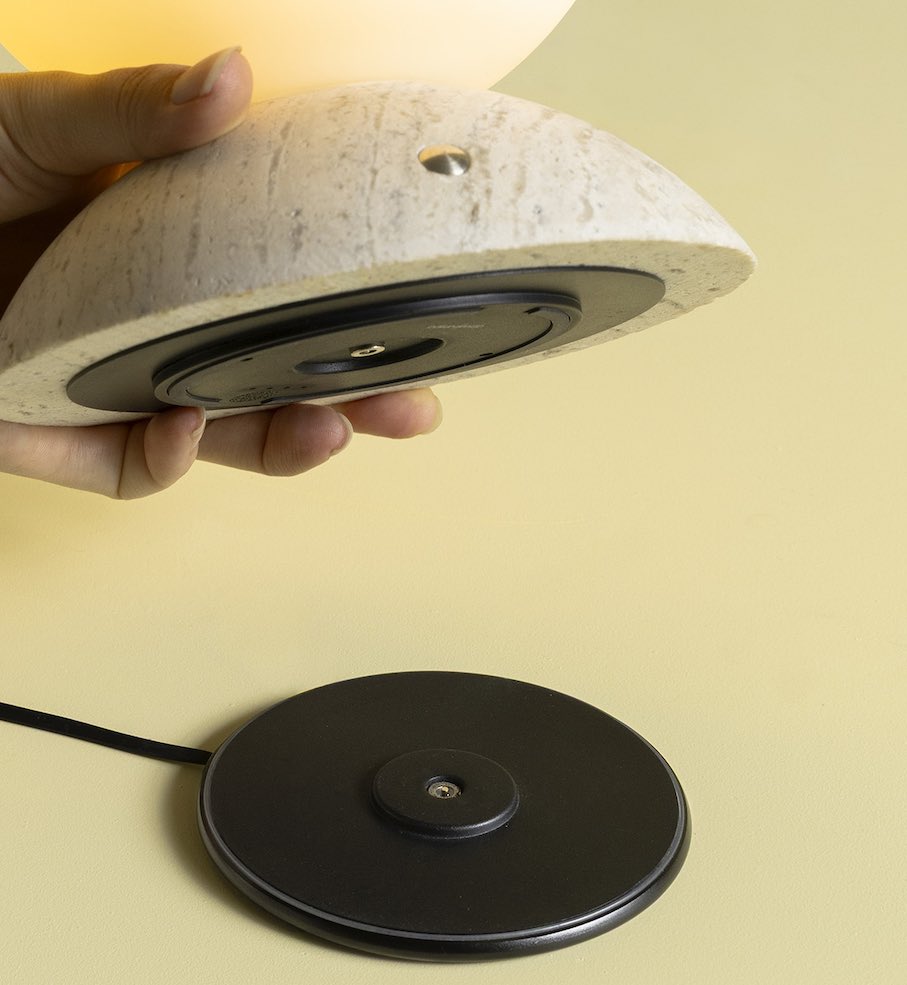
David Pompa is one of those designers who, firstly, specialize in high-quality products for everyday use and, secondly, place great importance on the materials they use. He grew up in Mexico and Austria, so no wonder that he enjoys using natural stones and botanicals from the Central American country. He also appreciates the work of Mexican artisans and consequently has his creations produced there.
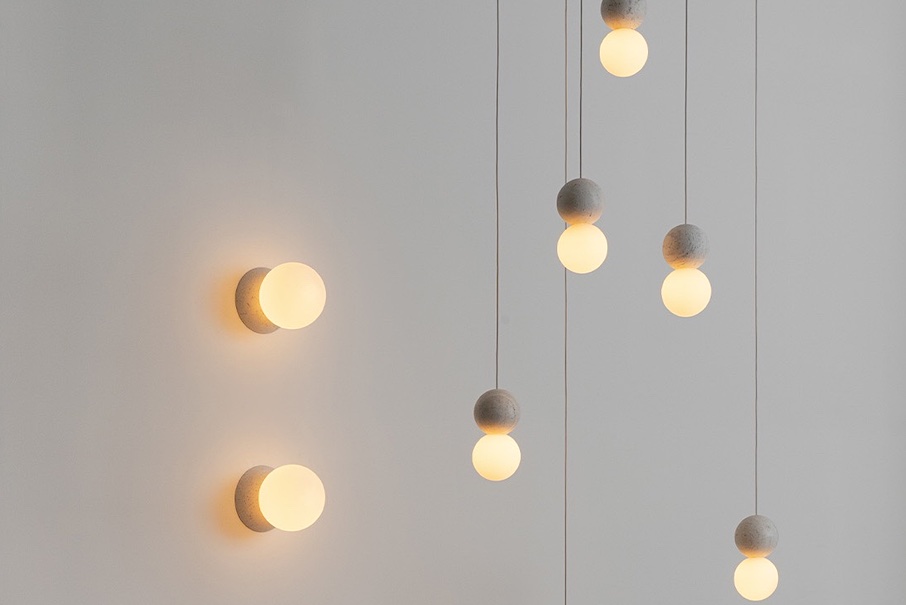
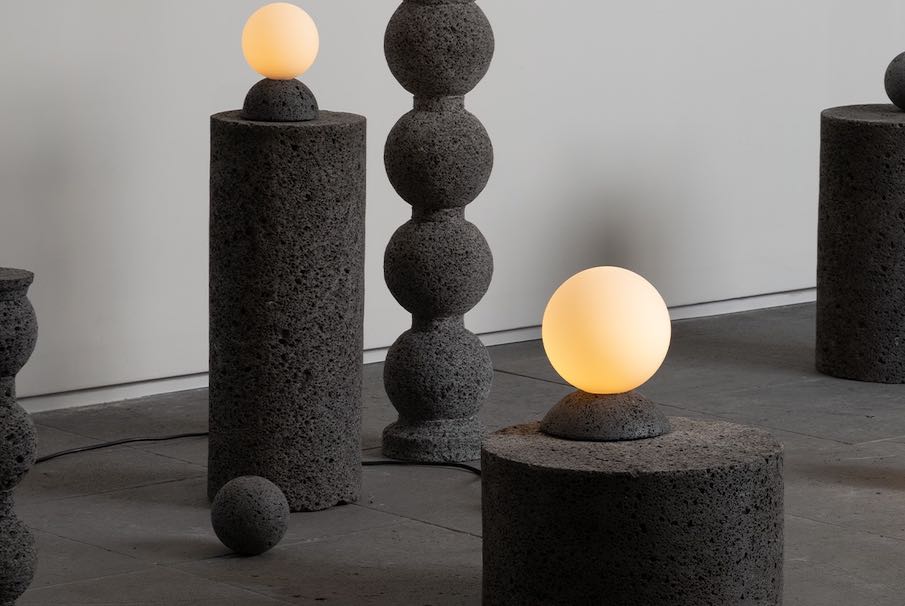
One of the latest innovations is the “Origo“ table lamp. It is now larger than before (19 cm high with base, 16 cm in diameter). For the base, Pompa chose the almost white Fiorito travertine, which is mined near the city of Puebla. For the Origo lamp, he used a dark volcanic rock reminiscent of the country’s geology.
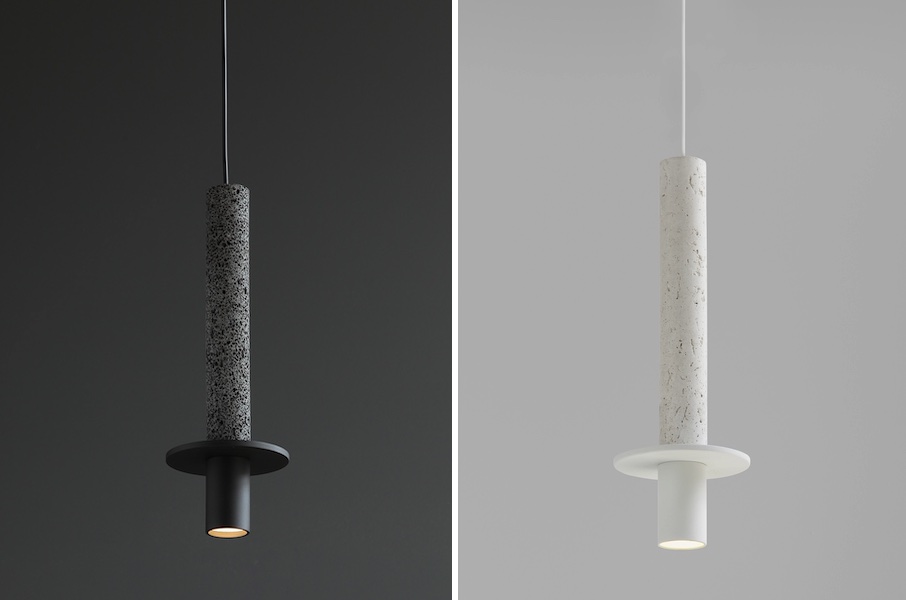
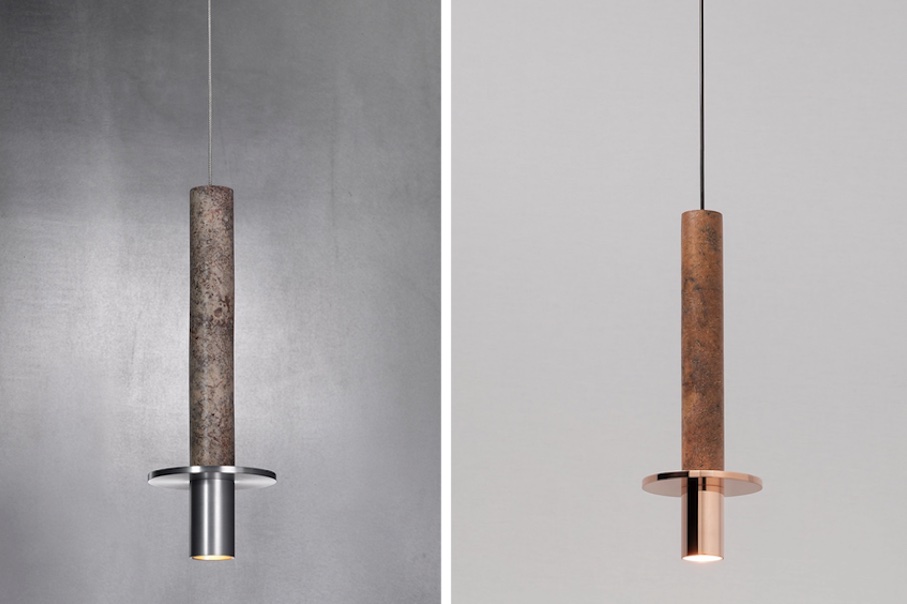
The well-known “Meta“ hanging lamp is available in numerous material versions. It is also available as a limited edition with a maximum of 60 pieces.
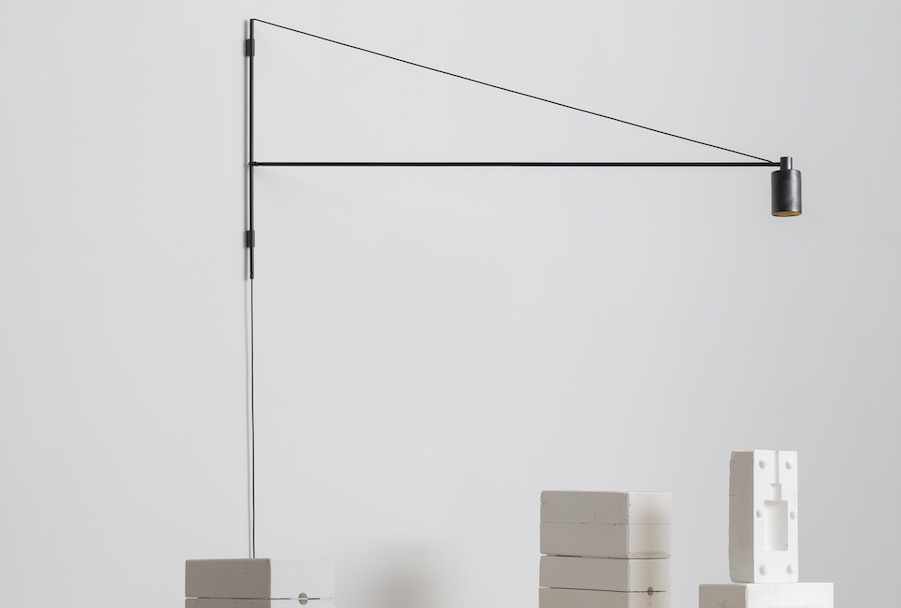
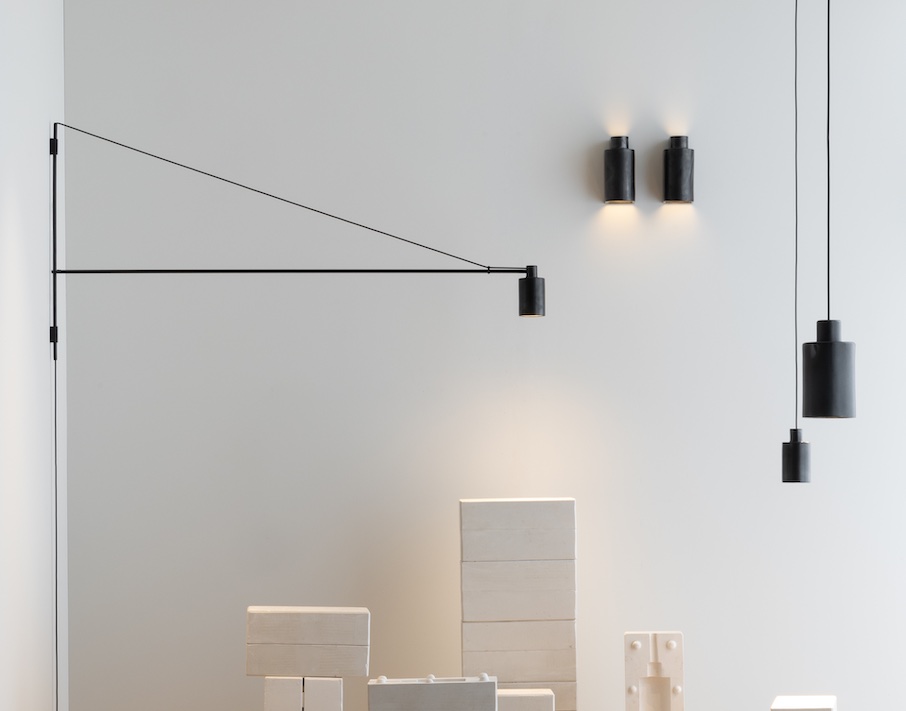
The “Can“ wall lamp was presented as a new product at the Salone del Mobile 2025 in Milan. Its swivel arm is available with a projection of 20 cm, 60 cm, and 120 cm. The lampshade is made of Basso Negro clay.
Studio David Pompa used Milan Design Week during the Salone del Mobile to create a production that combined the Mexican tradition of Basso Negro with the Italian dessert affogo: Just as in Mexico, clay fills the firing mold and often overflows, in Italy, a scoop of vanilla ice cream “drowns“ (= affogare) in espresso.
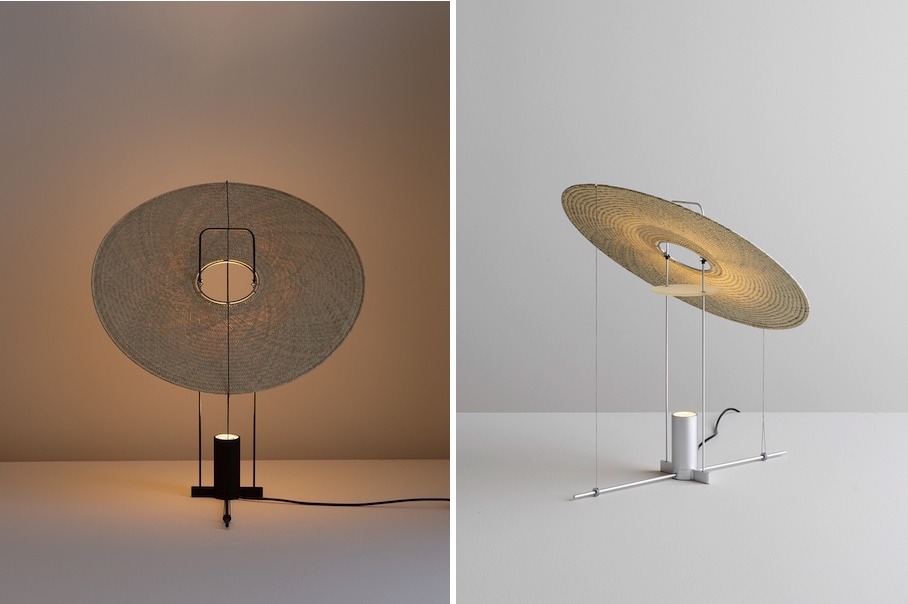
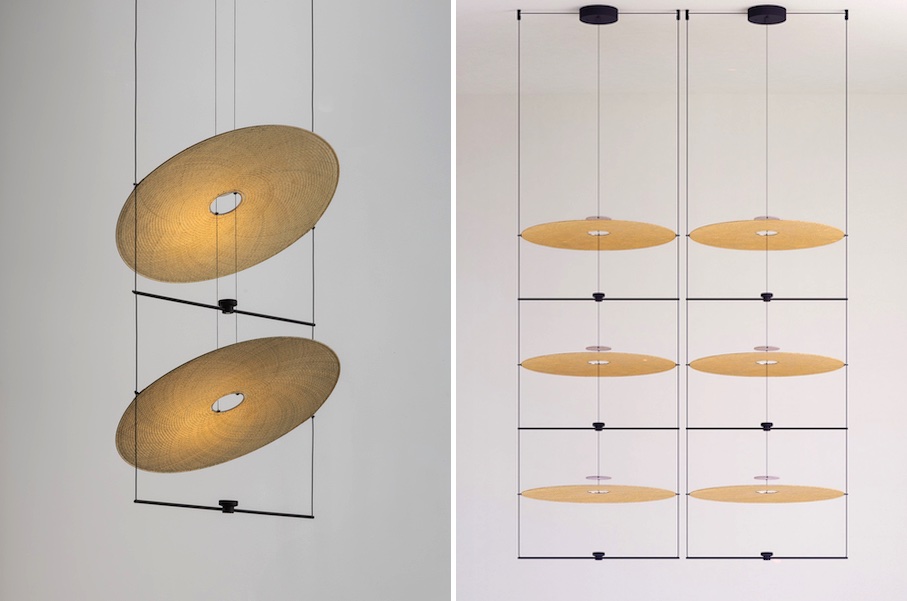
For the “Cilia“ lamp, David Pompa uses plant materials rather than earthen materials, namely palm leaf fibers. Traditionally, these fibers are used throughout Latin America for a seemingly endless range of uses. Pompa has his artisans weave lampshades from the sturdy fibers – a familiar technique, but what is new are the diverse variations he has come up with for arranging the lamps.