 Stone-Ideas.com


The scientists of the International Union of Geological Sciences (IUGS) award the scientifically based title in loose succession
The number of IUGS Heritage Stones (HS) is now 55. The title describes types of natural stone that played important roles in building culture and sculpture in the past and are still mined today.
These materials are therefore real companions of humanity, which is what the term “Heritage Stone“ is intended to express.
The title is awarded by the International Union of Geological Sciences (IUGS), which counts leading geologists from all over the world among its members. They can bring local stones into an application process but have to do a lot of work to get the title: scientifically recognized data on the history of use of the respective stone must be collected and presented, as well as its material descriptions and more.
Asier Hilario, from the Geopark on the coast in the Spanish Basque Country and chairman of the responsible IUGS commission, cites restructuring within the association as the reason for the sudden increase in the number of entries: “22 stones were defined at the initial stage of the initiative before 2020. The designation program was stopped during 2020 – 2021 when the working group and procedures were reformulated under the new Commission on Geoheritage. 10 new stones were designated in 2022, 10 new stones were designated in 2023, and 13 new stones have been designated in 2024. It makes the total number of 55.”
Dr. Angela Ehling from the German Federal Institute for Geosciences and Natural Resources (BGR) and Vice President of the responsible commission, adds an aspect: “The aim of our work is now more to bring the topic of natural stones to the public in general so that quarries are not closed and that original materials can be used in monument protection,“ says the Berlin geologist.
For this purpose, connections are maintained with the UNESCO World Heritage Commissions.
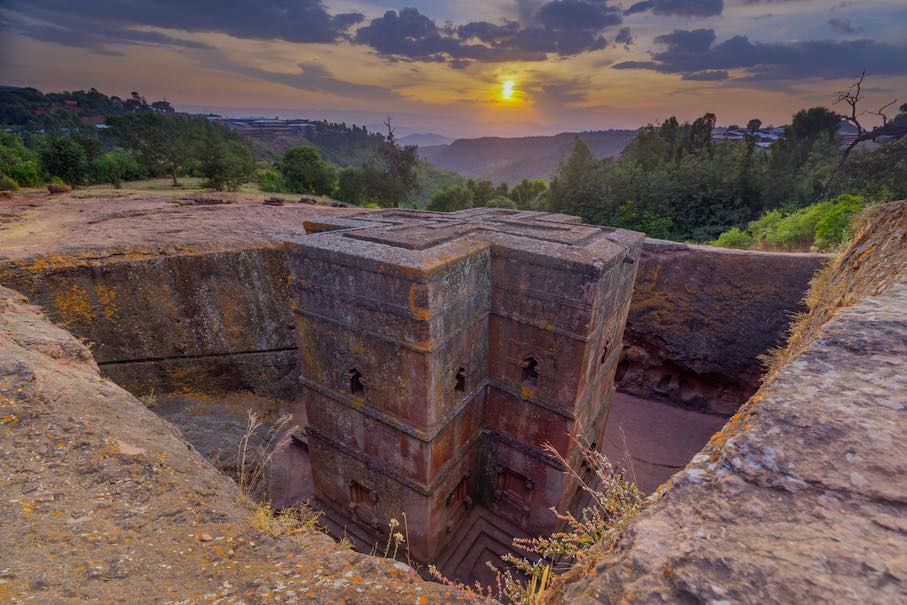
Recently, two new continents appeared on the list of Heritage Stones, namely Africa and Oceania. The countries and stones belonging to them are the Lalibela Basaltic Scoria from Ethiopia and the Malmsbury Bluestone from Australia.
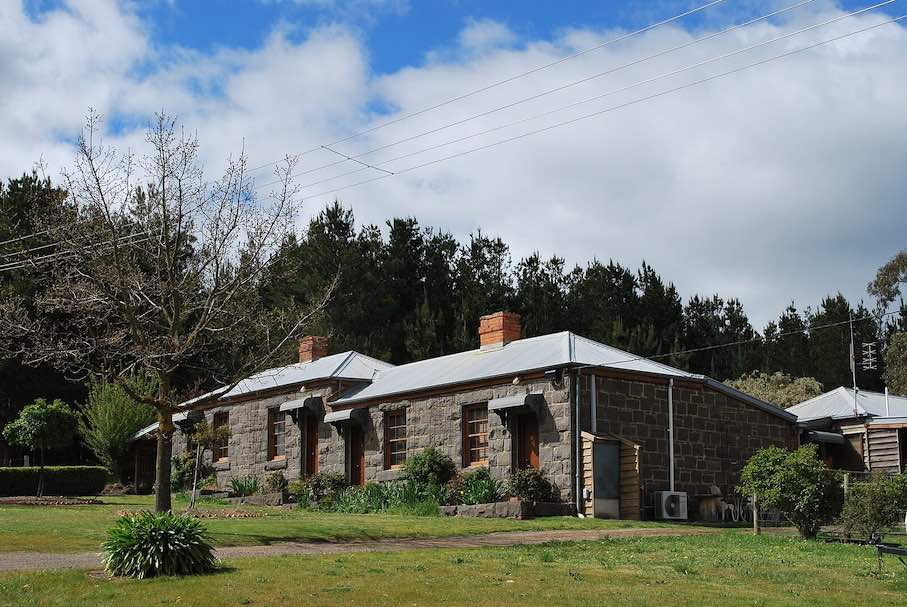
Other new entries on the list are: Finland with the Virolahti Pyterlite, Poland with the Radkow Sandstone, Brazil with the Facoidal Gneiss and Japan with the Tsukuba Massif Granite. Turkey is represented among the newcomers with two types, the Denizli Travertine and the Afyon Marble.
There is a short description of each type on the IUGS website. Sometimes not only the material itself is described, but also the special know-how of the craftsmen in using it. This creates links to UNESCO’s intangible cultural heritage.
International Union of Geological Sciences (IUGS
A book with photos and descriptions of the current 55 Heritage Stones can be downloaded free of charge from the IUGS website.
(23.10.2024, USA 10.23.2024)