Stone-Ideas.com


Name of the stone: Denizli Travertine
Stone type: travertine
Color: cream, yellow, brown
Quarry location: various locations at the Çürüksu Basin, Western Turkey
Description of the stone: a sedimentary limestone with many pores showing at the surface as small cavities and troughs. For certain applications, they should be filled, for others, they give the stone the special lively travertine appearance.
Peculiarities of the stone: Denizli travertine is created at hydrothermal springs, where hot water comes up to the surface, and the before-dissolved minerals precipitate. They can form thick layers of rock, famous, e.g., at the terraces of Pamukkale (the ancient city of Hierapolis).
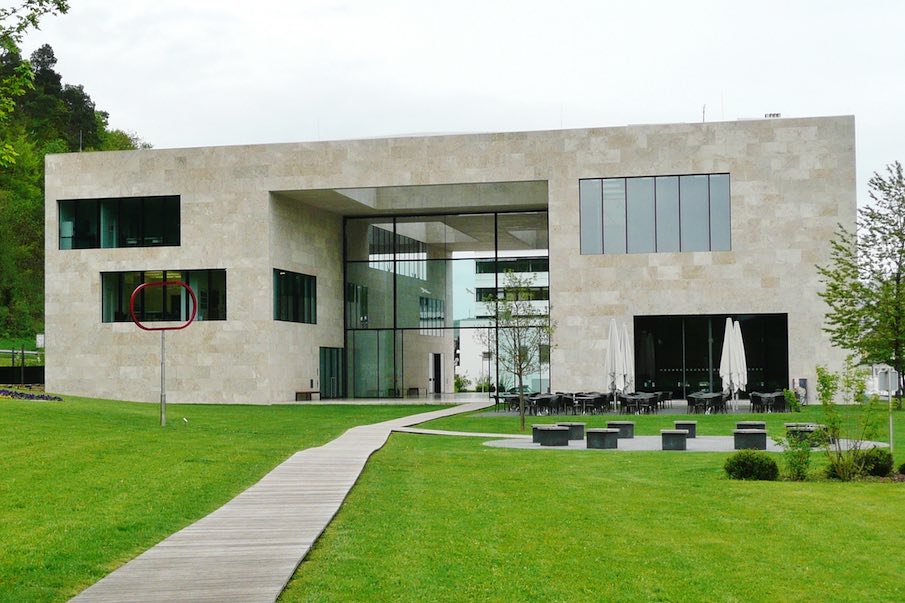
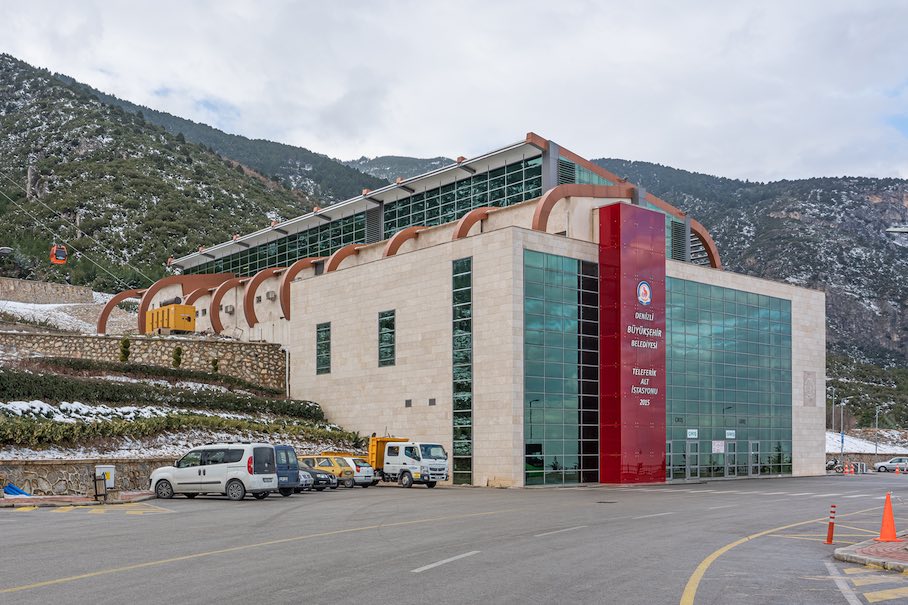
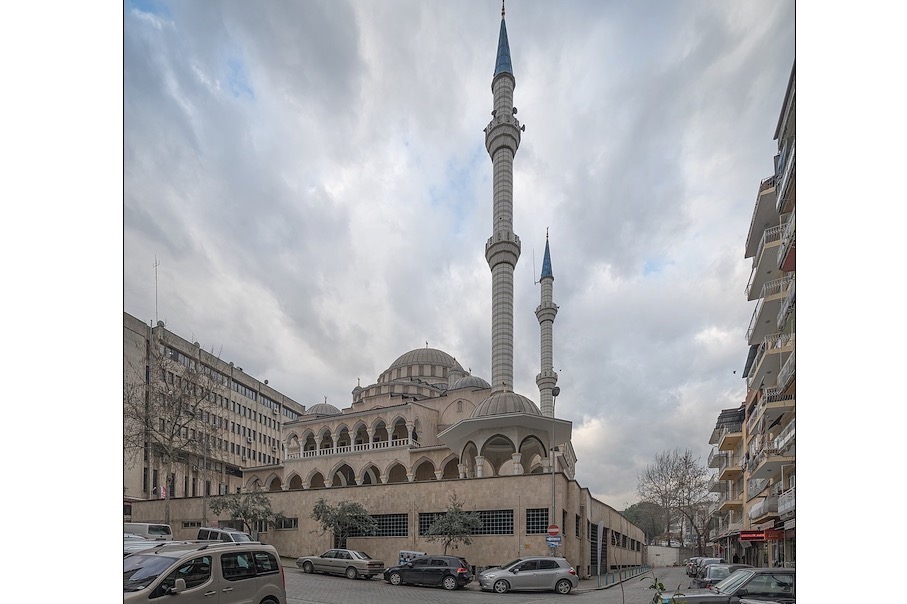
Application: used since antiquity for any type of building or art. The banded variety (falsely titled „Alabaster“) was popular in everyday objects, e.g., vases, bowls, dishes, and many more. Denizli Travertine was exported to almost everywhere in the world, and it is one of the Heritage Stones.
Finishes: polished, honed, filled
Frost resistant:
Some quarriers (in alphabetical order):
* Alimoğlu https://www.alimoglu.com/
* Basaranlar https://basaranlar.com.tr/
* Cecikler https://www.cekicler.com.tr/
* Kömürcüoglu https://www.komurcuoglu.com.tr/
* Temmer https://temmermarble.com/
* Tureks https://www.tureks.com/
Technical Data: