Stone-Ideas.com


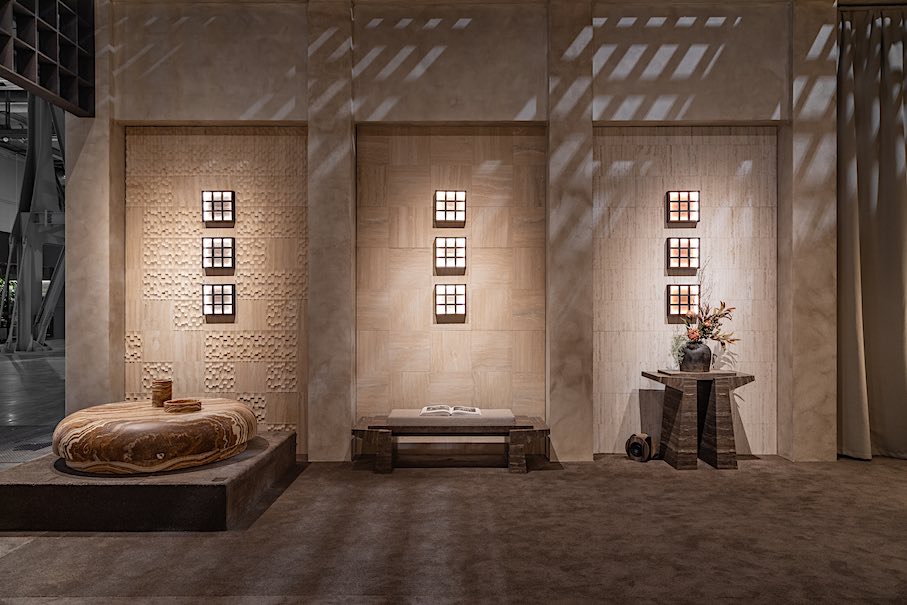
The design objects from the southern Italian company Monitillo 1980 can be described as “Functional Sculptures“: On the one hand, they are works of art, but on the other hand, they are also products for everyday use. The three-dimensionality typical of sculptures is also a hallmark of these objects – but how can you include wall tiles in such a collection, when they are usually completely flat?
The French designer Felix Millory was undeterred by the task and added the tiles called “Segni“ and “Scultura“ to the current Tecton collection. As usual, the material is natural stone.
This also expands the range of applications for tiles. The three-dimensionality allows surprising patterns to be created on walls, for example in the living room. Not only can you play with the arrangement when laying them. Combining different surface finishes creates a wide range of options.
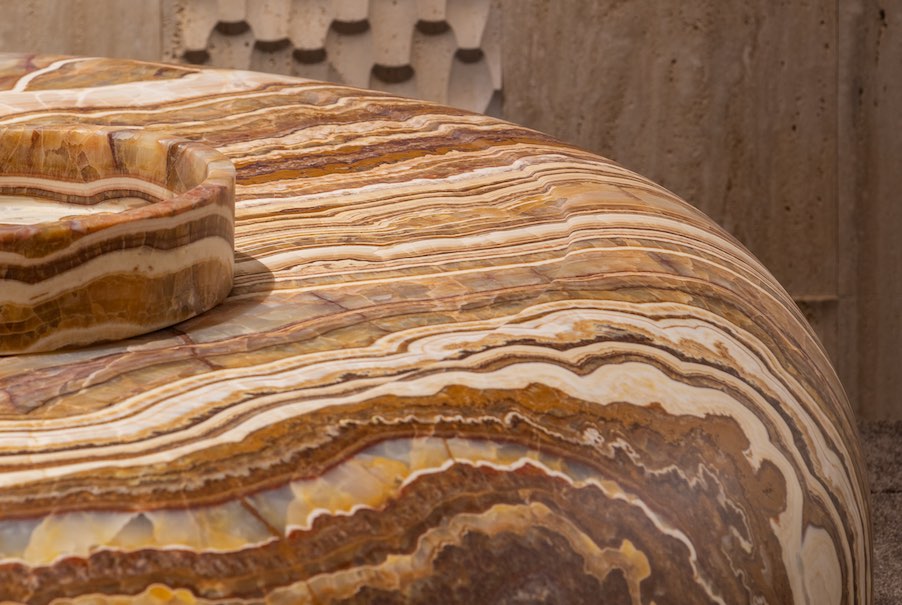
However, the use of lighting should be carefully planned, as the 3D surface is not particularly high.
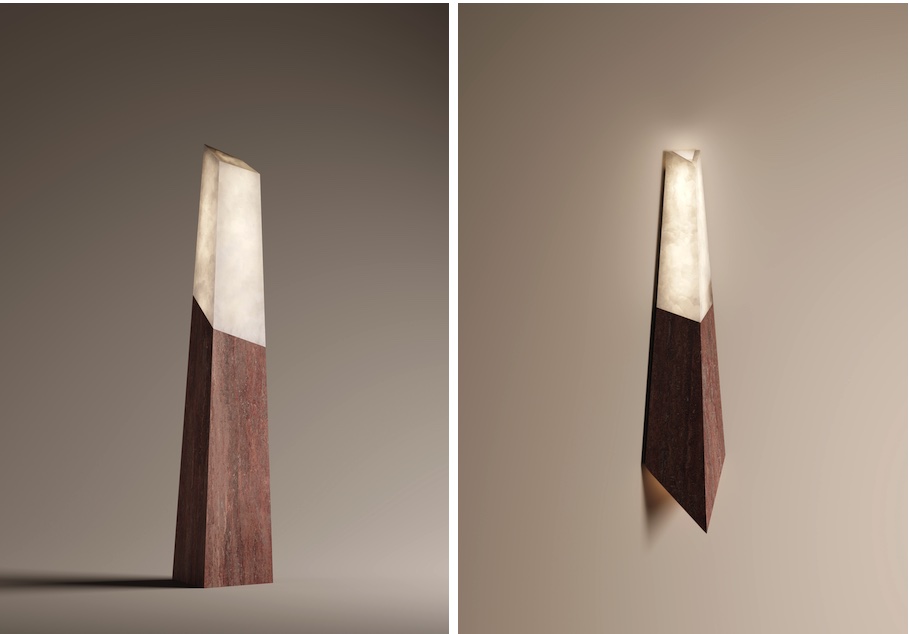
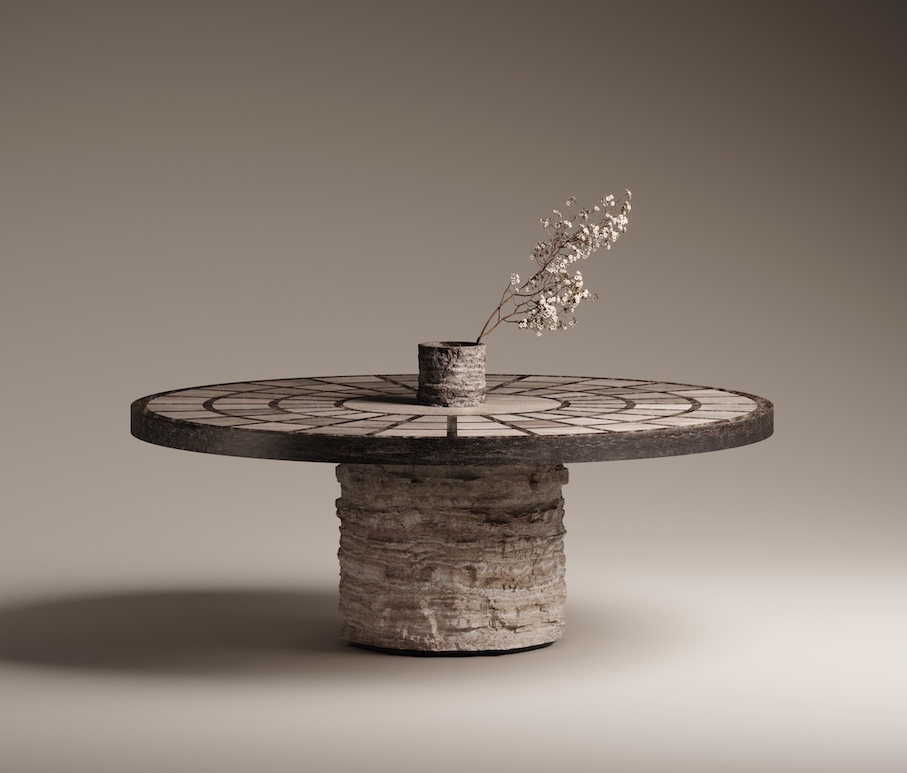
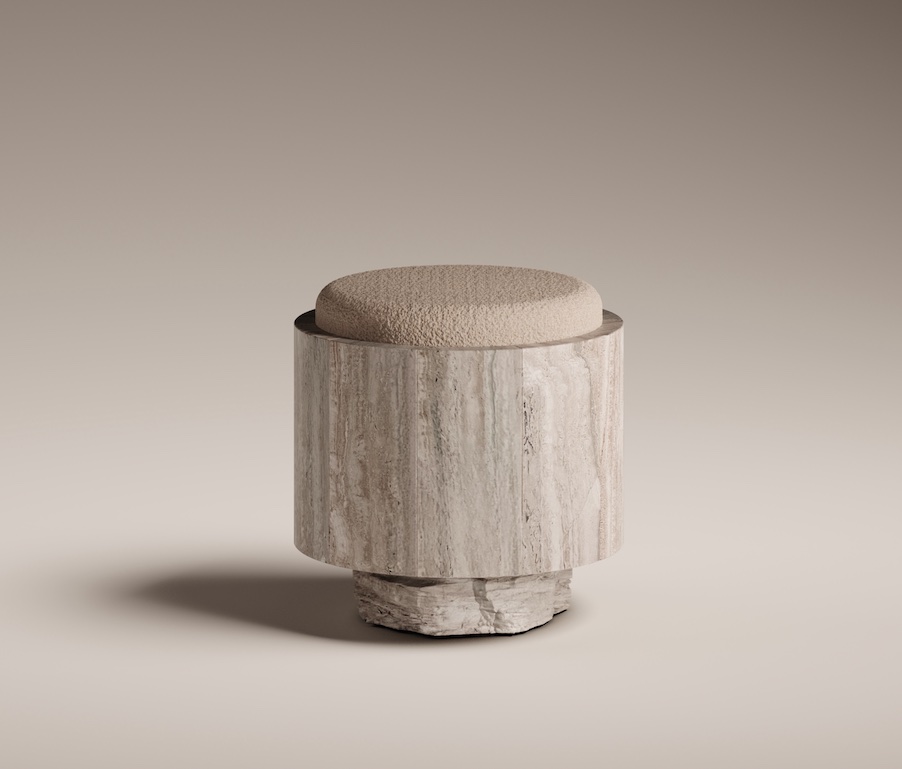
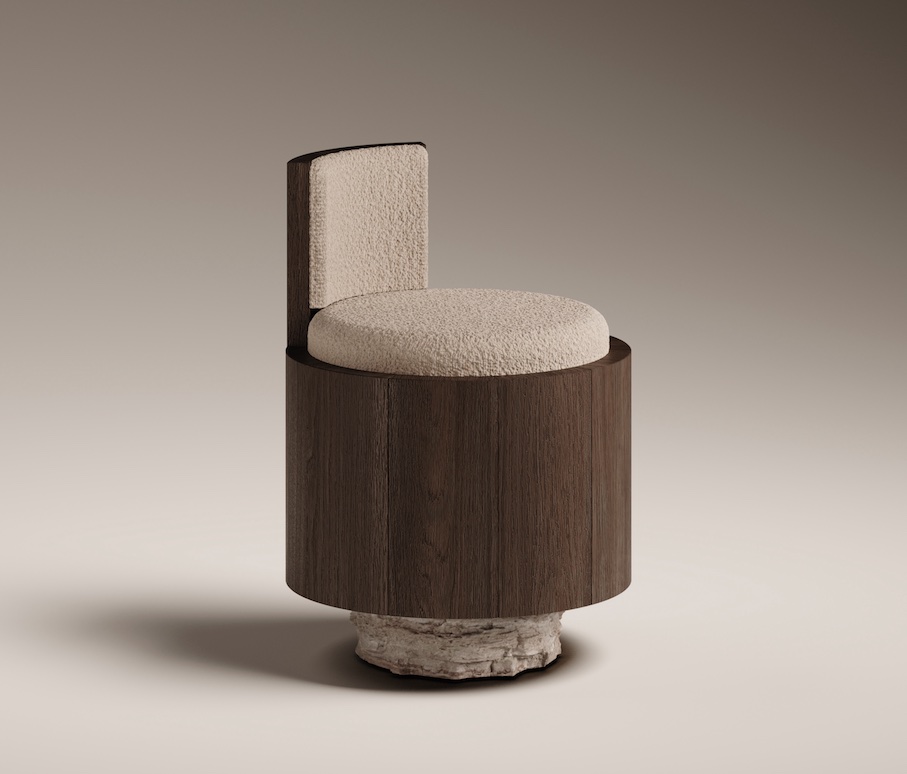
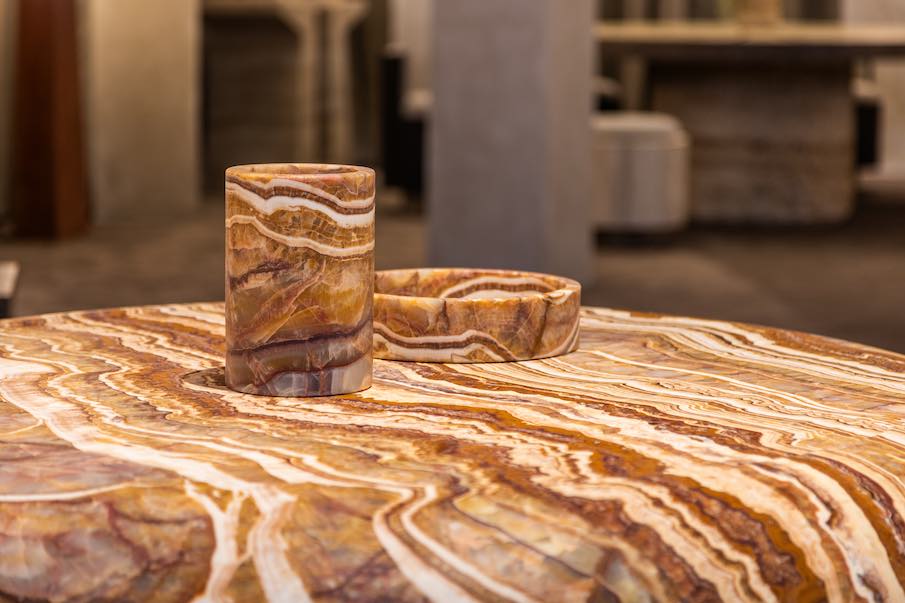
Tecton, the name of the entire collection, is a Greek term meaning “creating, shaping, and building.“ The creative use of natural stone is central to the dining tables, side tables, consoles, and lighting elements. These include dark travertine from Iran, light travertine from Italy, and onyx from Iran.
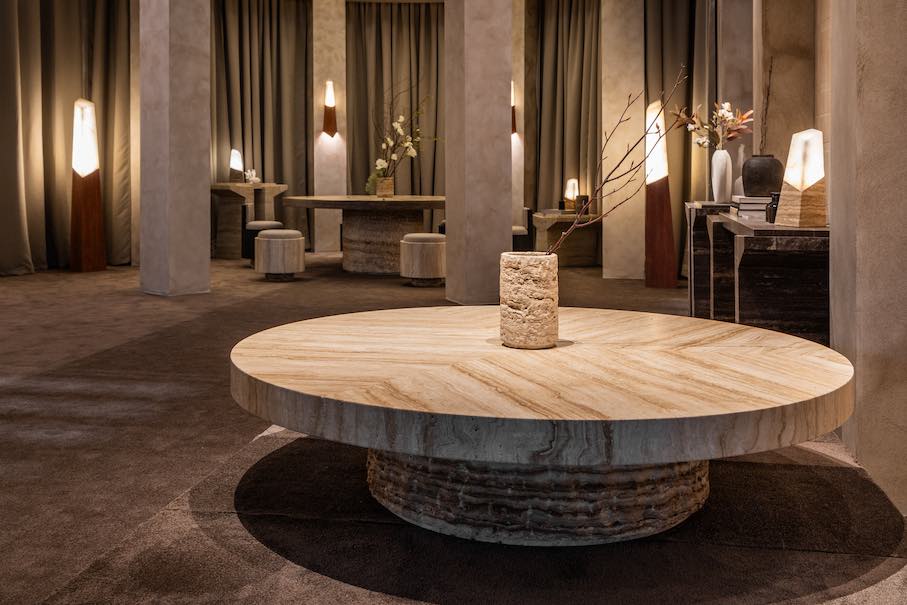
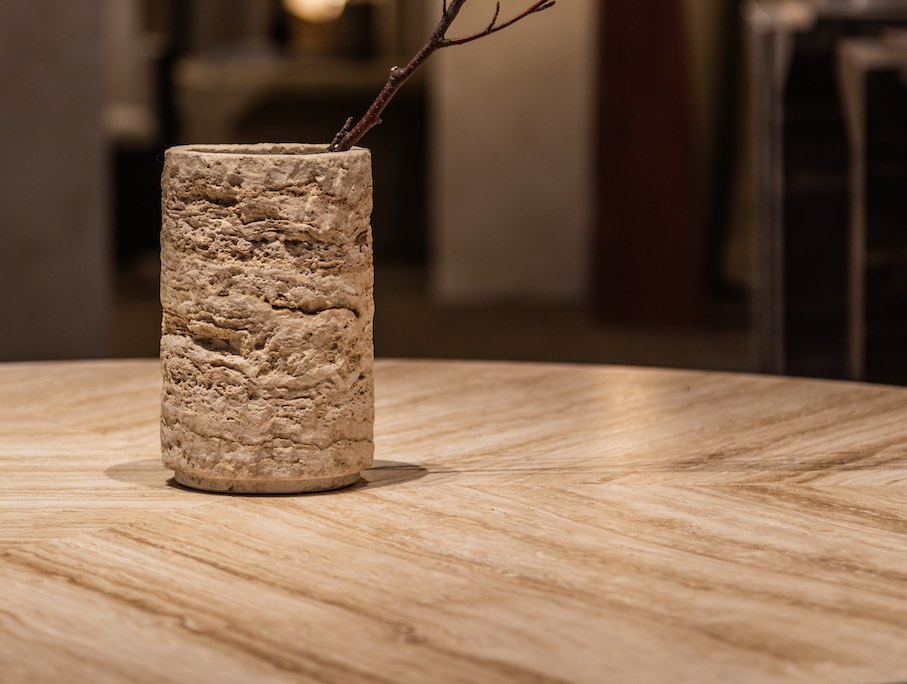
Contrast defines the objects: some have surfaces that are almost raw, while others are finely crafted. There are geometric lines, as well as the natural veins in the stone.
However, the stone is always left solid. But this isn’t always immediately apparent: “The result is a dialogue between solidity and lightness, permanence and transformation, and the stone is not merely a bearing element but also a means of artistic expression,“ the press materials state.
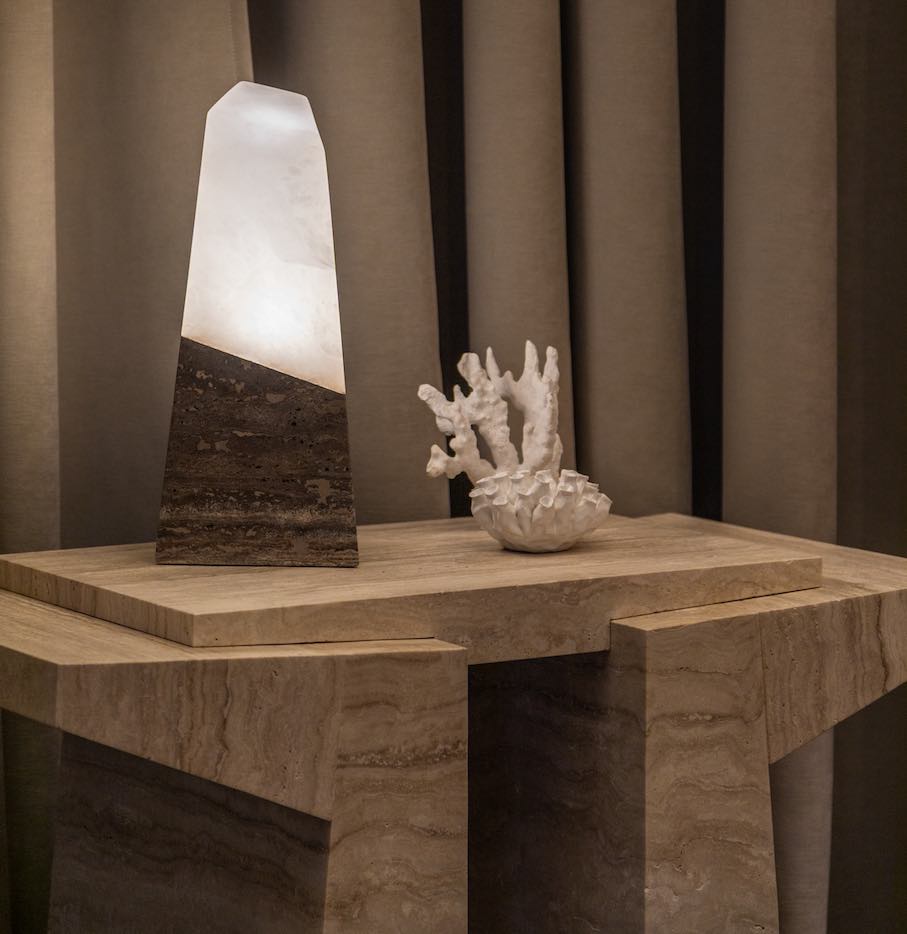
The name of the collection should not be confused with the artificial stone Dekton from Spanish Cosentino company.
Photos: Monitillo 1980