Stone-Ideas.com


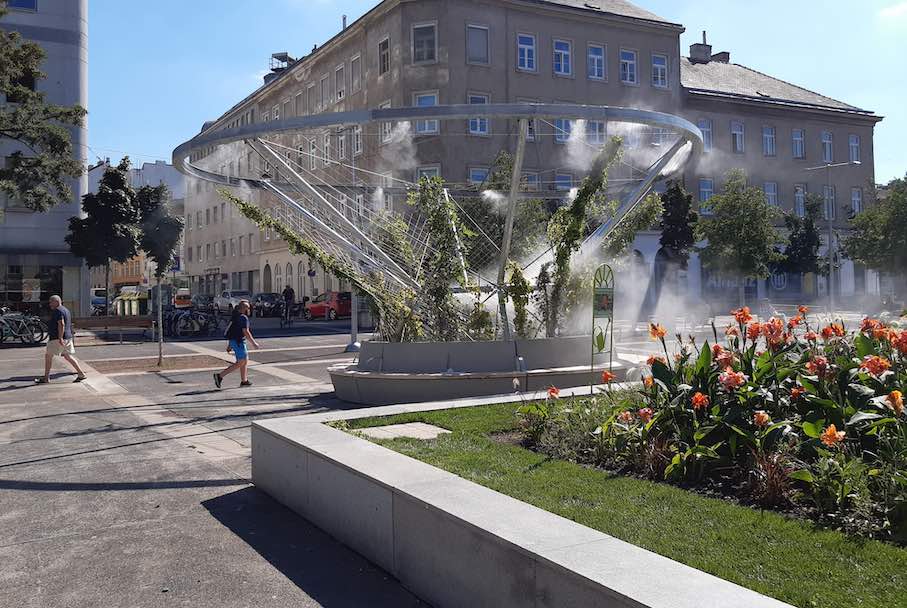
“Summers in Vienna are becoming noticeably hotter, both during the day and at night,” the guide’s introduction states. “As a result of climate change, the number of hot days in Austria’s cities has already more than doubled.”
Spanning 90 pages, the guide documents practical measures to mitigate heat stress in densely built-up urban areas. We explored the case studies with a focus on natural stone and highlight below the diverse ways it is being put to use.
The publication is available for free download online; thanks to the numerous images, the Viennese experiences are also understandable for readers who do not speak German.
The brochure is divided into three major themes: Water, Cool Surfaces, and Shade.
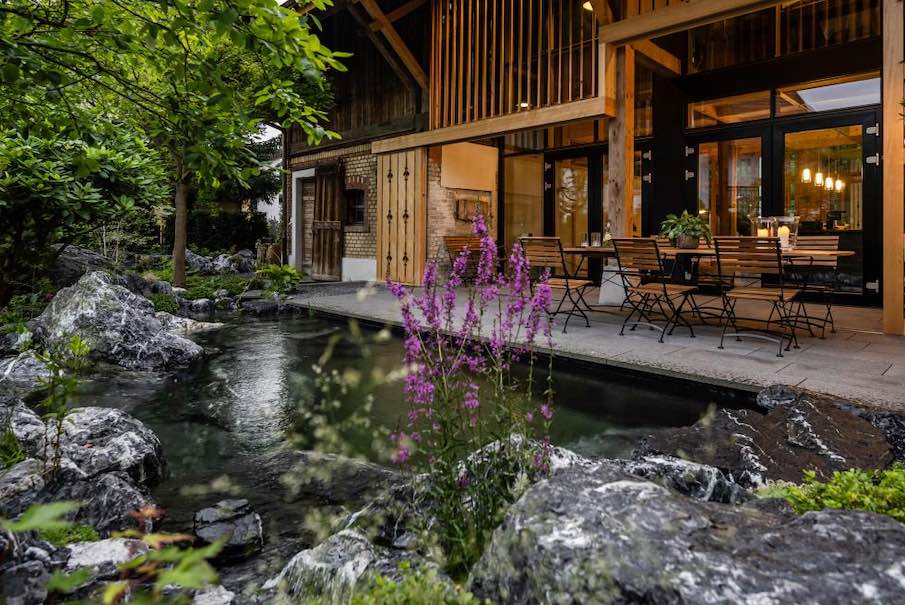
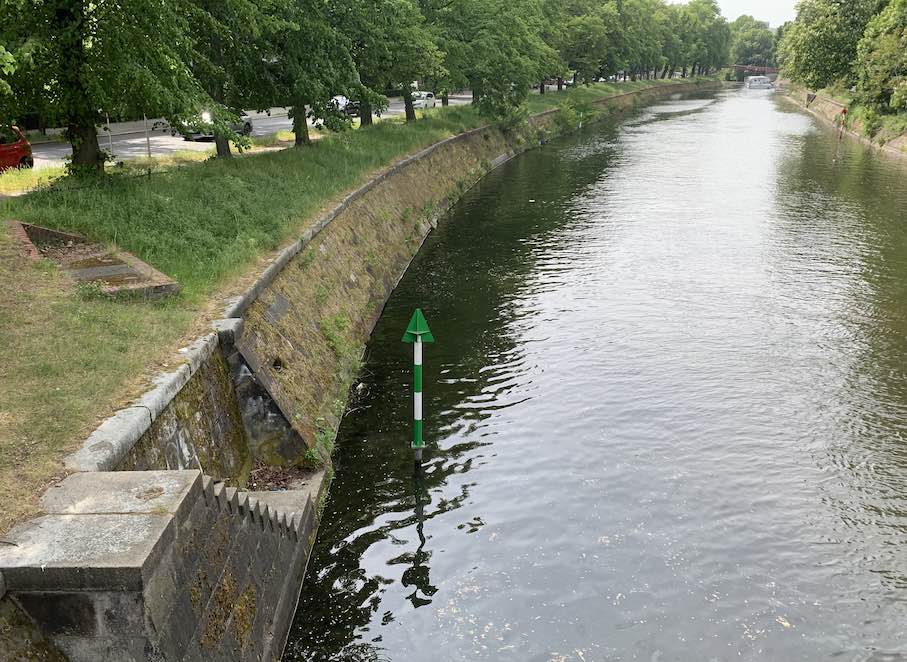
When it comes to water in the city, natural stone plays an important role. Water must be guided and managed, otherwise, it simply runs off.
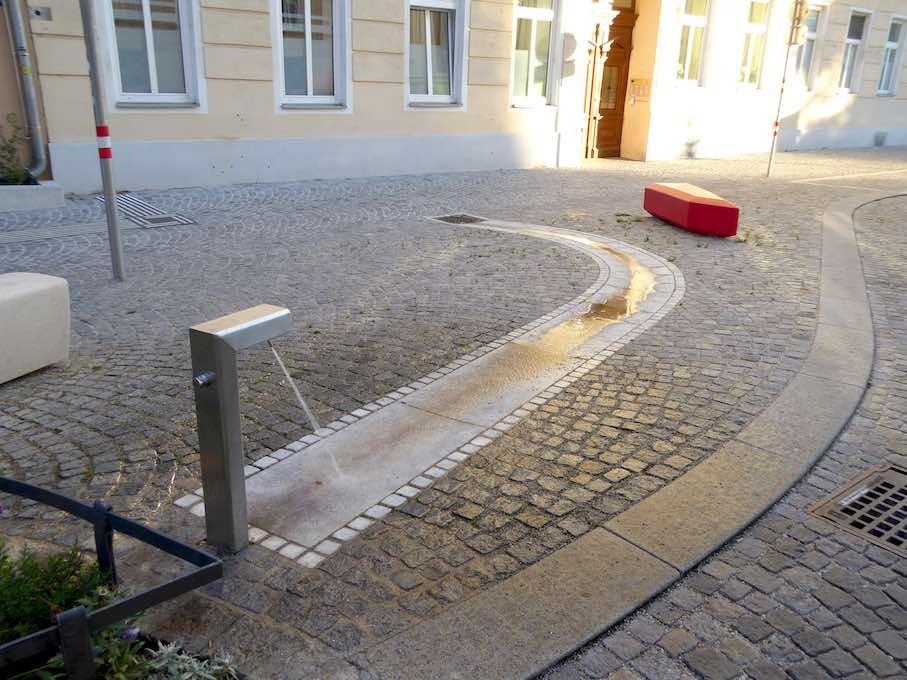
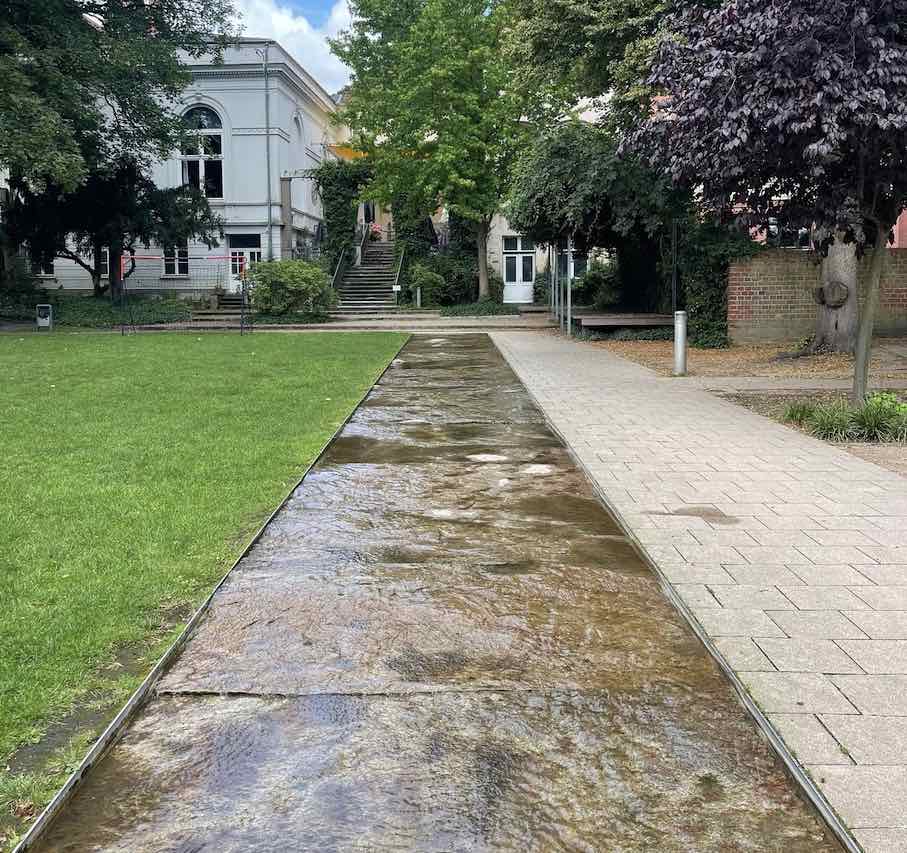
The most straightforward example is the gutter. Yet, as shown in a brochure from the Vienna City Gardens, water management can also be aesthetically engaging. The brochure features playful solutions such as fountains that only activate when switched on, sending streams not just upward, but also from the side.
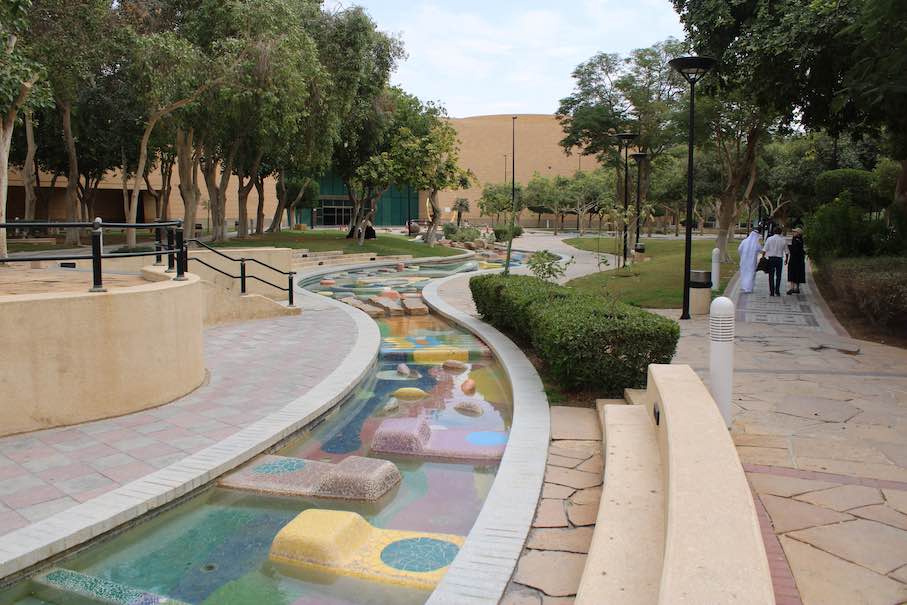
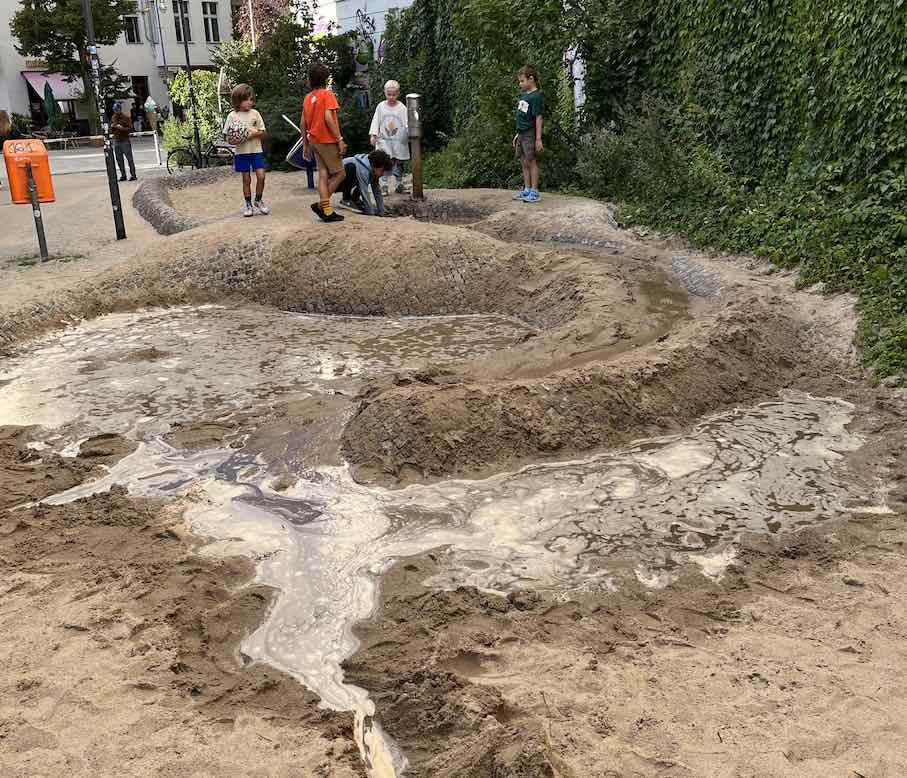
Water playgrounds are another highlight. They vary from small artificial streams to interactive sand-and-mud areas, inviting children to experiment and play.
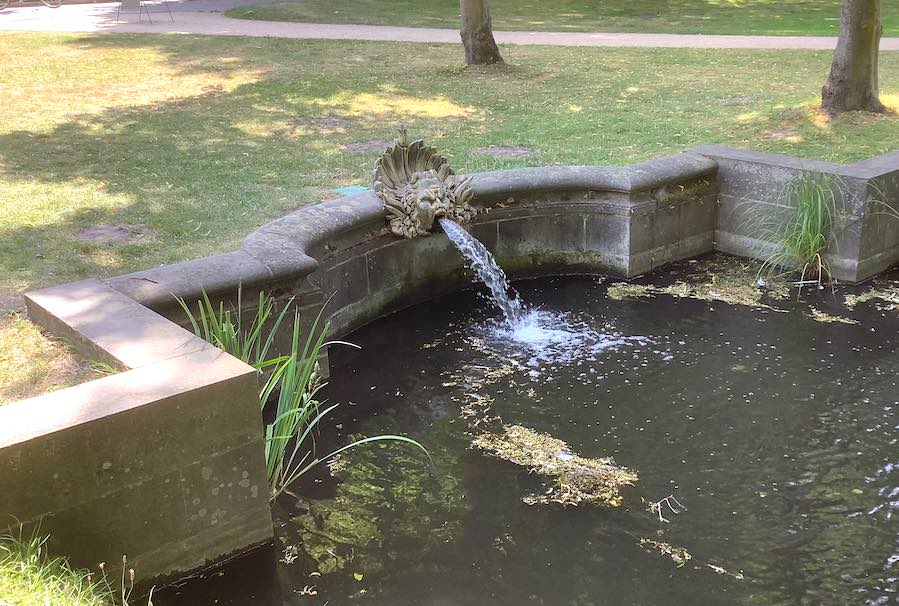
Fountains, of course, are a classic element in urban design. They not only supply drinking water to residents and animals but also enrich the visual character of the city.
For installations such as mist showers, mist columns, or ground-level misting systems, natural stone usually appears more subtly, as durable flooring or in the bases of the structures.
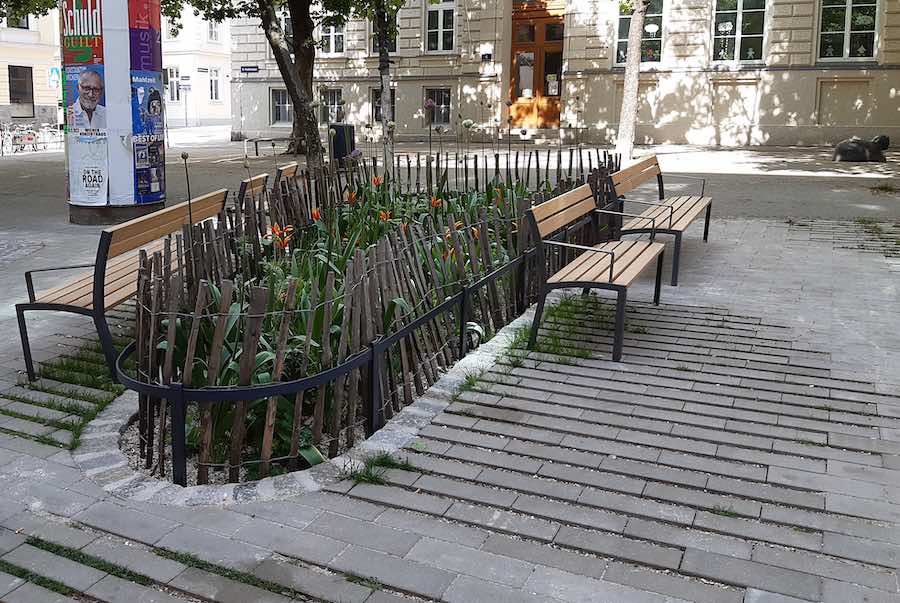
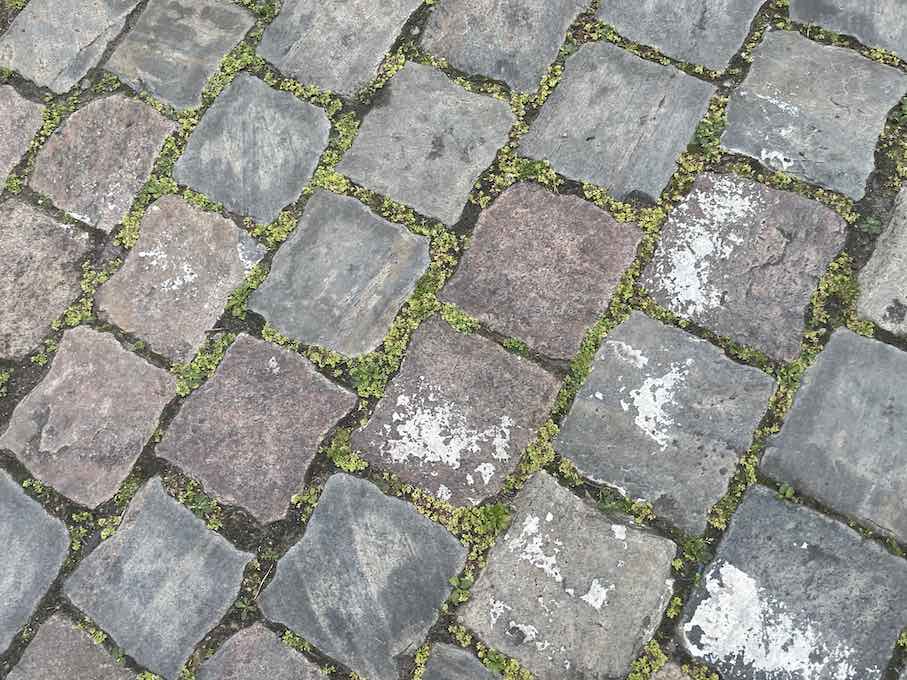
Paved surfaces also have a key function in urban water management. Their joints allow rainwater to infiltrate the ground rather than run off immediately. This principle supports strategies such as the sponge city concept (see below) and also benefits soil aeration and fertility.
The brochure emphasizes the use of light-colored paving stones because of their high albedo: they reflect much of the sun’s radiation and thus reduce heat accumulation.
Beyond ground design, curtain facades clad in natural stone can add extra insulation to building exteriors. These, however, belong more to the realm of architecture and are not the focus of the brochure.
When it comes to shade, the third crucial factor in counteracting urban overheating, plants take center stage. In Vienna, the City Gardens department practices intensive young tree care, employs a specially developed tree substrate, applies the sponge city principle, and has even created a specific range of street trees suited to local conditions.
The most effective trees for cooling are those with wide, spreading crowns. Where underground infrastructure limits space for roots, large-scale hedges can serve as an alternative. To a layperson, many of these hedge formations resemble trees in their own right.
More broadly, green spaces of all kinds, whether parks, green façades, or rooftop gardens, help cool the city through evaporation while also providing habitats for urban wildlife. Designed in a near-natural way, like meadows, they support biodiversity alongside climate resilience.
Our photos show examples from many cities.
Vienna City Gardens (multilingual)
COOLing Fibel download (German)