Stone-Ideas.com


The Royal Academy of Belgium (Académie Royale de Belgique) has released a new edition of the book “Pierres et Marbres en Wallonie. Reconnaissance et Genèse“ (Natural Stones and Marbles from Wallonia: Description and Origin). Published in the Academy for Your Pocket series (L’Académie en Poche), it provides an overview of the country’s geological history and its numerous types of natural stone.
From antiquity until the first half of the 20th century, Belgium was a major player in the global stone market, supplying materials for skyscraper facades in Manhattan, for example. It is important to note that this refers only to the Wallonia region with its hilly terrain – Flanders is flat and its landscape merges into the Netherlands.
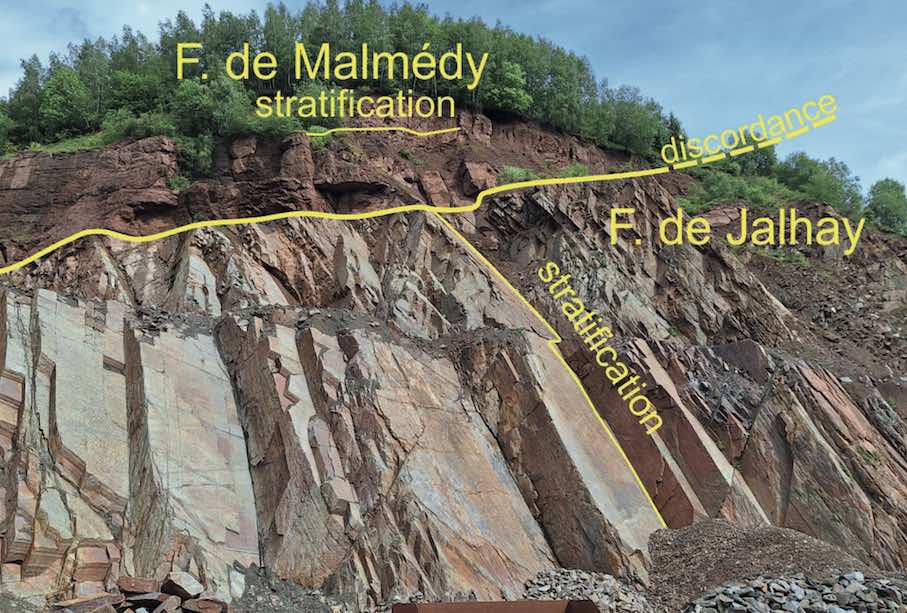
The book, approximately 140 pages long, can also be downloaded as a PDF. This helps interested readers who don’t speak French by allowing them to use a machine translation and also makes it possible to follow the described stone walks in Brussels and Liège, as well as to some quarries in the countryside.
“Every Belgian has — or had—local stone and marble in their home,“ reads the book’s opening sentence. This might seem exaggerated to an outsider, but a trip through Wallonia quickly reveals its truth. The old farmhouses have massive stone walls or at least decorative details made from local varieties, and even in new buildings, architects cultivate the cultural DNA of the region.
“A village without a quarry isnt truly Walloon,“ the authors quote a renowned local figure.
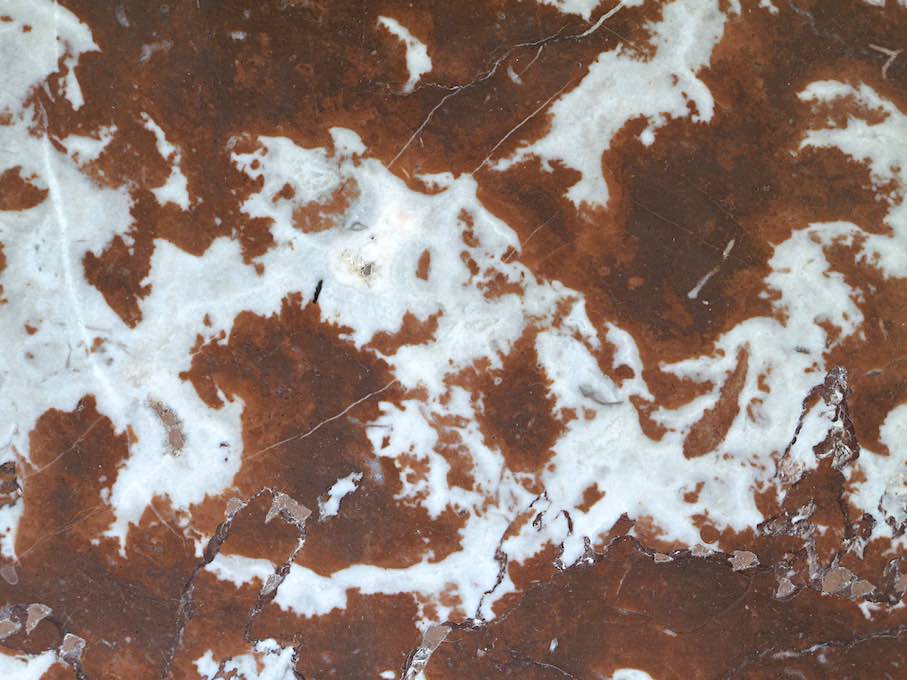
Besides practical types of stone like Petit Granit or even Stone Age flint known as Silex, the country’s supply also included many colorful and exclusive varieties of marble – these can be found in the palaces of neighboring France, for example, in Versailles.
The authors’ names represent their expertise from diverse perspectives:
* Frédéric Boulvain is Professor Emeritus of Geology and a member of the Academy;
* Capucine Bertola is a geologist who works for the Walloon Stones and Marbles Association and is also familiar with the topic from a consumer perspective;
* Anne-Christine Da Silva teaches sedimentology and geology at the University of Liège and conducts research there on geological timescales that span millions of years.
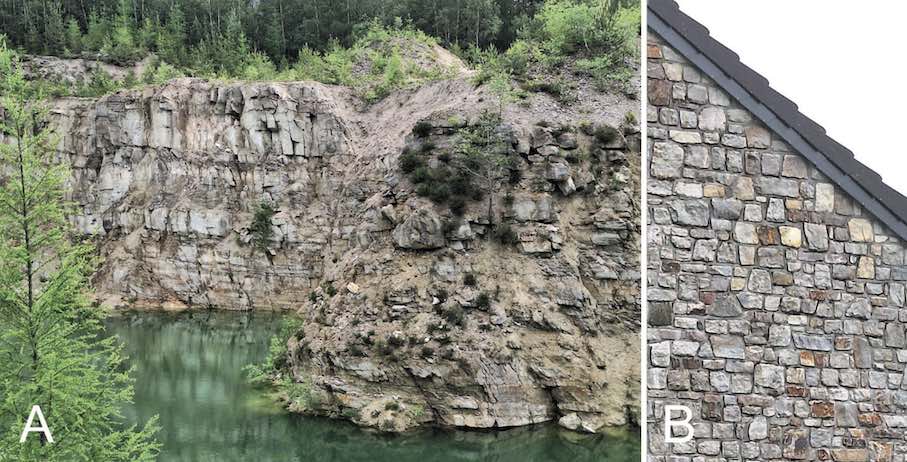
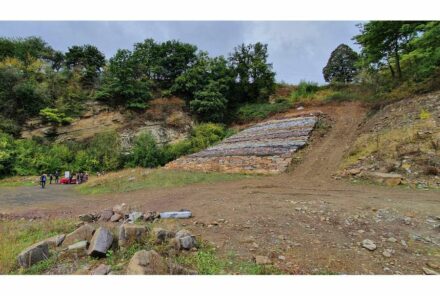
Three excursions are described: to quarries in Wallonia, to the border with Lorraine, and to the geological wall in the Comblain-au-Pont forest, where the geological scales are laid out in ascending order on a hillside.
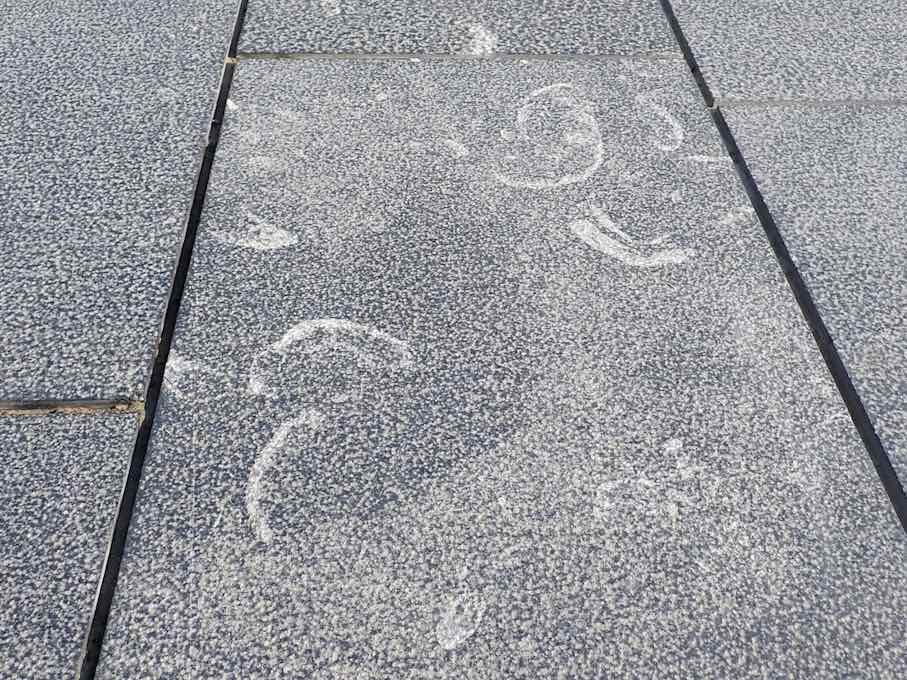
The guided tours in Brussels and Liège focus, among other things, on the street paving. “Although asphalt became the preferred material from the 1950s onwards, it only took a few decades for natural stone paving to be reintroduced in the historic center of Brussels to create a more harmonious overall appearance in the public space,“ the guidebook explains.
An overview of Belgian natural stone from a consumer perspective is provided by the publication of the association Belgian Natural Stone. The book is also available in English.
Photos: Trade Organisation