Stone-Ideas.com


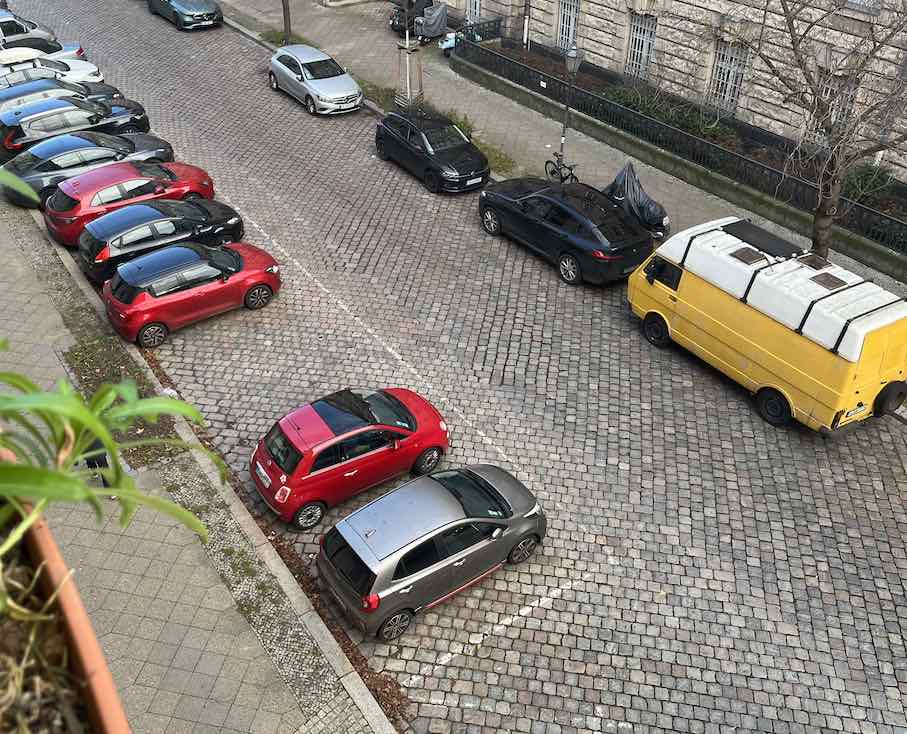
The focus is on the paving stones on the streets and sidewalks of Leipzig – what can they tell us about the city and its inhabitants? This is the question explored by the “Paving History” project at the Leibniz Institute for the History and Culture of Eastern Europe (GWZO). The project examines both the materials used (which stones were used and how they were processed) and the memories of the city’s residents associated with these pathways.
Project leader Stephanie Weisman describes the approach on the website: “By researching the tangible heritage – the materials, textures, and traces of urban surfaces – in combination with the (sensory) experiences, practices, and memories of their inhabitants, the project is equally interested in the material and the immaterial (emotional) heritage.”
Or, put theoretically: “Historical methods (analysis of textual and visual sources) are combined with anthropological approaches (sensory walks)… and historical material history is linked with individual sensory experiences.”
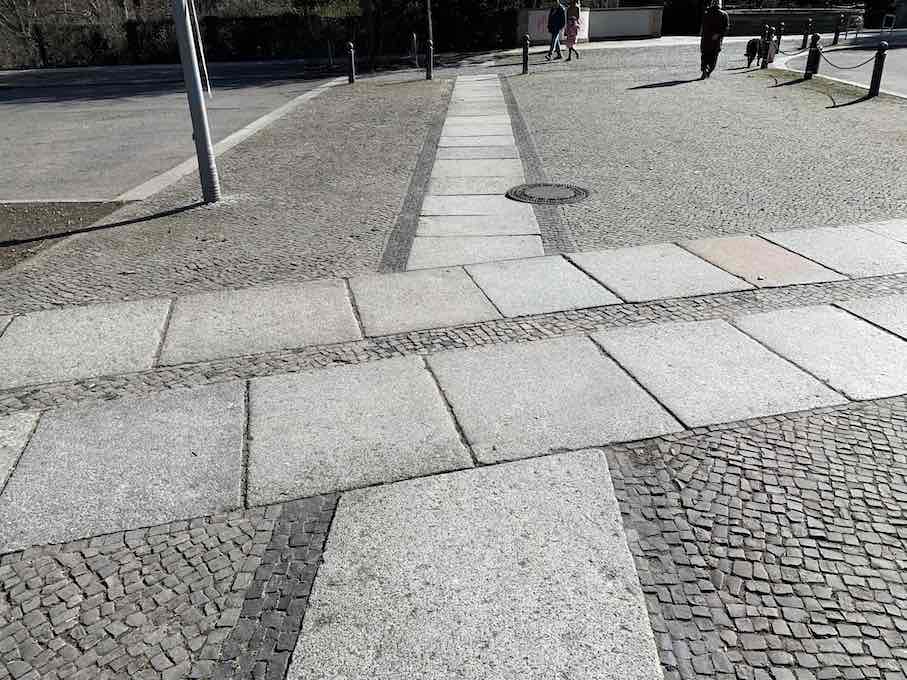
The project invites not only everyone – initially with a connection to Leipzig – to share their stories about paving stones, but also explicitly the professional experts involved (paving stone installers, stone industry, building material suppliers, paving stone suppliers).
To this end, there is:
* a questionnaire,
* themed paving stone walks in autumn 2026,
* a final exhibition in Leipzig’s New Town Hall in July 2027.
While the initial focus is on contributions from Leipzig, contacts, and stories from neighboring European countries and beyond are also welcome for future work.
The project is funded by the FWF – Austrian Science Fund.