Stone-Ideas.com


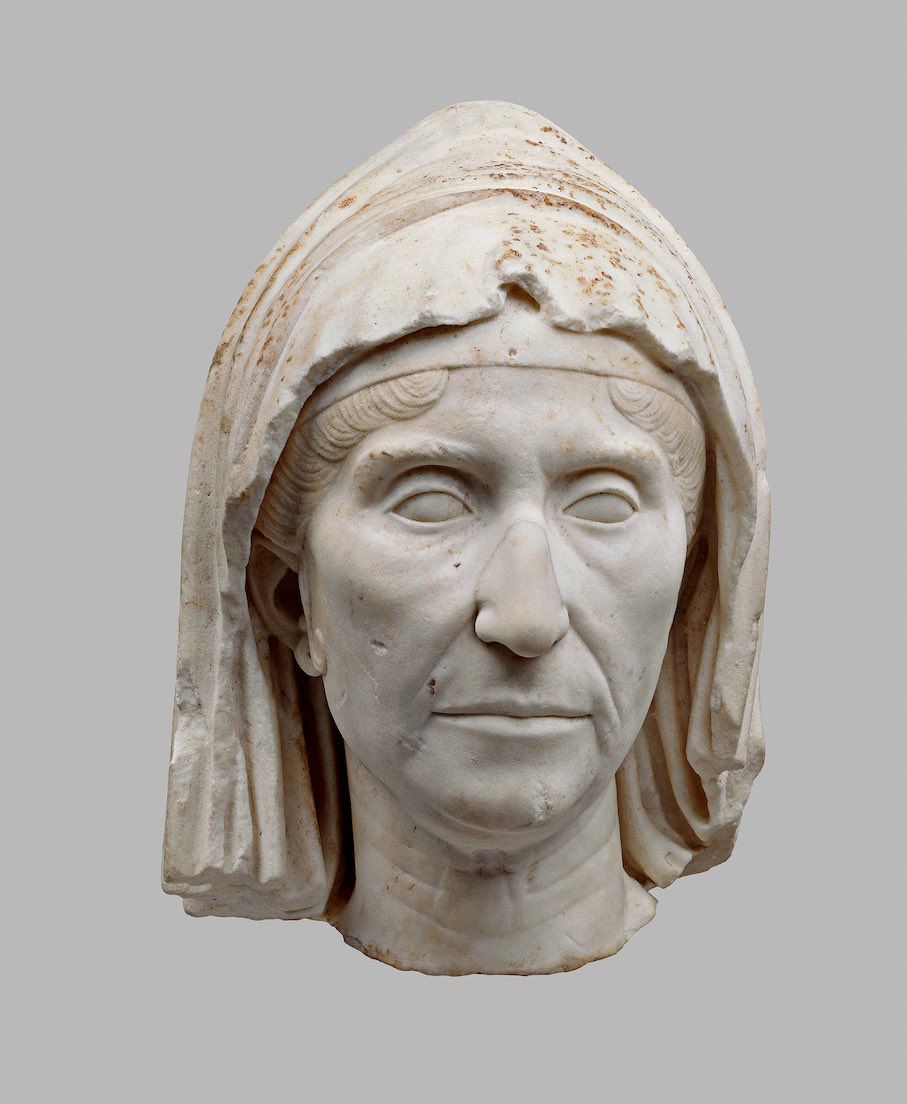
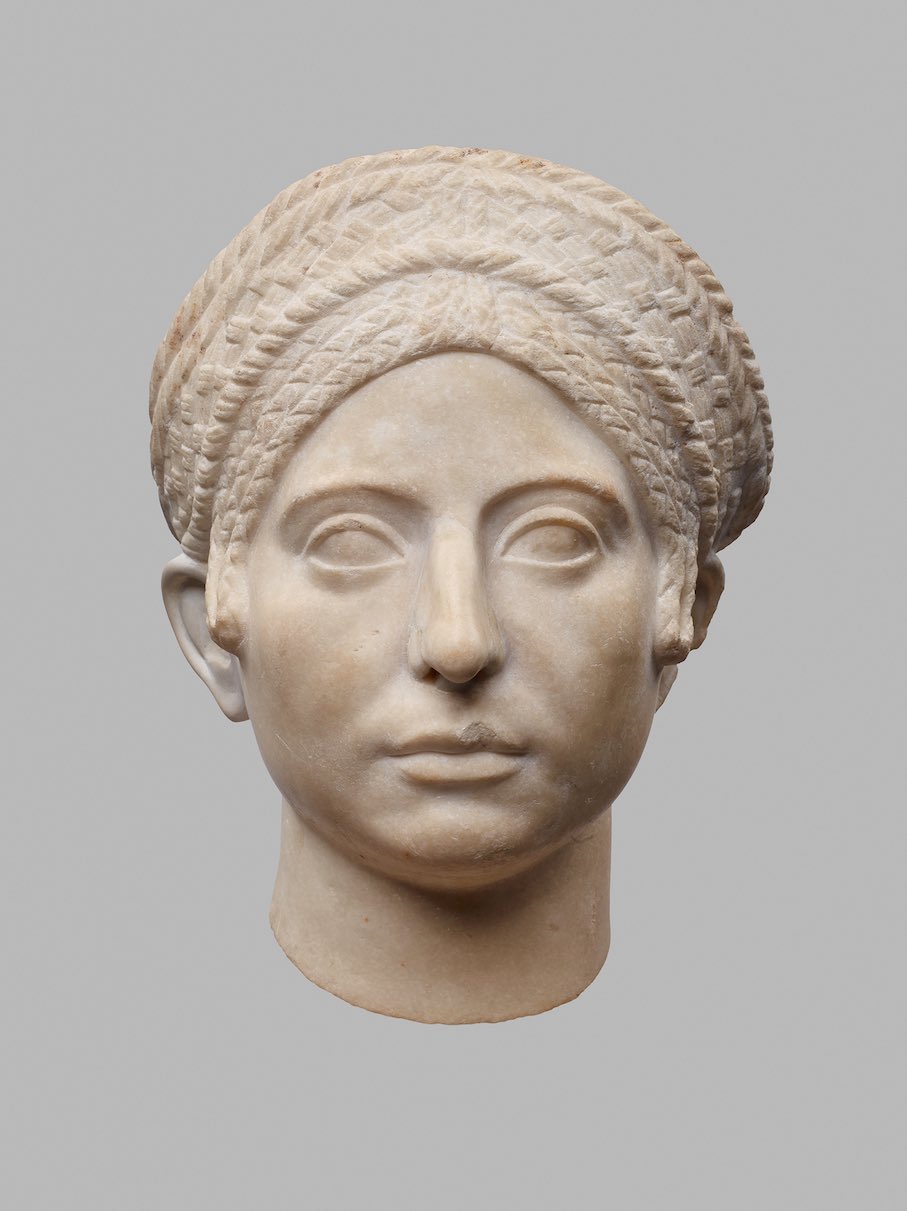
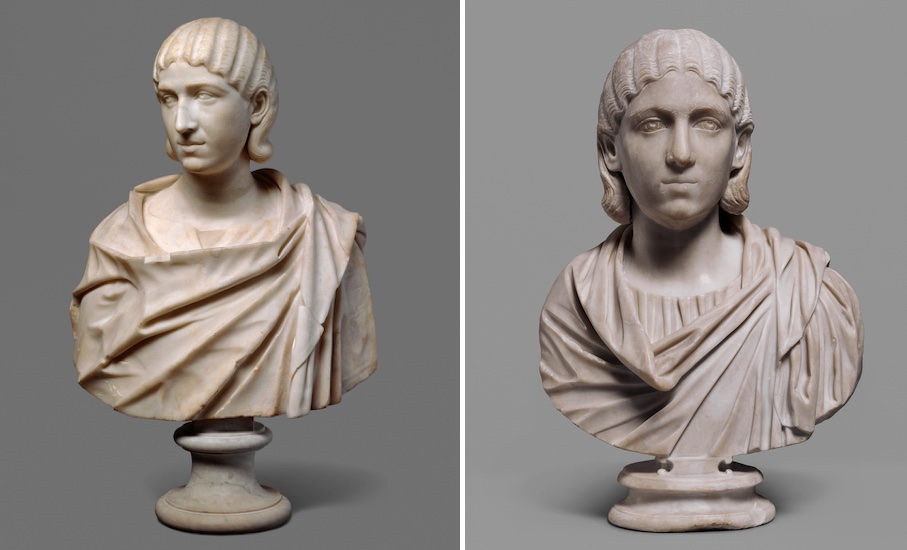
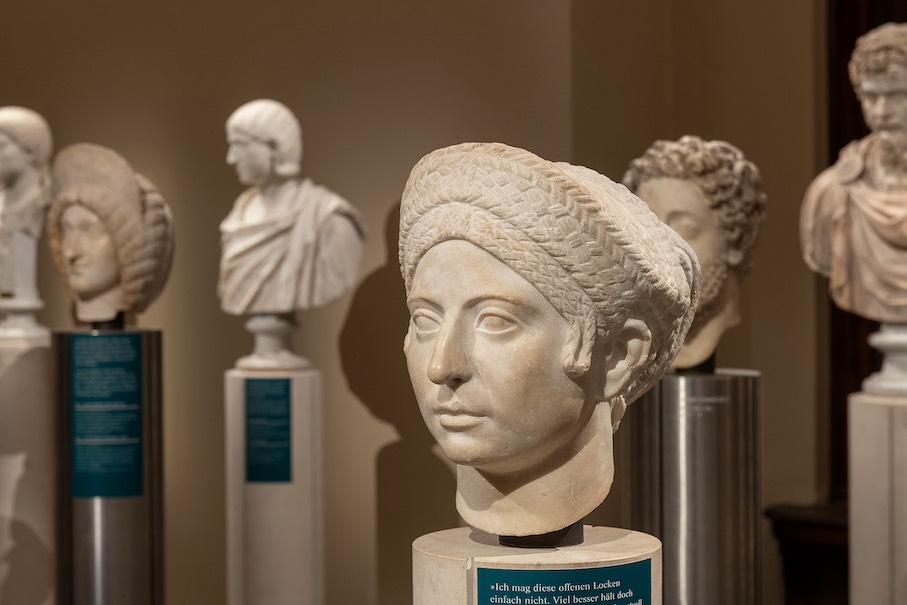
“My Story – Ancient Portraits of Women and Their Legacy” is the title of a special exhibition at the Kunsthistorisches Museum in Vienna, running through September 20, 2026. The focus is on two stone depictions of women from the Roman Empire; the sculptures themselves illustrate the detective work through which the museum’s researchers extract information about the figures: an often-underestimated detail is the hairstyle, which provides answers to questions such as the date of the sculpture or the identity of the subject.
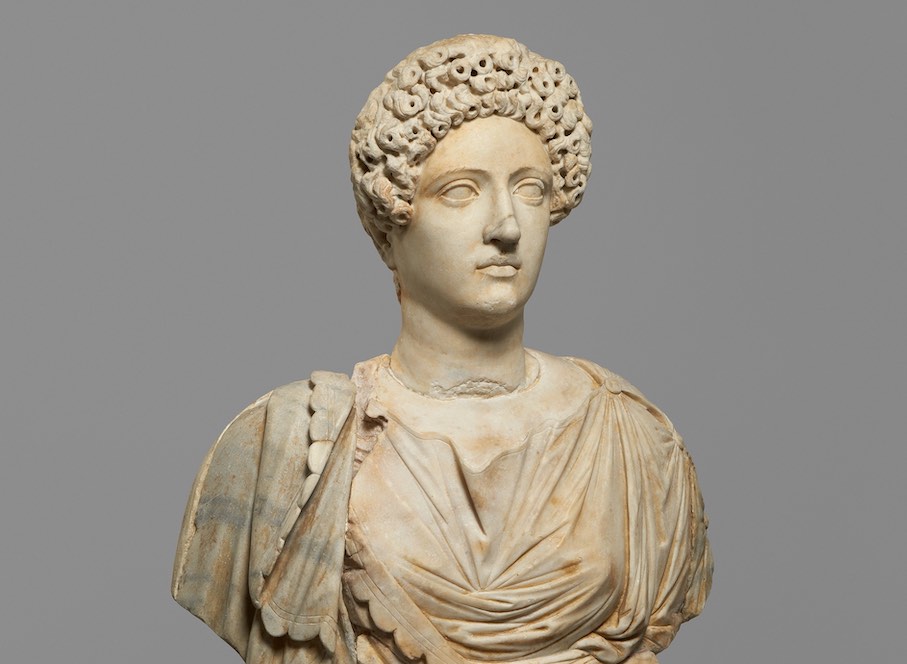
One of the busts is thought to depict the deified Julia (61–89 AD), daughter of Emperor Titus and niece of Emperor Domitian of the Flavian dynasty. She wears a distinctive hairstyle with a lock of hair falling over her forehead, a feature indicative of her rank and the era. The body is a sophisticated montage of ancient fragments – a capital and architectural ornamentation, added in the sixteenth century – so skilfully executed that the alterations went unnoticed for a long time. Here, ancient material meets early modern creative intent.
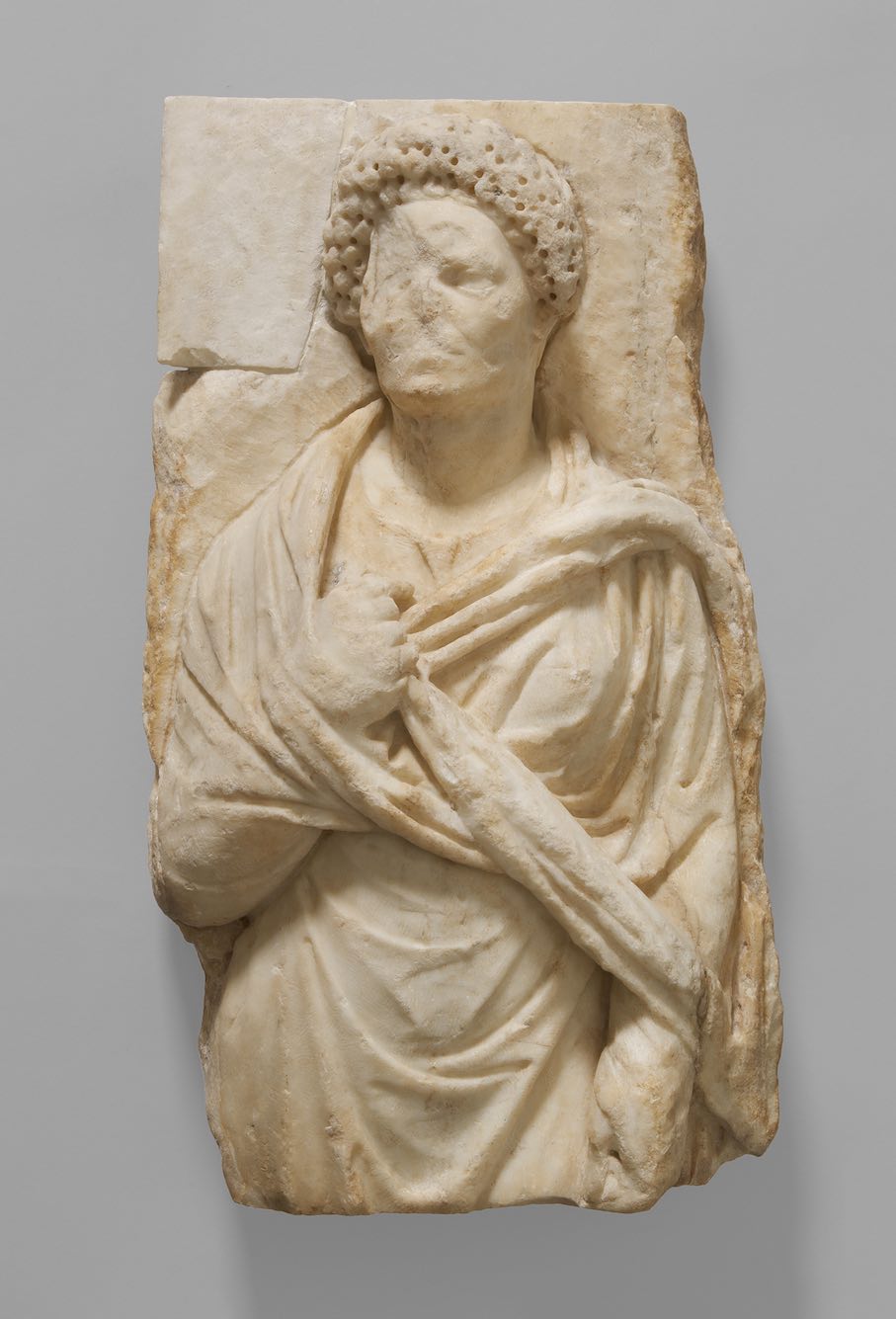
The second exhibit – a funerary relief of an elderly woman in the style of the ‘Great Herculaneum Woman’ – tells a different story. She too wears a hairstyle typical of the period, identifying her as a contemporary of Julia. Her precious, traditional clothing suggests she was a wealthy woman. Yet her original context has been lost: cut out of a larger setting, the frame and accompanying figures, such as her husband, are now missing.
Both works presumably reached the Venetian art market via maritime trade from Attica and from there, in the eighteenth century, entered the collection of the Marchese Tommaso Obizzi (d.1803), who established his own museum of antiquities in his castle at Catajo near Padua.
The other selected portraits of women in the collection expand this perspective and unfold an impressive panorama of female self-representation in antiquity – multifaceted, changeable, and astonishingly vivid.
The Collection of Greek and Roman Antiquities at the Kunsthistorisches Museum houses around 250 Roman marble portraits, among them the Matrona with capite velate (c. 40 BCE, marble), on the picture on top. Their particular impact lies, to this day, in the immediacy with which they bring people from a distant past to life. In this special exhibition, the ancient sculptures themselves take the floor, telling us about their appearance and the central role played by an often-underestimated detail: their hairstyle. This allows us to explore key questions in portrait research – from dating to identity.
The special exhibition is part of a comprehensive research project dedicated to the ‘biographies’ of ancient sculptures. At its heart lies the question: how can a work be assessed when it no longer reflects its state upon discovery, but bears the traces of a long post-ancient history? For many portraits were altered on multiple occasions – not just since the Renaissance, but as early as antiquity. Heads were given new hairstyles, adapted to changing fashions or for pragmatic reasons such as a shortage of materials. Thus, a portrait was repeatedly reinterpreted and reshaped.
Kunsthistorisches Museum, Wien