Stone-Ideas.com


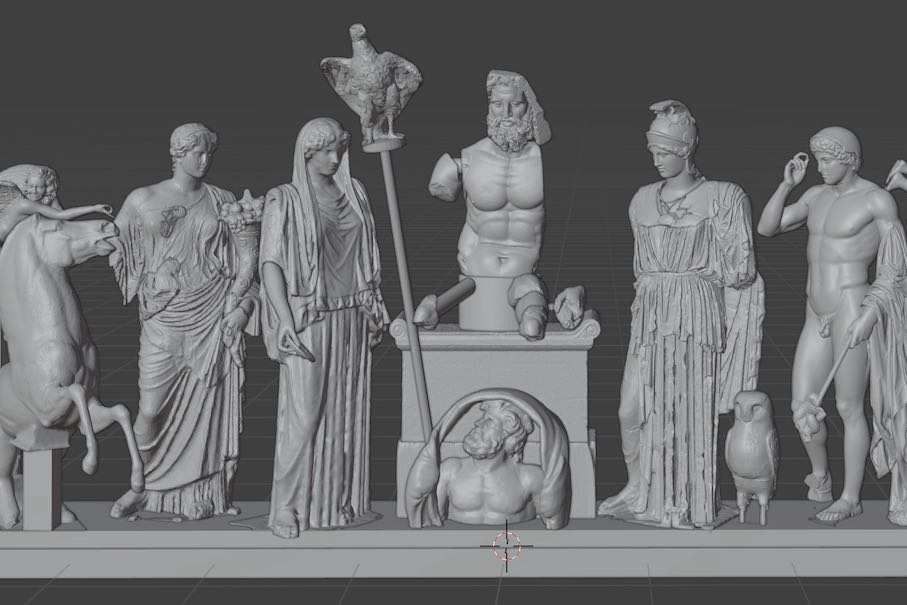
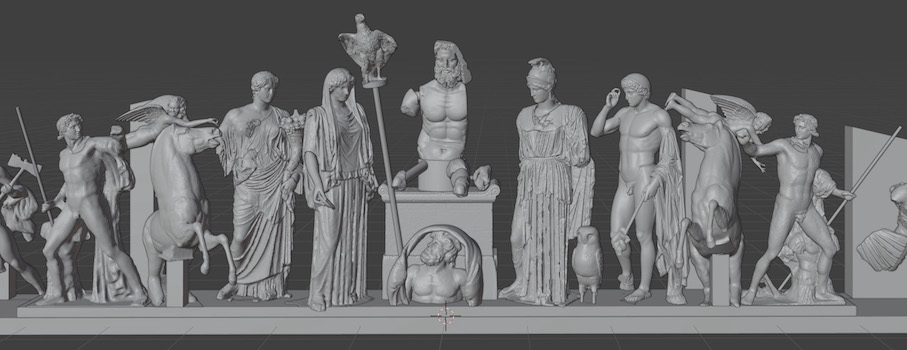
Due to its exceptional artistic and technical quality, the Parthenon on the Acropolis in Athens is widely considered to be the most significant monument of ancient Greece. From November 18, 2026, to July 25, 2027, the Liebieghaus Skulpturensammlung in Frankfurt/Main, Germany, will be dedicating a comprehensive exhibition to the pediment sculptures of this iconic temple, centred on spectacular new findings from many years of research. The team led by Vinzenz Brinkmann, Head of the Liebieghaus Department of Antiquities, has, using innovative methods, developed for the first time an archaeologically sound proposal for the complete reconstruction of the sculptures on the east pediment, making outstanding discoveries in the process.
The exhibition “Athena, the Stage is Yours: The Parthenon Puzzle“ presents these research findings to the public for the first time and brings together high-calibre loans from, among others, the British Museum in London and the Acropolis Museum in Athens, alongside selected exhibits from the museum’s own collection.
Built in the fifth century BCE, the Parthenon was dedicated to the goddess Athena and was also a powerful symbol of Athens’ wealth, influence and cultural prestige. Its east pediment depicted the birth of Athena from the head of Zeus – a primordial cosmological event handed down through ancient written sources.
In the course of Christianisation, large parts of the composition, comprising a total of thirty-nine figures, were destroyed. Although all known fragments were published as early as 1910, key questions regarding the original arrangement and form of the ensemble have hitherto remained unresolved.
Now, the research team led by Vinzenz Brinkmann has achieved a decisive breakthrough: numerous fragments have been reattributed to individual figures and, with the aid of archaeological, art-historical and technological methods, have been brought together for the first time to form a well-founded overall picture. Depictions on reliefs of Roman sarcophagi provided crucial clues to the original composition. Using modern techniques such as 3D scanning, the fragments were digitally assembled, and a true-to-scale model of the sculptural group was ultimately reconstructed.
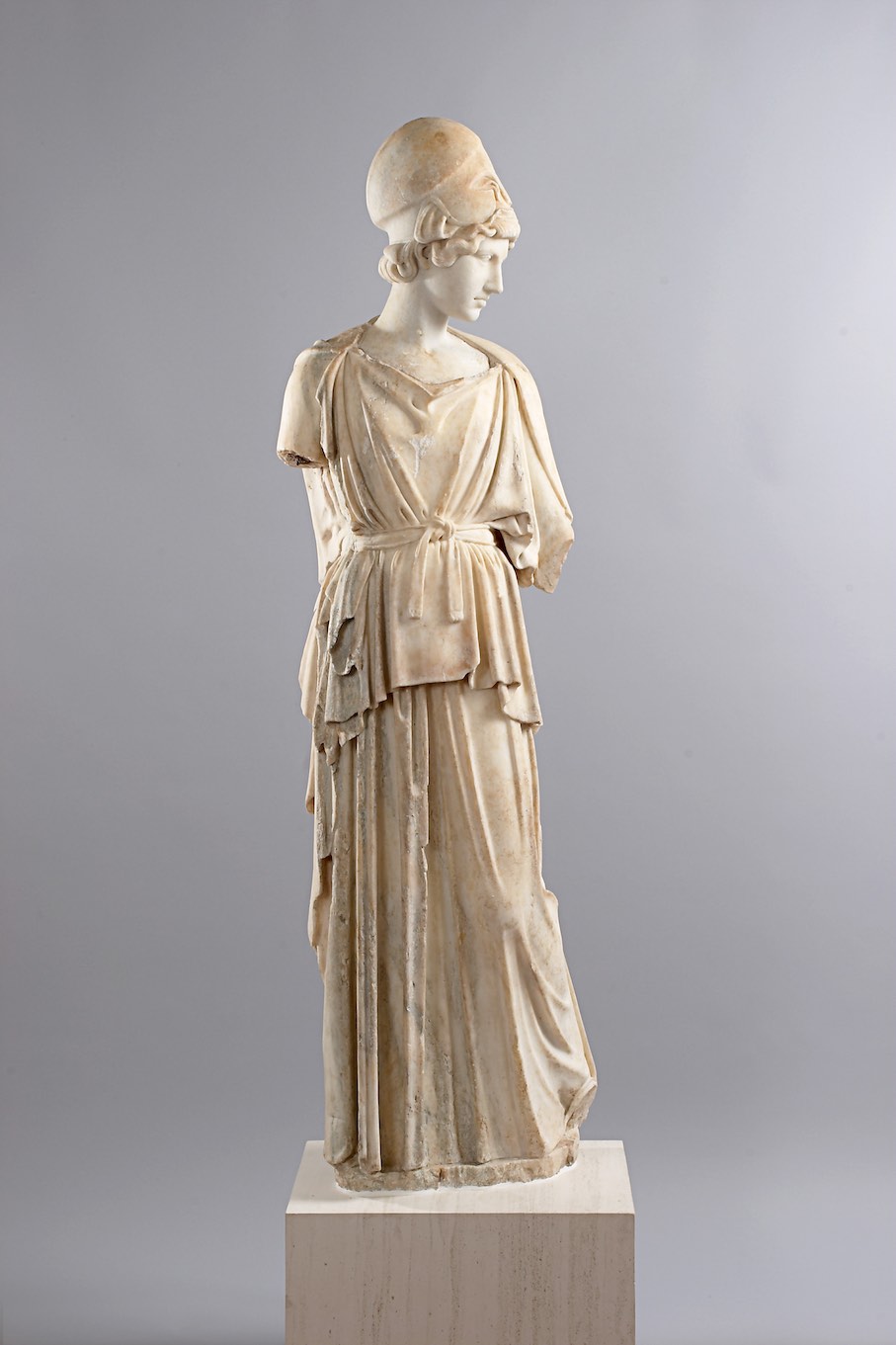
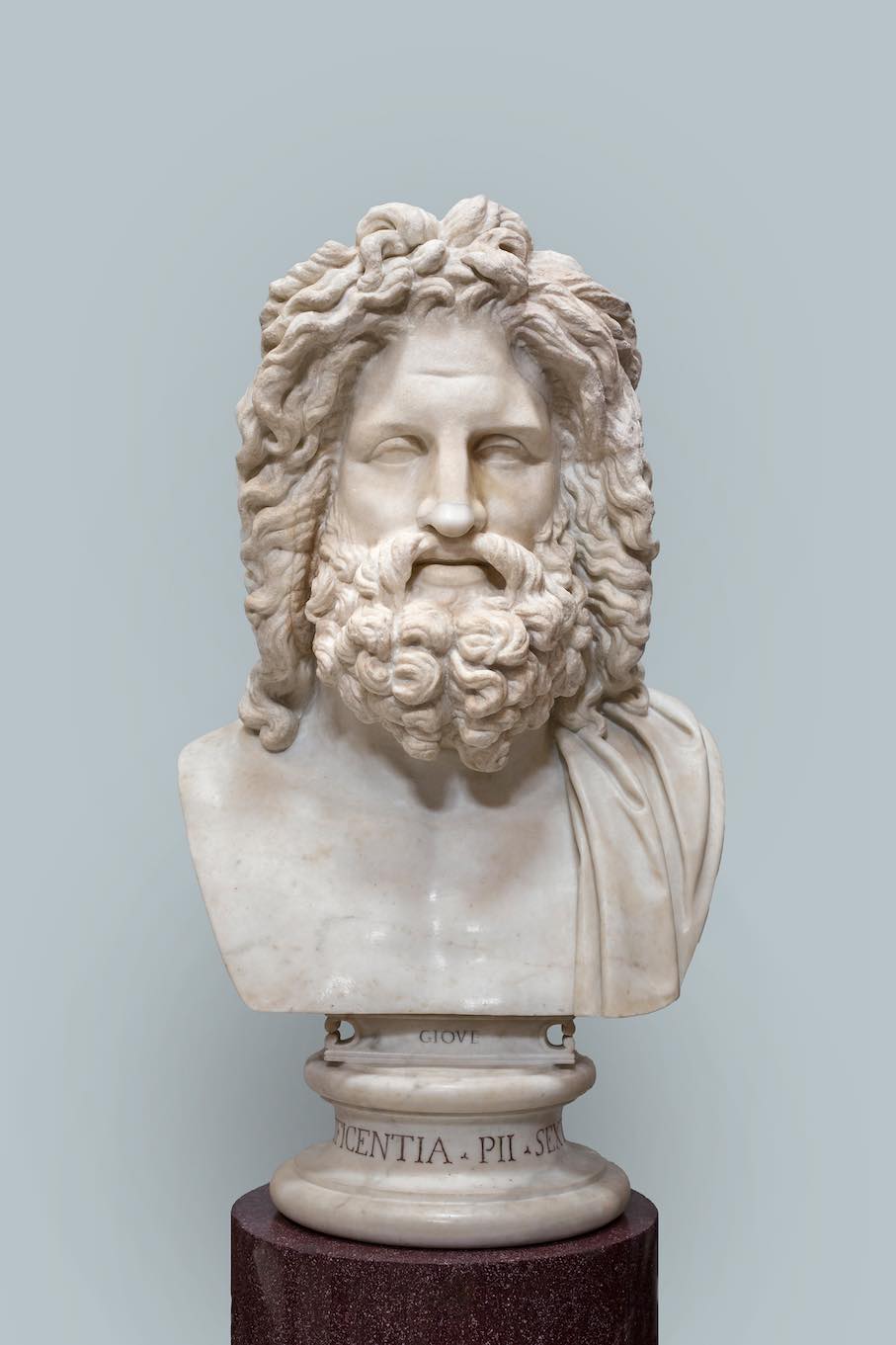
A particular highlight of the exhibition is an impressive, scenographic presentation that guides visitors step by step through the process of reconstruction. High-calibre loans from renowned international collections, including the Vatican Museums, the Louvre in Paris and the Museo Archeologico Nazionale di Venezia, illustrate the research findings and make the connections clear. An overview of the approximately two-hundred-year history of Parthenon research complements the presentation.
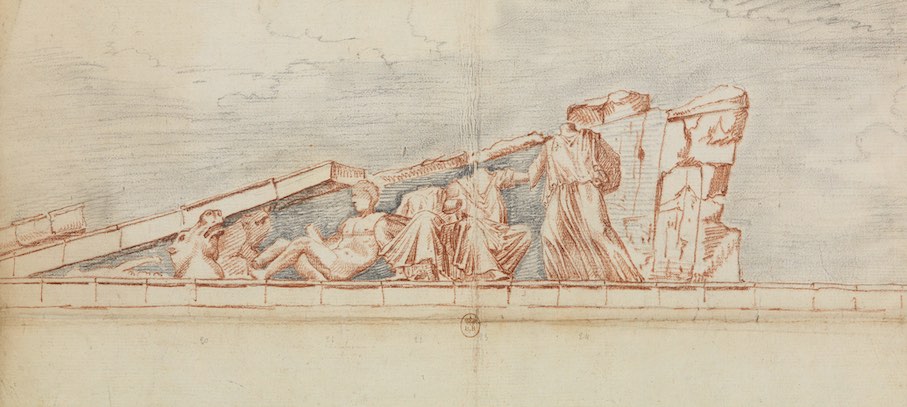
The exhibition concludes with a specially developed animation in which the figures on the east pediment come to life, allowing visitors to experience the reconstruction in a striking way.
“Athena, the Stage is Yours: The Parthenon Puzzle Exhibition Dates“
November 18, 2026 through July 25, 2027
Liebieghaus Skulpturensammlung, Schaumainkai 71, 60596 Frankfurt am Main, Germany
https://liebieghaus.de/
Opening Hours: Tue, Wed 12.00 noon–6.00 pm Uhr, Thur 10.00 am–9.00 pm, Fri–Sun 10.00 am–6.00 pm, closed on Mondays