Stone-Ideas.com


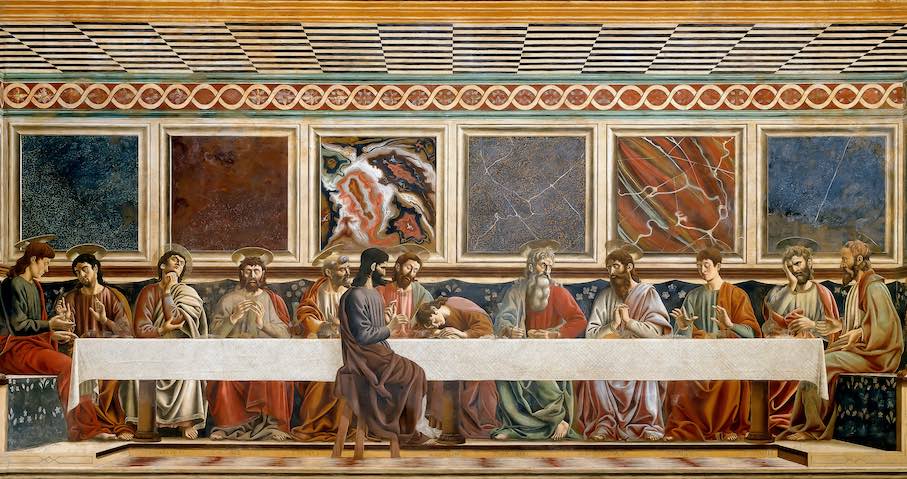
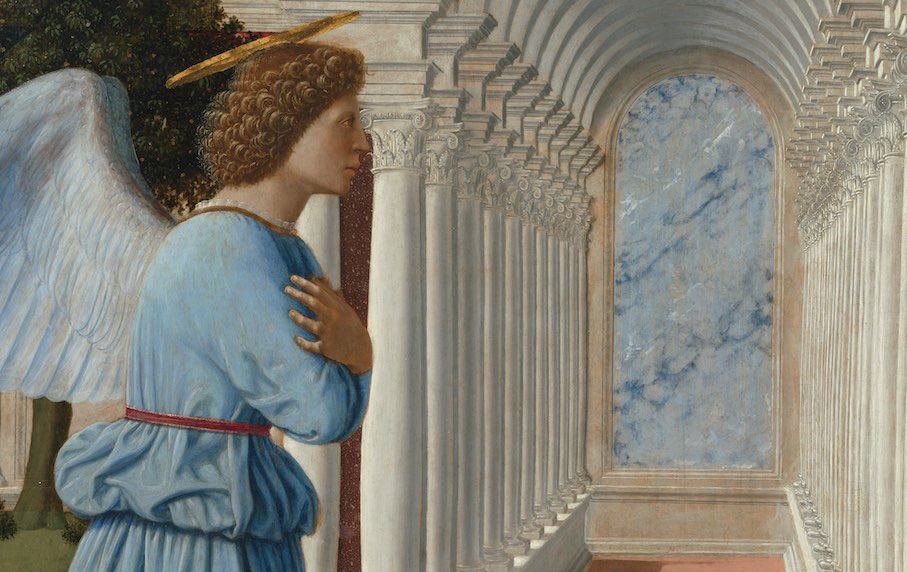
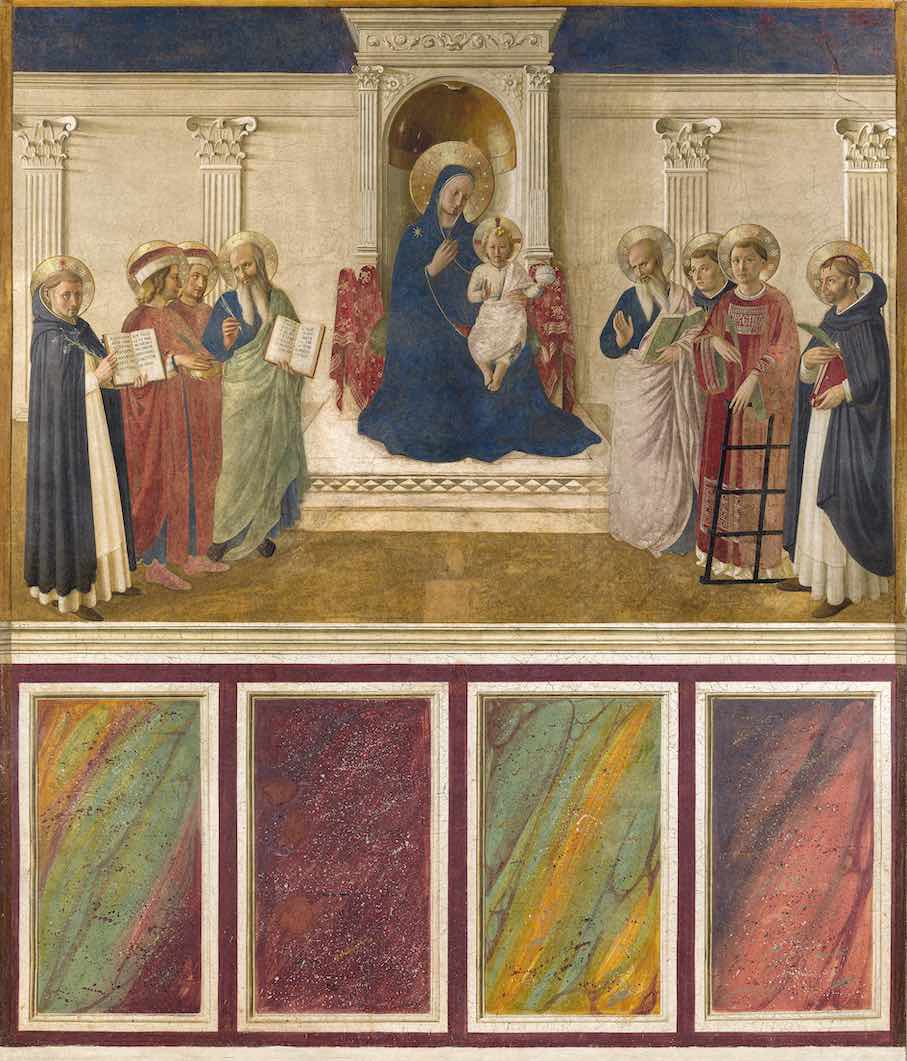
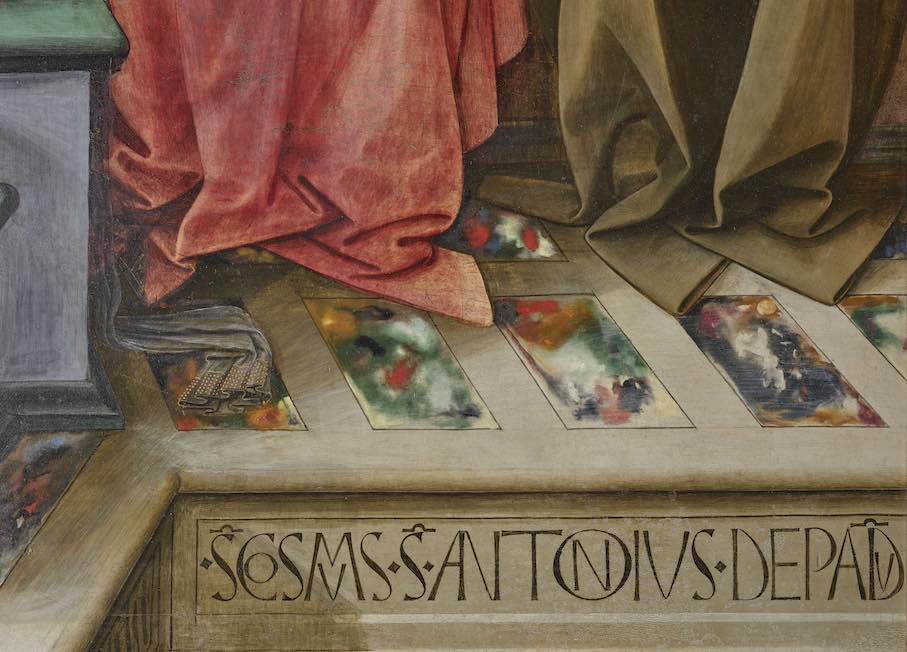
The book “Divine Presence: Depictions of Marble in Late Gothic and Early Renaissance Painting” explores marble and other colored natural stones and how medieval painters depicted them to represent the divine and the miracles of the Christian faith. It is authored by Karl Kolbitz, who previously described the use of stone in the entrance halls of Milanese palazzi. Published by Hatje Cantz, the book is designed as a collector’s item and is limited to 999 copies: printed in Italy, bound in fine linen with gilt edges, and printed on high-quality paper.
To understand the thinking of artists before the Renaissance and the Enlightenment, one must travel back in time.
The fundamental principle of the ancient worldview was that everything is permeated by God and his life-giving breath, and that all matter is on a path from a lesser value to a more precious substance, ultimately becoming gold. Alchemists were at the forefront of this line of thought, as were astrologers in their search for the causes of events on Earth.
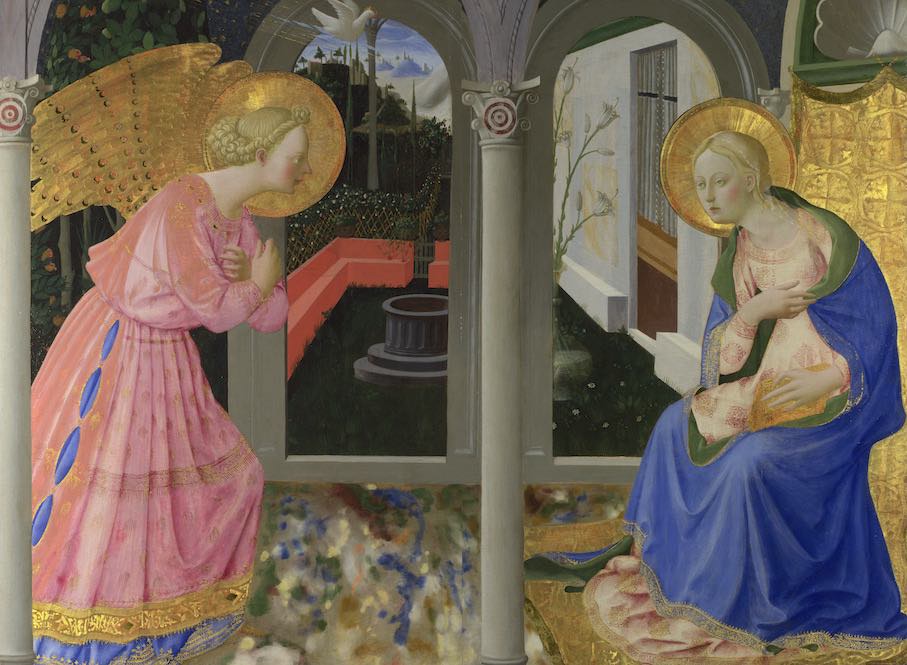
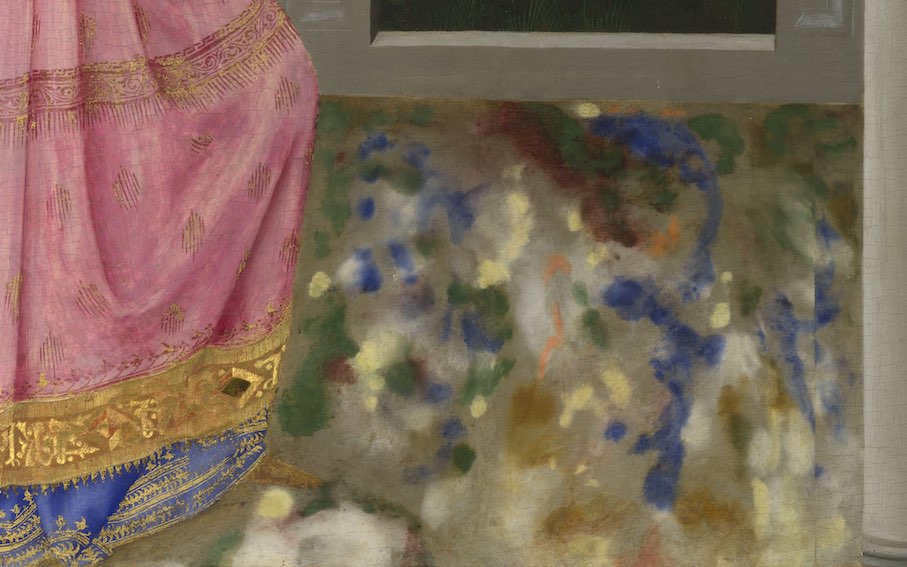
Since antiquity, natural stones have been held in special esteem. The word “marble” comes from the Greek “marmairein,” meaning “to shine.”
A variety of effects were attributed to colored varieties, such as lapis lazuli, which came to Europe from distant Asia: Some wise men postulated that the blue stone could cure excessive sweating, aid in escaping prison, or reconcile sinners with God.
Using numerous examples from the 14th and 15th centuries, the book examines how artists depicted the stones in their paintings and what they intended to represent. The colors and textures of the different types were freely invented – the possibility of depicting the divine simply swept the artists away.
Furthermore, many of the types we know today were unknown at that time because they were not readily available for extraction.
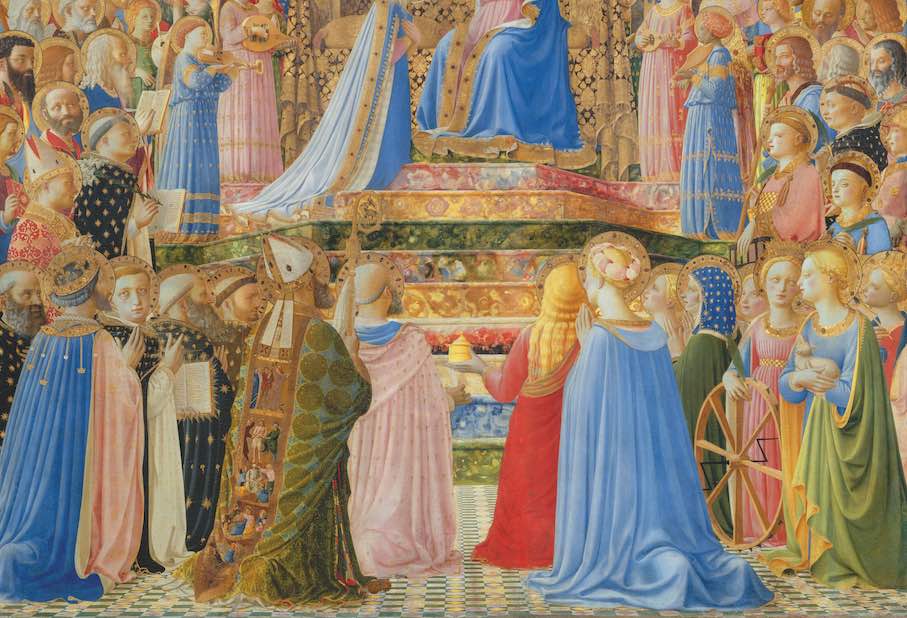
Incidentally, in the Middle Ages and before, people knew nothing about geology or chemistry, and so they firmly believed that gold could be found wherever there was a golden sheen. So they dug deep, and if they found no gold, they blamed it on dwarves: these were supposedly beings who lived underground as miners – if angered, they would make off with all the gold in a single night. Therefore, rituals were introduced to appease the dwarves before starting to dig a mine. Christianity adopted this ancient tradition.
“Divine Presence: Depictions of Marble in Late Gothic and Early Renaissance Painting,“ Karl Kolbitz, Hatje Cantz, 68 €, ISBN 978-3-7757-6209-0