 Stone-Ideas.com


25 neue Kultur- und Naturgüter wurden während der 48. Sitzung des Komitees vom 19. bis 29. Juli 2026 in Busan, Republik Süd-Korea, in die Welterbeliste der Unesco aufgenommen. 19 davon sind Kulturstätten, 5 Naturstätten und eines ist gemischt.
Die Sitzung markierte einen historischen Meilenstein für Afrika und die kleinen Inselentwicklungsstaaten (SIDS). Mit der Aufnahme von drei neuen Stätten auf den Komoren, in São Tomé und Príncipe sowie im Südsudan wurden drei Länder neu in die Liste des Weltkulturerbes aufgenommen.
Damit beläuft sich die Gesamtzahl der Stätten auf der Liste auf 1.273 in 173 Ländern.
Neben der internationalen Anerkennung würdigen diese Einträge die zentrale Rolle, die lokale Gemeinschaften beim Schutz und der Förderung dieser Stätten spielen, während sie gleichzeitig das mit ihnen untrennbar verbundene lebendige und spirituelle Erbe bewahren.
Über die Unesco: Mit 194 Mitgliedstaaten trägt die Organisation der Vereinten Nationen für Erziehung, Wissenschaft und Kultur durch die Förderung der multilateralen Zusammenarbeit in den Bereichen Bildung, Wissenschaft, Kultur, Kommunikation und Information zu Frieden und Sicherheit bei. Sie hat ihren Sitz in Paris, unterhält Büros in 54 Ländern und beschäftigt über 2300 Mitarbeiter. Die Organisation betreut mehr als 2000 Stätten auf verschiedenen Kulturerbelisten, Biosphärenreservaten und globalen Geoparks, Netzwerke kreativer, lernender, integrativer und nachhaltiger Städte sowie über 13 000 assoziierte Schulen, Universitätslehrstühle, Ausbildungs- und Forschungseinrichtungen mit einem globalen Netzwerk von 200 Nationalkommissionen. Ihre Generaldirektorin ist Audrey Azoulay, ehemalige französische Ministerin für Kultur und Kommunikation, die aus einer marokkanischen Familie stammt.
Wir zeigen Fotos von einigen der neu aufgenommenen Stätten mit deutlichen Bezügen zu Stein.
Quelle: Unesco
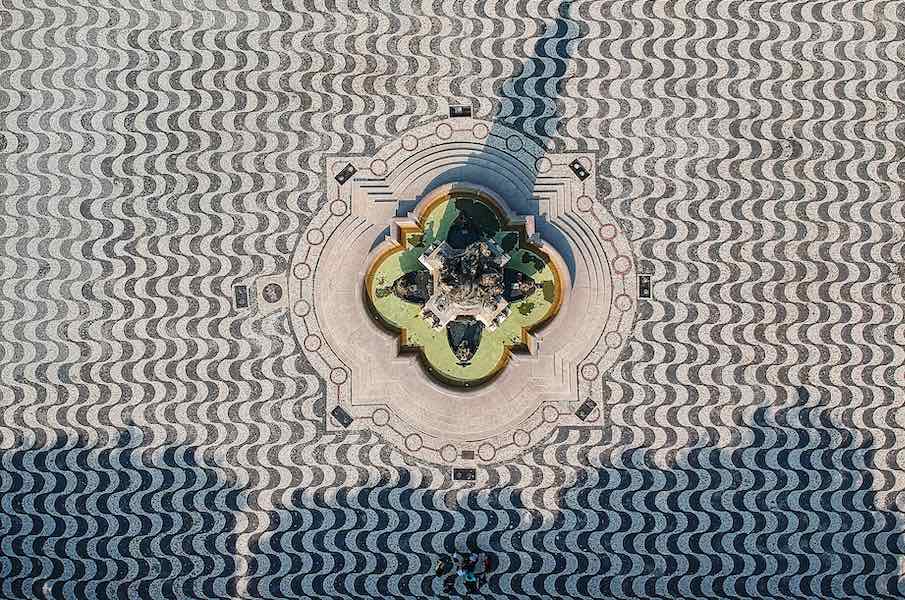
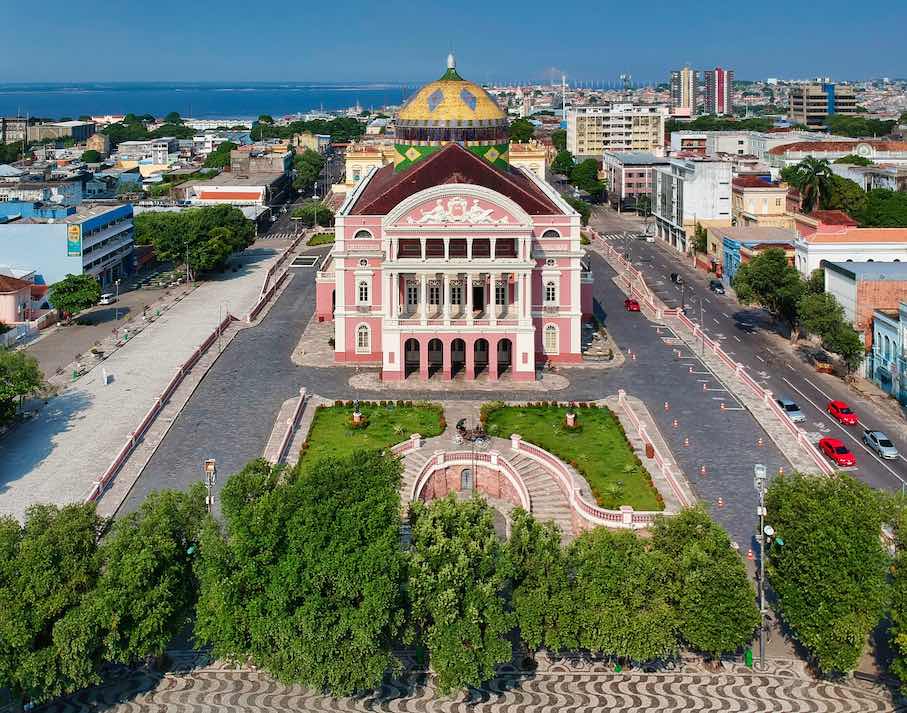
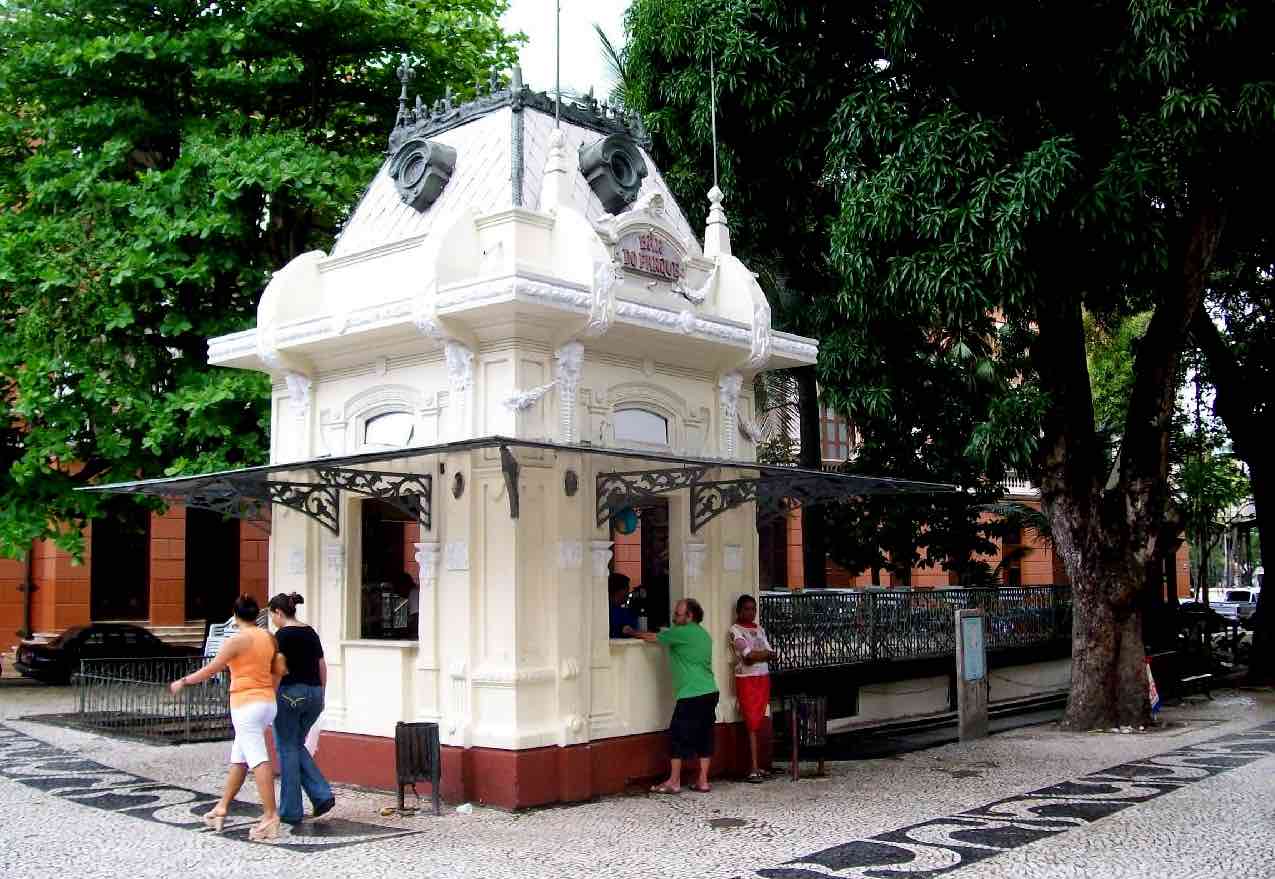 Amazonia Theaters, Brazil: The property consists of two component parts: The Theatro da Paz and the Praça da República in Belém, and the Teatro Amazonas and the Largo de São Sebastião in Manaus. These were built in the States of Pará and Amazonas in Brazil during the Amazonian ‘Golden Age’ as a result of the economic peak of the Rubber Cycle between 1879 and 1912. Both squares show decoration with the black and white paving (Calçada Portuguesa) in natural stone based on the Portuguese tradition. The Teatro Amazonas uses marble extensively inside, including Carrara marble in stairs, statues, and columns.
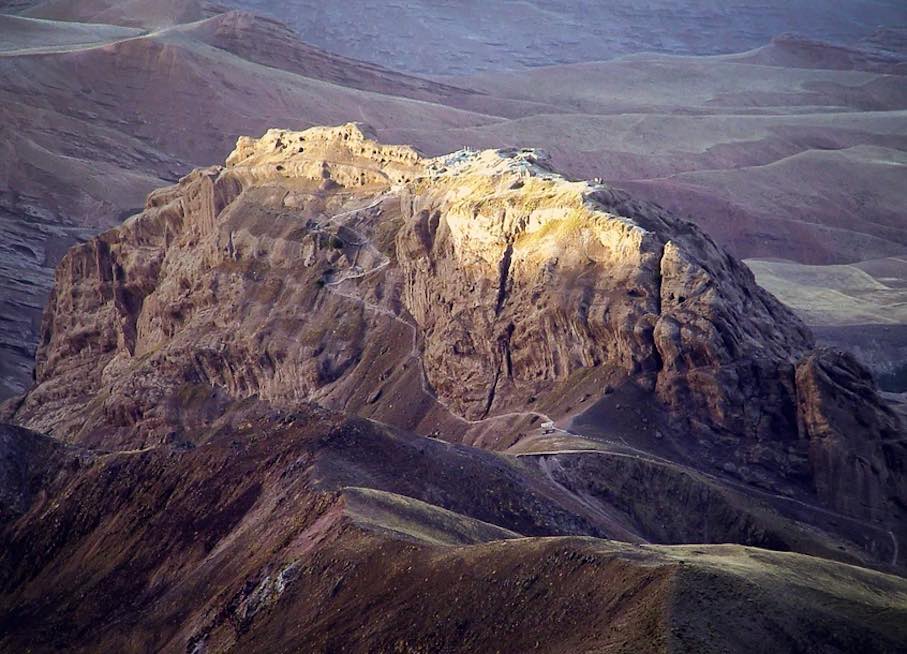
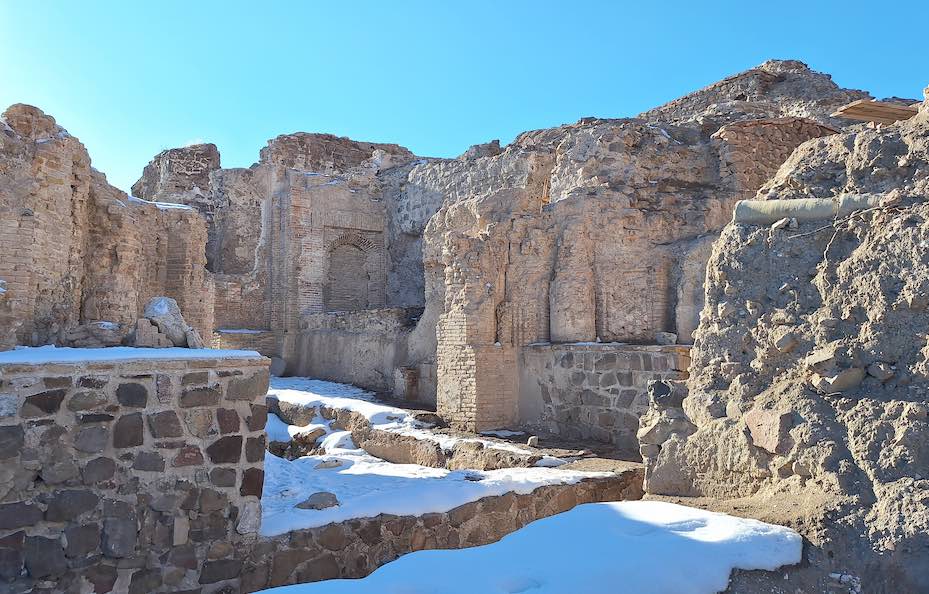 Alamūt Castle and Related Fortifications, Iran: The serial property consists of Alamūt Castle and six associated fortifications (Lambesar, Navizaršāh, Šams Kelāyeh, Qosṭinlār, Širkūh, and Ilān) strategically positioned within the rugged landscape of the Alborz Mountains in Qazvin Province, northern Iran. From the late 11th century CE, Alamūt served as the political, military, and intellectual centre of the Nezāri Ismaʿilis, an influential Islamic movement whose reach extended across Iran and the wider Islamic world. This fortified network functioned both as a refuge and as a scholarly and cultural hub.
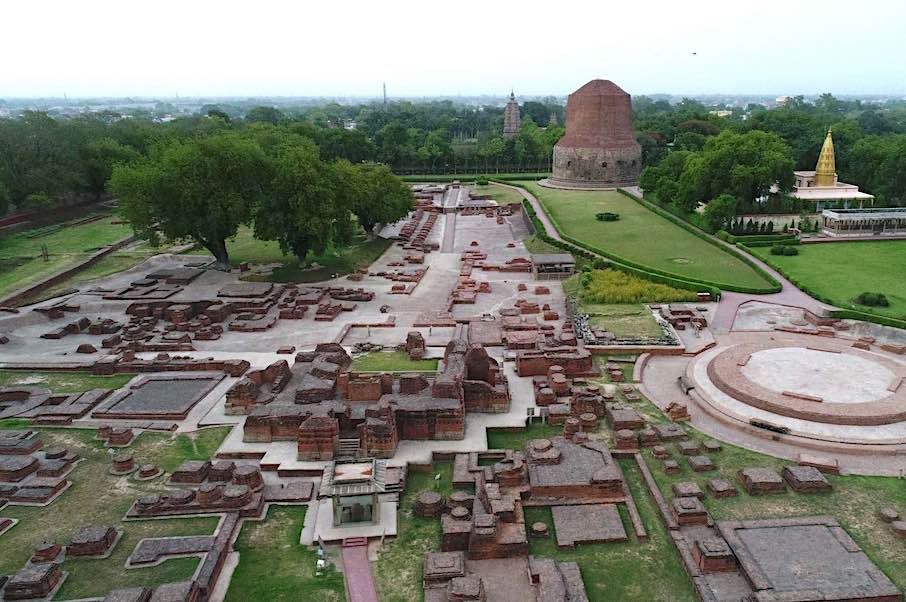
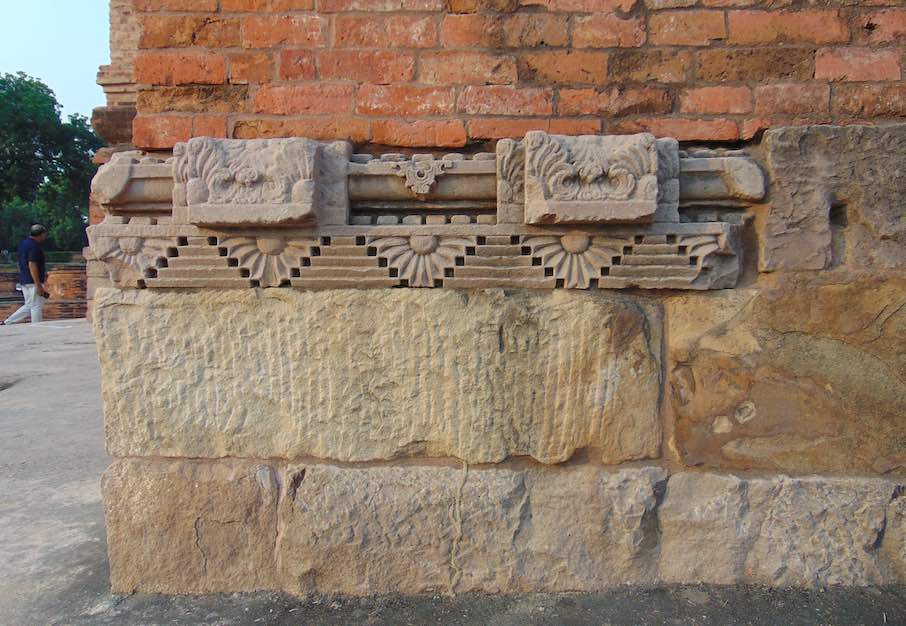 Ancient Buddhist Site of Sarnath, India: Sarnath was the sacred site where the Buddha is believed to have delivered his first sermon in the 6th century BCE and met his earliest disciples. Identified by the Buddha himself as one of the four principal Buddhist pilgrimage sites, it grew over many centuries through royal, monastic, and lay patronage, resulting in the construction of numerous stupas, temples, and viharas. It declined in the 12th century CE and fell into obscurity until its rediscovery in the 18th century.
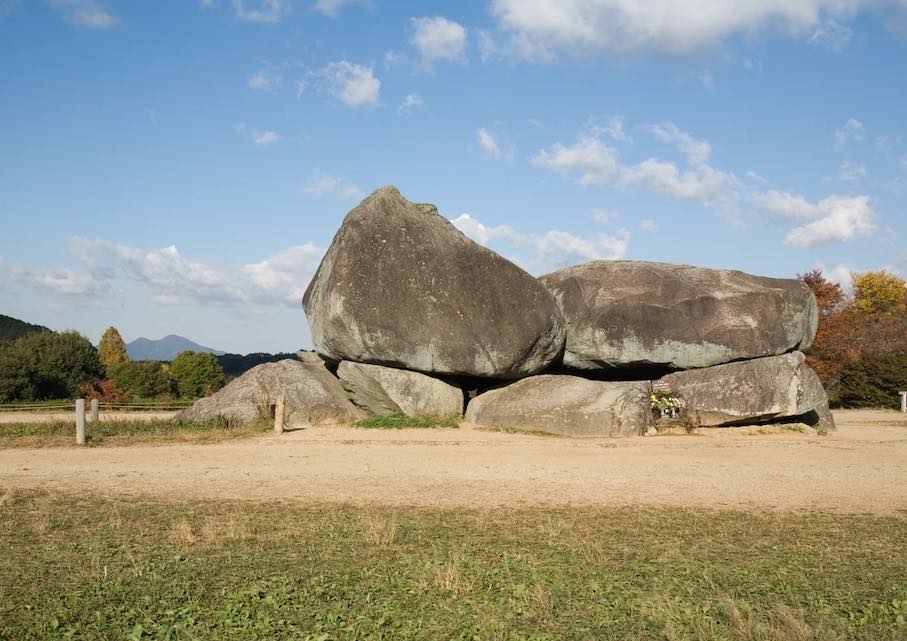
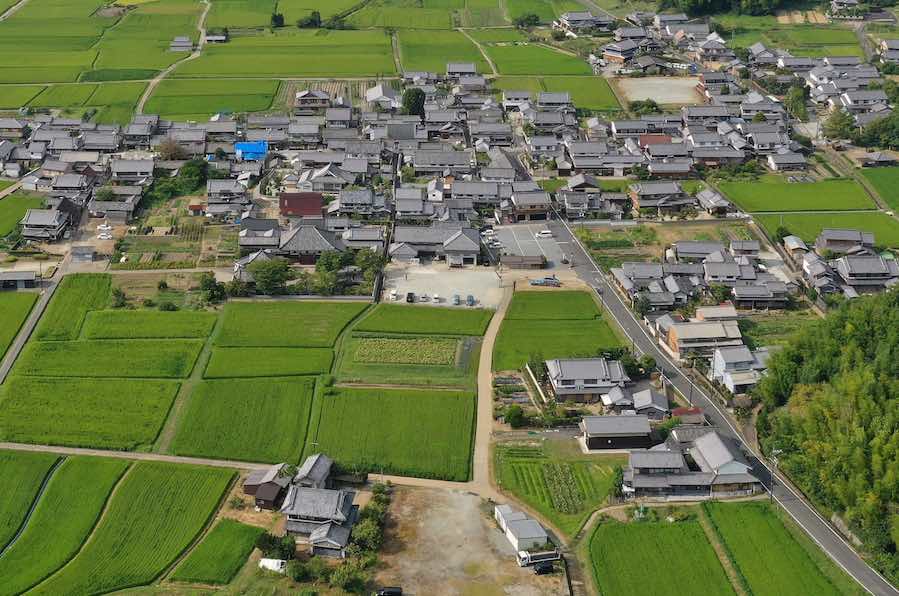 Ancient Capitals of Asuka and Fujiwara: Located in the southern part of the Nara Basin, Asuka and Fujiwara were the two ancient capitals of the Japanese archipelago that marked the establishment of a centralised state system modelled after the Chinese codified law known as ritsuryō. Nineteen component parts, comprising palaces/government offices, Buddhist temples and mounded tombs, contain archaeological evidence of the Asuka Capital (588-694 CE) and the Fujiwara Capital (694-710 CE).
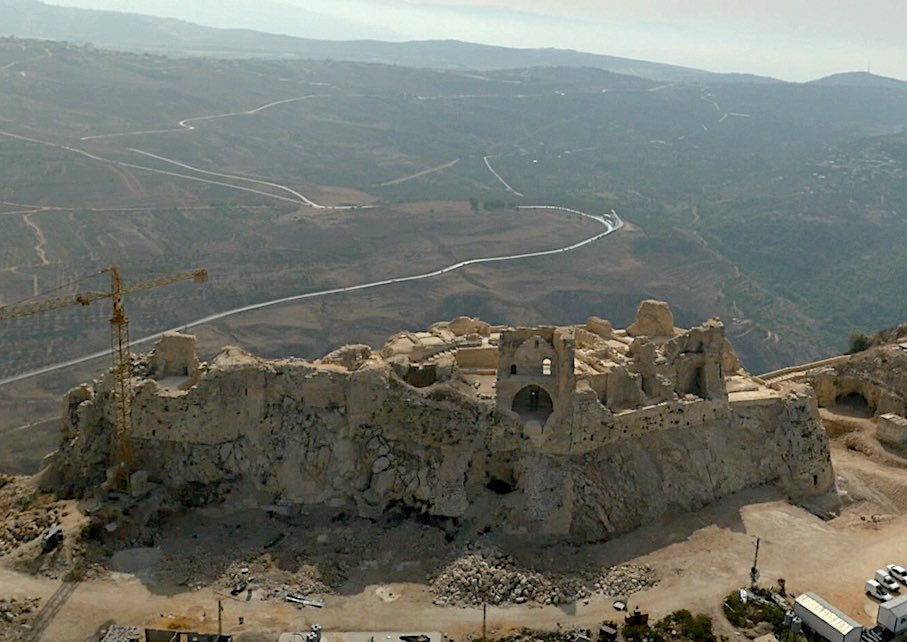
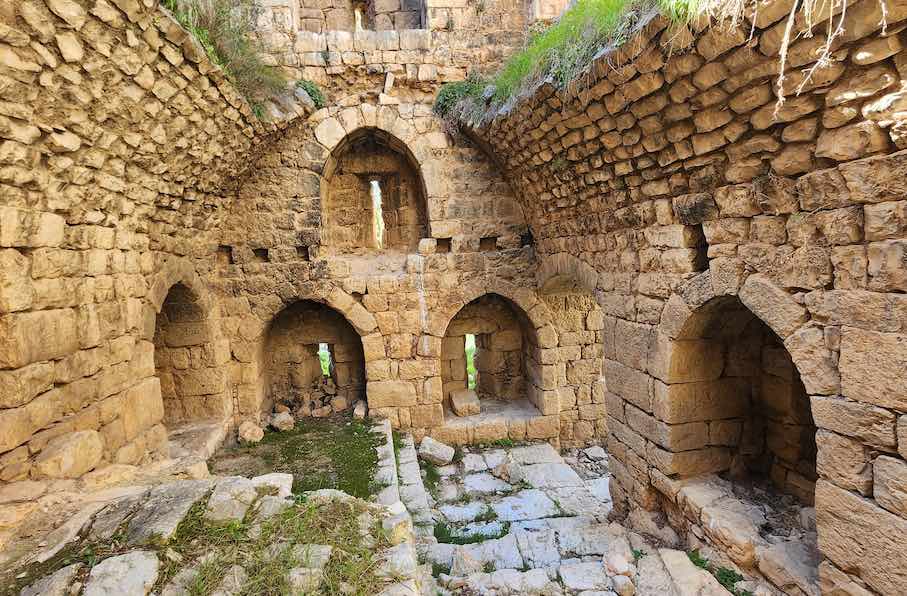 Mount Amel Castles, Lebanon: The property comprises five fortified sites located across the historic region of Jabal Amel in southern Lebanon: Qalaat Al Chakif (Beaufort Castle), Qalaat Tibnin (Toron Castle), Qalaat Chakra (Dubieh Castle), Qalaat Deir Kifa (Maron Castle), and Qalaat Chama’ (Chama’ Castle). Occupying prominent hilltops and strategic ridges overlooking major regional routes, the castles formed an integrated defensive and administrative network that controlled movement, communication, and agricultural resources across a vast territory. Developed between the medieval period and the 19th century, they illustrate successive phases of occupation and adaptation by Crusader, Ayyubid, Mamluk, Ottoman, and local feudal rulers.
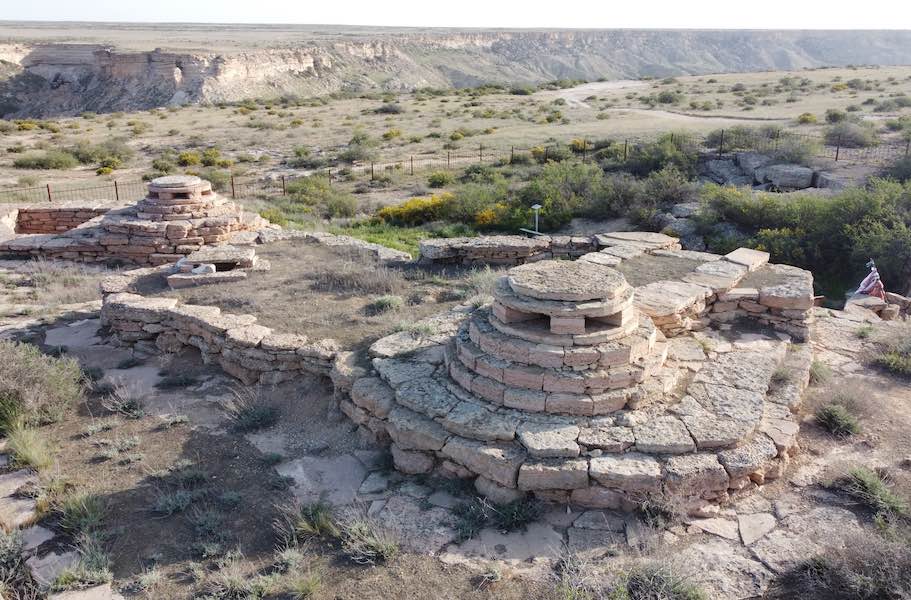
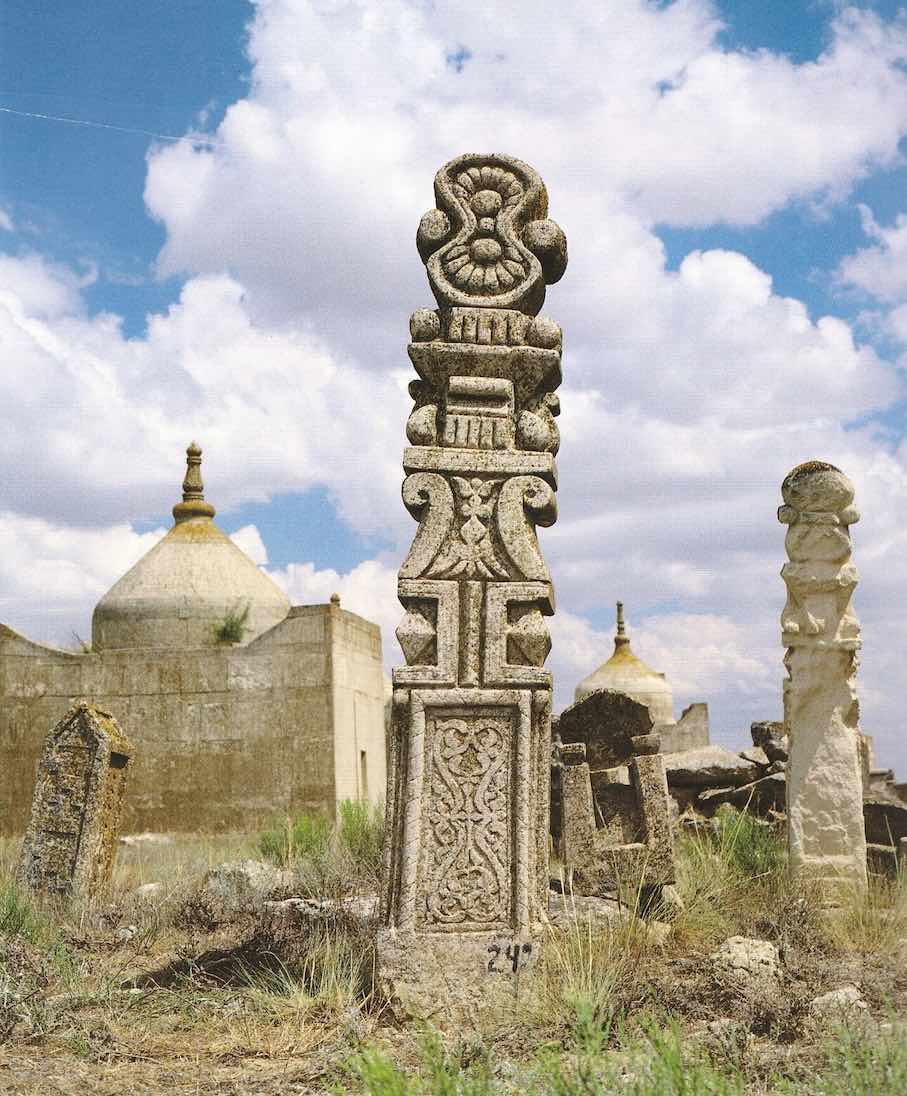 Rock Mosques and Associated Sacred Sites of Mangystau, Kazakhstan: The property, located on the Mangystau Peninsula bordering the Caspian Sea, consists of five sacred sites carved into the rock along with adjacent extensive burial grounds. Each was associated with a Sufi master, date from the 12th to the 18th centuries. The complexes, known locally as “underground mosques”, are a particular type of structure created in natural caves, carved into steep rocks or dug into the ground in the semi-desert landscape. They have been important pilgrimage destinations throughout the centuries.
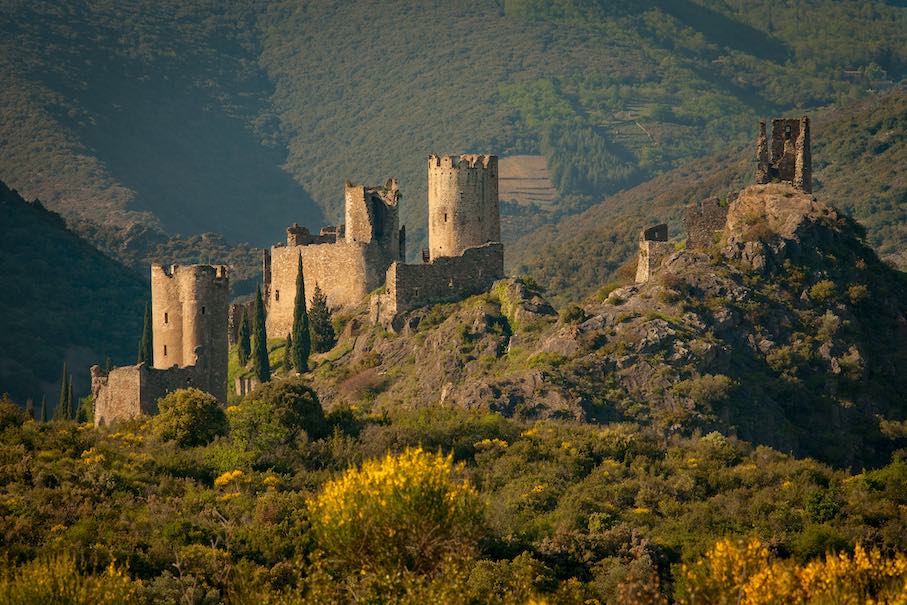
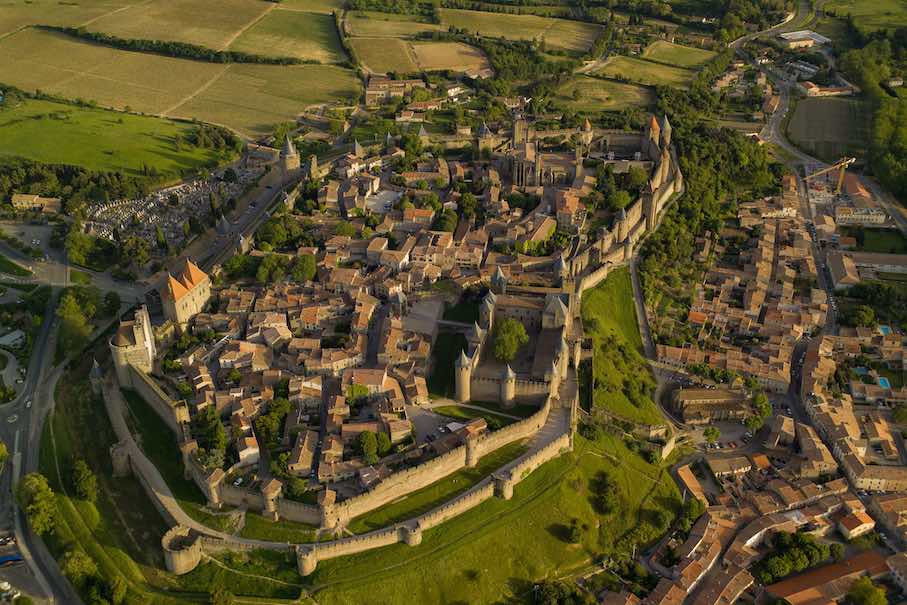 Royal Capetian Fortresses of Languedoc, France: The property comprises eight fortified sites – Castle and ramparts of Carcassonne and the fortresses of Aguilar, Lastours, Montségur, Peyrepertuse, Puilaurens, Quéribus, and Termes – representing a core part of the Capetian defensive system established in the 13th–14th centuries following the Albigensian Crusade. Built on rugged rocky ridges in strategically significant locations, these fortifications formed the backbone of the newly created seneschalty of Carcassonne, asserting the authority of the seneschal over the former territories of independent feudal lineages.
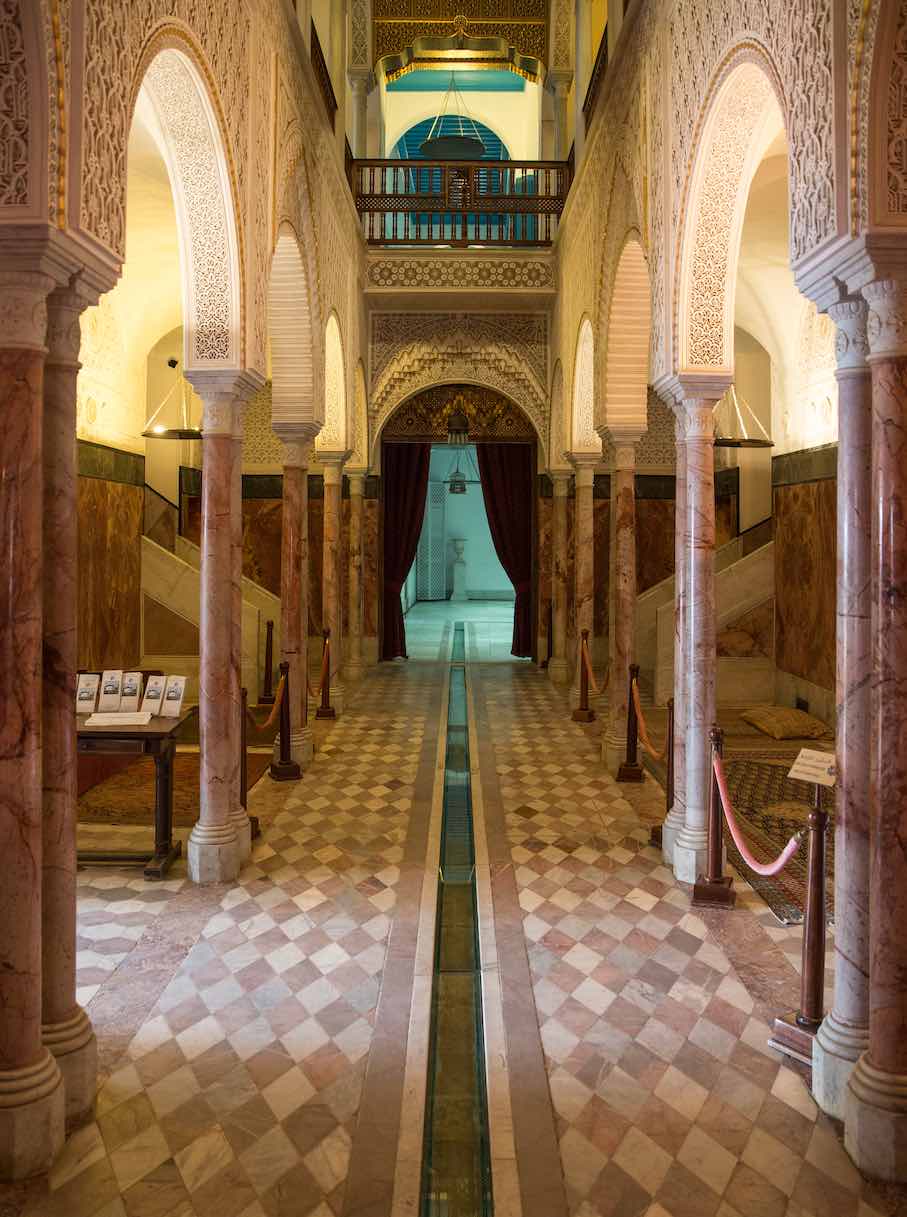
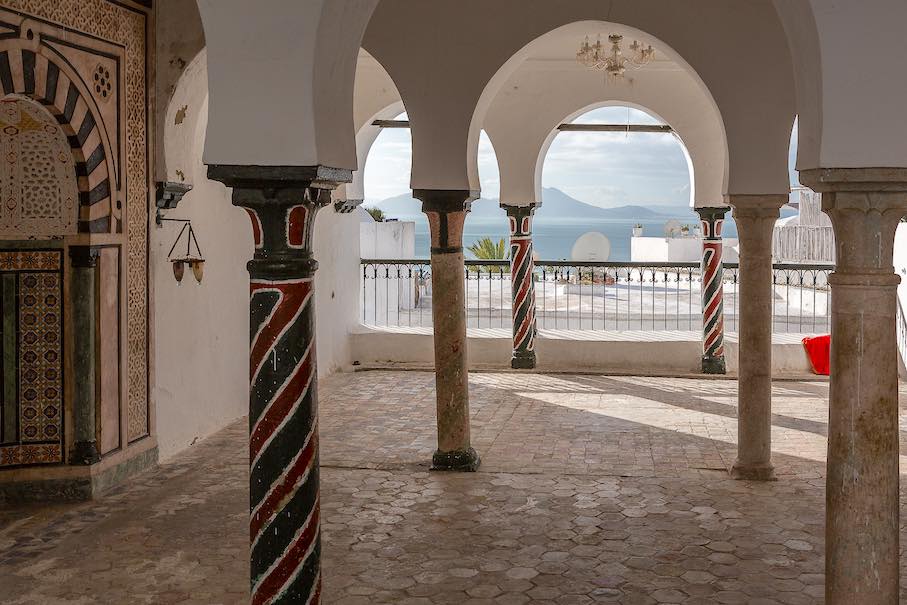 Village of Sidi Bou Saïd, Tunisia: The property is a picturesque village perched on a promontory overlooking the Mediterranean Sea, harmoniously integrated into the cliff topography. It developed around the tomb of a Sufi master and saint, known as Sidi Bou Saïd, who lived in the 12th-13th centuries. Through its architectural fabric and urban planning in symbiosis with the natural environment, its recognisable aesthetic created by emblematic colours, and a mystic aura associated with the Sufi spirituality that permeates the site, the property brings together geomorphology, architecture, and spirituality. It has long inspired artists and continues to attract visitors seeking spiritual serenity.
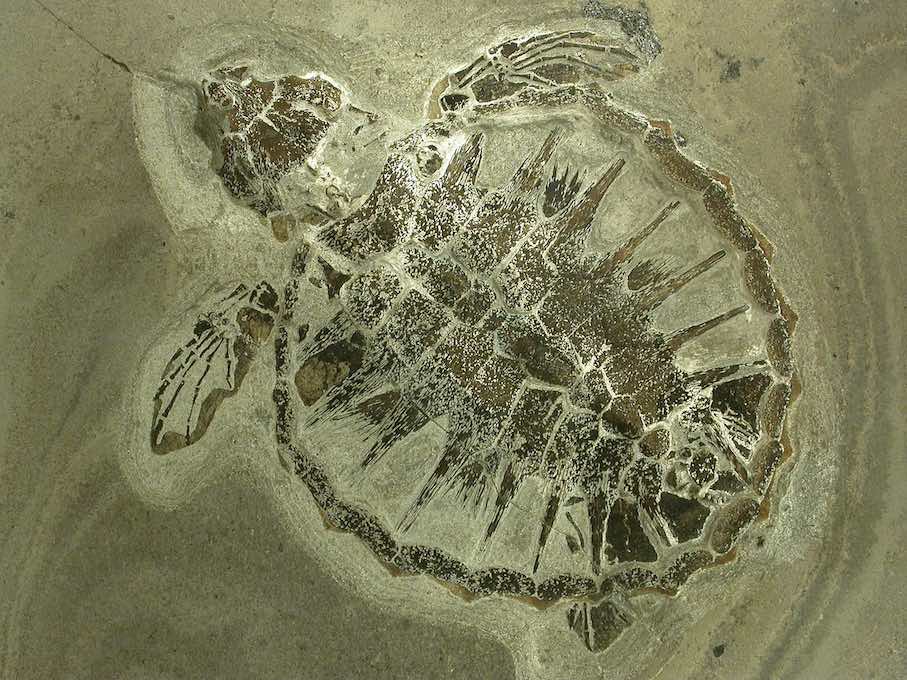
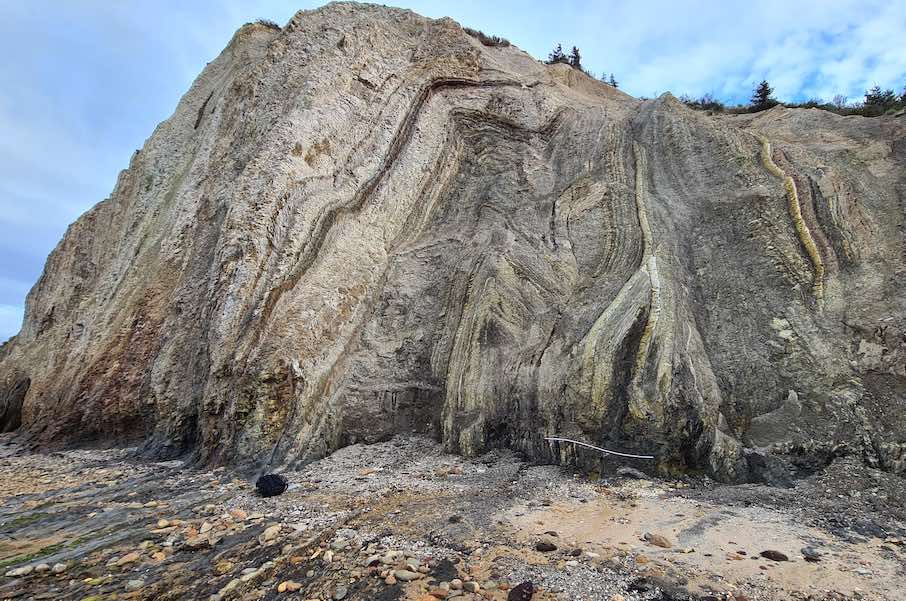 Natural properties: The Bony Fish Fossils of the Western Limfjord – Evolution and Climate Adaptation in the Earliest Eocene, Denmark. The property, located in the Western Limfjord sea of northern Jutland, Denmark, comprise the coastal cliffs of Hanklit and Knudeklint, which contain some of the world’s best-preserved fossil fishes. It contains abundant and exceptionally well-preserved marine and terrestrial fossils, including fishes, sea turtles, birds, insects, plants, and microfossils, and preserves between 25 and 29 fish orders and more than 80 fish species, documenting the evolution and adaptation of early modern fish lineages during a period of rapid environmental change.
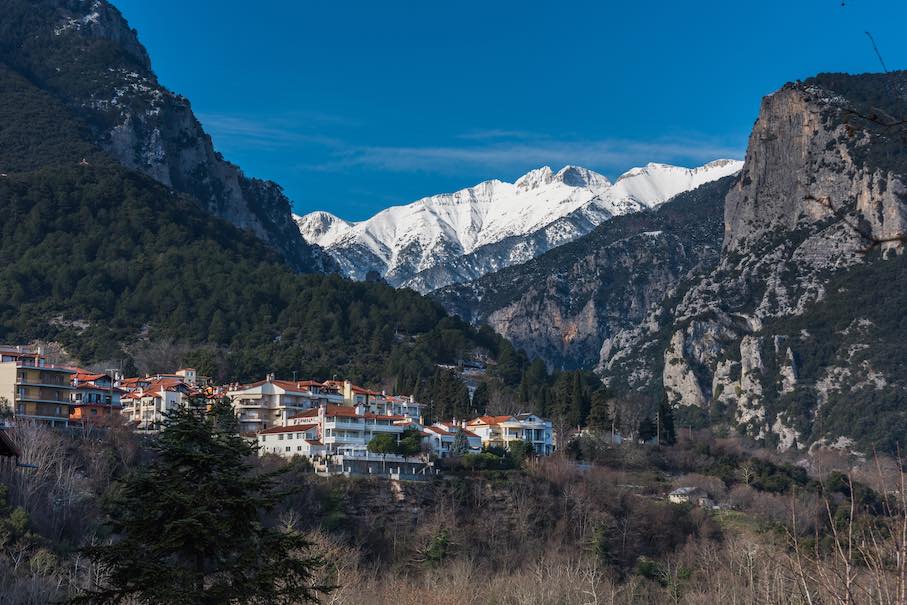
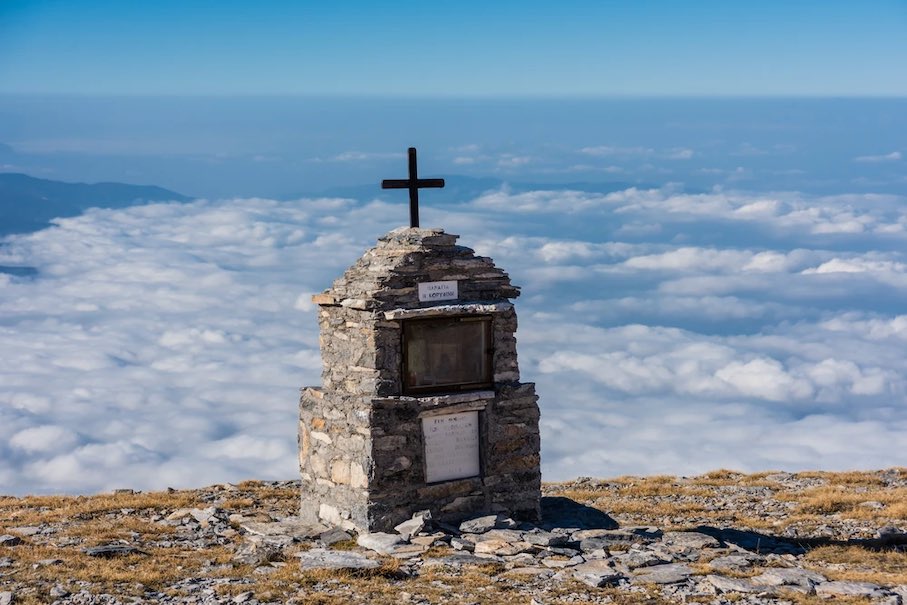 Mixed properties: The wider area of Mount Olympus is situated in northern Greece and is the highest mountain in the country. Its microclimate, resulting from its proximity to the sea and abrupt elevation, produces a remarkable diversity in terrain, climate, and vegetation. In this landscape, the ancient Greeks situated the abode of their Twelve Olympian Gods, with Zeus as their sovereign, as well as the Muses and Graces. Through the writings of Hesiod and Homer, Mount Olympus became a central point of reference for Greek mythology throughout the Greek and Roman worlds, rendering Mount Olympus an enduring emblem of Greek civilisation.