Stone-Ideas.com


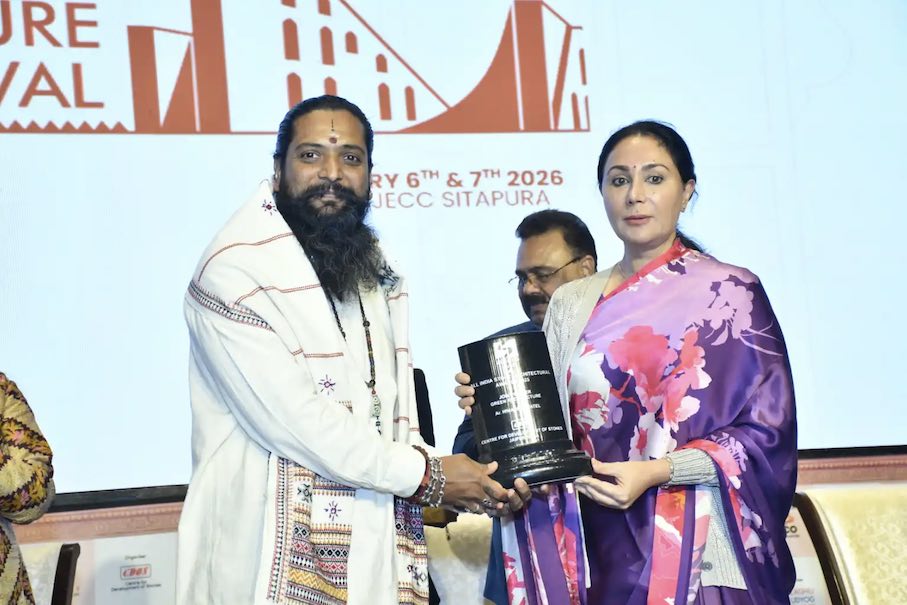
Die All India Stone Architecture Awards (AISAA) würdigen herausragende Verwendungen von indischem Naturstein und werden alle zwei Jahre verliehen. Wir zeigen die Gewinnerprojekte des 12. Durchgangs, die auf der Messe India Stonemart 2026 ausgezeichnet wurden.
Die Ziele des Preises sind auf der Webseite ausführlich beschrieben:
* Würdigung von herausragenden Leistungen und Innovationen bei der Verwendung von indischem Naturstein in Gebäuden und im Landschaftsbau;
* Architekten die Möglichkeit zu bieten, ihre vorbildlichen Arbeiten Fachkollegen und der breiten Öffentlichkeit zu präsentieren;
* die jüngsten Errungenschaften von Architekten und Büros im Bereich der Natursteinarchitektur zu würdigen;
* das öffentliche Interesse an der Steinarchitektur zu wecken;
* die Steinbranche zu ermutigen, einen bedeutenden Beitrag zur Entwicklung innovativer Steinprodukte und -anwendungen zu leisten;
* die Verwendung von Stein als umweltfreundliches Baumaterial zu fördern.
Es gibt vier Kategorien: Fassaden, Innenarchitektur, Landschaftsgestaltung und Grüne Architektur. Eingereicht werden können auch Projekte von Architekten aus dem Ausland, allerdings muss dabei Naturstein aus Indien verwendet worden sein.
Das Preisgeld beträgt jeweils 100.000 Rupien (etwa 1.050 US-Dollar). Gibt es in einer Kategorie mehr als einen Gewinner, wird das Preisgeld aufgeteilt.
Darüber hinaus gibt es eine Trophäe und eine lobende Erwähnung in der Öffentlichkeitsarbeit des Centre for Development of Stones (CDOS), das den Wettbewerb organisiert. Das CDOS wurde vom Bundesstaat Rajasthan mit Unterstützung der indischen Regierung gegründet, um den Steinsektor des Landes zu fördern. An seinem Hauptsitz in Jaipur verfügt es über einen Ausstellungsraum, ein Prüflabor, ein Museum und einen Natursteinpark.
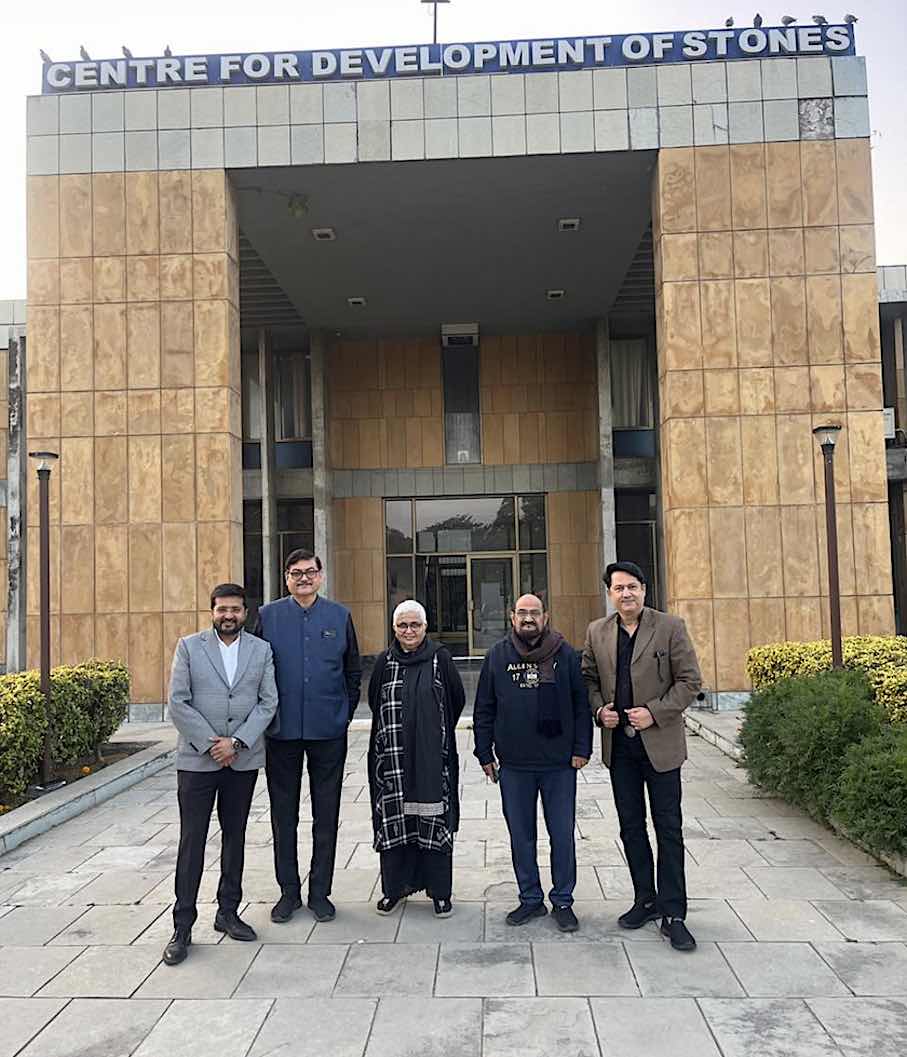
Die Mitglieder der Jury waren: (v.l.n.r.) Ar. Tushar Sogani (Vorsitzender, IIA Rajasthan Chapter), Ar. Abhay Vinayak Purohit (Präsident, Council of Architecture), Ar. Urmila Amar Rajadhyaksha (Präsidentin, ISOLA), Ar. Vilas Vasant Avachat (Präsident, IIA), Ar. Jignesh Modi (Präsident, IIID).
Quelle: CDOS
Stonemart (17. – 20. Februar 2028)
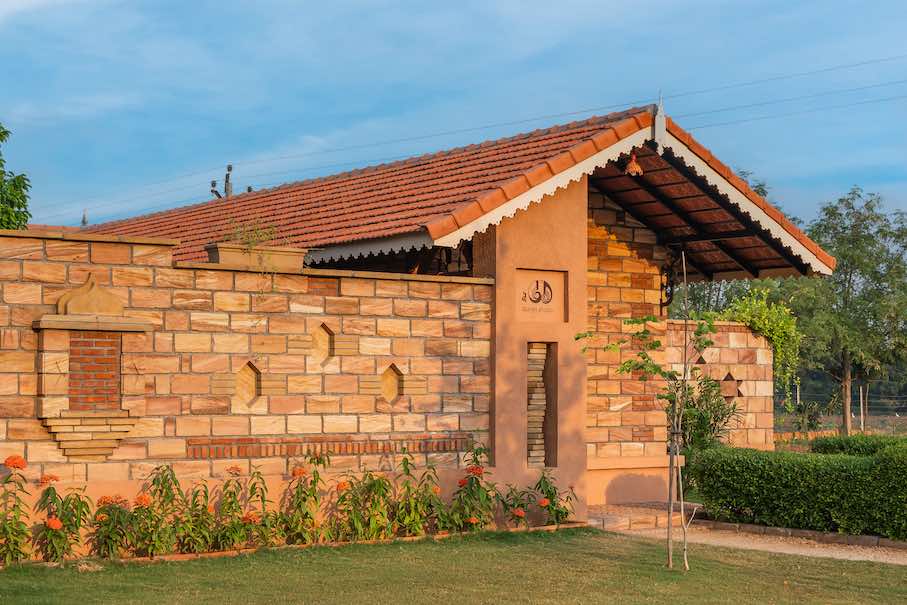
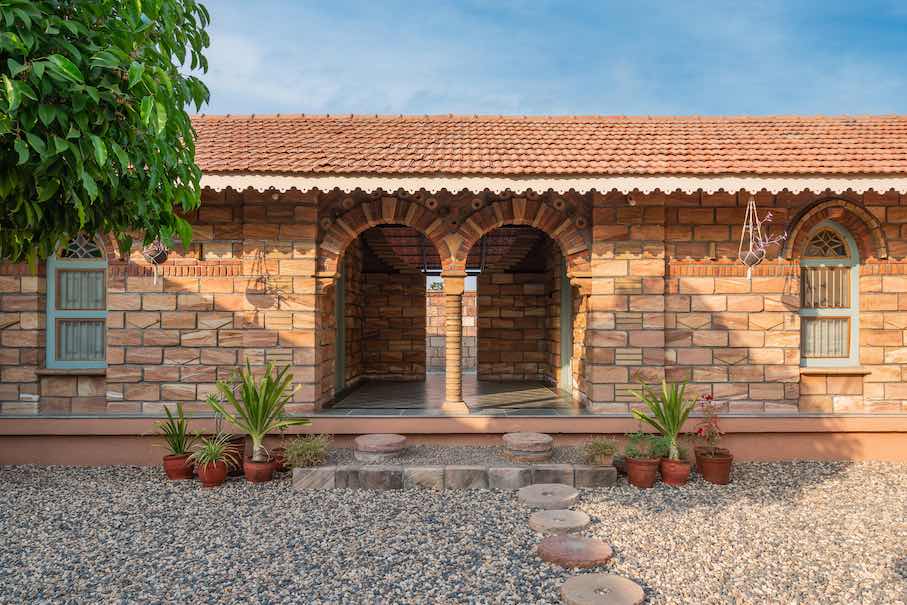
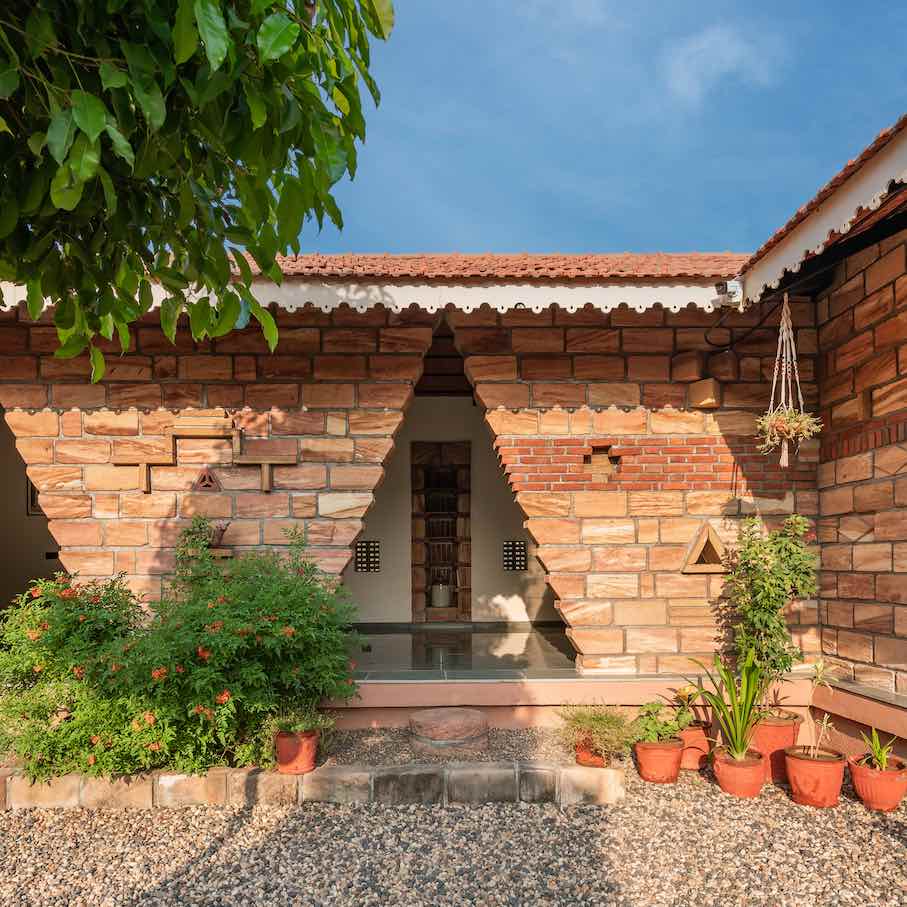 Category Green Architecture: Tribhuvana – An Architect’s own studio. The sensible use of stone in combination with locally available materials in fusion with traditional knowledge systems taking advantage of the present site conditions.
Architect Himanshu Patel, Founder of d6thD Design Studio, Ahmedabad, is recognized for advancing vernacular and climate-responsive architecture. His work promotes local materials, traditional construction techniques, and culturally rooted design. This citation honors his contribution to contemporary vernacular architecture.
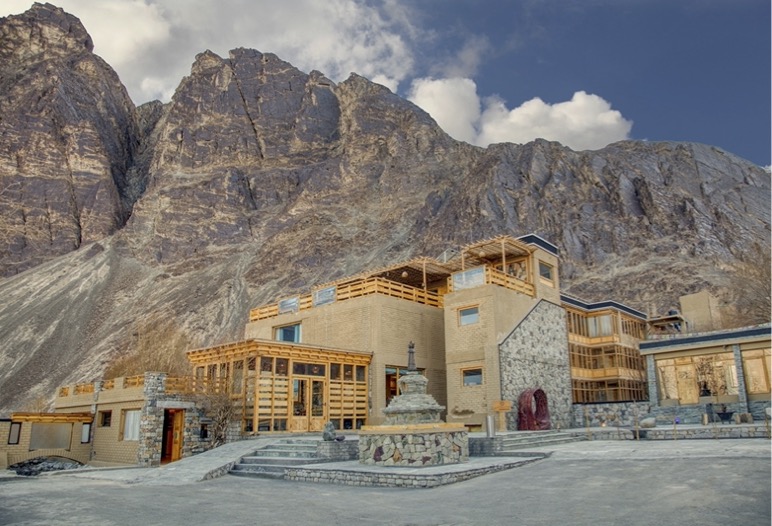
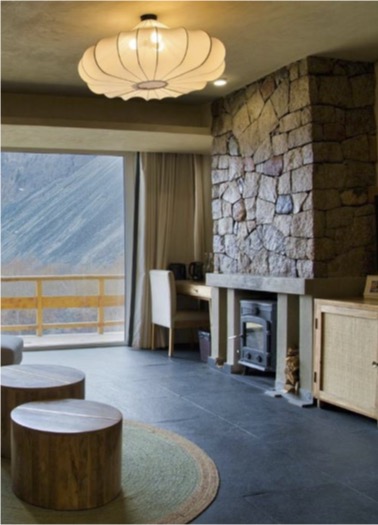
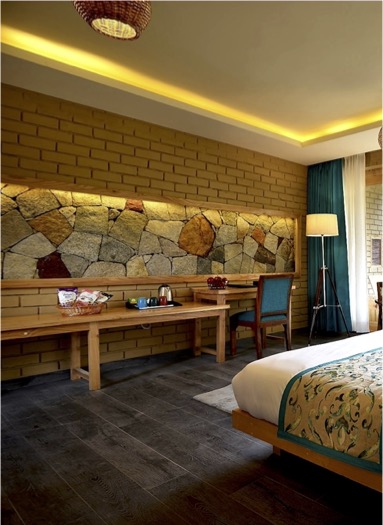 Category Green Architecture: Stone Hedge. Well defined design vocabulary responding to the terrain, local material and appropriate use of stone combined with the traditional construction systems resulting into a sound green building.
Architect Latha Raman is honored for her pioneering contribution to sustainable and ecologically responsible architecture. As Co-founder of Inspiration Collective, she has delivered over 500 projects integrating design excellence with environmental stewardship. This citation recognizes her enduring commitment to architecture that harmonizes nature, society, and the built environment.
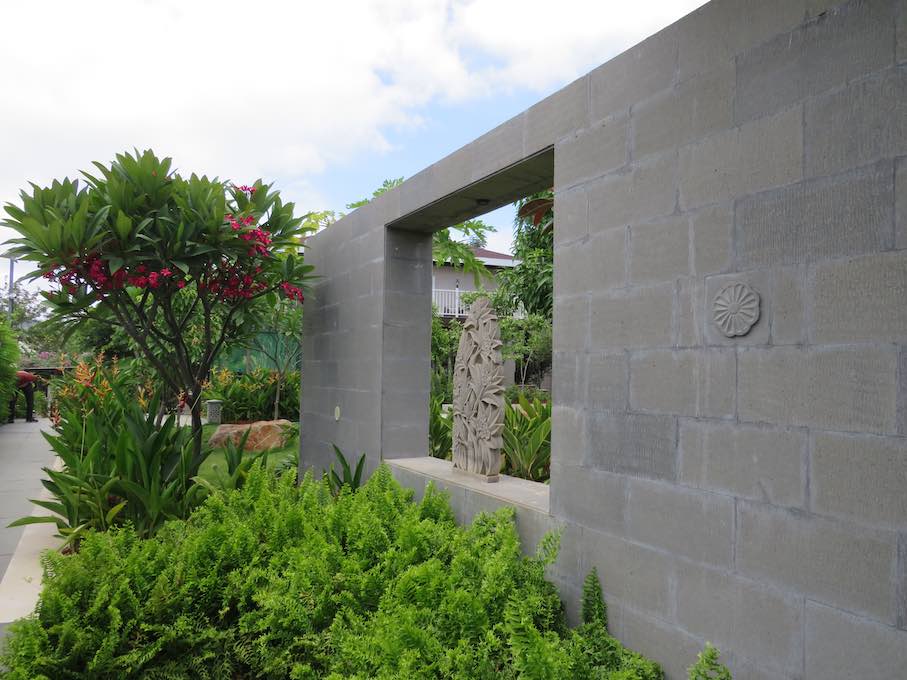
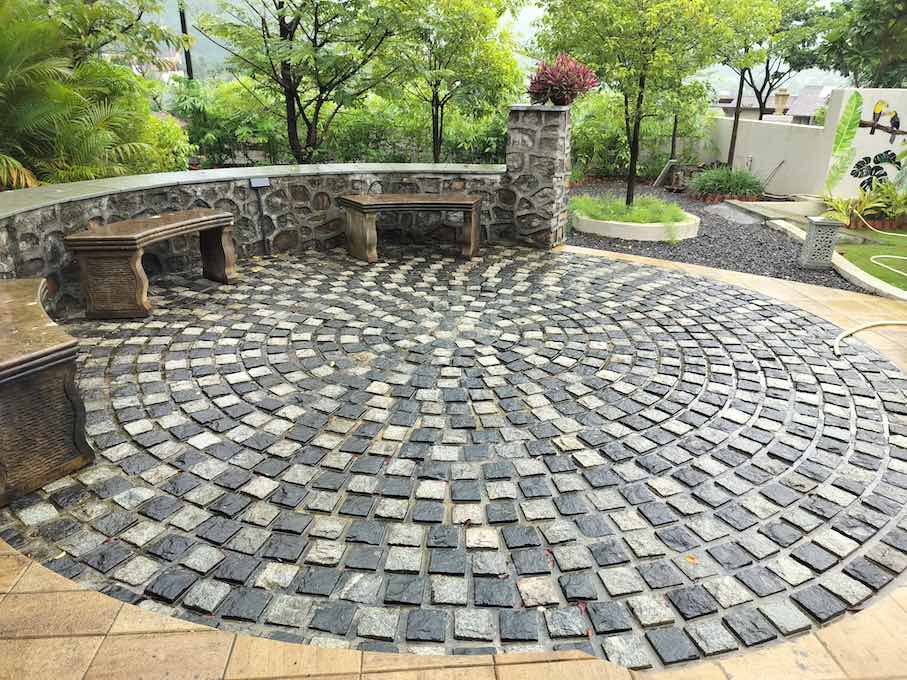
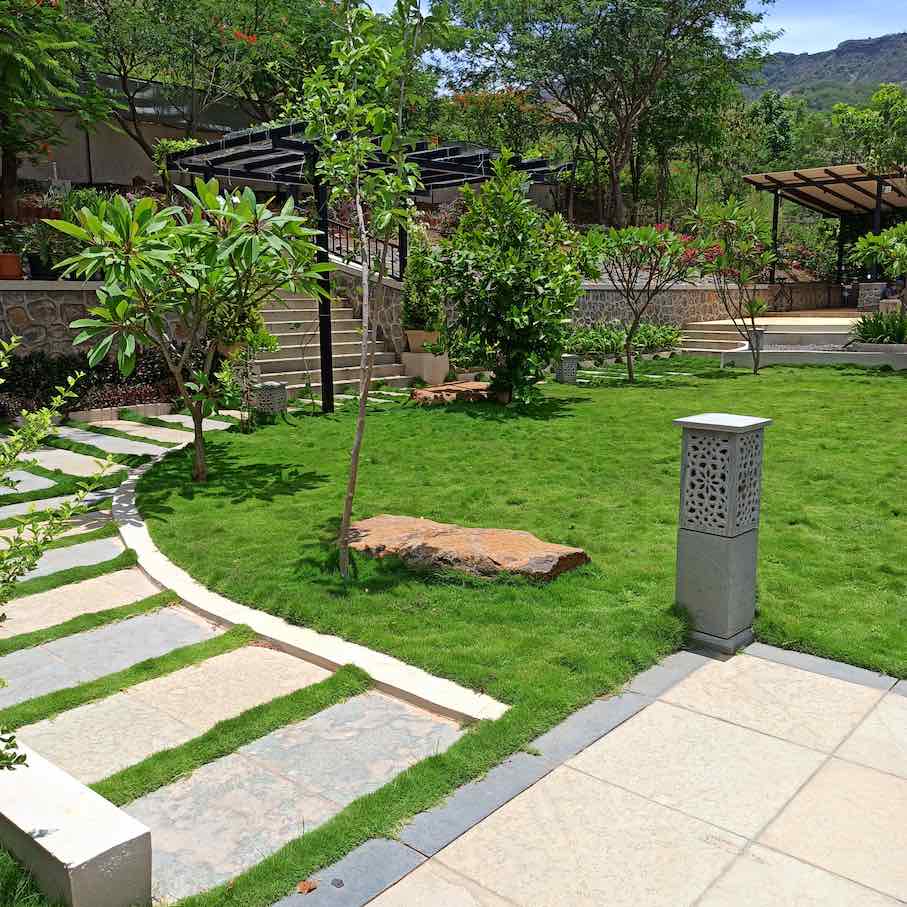 Category Landscaping: Built with the unbuild (Chandratreya Farmhouse). Use of stone in multiple ways creating different experiential qualities in a small space.
Architects Shraddha (Joshi) Chavan and Ajinkya Chavan, leaders of Aayatam.h Design Studio, Pune, are honored for their nature-centric landscape architecture. Their work integrates local stone, planting, and spatial sequencing to create ecological balance. This citation recognizes their contribution to timeless and experiential landscape design.
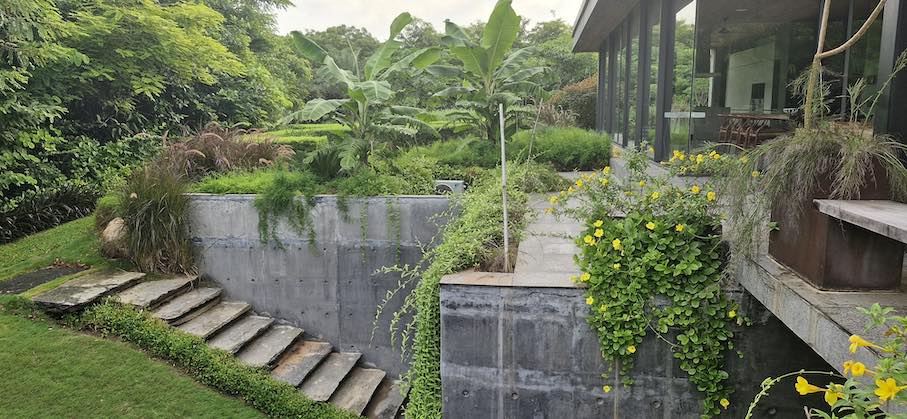
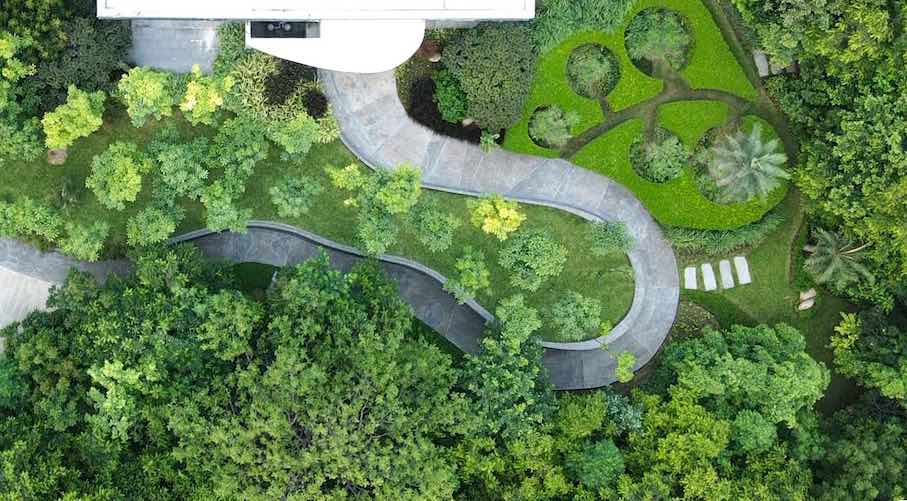
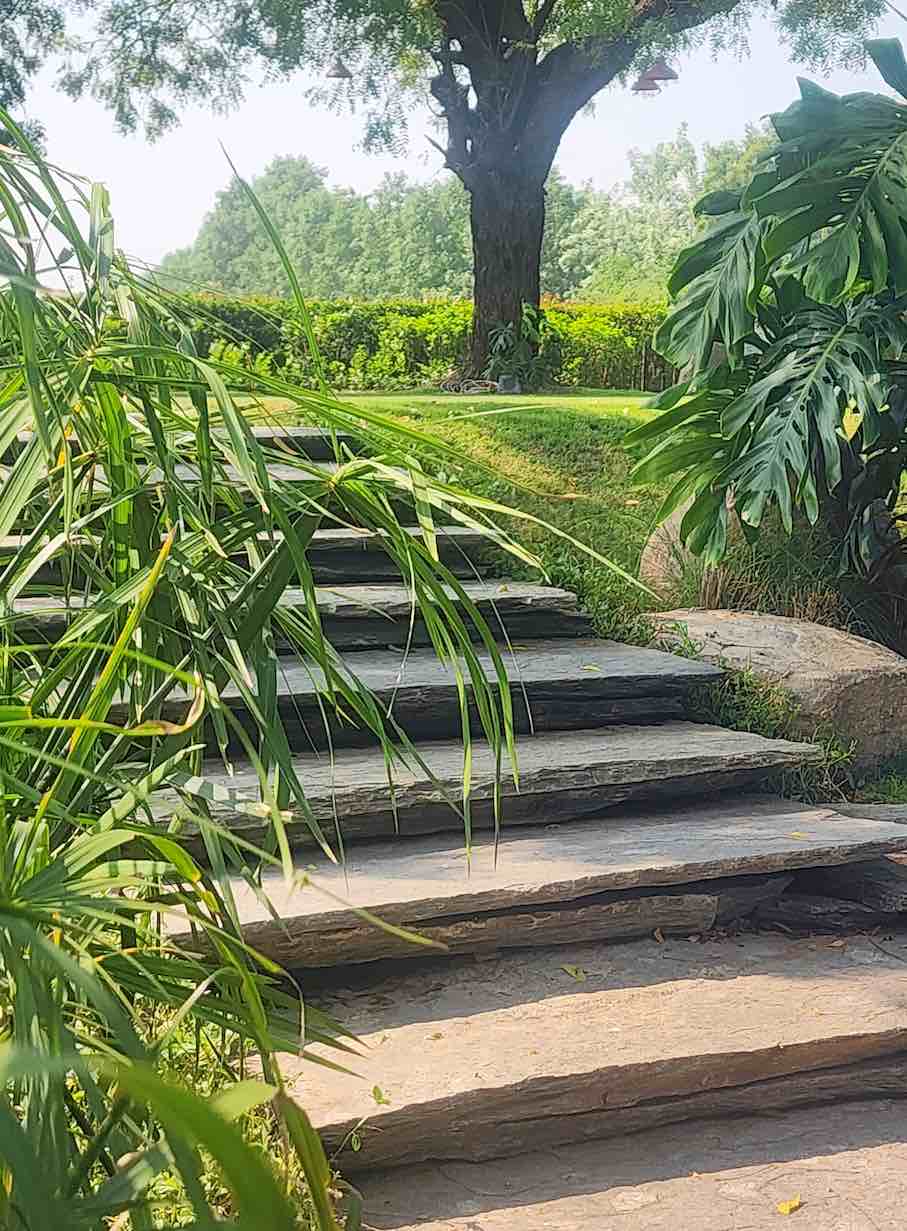 Category Landscaping: Beyond The Greens – A Bio Diverse Land-Escape. Use of stone as an element creating a rhythm and an organic flow leading to a seamless holistic experience.
Architects Jaydatt Vishvanath Vaishnav & Anal Kapadia Vaishnav, Co-founders of Living Roots – Environmental Design Studio, Ahmedabad, are honored for their exemplary contribution to sustainable and stone-based landscape architecture. Their award-winning project ‘Beyond Greens – A Biodiverse Landscape’ demonstrates material honesty and environmental responsibility. This citation recognizes their leadership in advancing sustainable, context-driven stone landscape architecture.
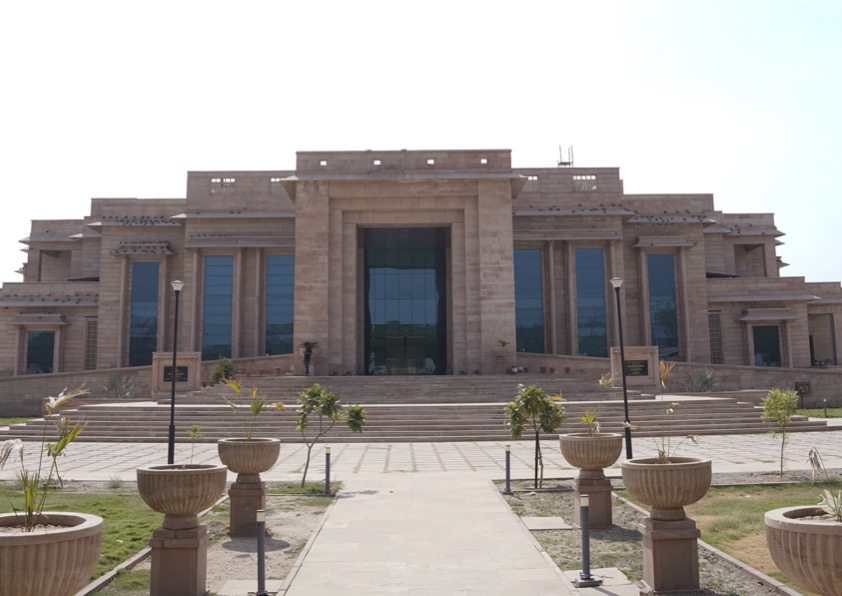
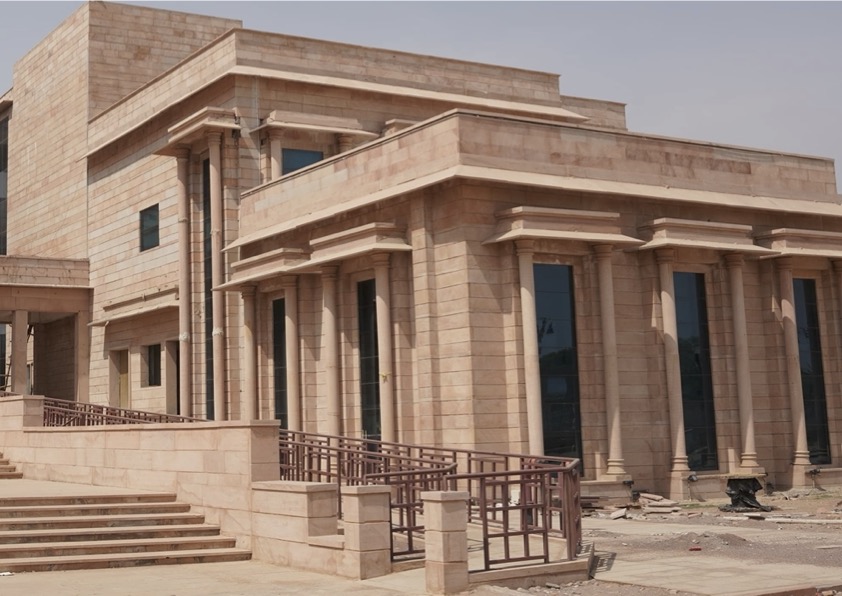
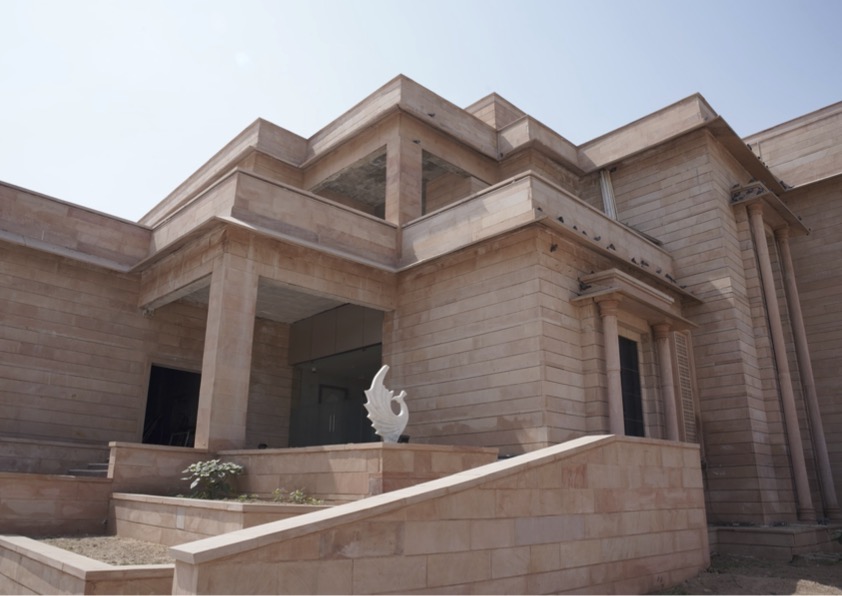 Category Exterior Facing: Marwar International Center. The Judicious use of Local stone which reflects the fusion of traditional and contemporary built form with innovative approach.
Architect Pramod Jain is honored for his outstanding contribution to Indian architecture spanning over five decades. A graduate of VRCE Nagpur and postgraduate from SPA New Delhi, his work includes landmark government and civic projects. The Rajasthan International Centre, Jaipur and Marwar International Centre, Jodhpur stand as icons of cultural identity blended with contemporary design. This citation recognizes his enduring legacy in shaping contextual and iconic public architecture.
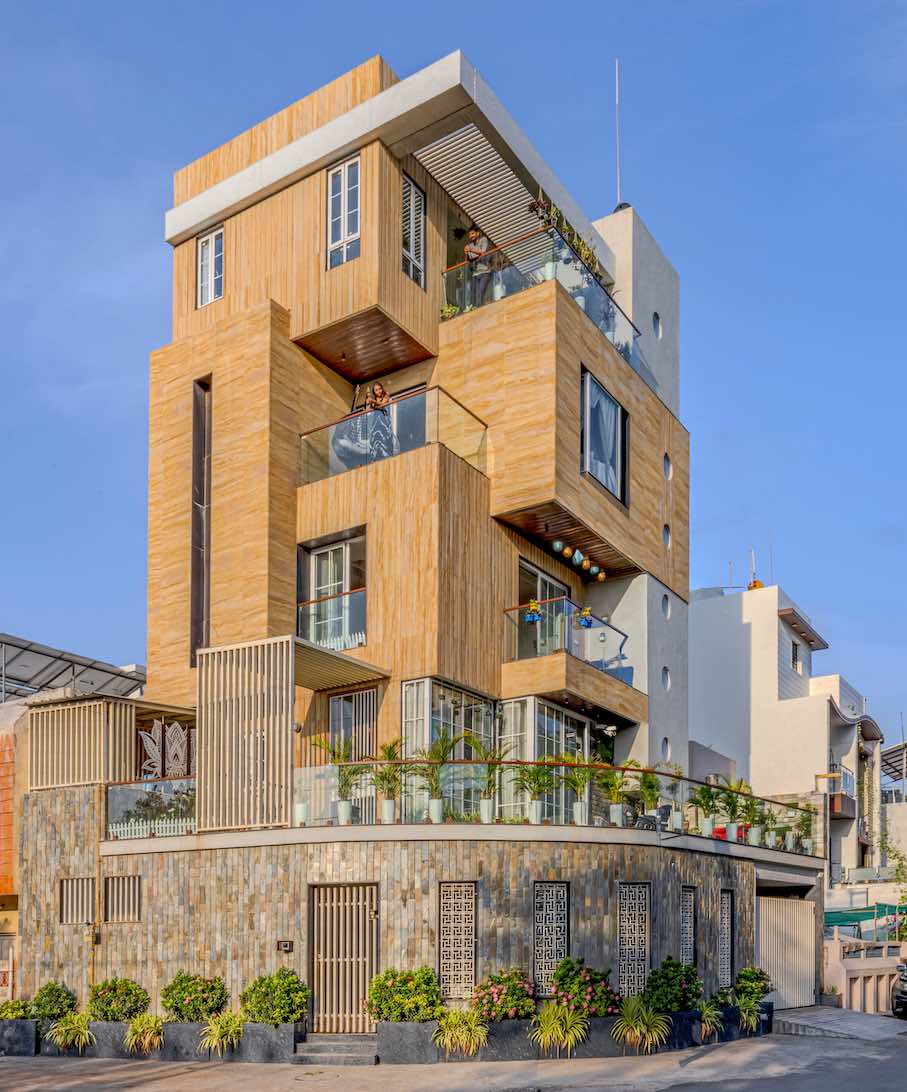
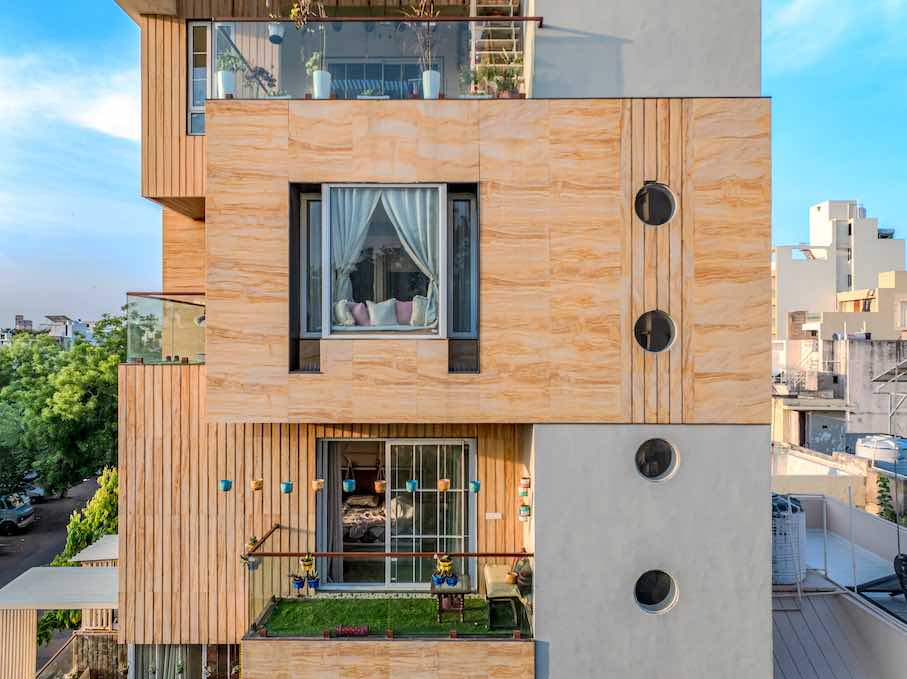
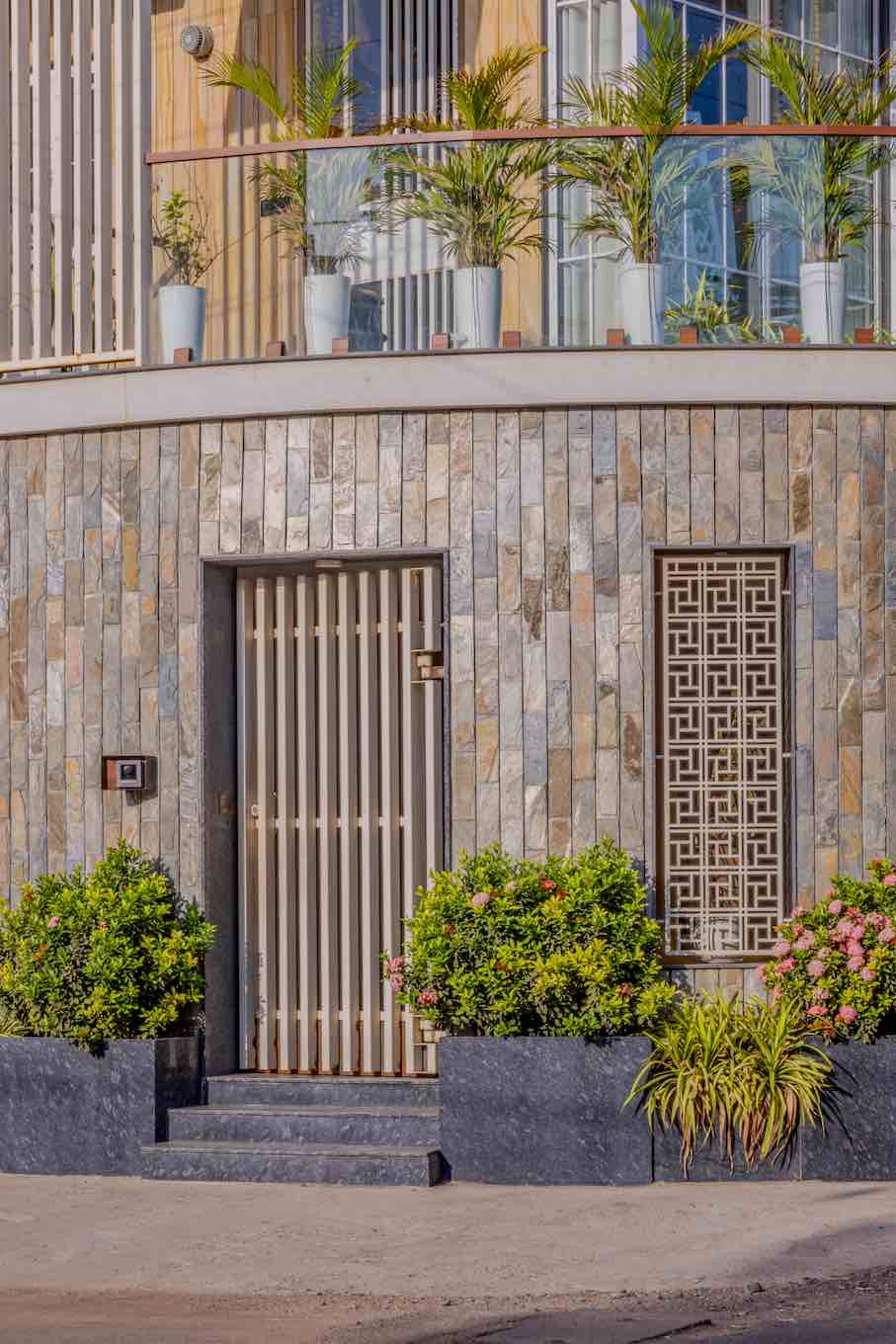 Category Exterior Facings – Commendation: Jenga House. Creative use of Khatu Teak Stone in combination with the juxtaposition of space rendering interesting composition.
Architect Mauktik Trivedi, Principal of MaST Designs, is honored for his innovative and sustainable approach to contemporary architecture. With an internationally recognized practice established in 1993, his work spans diverse sectors including residential and hospitality. A GRIHA-certified consultant, he is recognized for reimagining stone as a dynamic element, exemplified by the award-winning ‘Jenga House’ which utilizes sandstone, slate, and granite to define its bold form. This citation celebrates his commitment to delivering identity and contemporary expression through environmental responsibility.
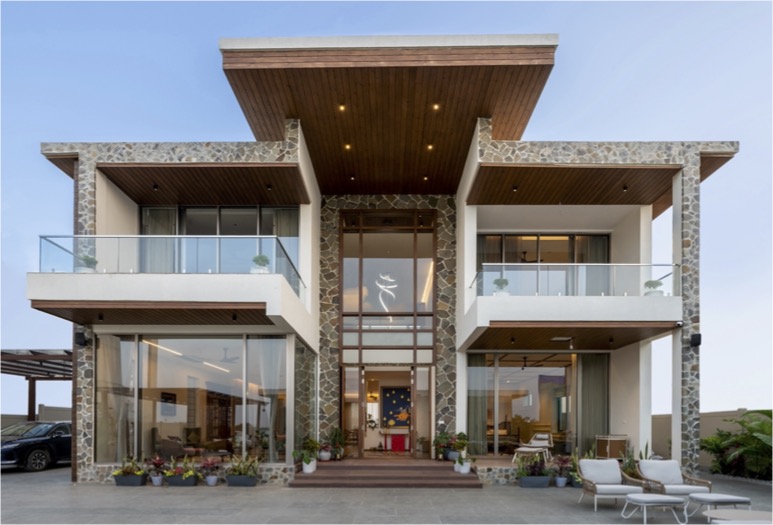
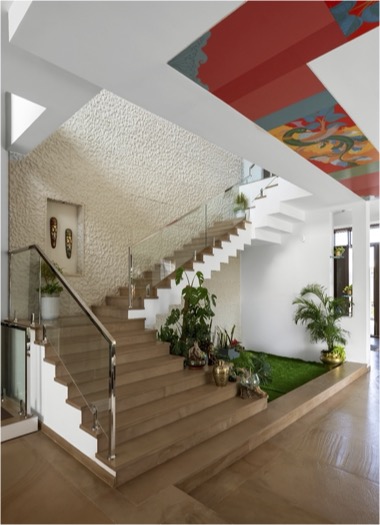
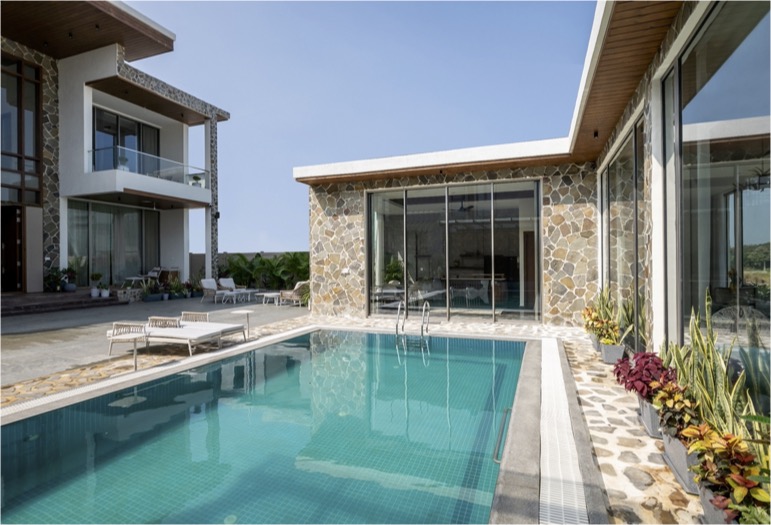 Category Interior Designs: Anvaya Residence. Balanced honesty.
Architect Shweta Balasubramoni, Founder–Principal of Vistaar Associates, Hyderabad, is recognized for her socially responsive and context-driven design approach. Her work spans residential, hospitality, and public projects, bridging vernacular traditions with contemporary practice. This citation honors her commitment to inclusive, responsible, and people-centric architecture.
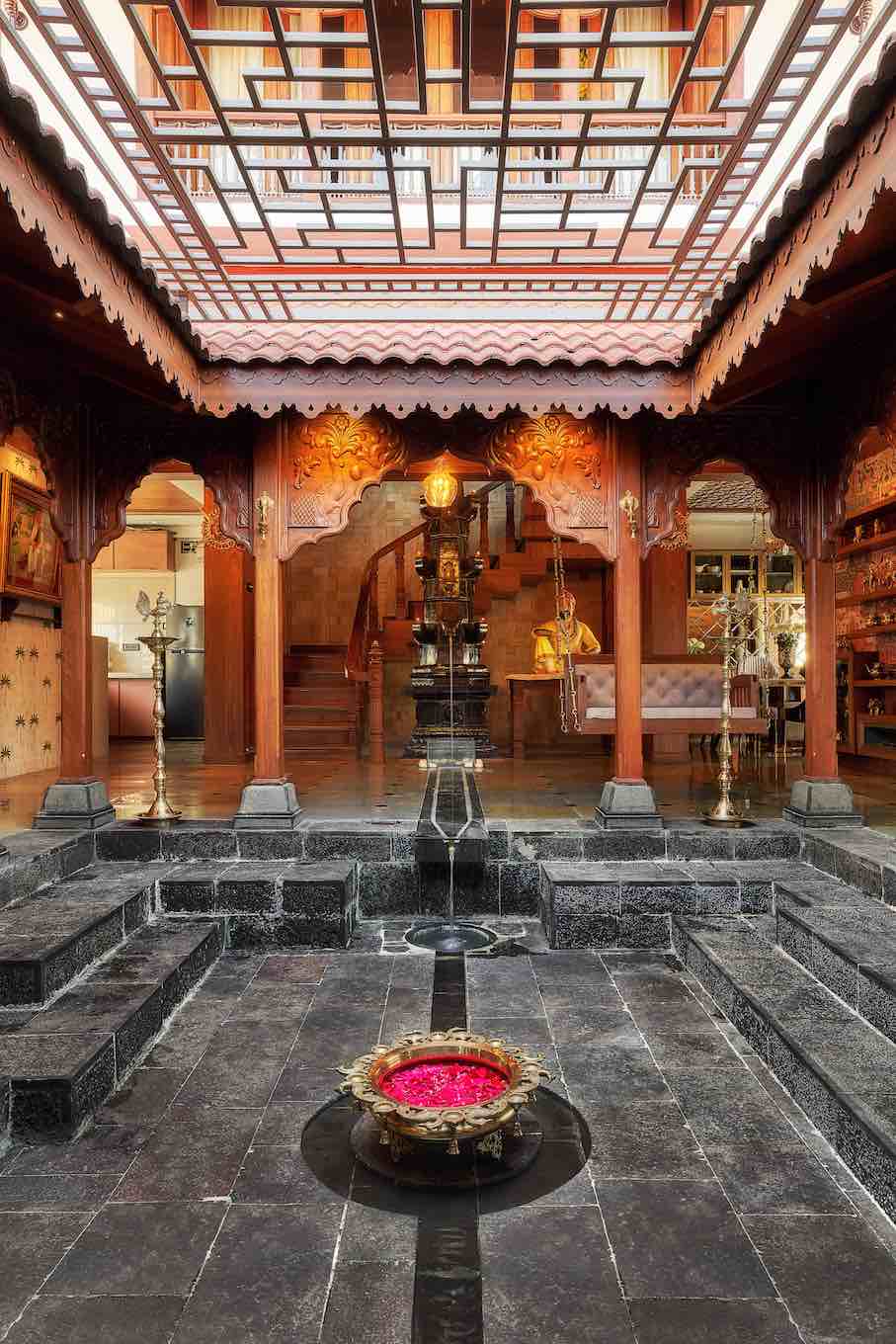
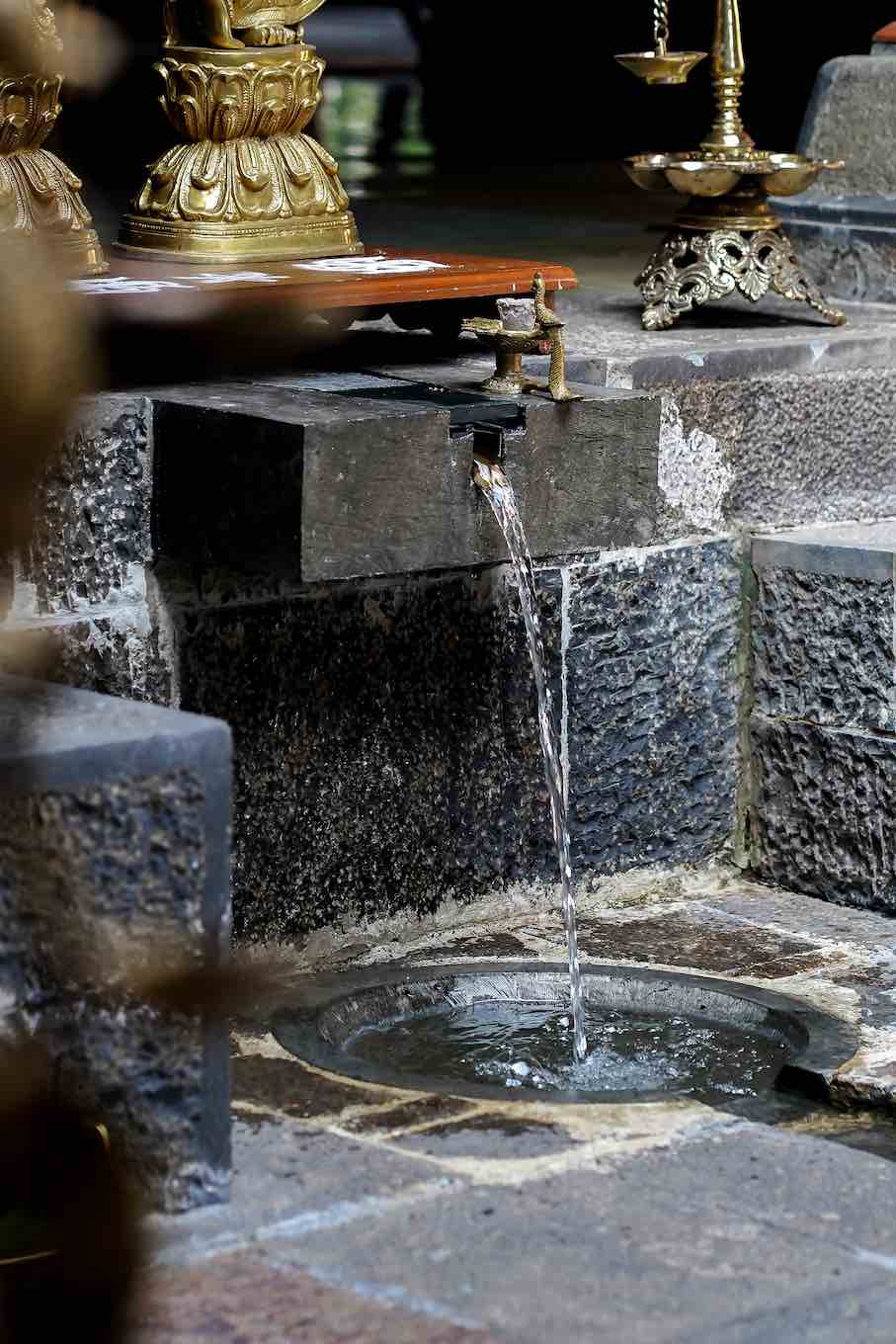
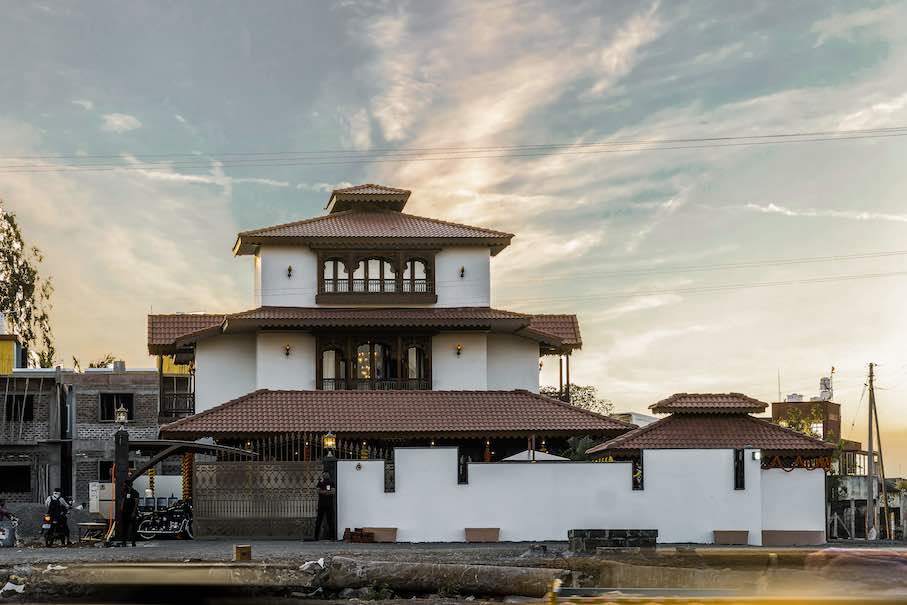 Category Interior Designs: Sawantancha Wada. Traditional use of stone reminiscent of a bygone era reinterpreted for a contemporary use.
Architect Santosh Nandakumar Ramane, Principal Architect of ART N SPACE STUDIO, Kolhapur, is recognized for his deep commitment to socially responsible and context-driven architecture. An alumnus of S.P.S.M.B.H’s College of Architecture, Kolhapur, he founded his practice in 2012 with a belief that architecture must serve people, place, and nature. His work reflects the honest use of locally available materials such as stone, brick, mud, bamboo, and earth, guided by vernacular wisdom. This award celebrates his enduring contribution to stone architecture that is rooted, responsible, and timeless.
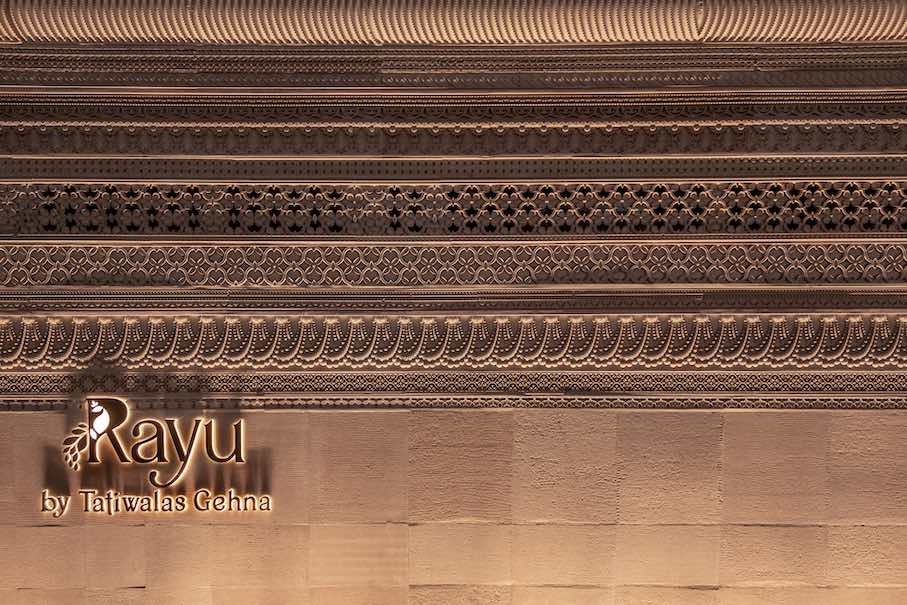
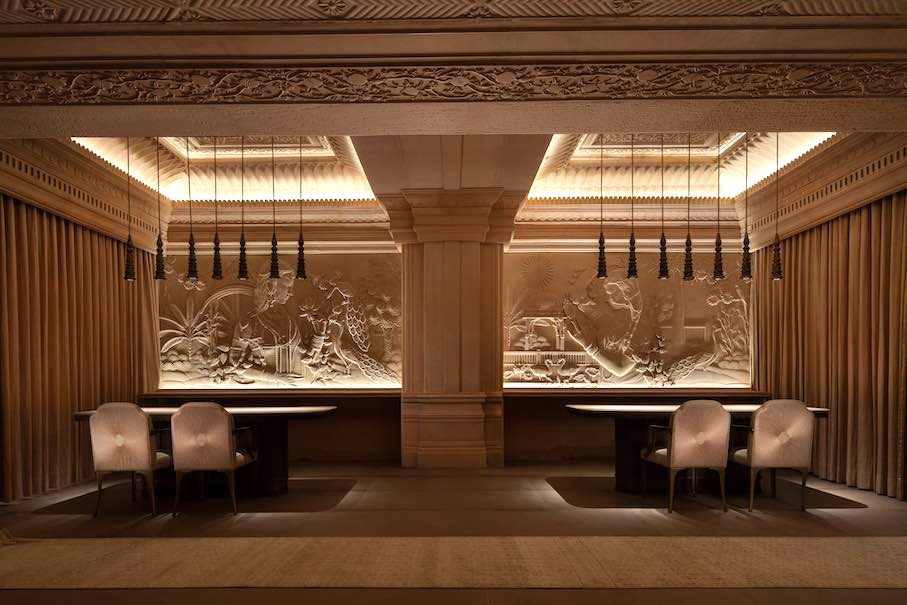
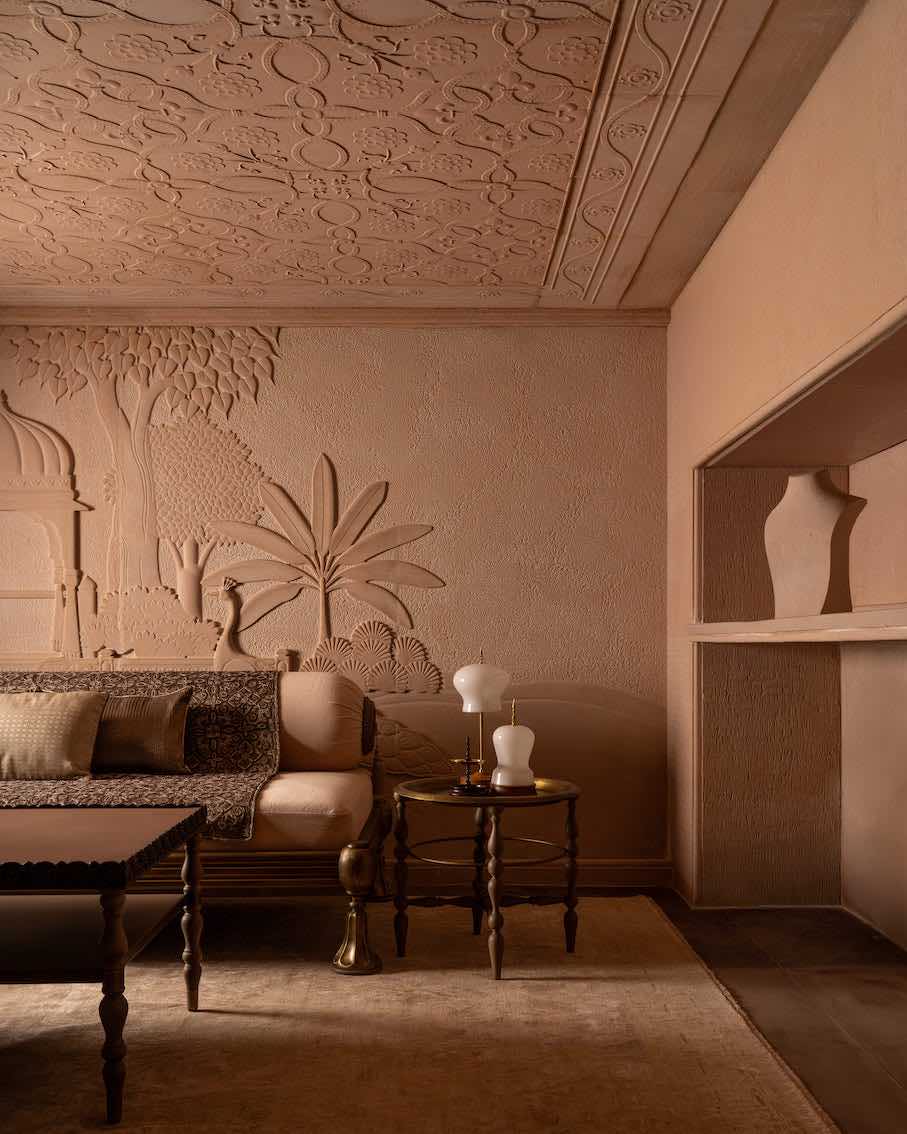 Category Interiror Designs – Commendations: Rayu by Tatiwala Ghena. Interpreting traditional design to tangible stone craft.
Architects Ridhima Sogani and Ankit Gupta are honored for their outstanding contribution to contemporary Indian architecture and interior design. With over fifteen years of practice, their work reflects a thoughtful dialogue between space, material, craft, and narrative. Their projects across hospitality, retail, cultural, and industrial sectors balance heritage with contemporary expression. This citation recognizes their role as a strong and evolving voice in Indian architecture.