Stone-Ideas.com


Some religions center around a stone. A well-known example is the Black Stone in Mecca, which is set in a corner of the Kaaba. The cube-shaped building is the central place of worship in Islam. The Jews have the Western Wall in Jerusalem.
Another example is the religion of the Guin people in southern Togo. There, a stone plays a central role in the New Year’s celebrations. At the end of 2025, Unesco added the ceremonies to the List of Intangible Cultural Heritage of Humanity.
The Guin religion, like that of many African peoples, is characterized by a close connection between this world and the afterlife, as well as between ancestors and their descendants. In rituals, the gods and ancestors are consulted, and they send messages, for example, about what to expect in the coming year.
For the Guin, Ekpésosso, or Epe-Ekpe, is the central event. It takes place at the end of August/beginning of September and is determined according to the lunar calendar.
At this time, many believers gather in the village of Glidji in the Lacs Prefecture of the Maritime Region of Togo.
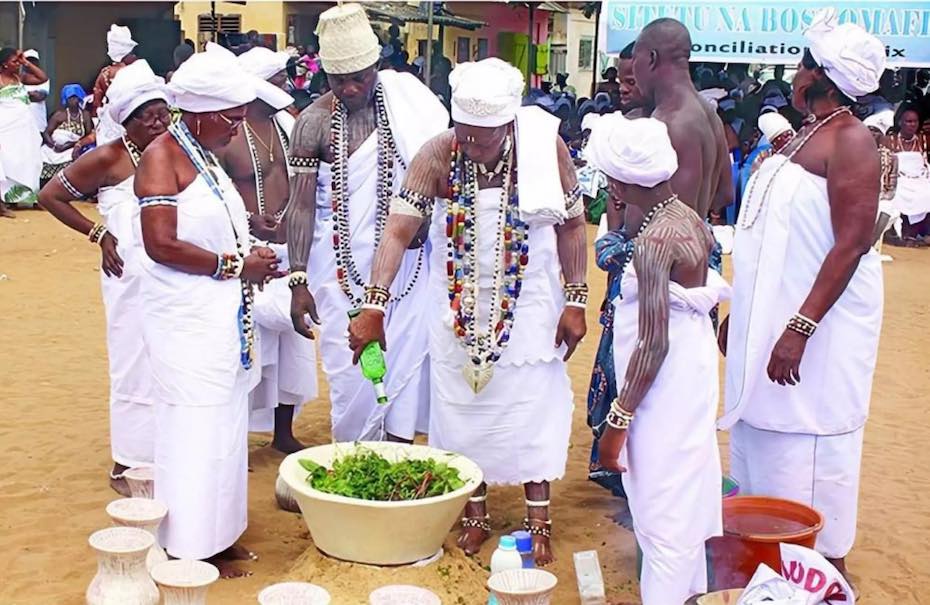
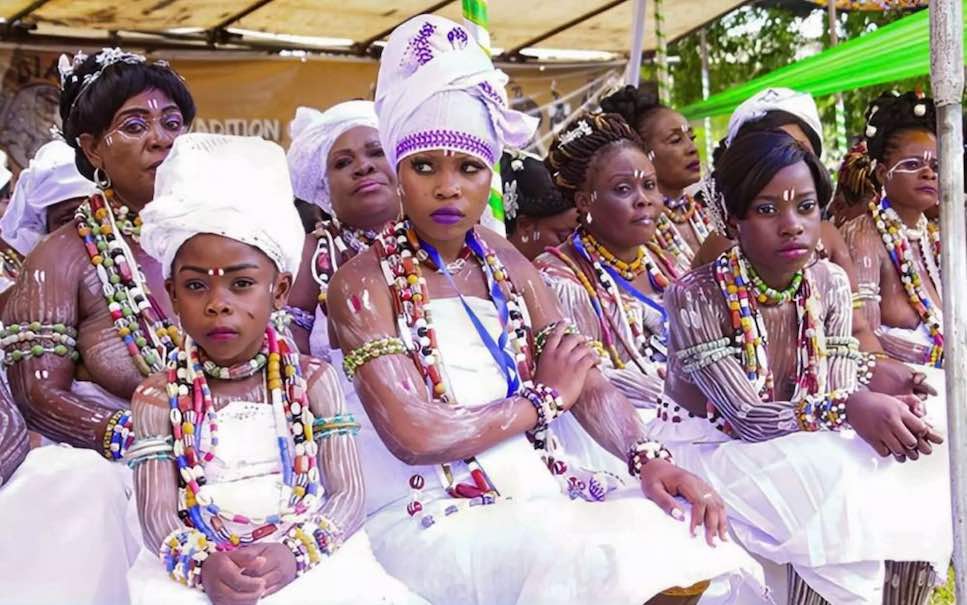
For example, there is Yêkê-Yêkê, a large communal meal, or Kpanchonchon, a parade with masks and dances. “A group of initiated women, known as ‘guin-yehuesi’, manage the ritual tasks and lead the ceremonies, while men are in charge of ensuring the physical and spiritual security of the sacred places,” as is stated on the Unesco website.
And furthermore: “Initiation takes place over three months in the secrecy of the shrines. Craftspeople also create colourful necklaces and other ceremonial items. These rites serve many social functions, including healing, recreation and the promotion of community well-being. They are deeply valued by practitioners as a key part of their cultural identity. ”

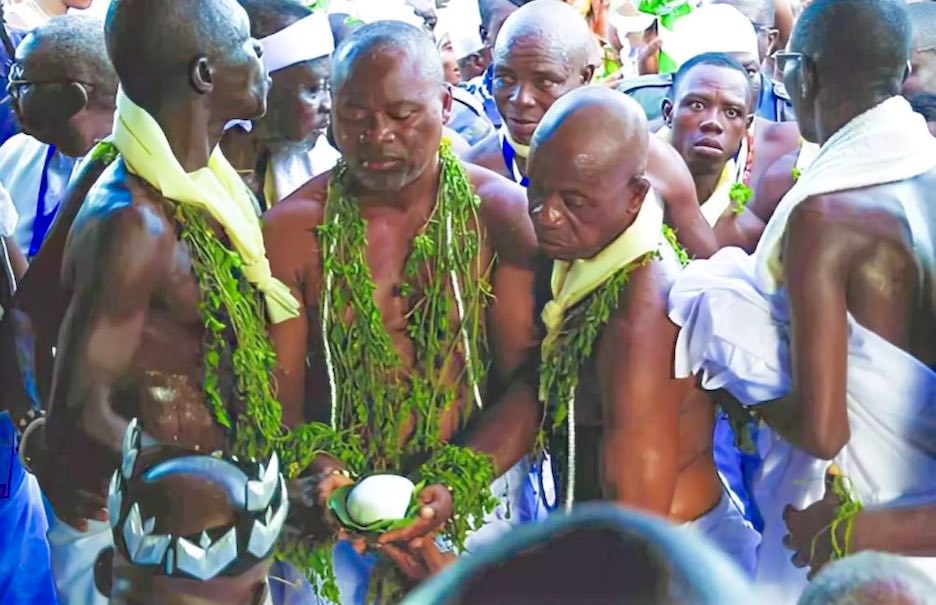
At the climax of Ekpésosso, the High Priest goes to the sacred grove. Upon his return, he brings a stone.
Its color carries a message from the deceased for the coming year:
* White promises a good year characterized by happiness, cosmic harmony, and general abundance;
* Cream indicates that prosperity is still possible, but the community has incurred the wrath of the ancestors through disputes. This color urges immediate solidarity, mutual forgiveness, and social reconciliation;
* Blue heralds a year of abundant rainfall and promises successful harvests and food security;
* Red is understood as a warning of tensions, internal conflicts, or war. Priestesses and priests must immediately perform pacification rituals to avert the threat;
* Black points to serious challenges, such as famine, disease, epidemics, or devastating storms and floods.
For the last year (2025/2026), the stone was white.
Video (French)
Photos: Wisdom Mensah / Unesco