Stone-Ideas.com


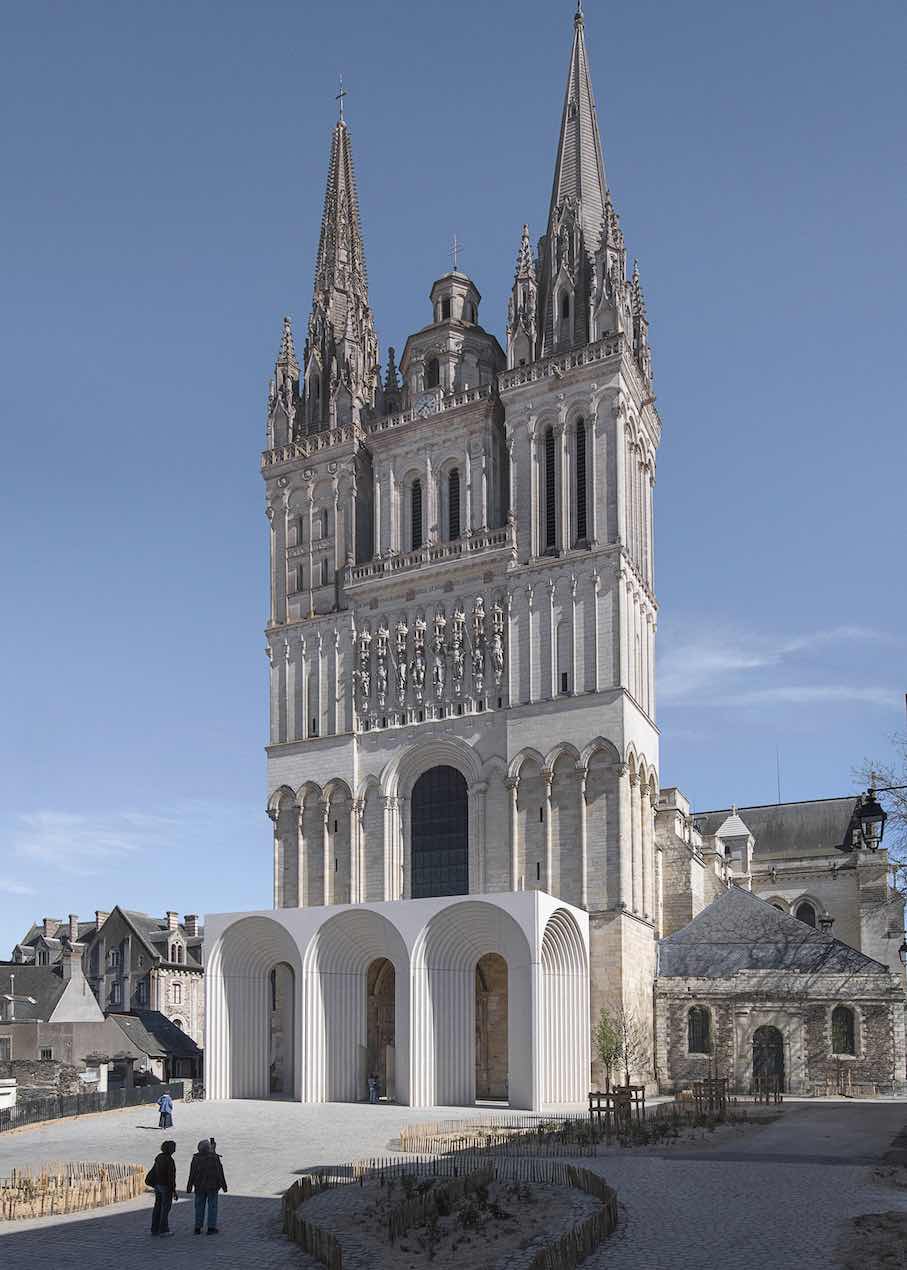
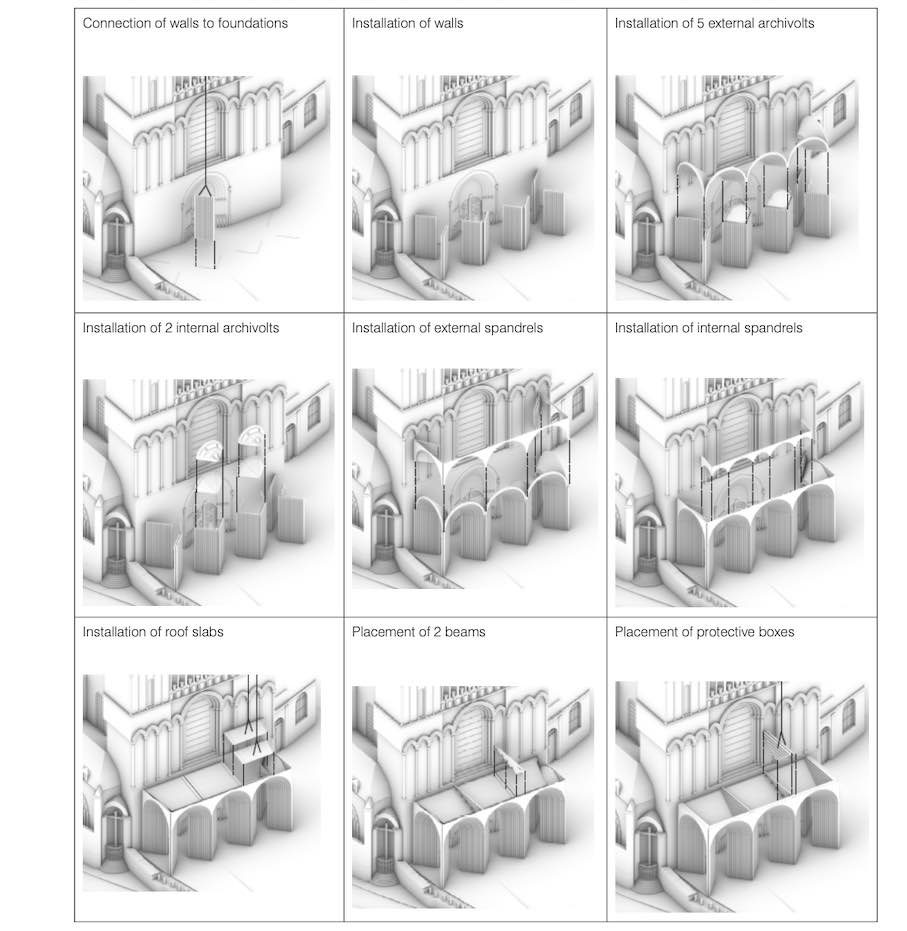
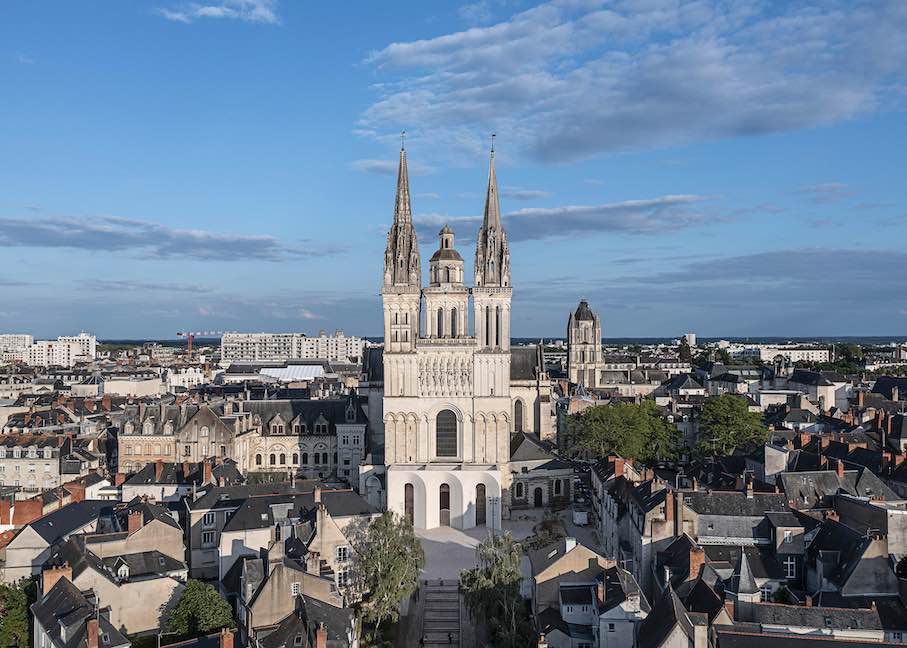
An ensemble of arches forms the protective structure that Kengo Kuma placed in front of the main entrance of Angers Cathedral. Arches are a hallmark of medieval churches. However, in terms of materials, the Japanese architect clearly distinguished his structure from the natural stone church built at the city’s highest point: The arches in front of and above the main entrance are constructed of a modern concrete mixed with sand and aggregates from the Loire Valley.
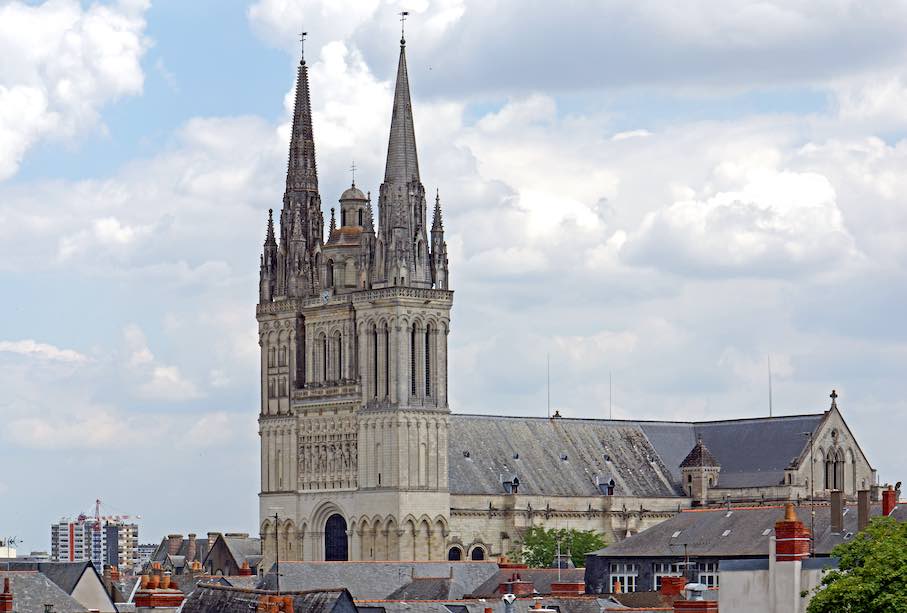
Saint-Maurice Cathedral was built between the mid-12th and mid-13th centuries, damaged by fires and storms, and later altered according to the prevailing tastes of the time. One alteration occurred during the Renaissance, when the colorful paintings on the exterior and interior of the church were removed, whitewashed, or hidden behind wood paneling.
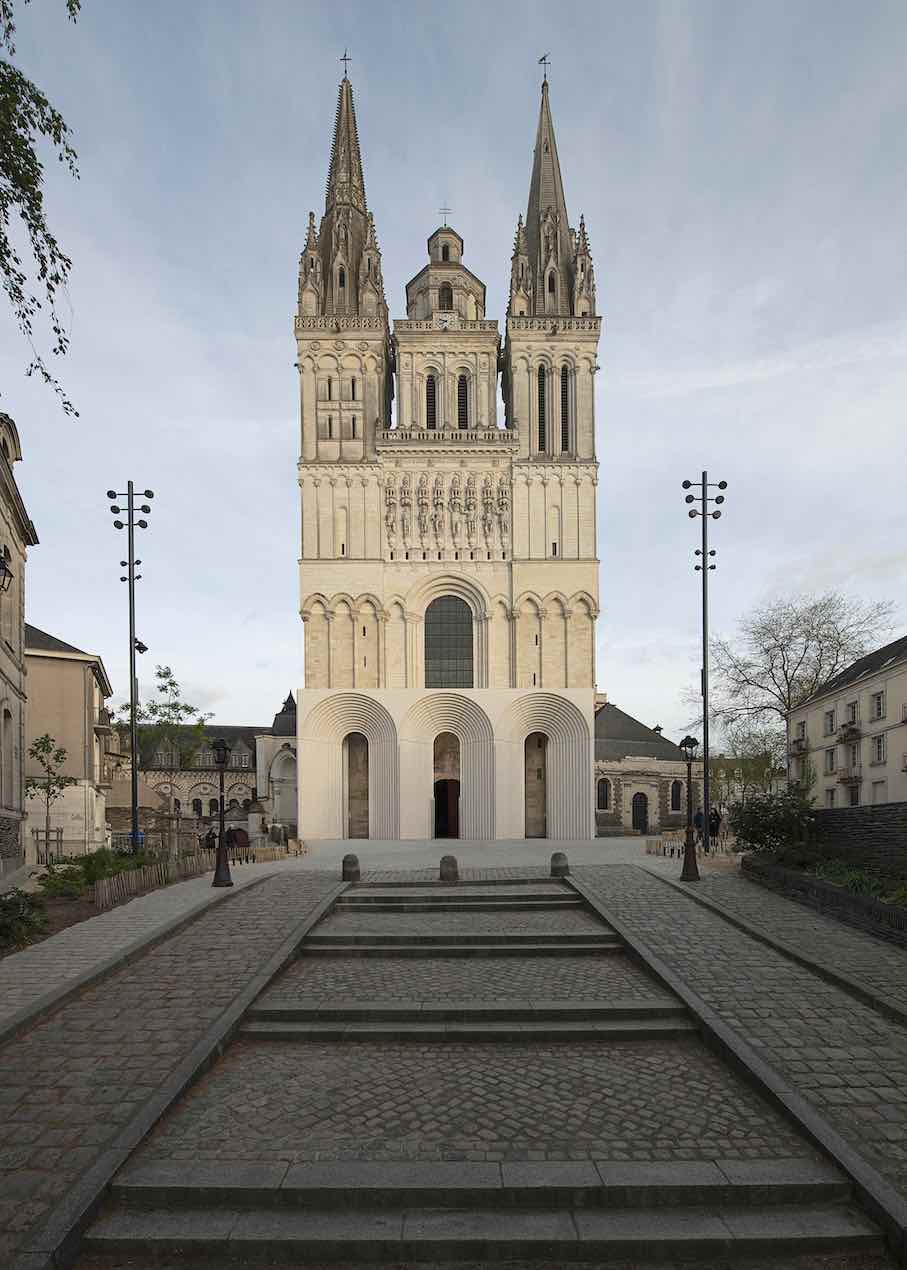
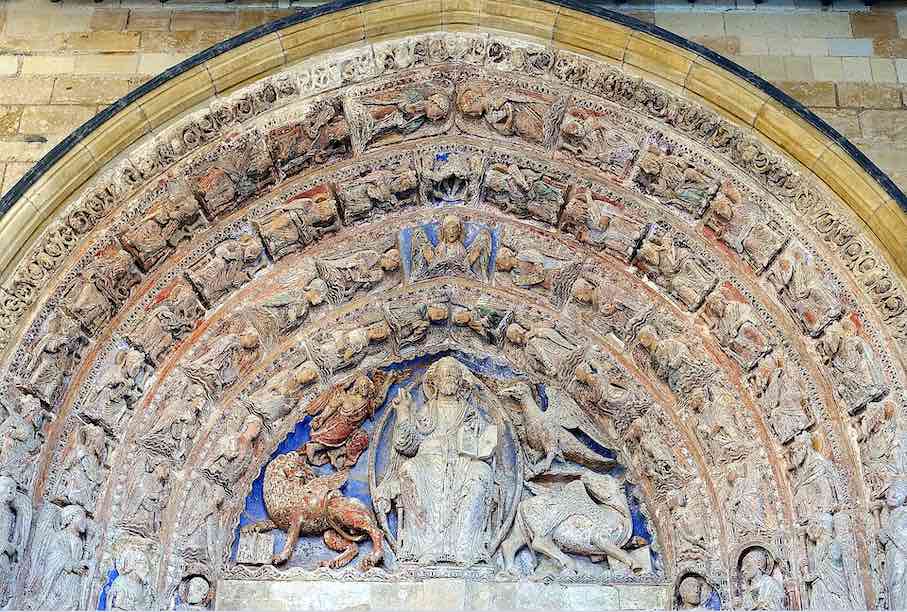
During a cleaning of the façade in 2009, these colors reappeared at the main entrance.
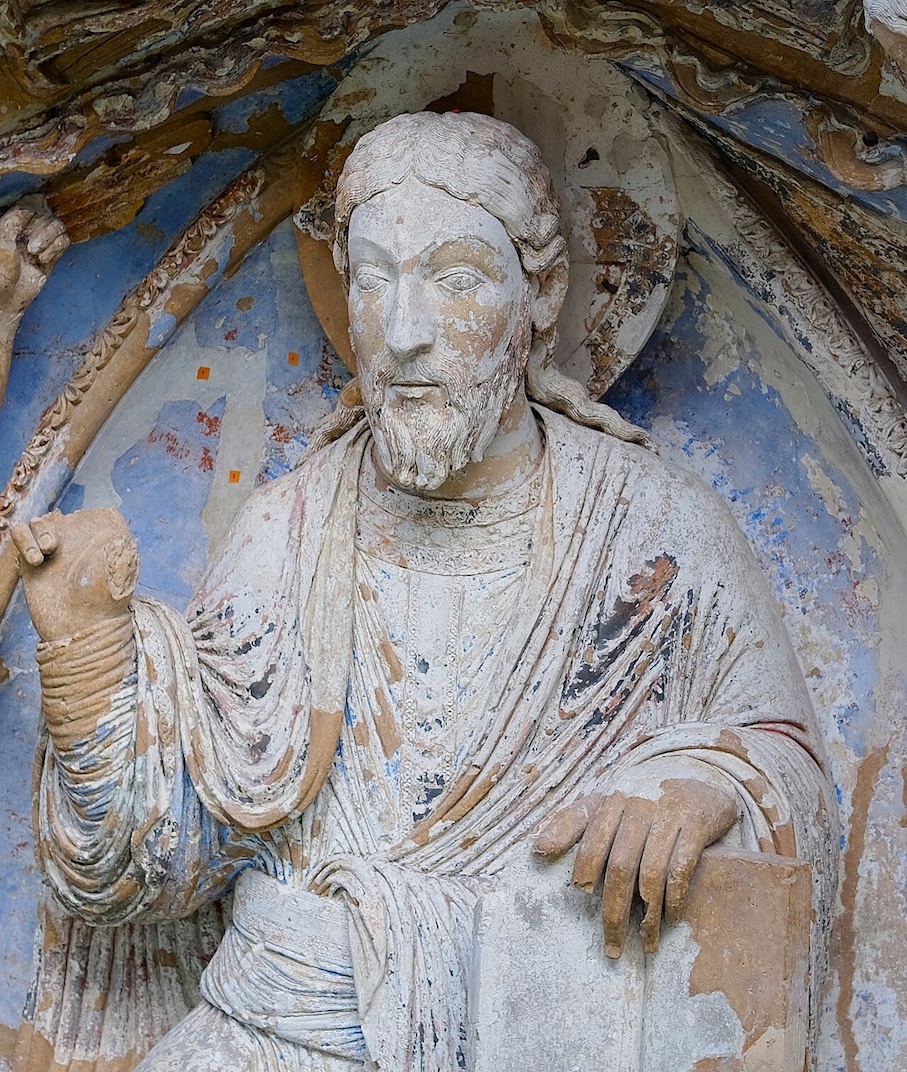
The discovery was sensational, as the old polychromy is revealed here in its original splendor. Comparable examples can only be found at the cathedrals of Reims and Senlis.
To both protect these historical artifacts and make them visible to visitors, an architectural competition was held, which Kengo Kuma’s concept won.
The work was completed in the spring of 2026. The costs of €2.7 million were covered by the Ministry of Culture in Paris.
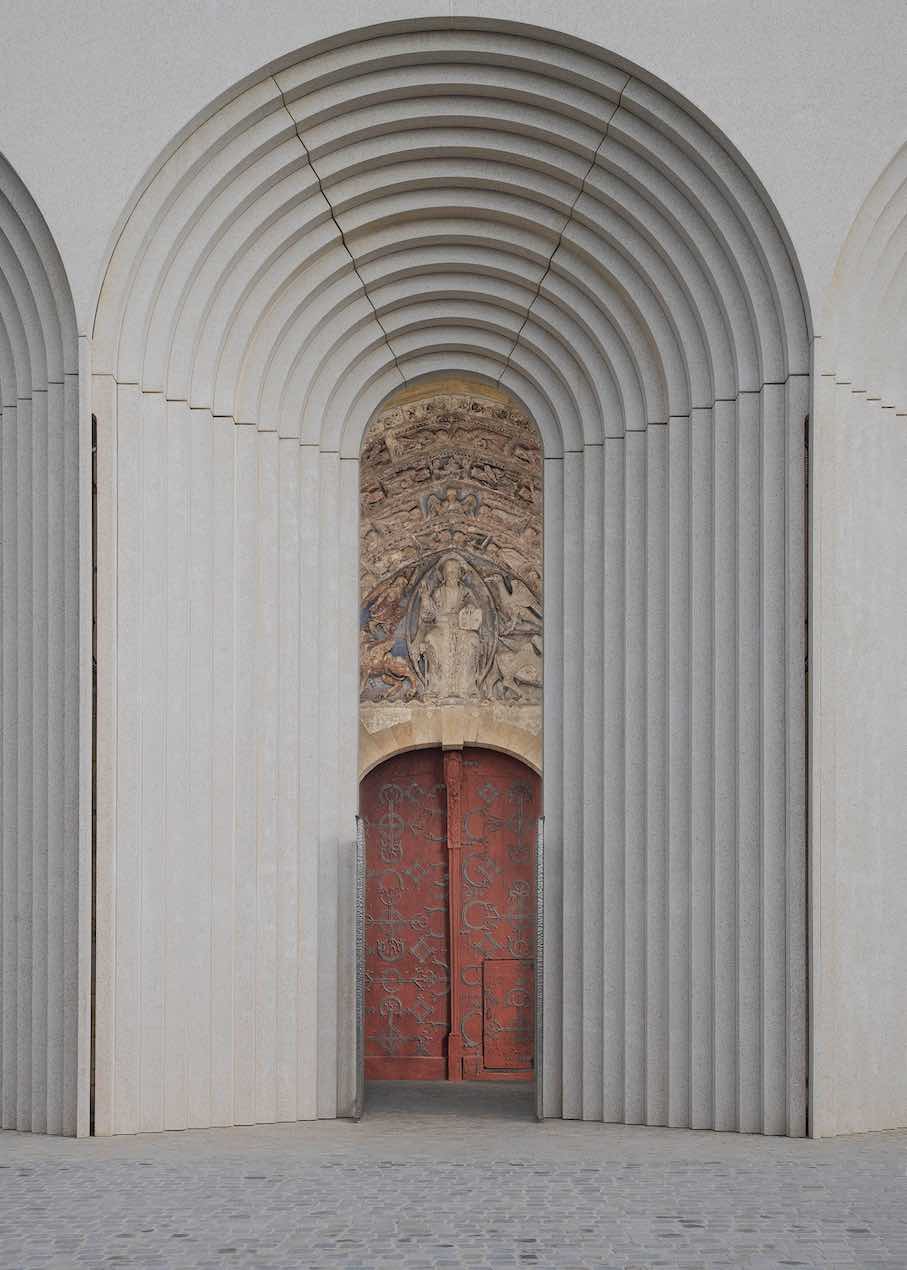
The main entrance is richly decorated with reliefs, at the center of which stands Christ. The newly discovered colors are unexpectedly diverse and still vibrant. This is partly due to the fact that for many years there was a porch above the entrance. This was removed in 1807; the subsequent painting over it during the Renaissance and the grime of centuries were sufficient to preserve the colors.
Kuma’s arched structure is 21 m wide (3 arches), 7 m deep (1 arch) and 11 m high. Regarding its function, the architect writes: “Serving as a processional porch, the space embodies multiple functions: reception, contemplation, liturgical life, and funerary connection. It echoes the portal’s theme depicting the Apocalypse of Saint John, a revelation through light. This is architecture rooted in the medieval understanding of mediation between humans and the sacred.”
Also: “The three units symbolize the Holy Trinity: past, present, and future. The annex embodies this sacred function, representing the passage, a symbol of transformation necessary for all evolution. Across cultures and time, initiation rituals involve a passage, after which the participant emerges changed. ”
La Cathedrale d’Anders (French)
3D-Animation