Stone-Ideas.com


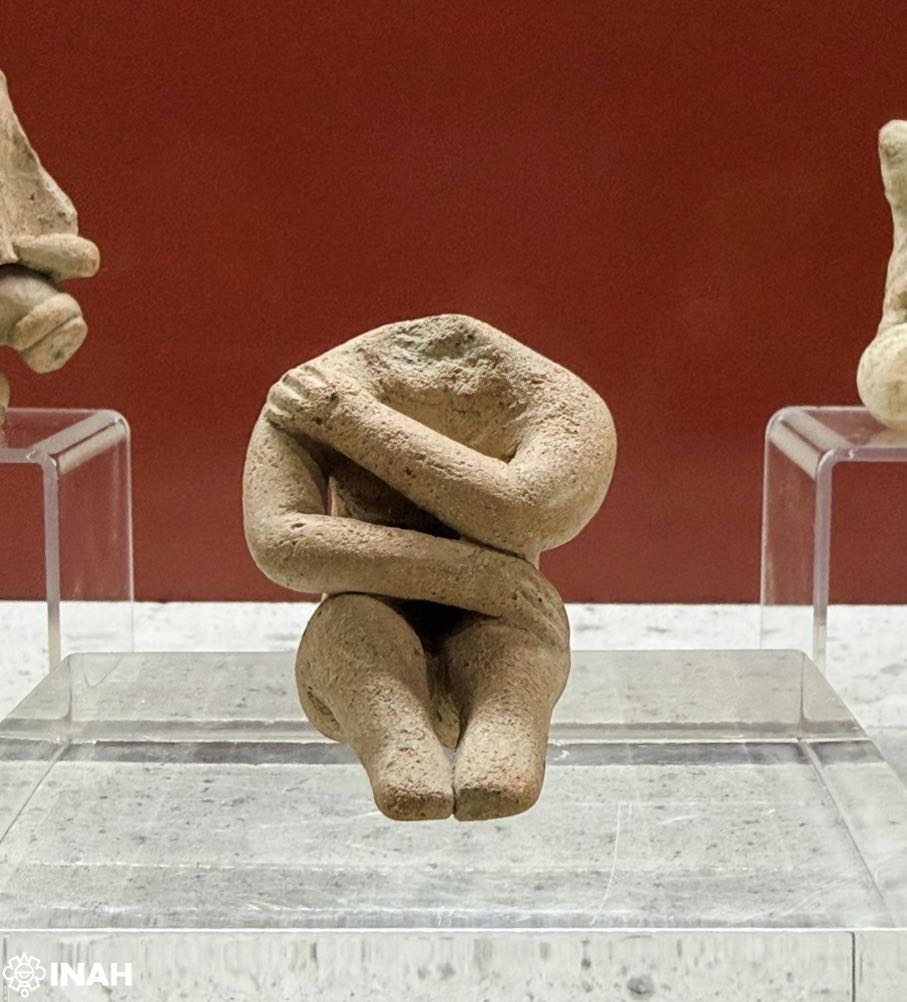
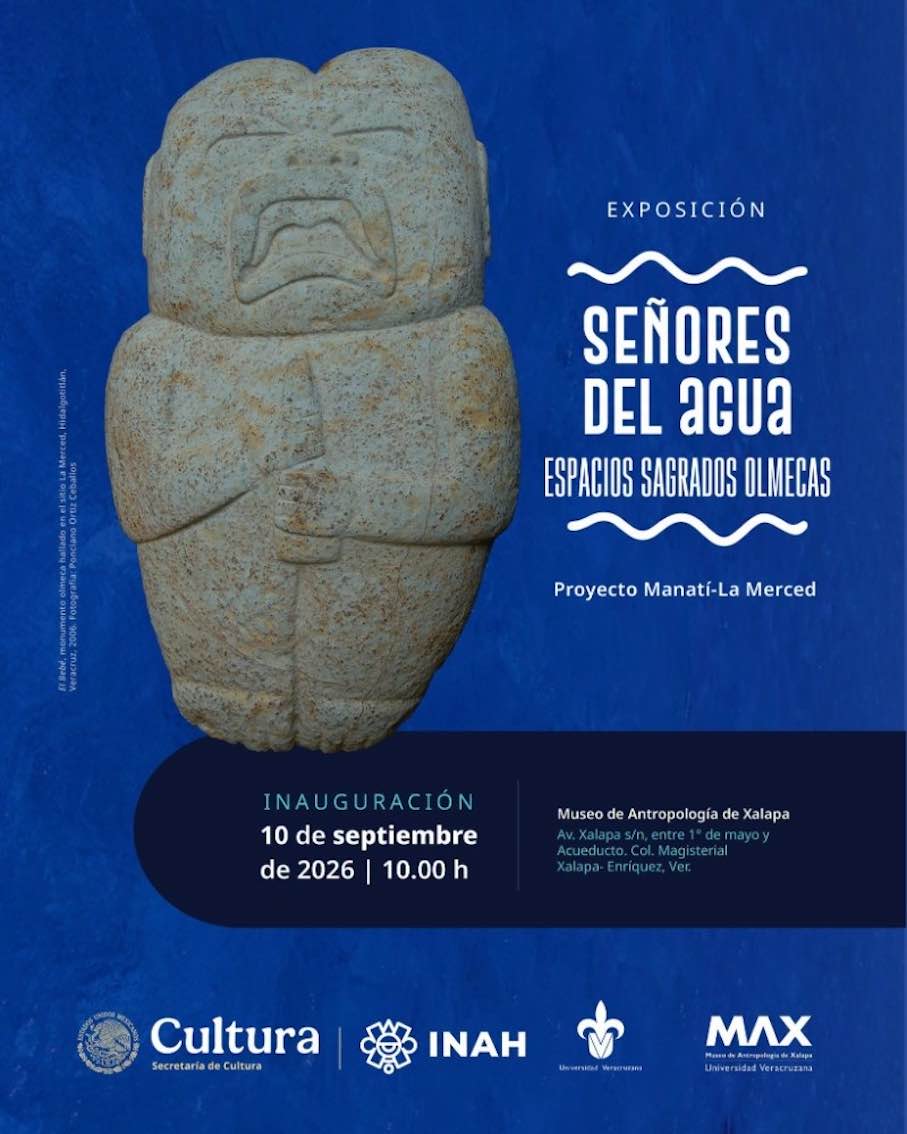
Nearly four decades after one of the most extraordinary discoveries in Mesoamerican archaeology, objects recovered from the sacred Olmec site of Cerro El Manatí are being brought together again in a major exhibition at the Xalapa Museum of Anthropology in Veracruz, Mexico. The title is “Lords of Water, Olmec Sacred Spaces.” It opened on September 10, 2026, and presents 90 archaeological objects from El Manatí alongside material from the related sites of La Merced and El Macayal. Organized by the INAH Veracruz Center and Universidad Veracruzana, the exhibition will remain on view for a year as part of the museum’s 70th-anniversary celebrations.
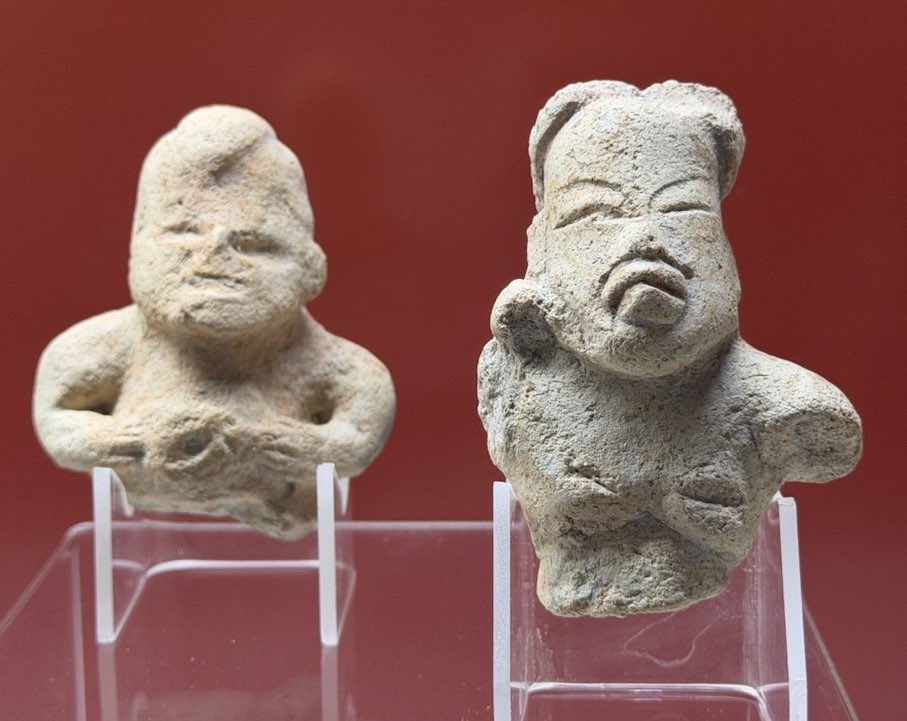
The exhibition refers to a discovery made in February 1988, when archaeologists Carmen Rodríguez Martínez and Ponciano Ortiz Ceballos traveled to a remote area in the lower Coatzacoalcos River basin after local residents reported unusual finds near the springs of Cerro El Manatí.
The site‘s importance quickly became clear. Located within the Olmec heartland and within the wider sphere of influence of major centers such as San Lorenzo and La Venta, El Manatí preserved evidence not simply of settlement, but of repeated ritual activity spanning centuries.
Between roughly 1700 and 900 BC, Olmec communities deposited objects at the springs which researchers interpret as ceremonial offerings. Water, mountains, minerals, and the surrounding landscape appear to have played an essential role in the site’s religious significance.
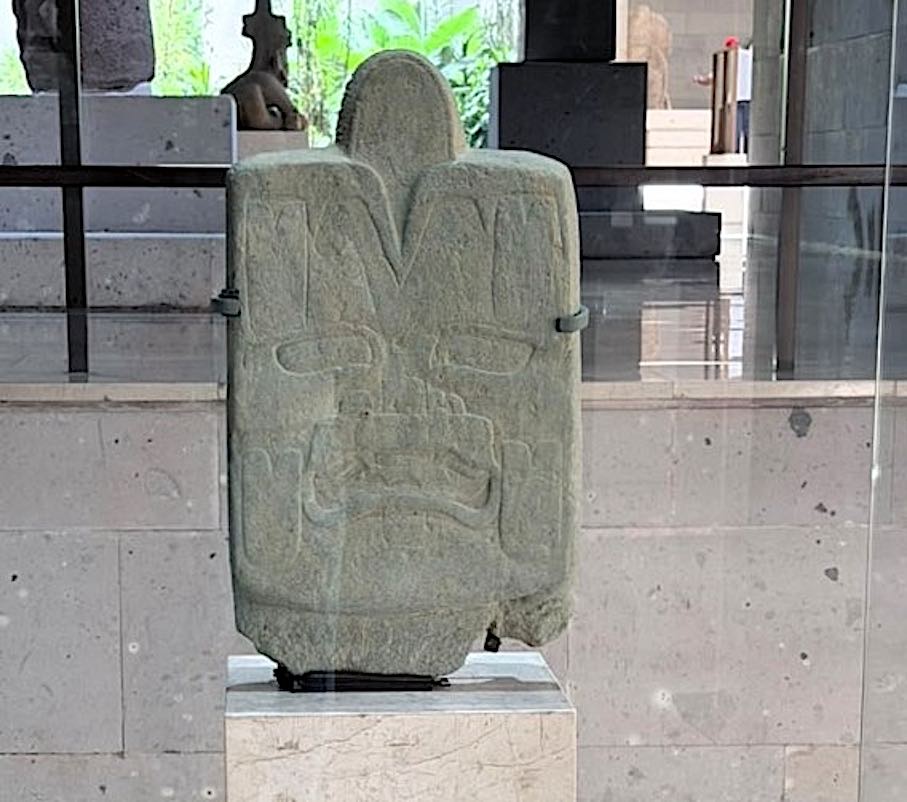
After installing a drainage system to make excavation possible, archaeologists recovered polished stone axes, carved wooden busts, ceramic vessels, rubber balls, seeds and other organic material, as well as infant remains.
The survival of organic materials was especially remarkable. Among the finds were 15 rubber balls, including six from the earliest deposits, dating between 1700 and 1500 BC. Their preservation made them some of the most unusual objects recovered at the site. A reproduction of one of the balls is included in the exhibition.
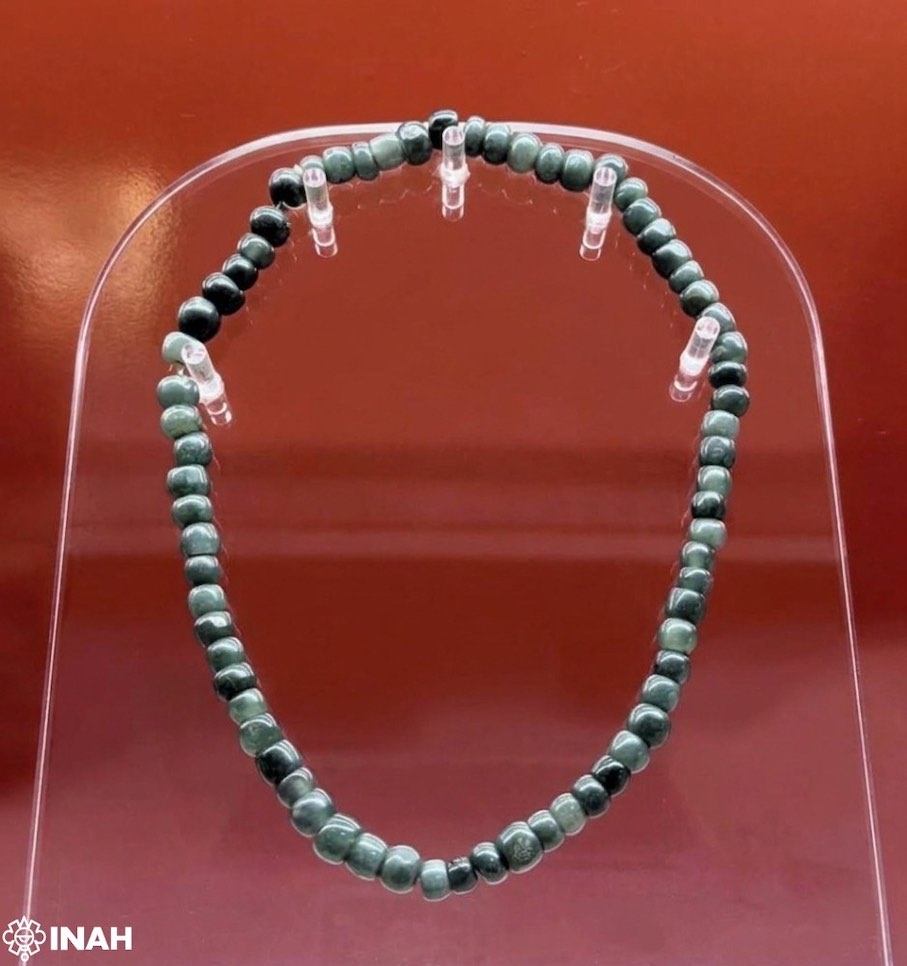
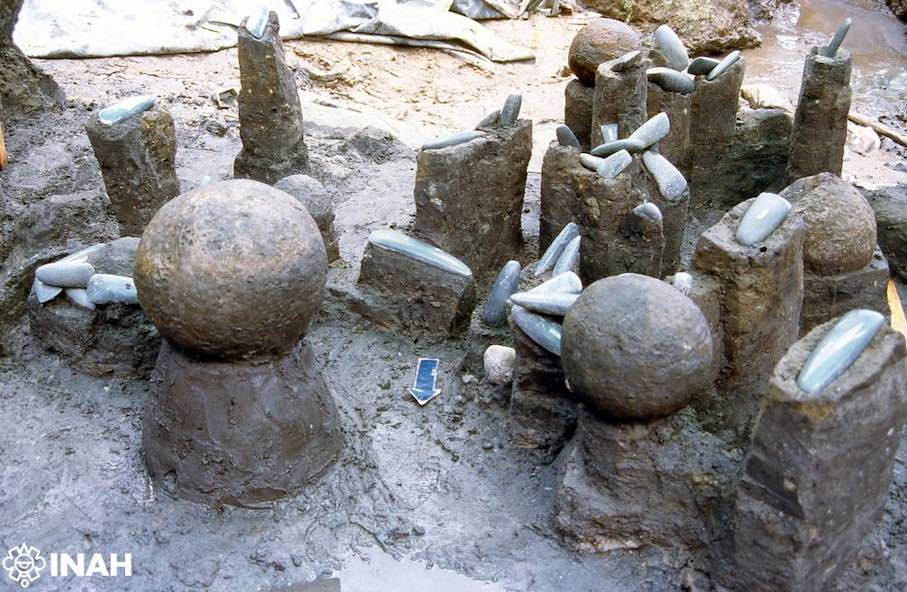
Later ritual deposits reveal changes in ceremonial practices. Around 1500 – 1200 BC, people placed axes on a layer of silty clay, sometimes individually, sometimes in pairs, and sometimes arranged in flower-like configurations.
The most dramatic phase came between 1200 and 900 BC, when anthropomorphic wooden busts were deposited at the site. Twenty figures carved from jobo and ceiba wood were found in situ. Some were coated with specular hematite, while others were placed with pieces of the mineral, staffs of authority, bundles of flowers, and infant remains.
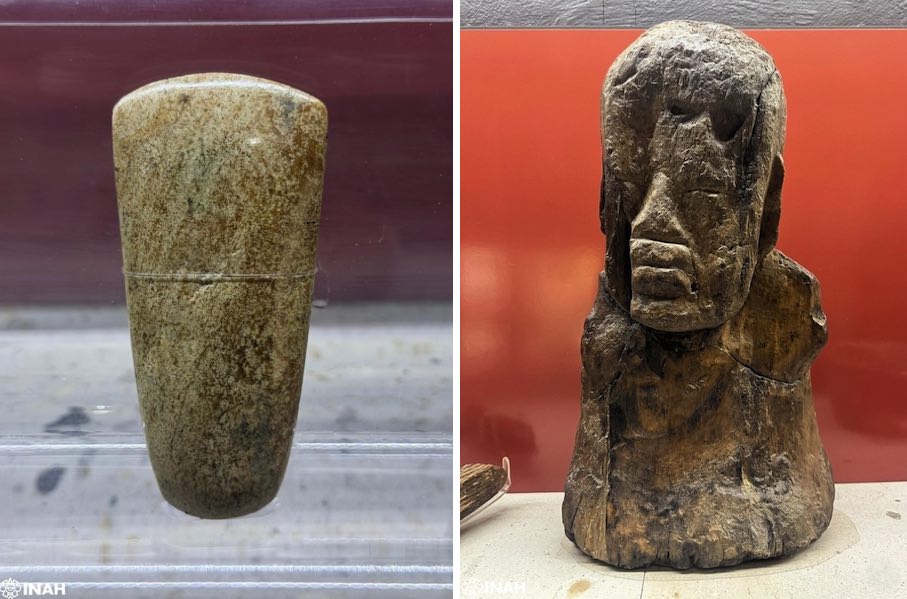
The exhibition places those finds within a broader landscape of Olmec ritual practice. Material from La Merced and El Macayal helps show that El Manatí was not an isolated phenomenon, but part of a wider network of sacred places in which water, earth, and offerings were closely connected.
Three-dimensional reconstructions let visitors of the exhibition see the archaeological contexts in which many objects were originally found.
Museo de Antropología de Xalapa (Spanish)
Instituto Nacional de Antropología e Historia (INAH) (Spanish)