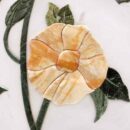
Stone-Ideas.com



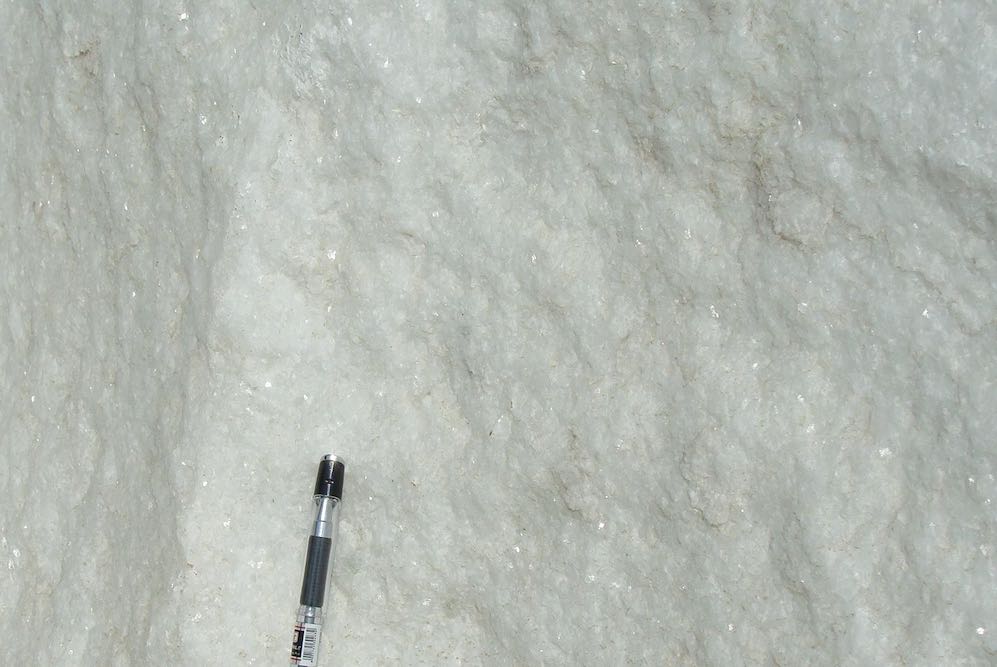
Name of the stone: Makrana marble
Stone type: calcitic marble
Color: pure white, some varieties with light-colored bands
Quarry location: city of Makrana, North-Western India
Description of the stone: especially the pure white and ivory sorts (called Sang-e-Marmar) contain nearly 100% white and strongly interlocking calcite grains. This gives the stone its special material features: it has high resistance and durability, yet is easy to carve, and has good polishing. All in all, it is a stone with character and luster.

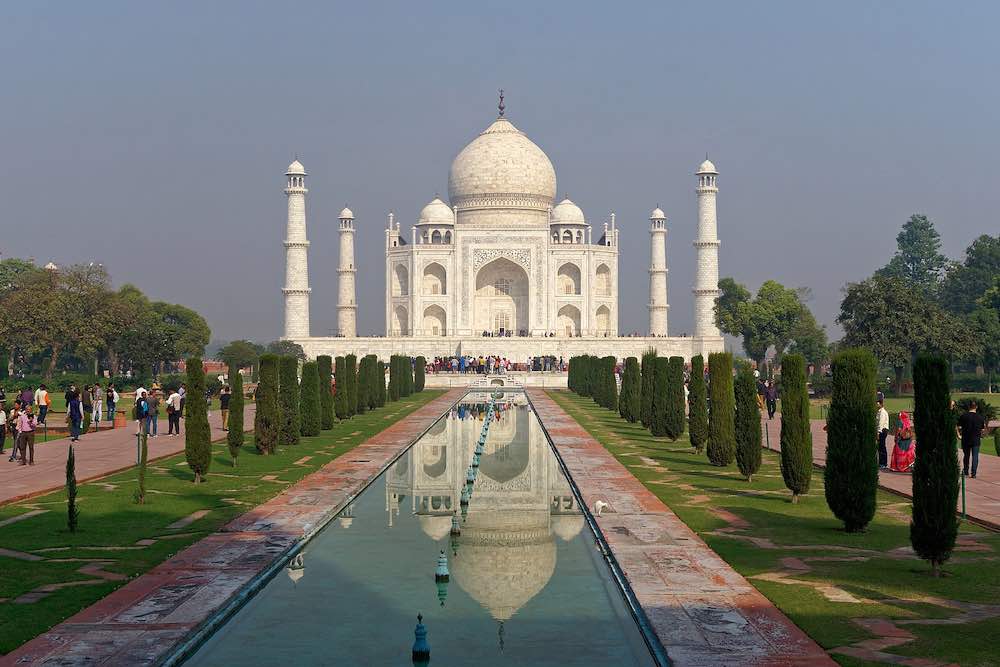
Peculiarities of the stone: The stone has been used for 400 years for outstanding buildings, including the Taj Mahal in Agra and the Victoria Memorial of Kolkata, essential examples of the Moghul or British era in India. It is still famous today and was recenty used in the Sheikh Zayed Mosque, Abu Dhabi, UAE, just to mention one. It is recognized as a Heritage Stone.
Application: cladding, paving, flooring, inside and outside, in shopping arcades and malls, gardens or cemeteries, sculptures.
Finishes: mostly polished, nut other finishings are possible
Frost resistant:
Company:
Contact:
Technical Data:


Video from a IUGS geologists’ trip to the Makrana marble area with information about the workplaces and the deposit (2:18 Professor Kurmeet Kaur, Panjab University), filmed by Professor Luís Lopes (Évora University, Portugal).
See also: