Stone-Ideas.com


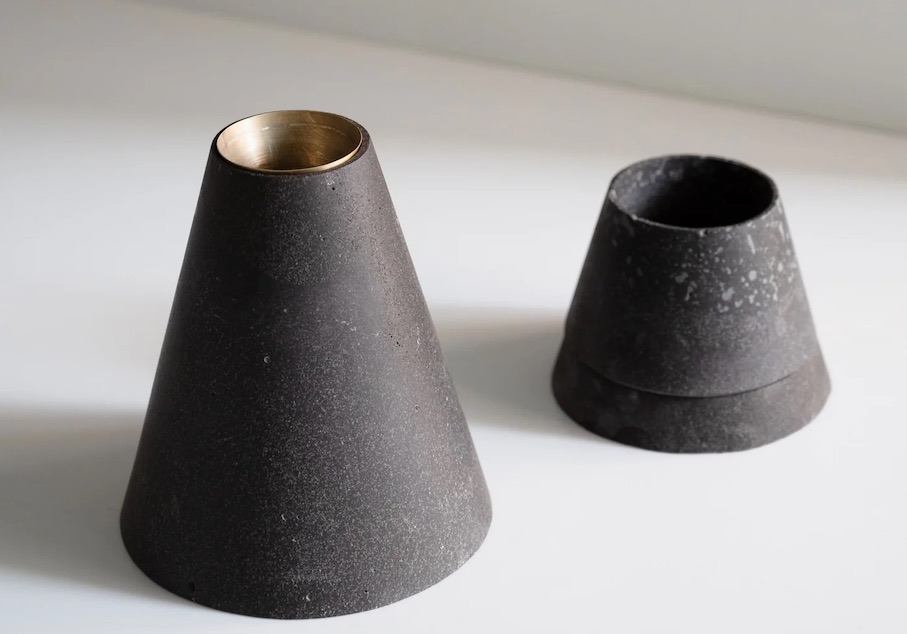 14 new natural stones have been added to the list of Heritage Stones. The coveted title is awarded to varieties that have been quarried for centuries and continue to be quarried today, that have been used beyond the borders of their countries of origin, and that have played and continue to play an important role in architecture, design, and art.
The new additions are: Minas Gerais soapstone from Brazil, Harrats Basalt from Saudi Arabia, Otago Schist from New Zealand, Ain Smara Onyx from Algeria, Piedramuelle Limestone from Spain, Thuringian Travertine from Germany, Adnet Marble from Austria, Vindhyan Sandstone from India, Aurisina/Nabrežina Stone from Italy, Fauske Marble from Norway, Thassos Marble from Greece, Balma Syenite from Italy, Javakheti Basalt from Georgia and Oaxaca Green Tuff from Mexico.

A committee of the International Commission on Geoheritage (IUGS) decides on inclusion in the list. This year, there were 17 submissions, which were evaluated by specialists in a meticulous process.
The aim of the list is, on the one hand, to bring these stones out of the niche of experts and make their role in human history known to the public. On the other hand, it is also about promoting the geosciences.
To date, the list embraced 55 varieties.
The new additions will be officially unveiled at the major IUGS 2026 Geoheritage Event, which will take place from 4 to 8 November 2026 in the Algarvensis Geopark, not far from the Portuguese town of Albufeira. Registration opens on June 01, 2026.
Two further announcements will be made at that time:
* 21 new geological collections have been selected from 34 submissions and added to the list. The criteria here are how the collection items help to understand the functioning of the Earth system, including specific aspects such as climate change;
* Also new are the third 100 IUGS Geological Heritage Sites. These designate locations with exceptional geological features. The fourth and final sites from this list are due to be published in 2028.