Stone-Ideas.com


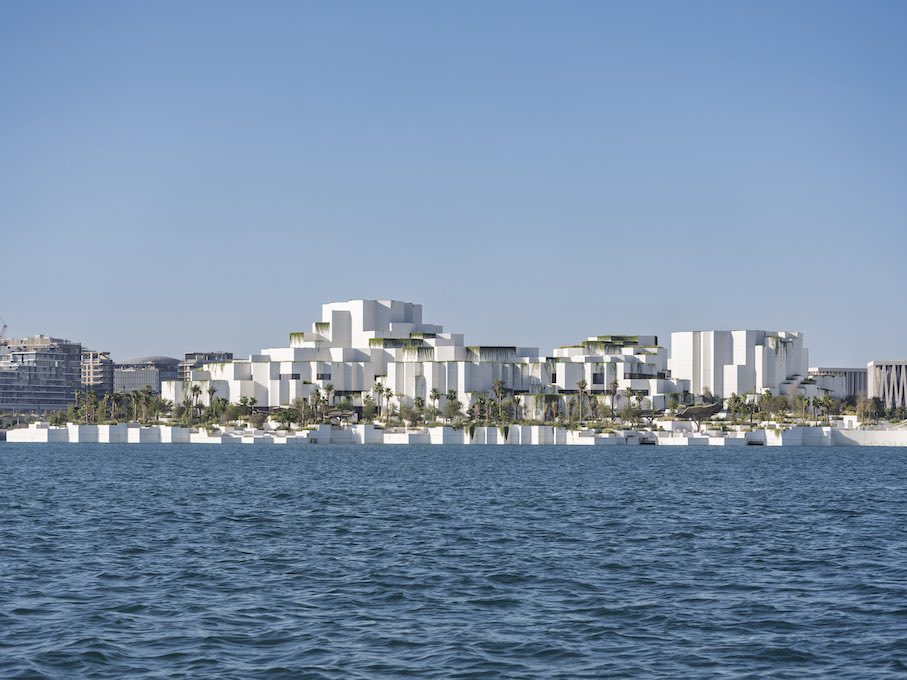
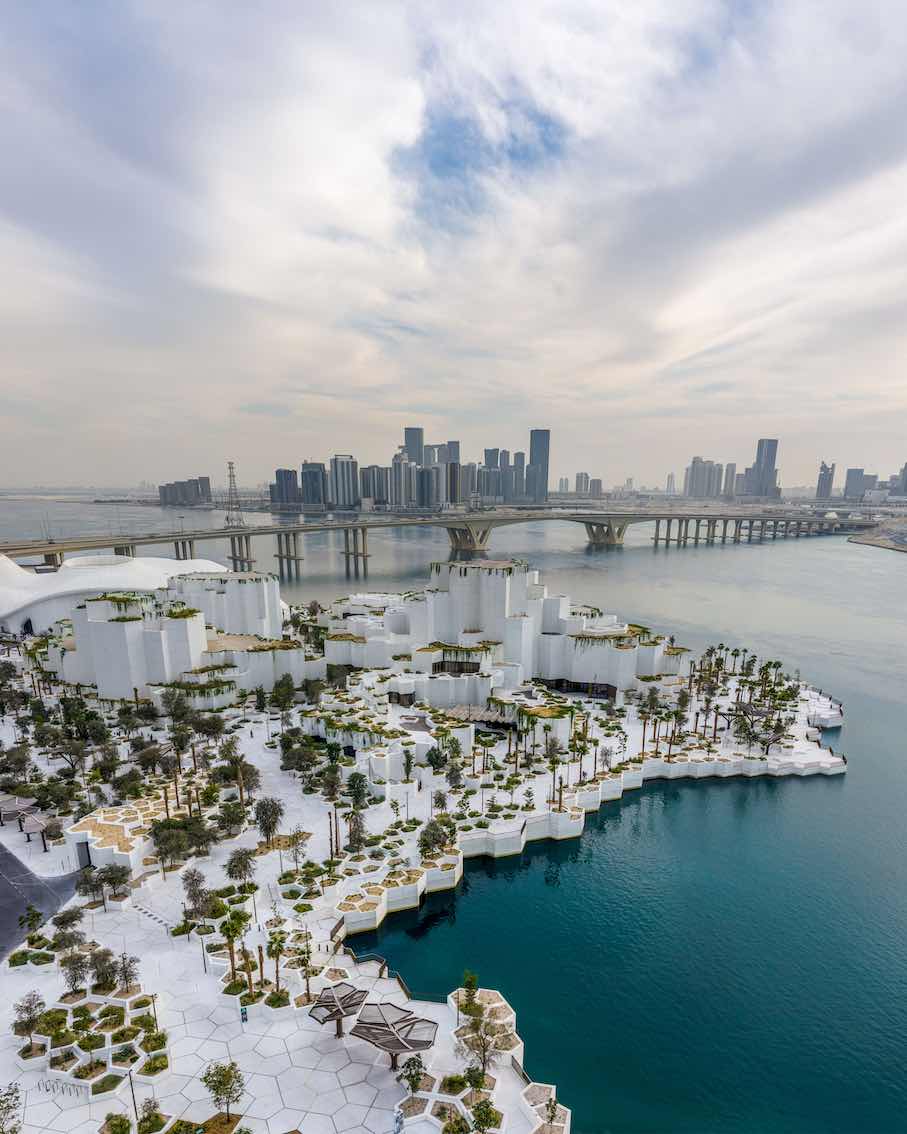
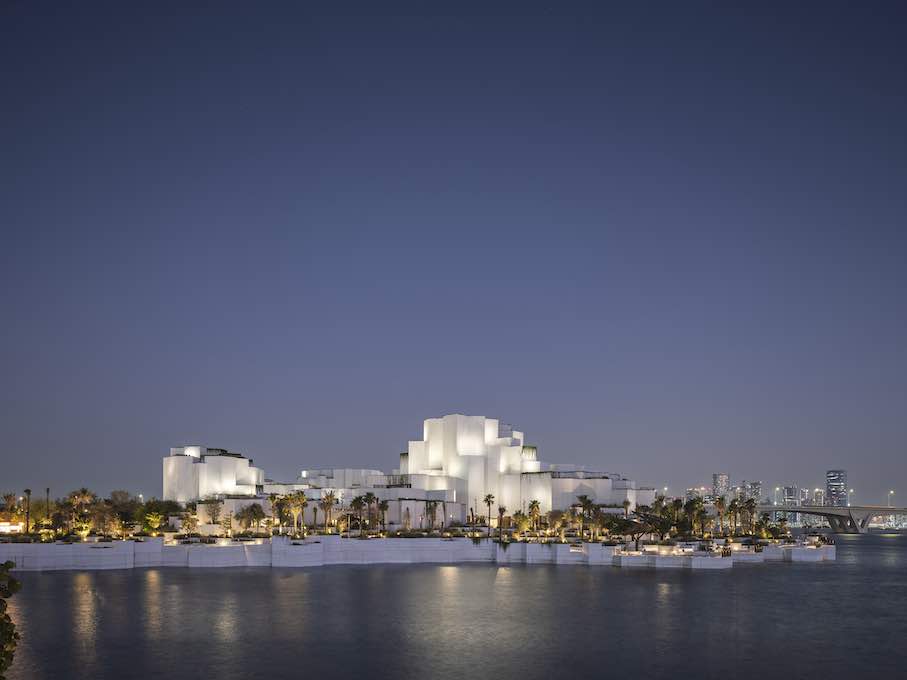
The concept for the Natural History Museum Abu Dhabi is rooted in the meeting of water and earth, recognizing this ever-changing boundary as a place of origin, movement and transformation. Rather than designing a singular architectural object, the museum is conceived as a landscape shaped by natural forces, where architecture and terrain become inseparable. Inspired by the geological formations and wadis of the region, the building emerges from the landscape as a series of sculpted volumes shaped by time, allowing the experience of natural history to begin before visitors enter the museum itself.
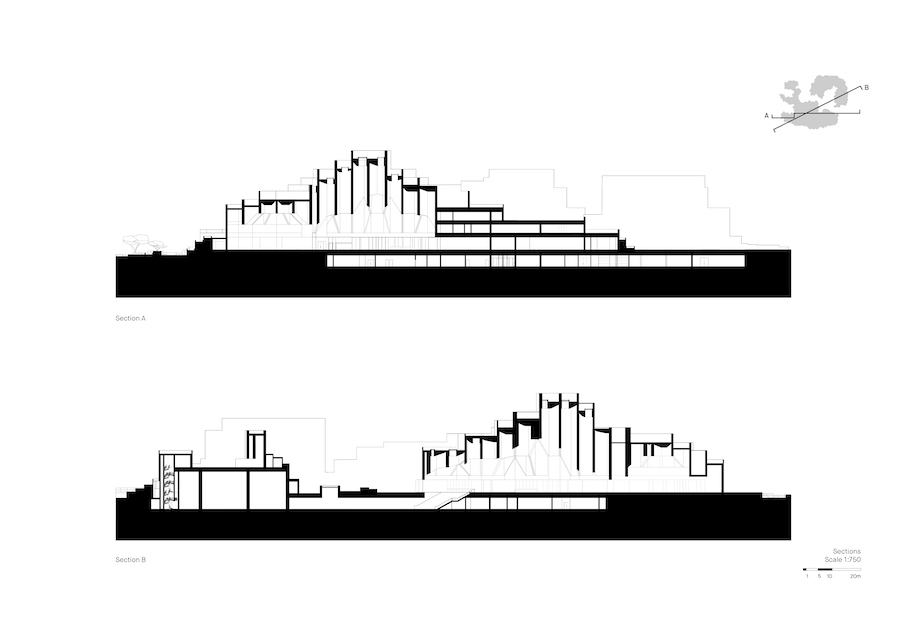
The architects came from Dutch studio Mecanoo, an international practice focused on architecture, urban planning, landscape, interior & restoration. They collaborated with EGIS, Broadway Malyan, Pascal+Watson and WAHO. Nuno Fontarra, Architect/Partner at Mecanoo explains: “Our goal was to explore the relationship between the museum and the city, between architecture and landscape, integrating the experience of the museum with the experience of living in the city.” This ambition defines the Natural History Museum Abu Dhabi as more than a building containing knowledge; it becomes an extension of the public realm, where the boundaries between the museum, the landscape and urban life are dissolved.
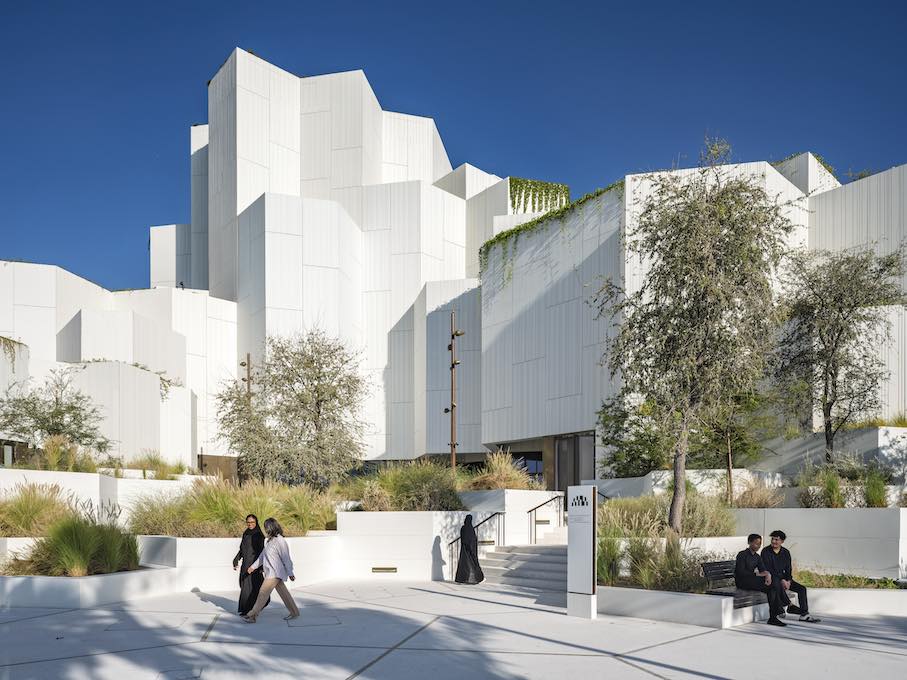
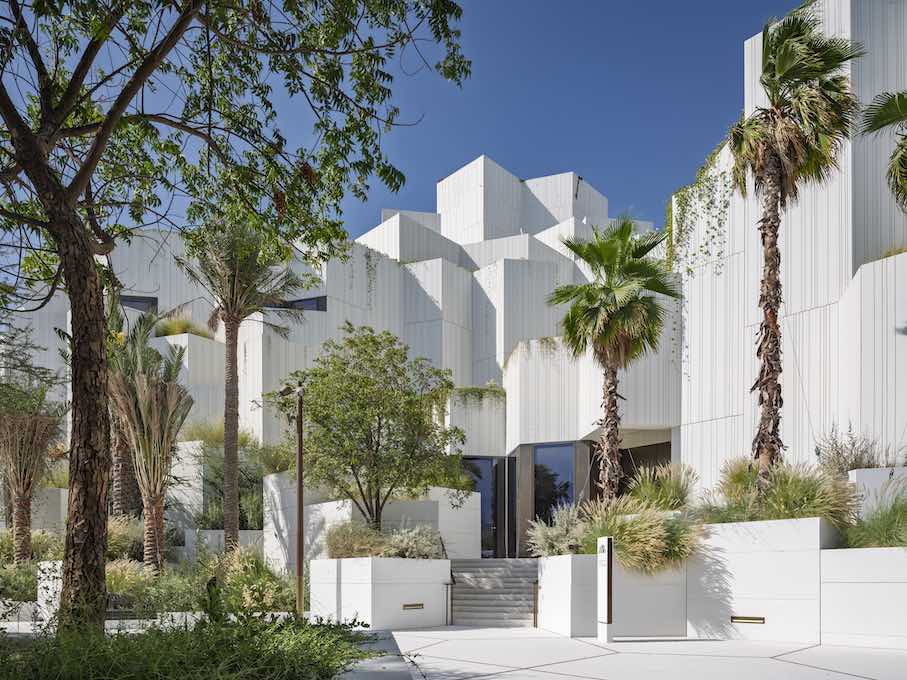
Thick building masses, carefully controlled openings and shaded outdoor spaces inform a passive design strategy that responds to Abu Dhabi’s climate. The building’s substantial mass provides thermal insulation, contributing to a comfortable interior environment with reduced energy demand.
The primary structure combines concrete and steel, while the façades are predominantly constructed from ultra-high-performance concrete (UHPC) manufactured locally.
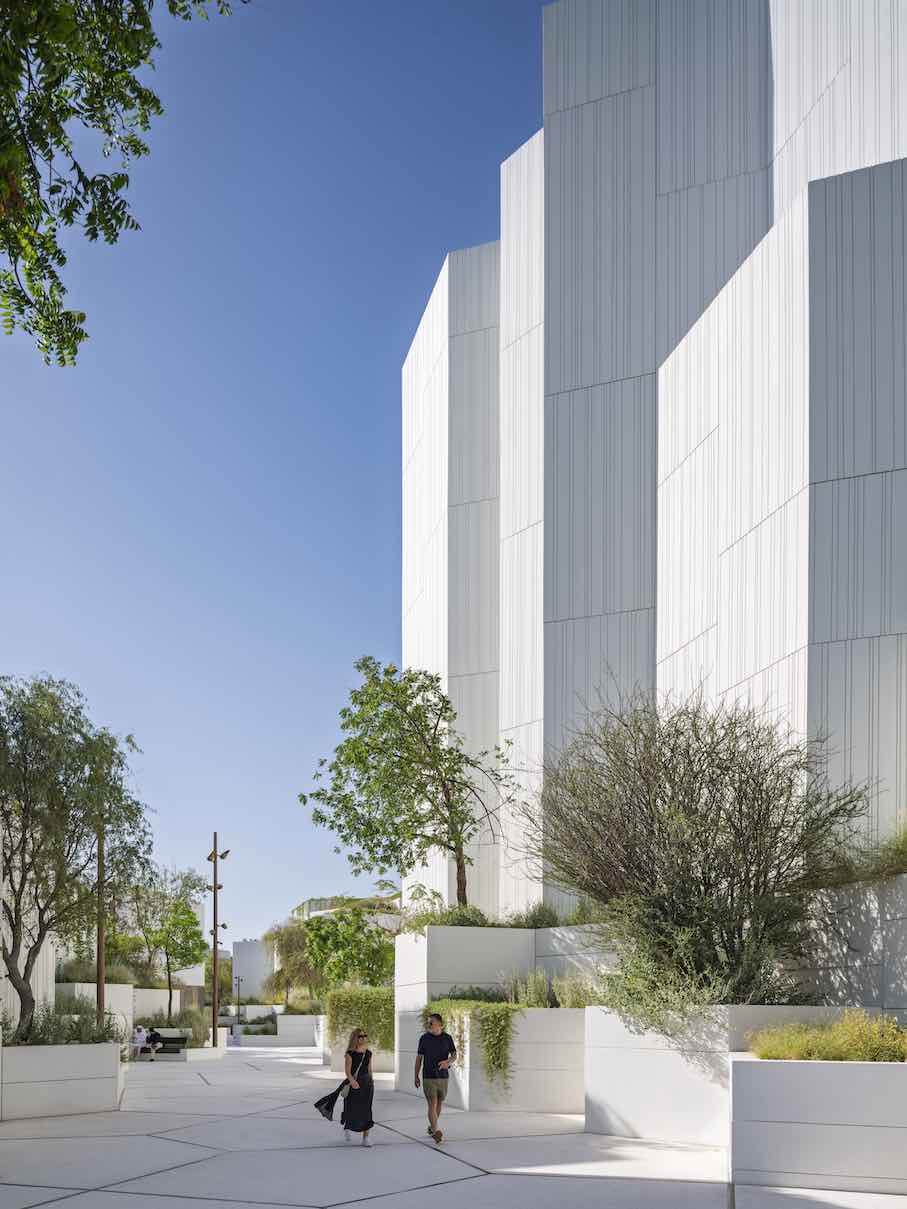
Biology also plays an important environmental role. Interior planters and surrounding greenery create additional thermal buffers that help mitigate solar heat gain, while sustainable irrigation systems minimize water consumption and support a resilient planting strategy adapted to the local climate.
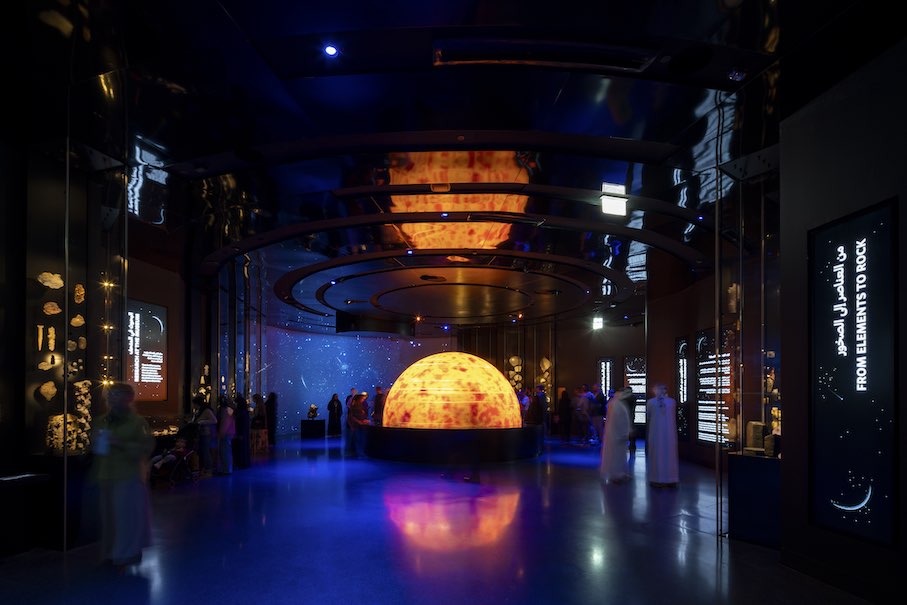
The exhibition unfolds as a journey through the history of the natural world, telling the story of our planet from the origins of the universe and the Big Bang to the challenges facing humanity today and in the future, including the growing climate change crisis. Rather than presenting knowledge as a collection of isolated displays, the museum creates a continuous narrative that allows visitors to understand the evolution of life, the forces that shaped the Earth and the delicate balance of ecosystems.
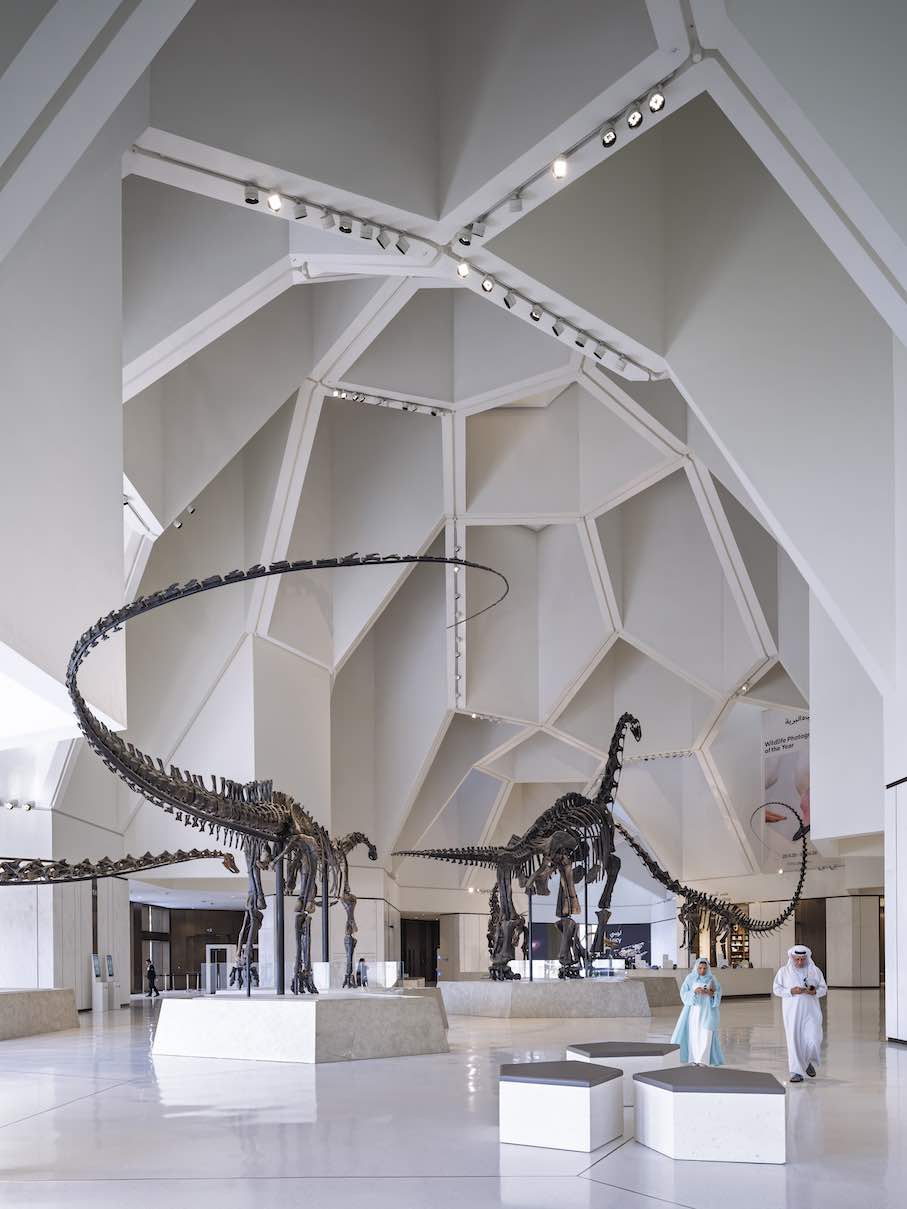
Organized around a central courtyard, the exhibition sequence offers visitors both a guided chronological journey and the option to create their own paths of discovery. The spatial organization accommodates different modes of exploration, where visitors can follow the natural history storyline from beginning to end or move between galleries according to their own interests and curiosity.
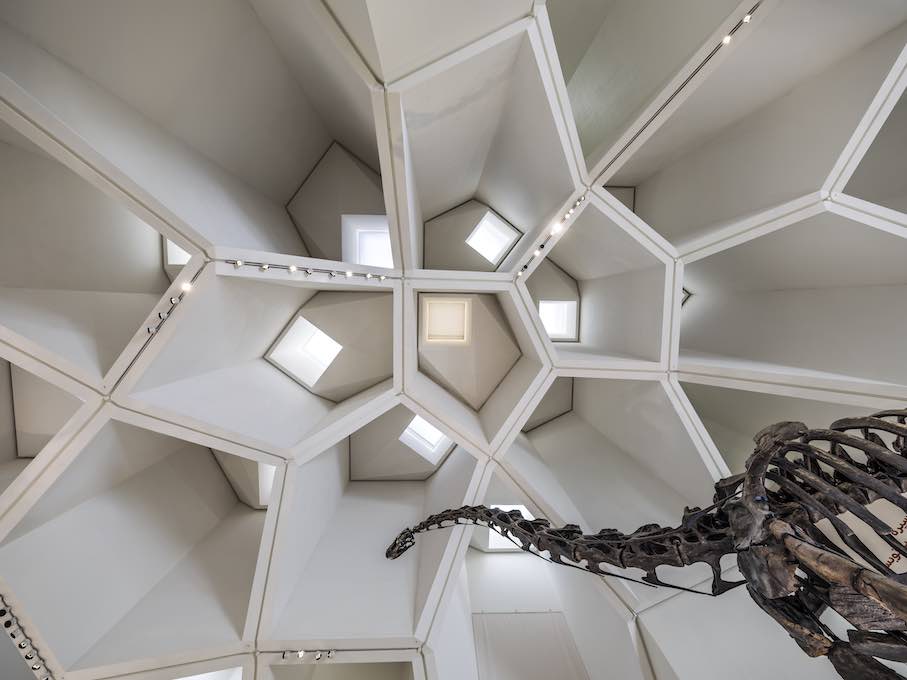
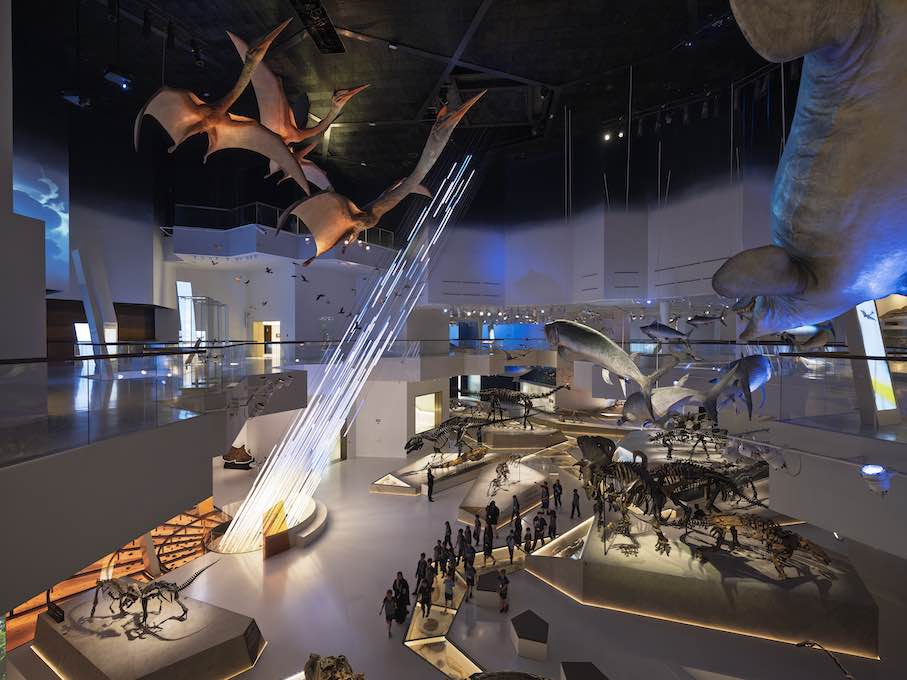
The largest gallery establishes this experience through a powerful moment of arrival and surprise, echoing the monumental character of the entrance lobby. This vast gallery creates a dramatic encounter with some of the rarest dinosaur specimens ever discovered, creating an immediate connection between visitors and the deep history of life on Earth.
Source: Mecanoo
Natural History Museum Abu Dhabi
Photos: Ossip Architectuurfotografie and DEED Studio