Stone-Ideas.com


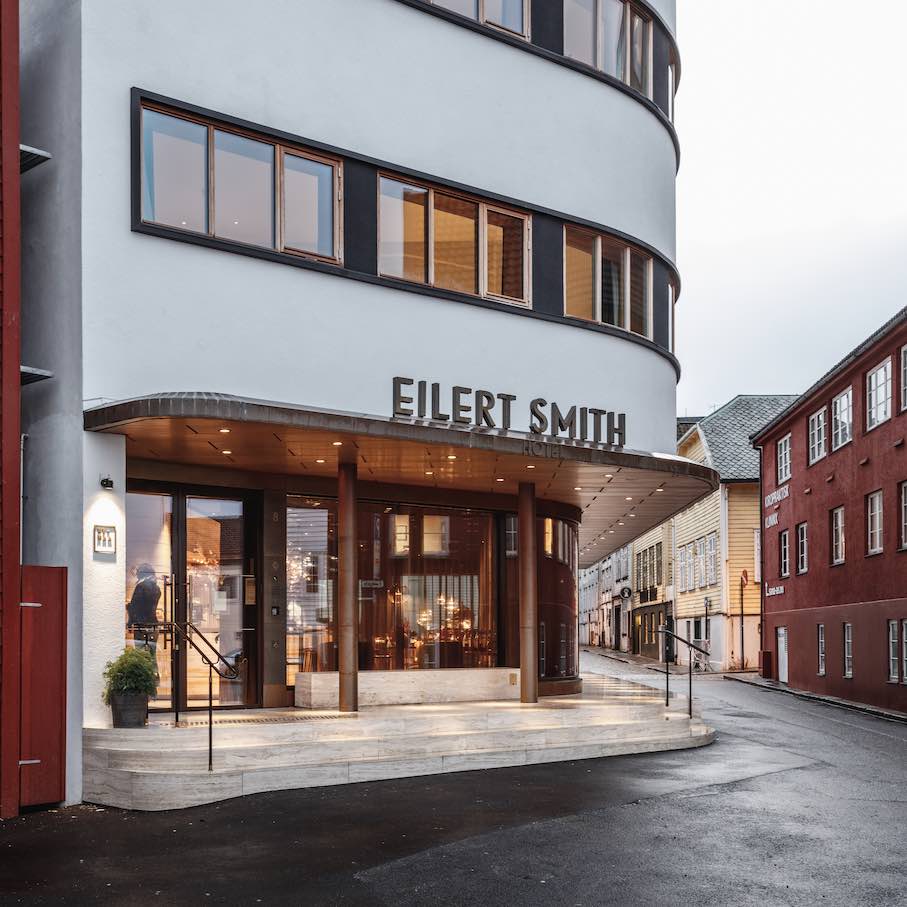
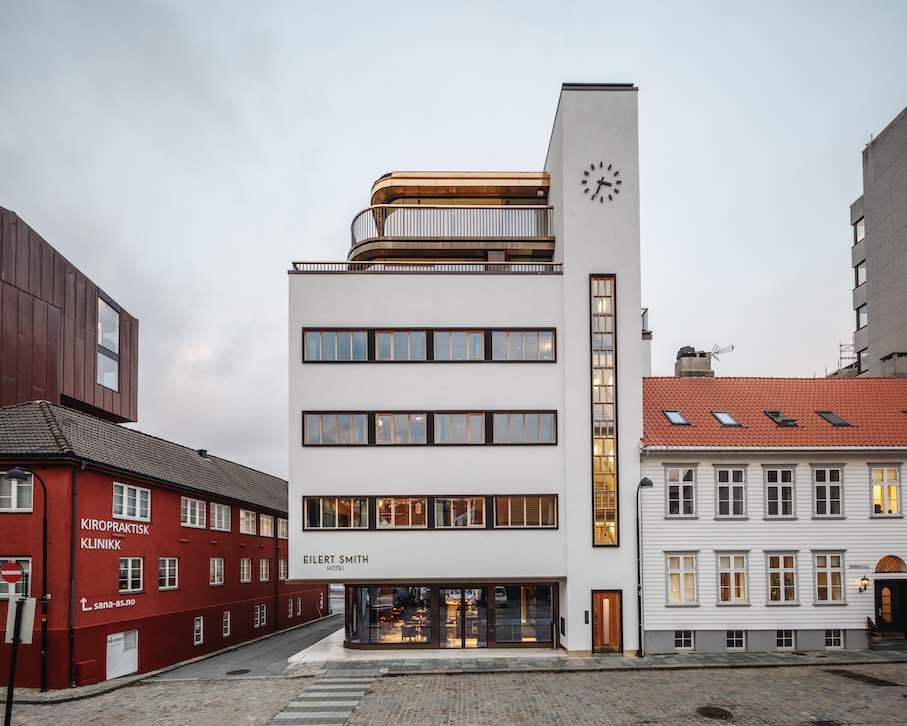
In the heart of Stavanger on Norway’s south-western coast, the Eilert Smith Hotel stands as a remarkable example of how the restoration of a historic building can be transformed into a refined hospitality experience. Converted from a 1937 functionalist building designed by architect Eilert Smith, once used as headquarters of an agricultural cooperative, the new boutique hotel is home to just twelve guest rooms and one of Europe‘s most celebrated restaurants, RE-NAA, awarded three Michelin stars.
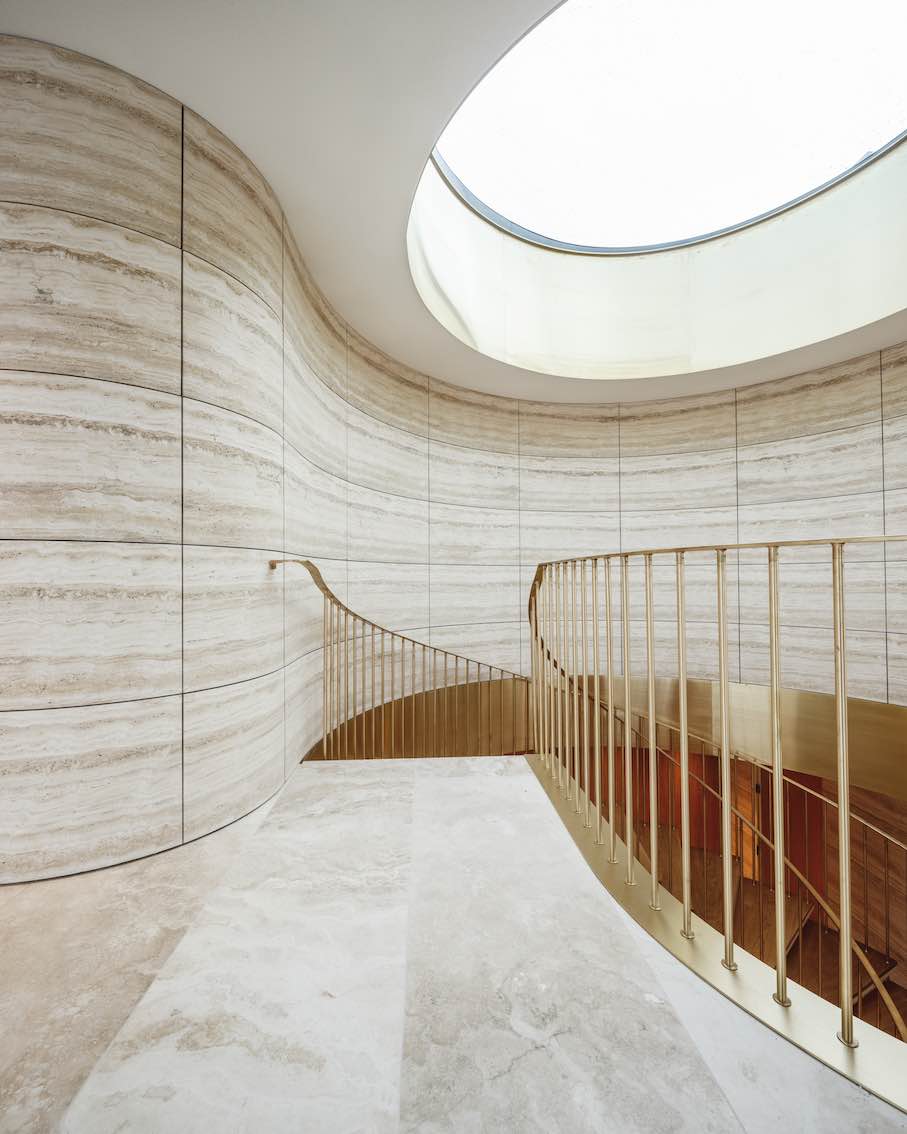
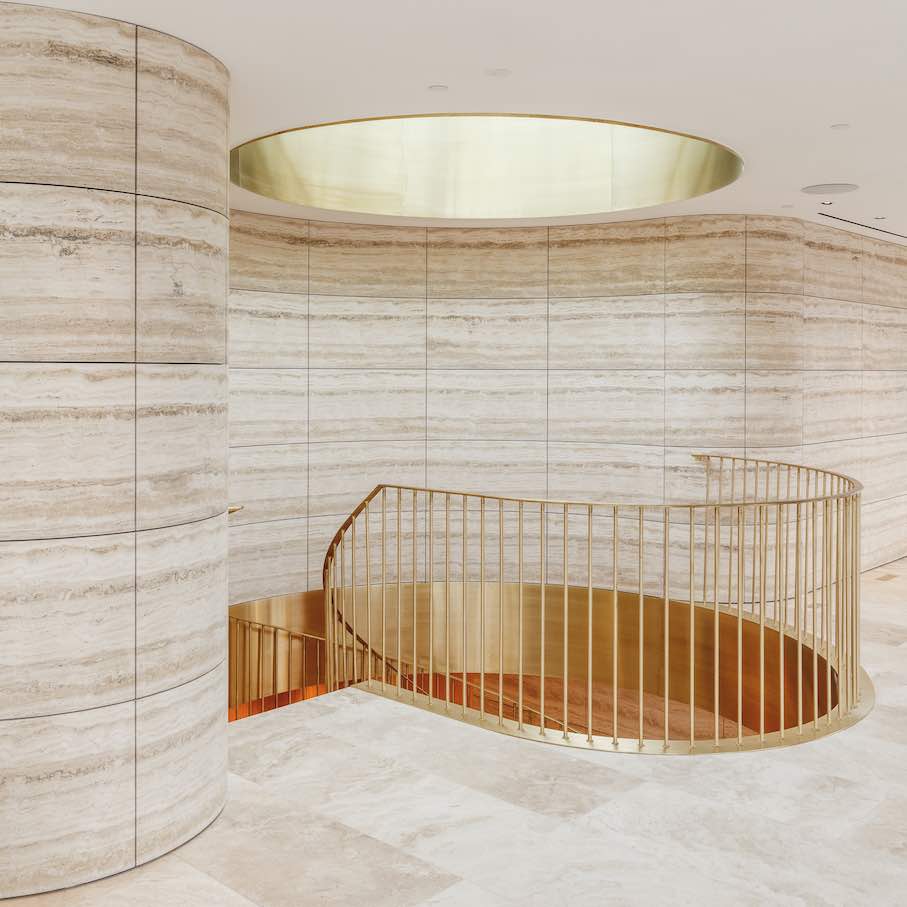
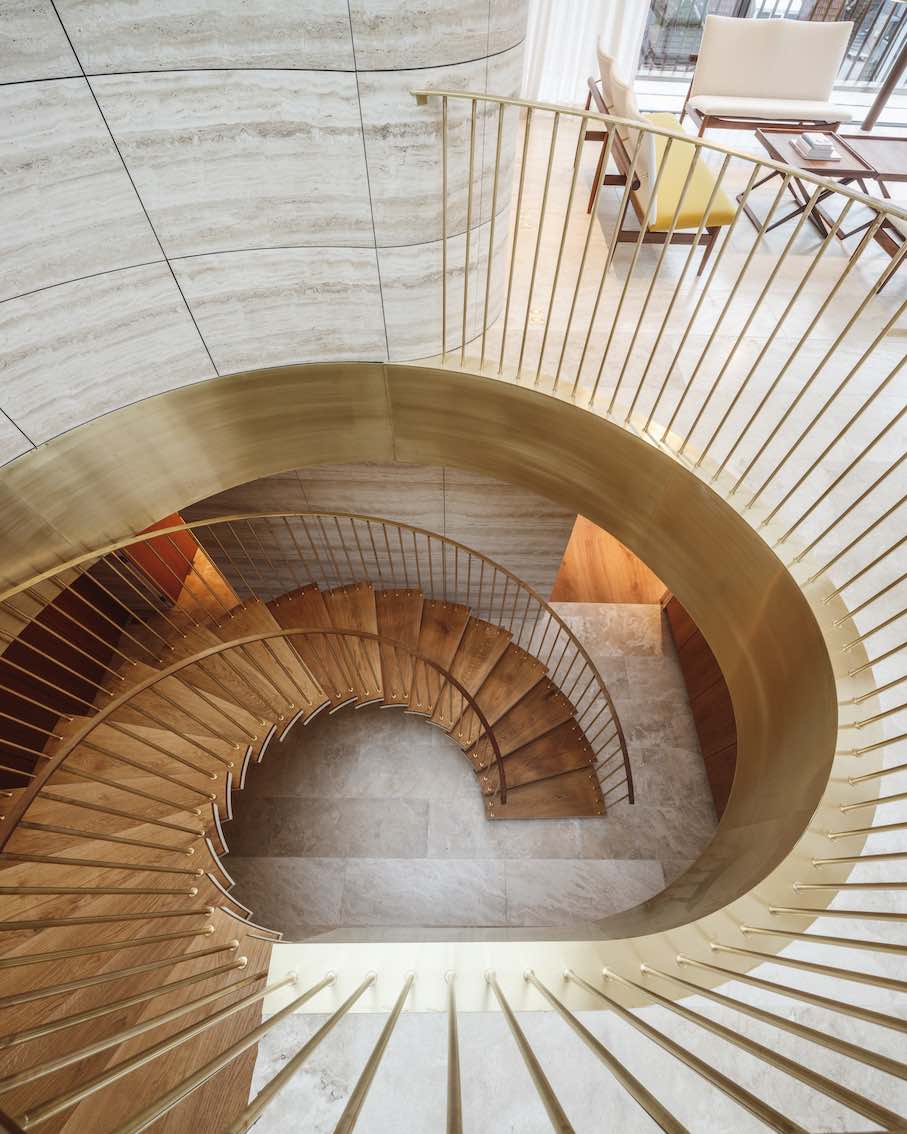
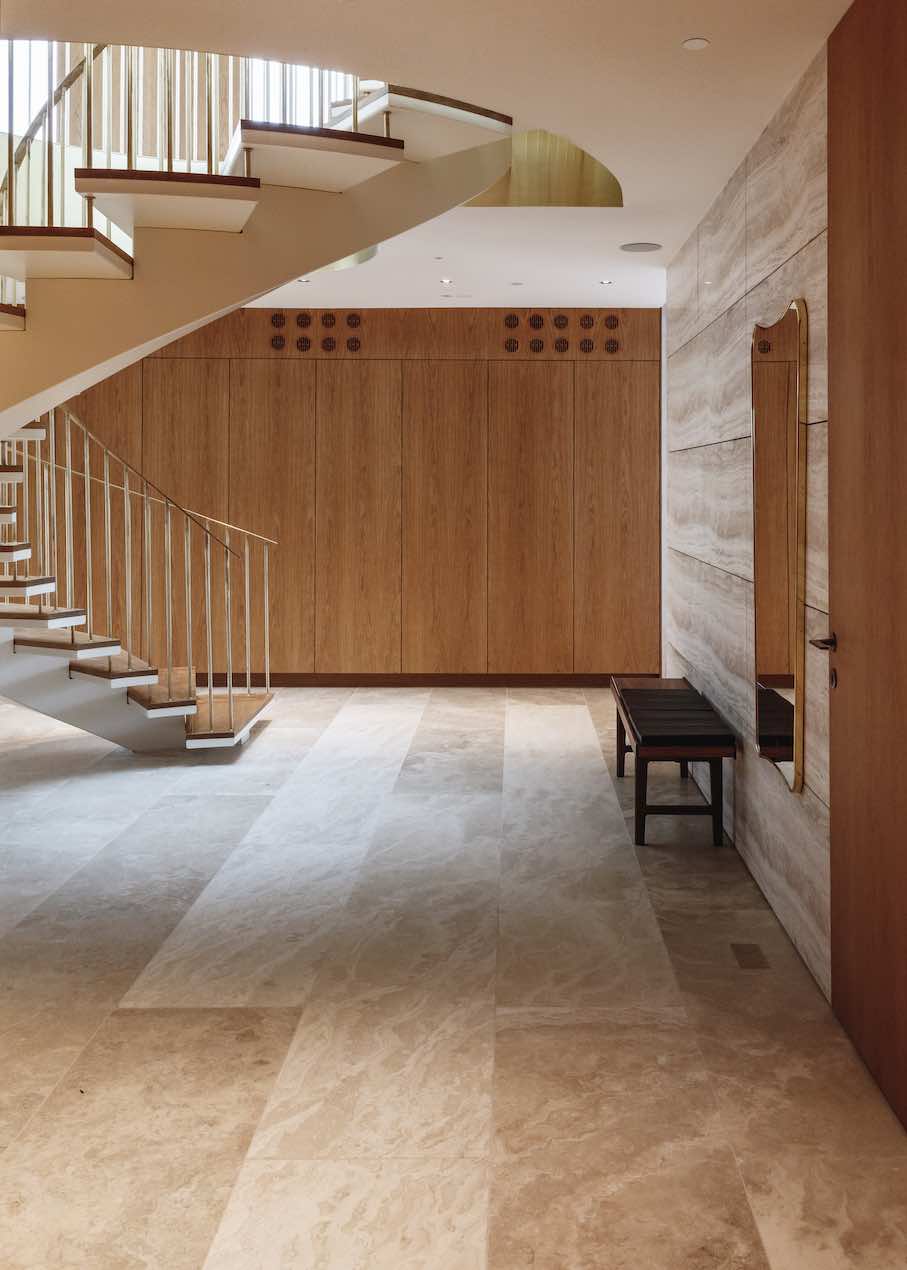
The transformation was realized by Trodahl Arkitekter who added two new stories while preserving the integrity and character of the original architecture. One aspect was to choose brass, timber, and stone to exist in perfect harmony, creating interiors of remarkable material richness.
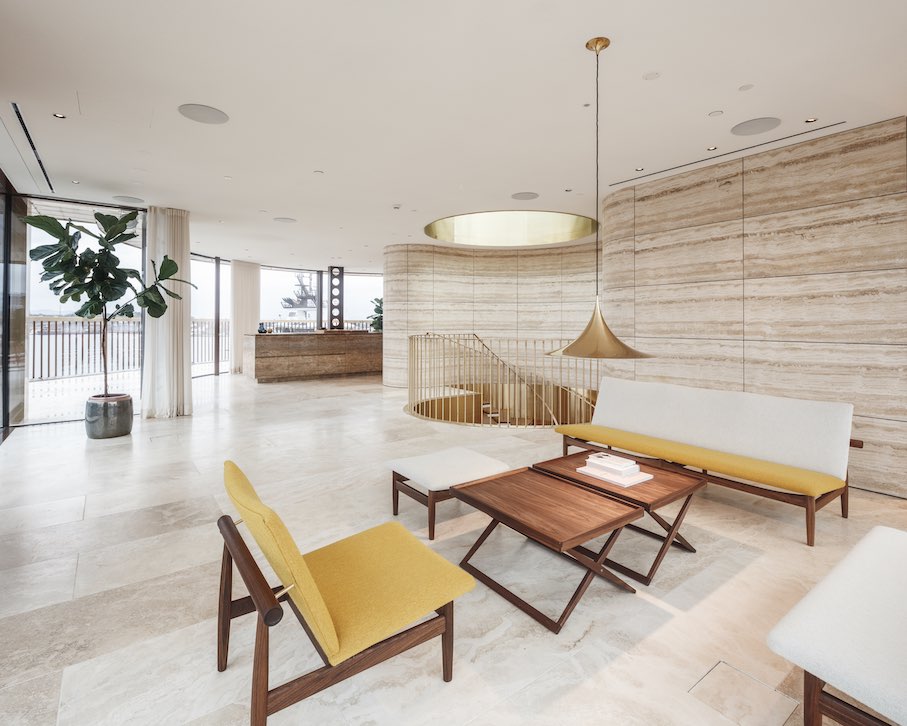
Natural stone provides the project’s unifying thread, beginning outdoors and extending through every space of the hotel, culminating in the exclusive penthouse. Italian Vaselli company was entrusted with the stone works.
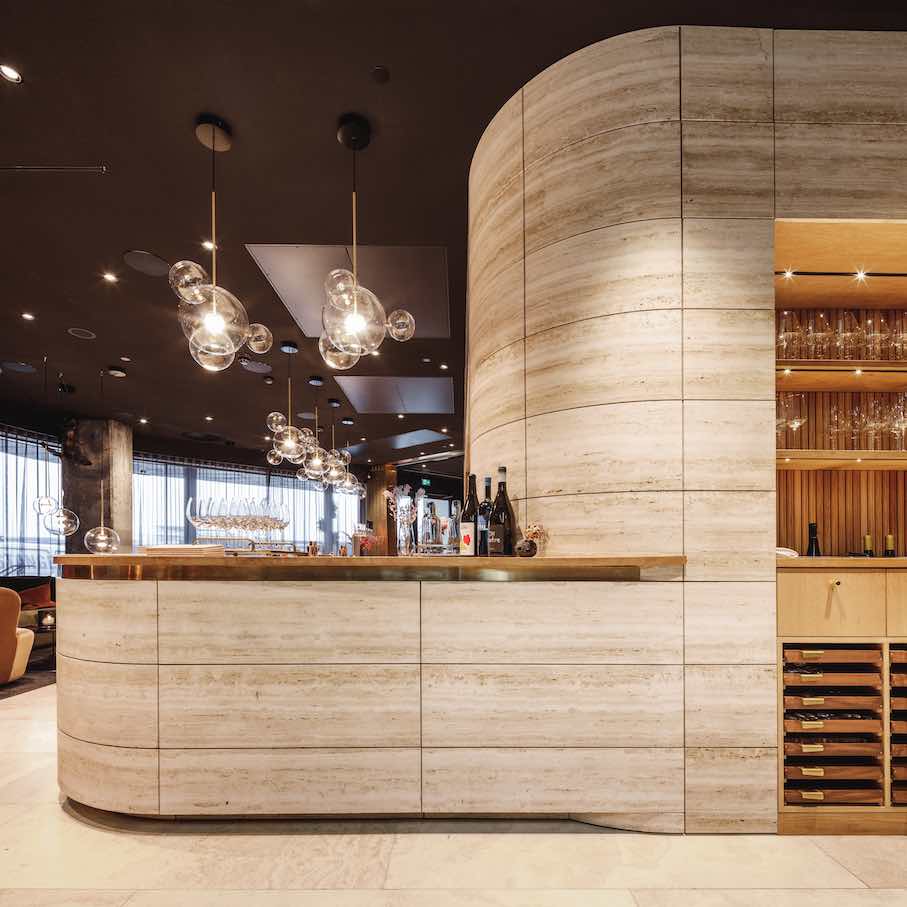
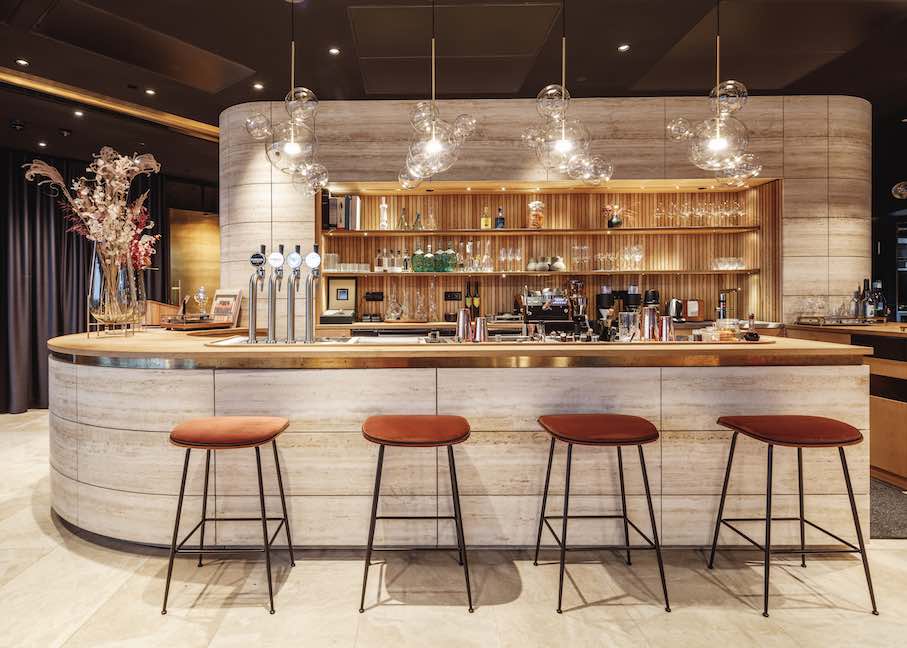
Among the project‘s most striking features is the sweeping curved wall at the bar crafted from solid Bianco Rapolano Travertine, meticulously vein-matched to create a seamless, continuous flow across the entire surface.
The same design approach is reflected in the travertine-clad counter of RE-NAA.
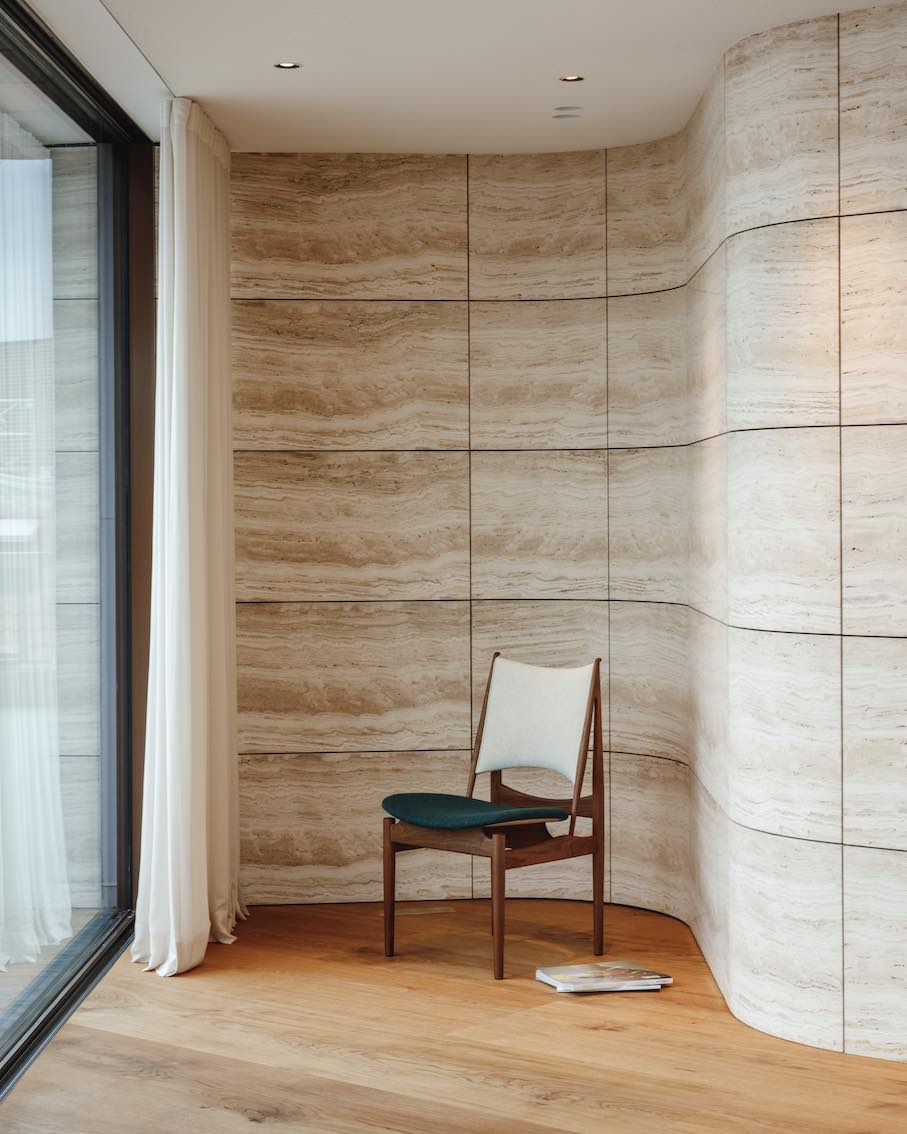
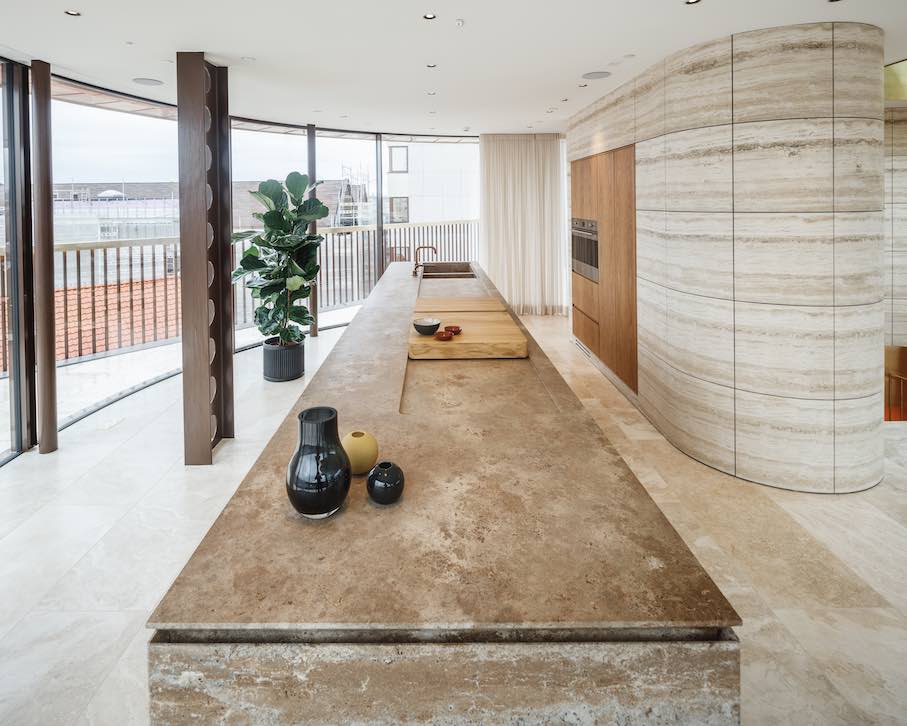
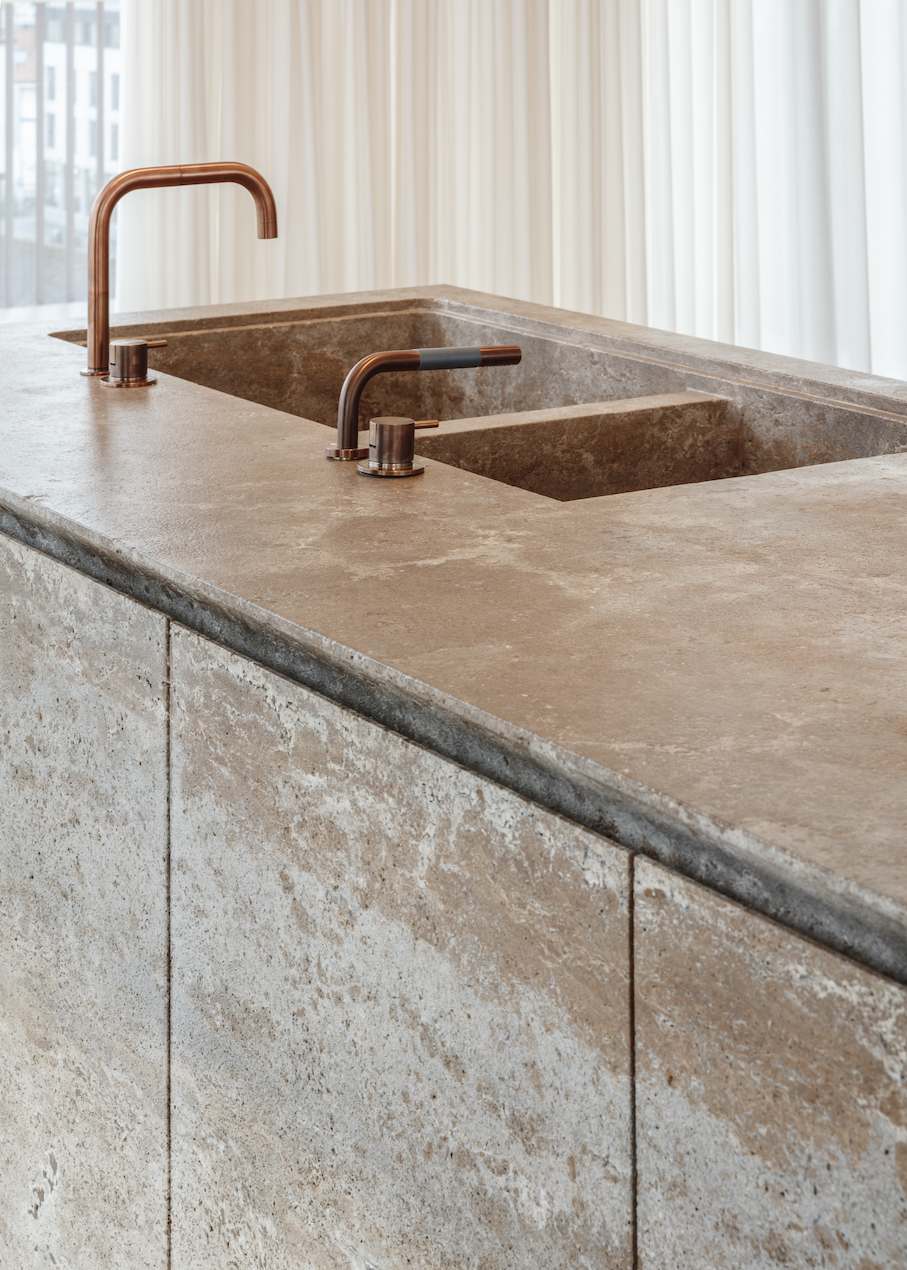
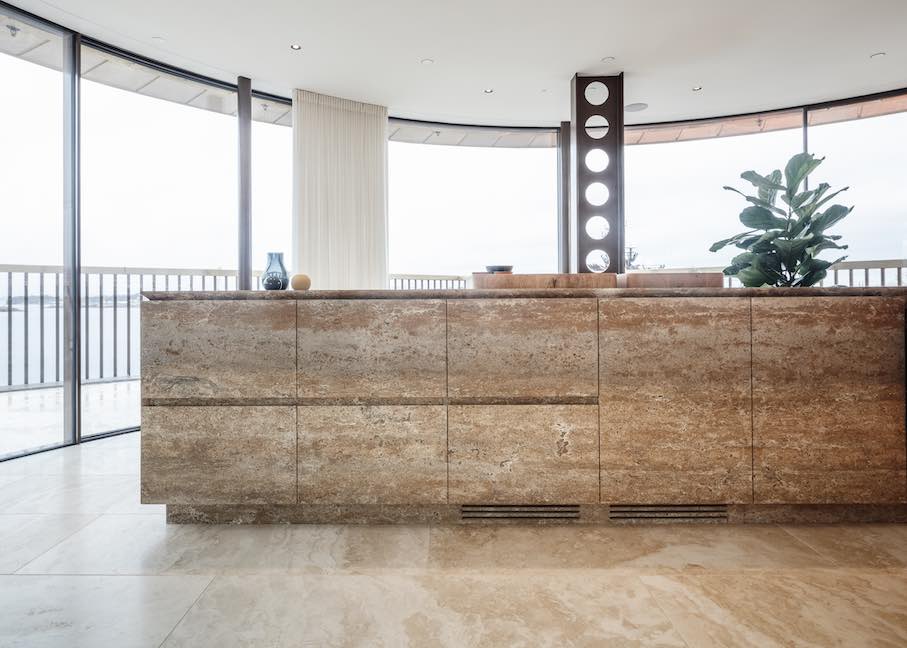
In the penthouse, the living area is centered around a spectacular five-meter-long OCO kitchen island crafted in Noce Travertine. The bathroom features bespoke furnishings from the Le Cave collection, complemented by a distinctive triangular bathtub.
Outside, travertine is used for the entrance steps and integrated seating, creating a seamless connection between architecture and the surrounding urban context.
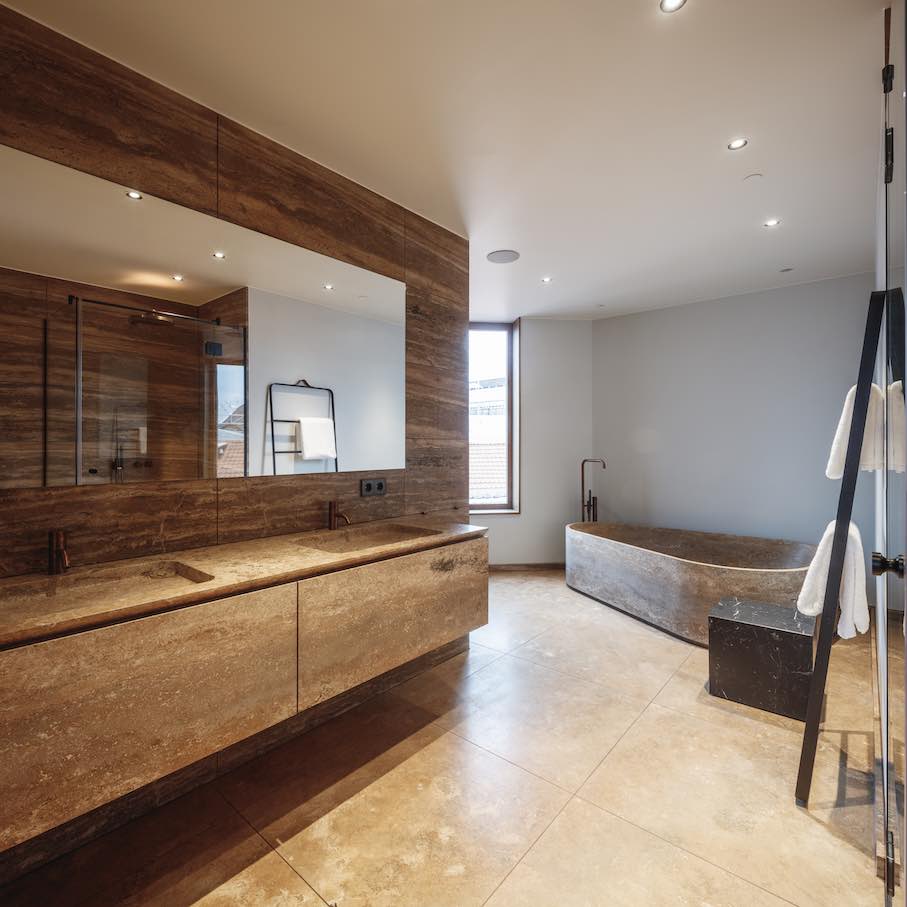
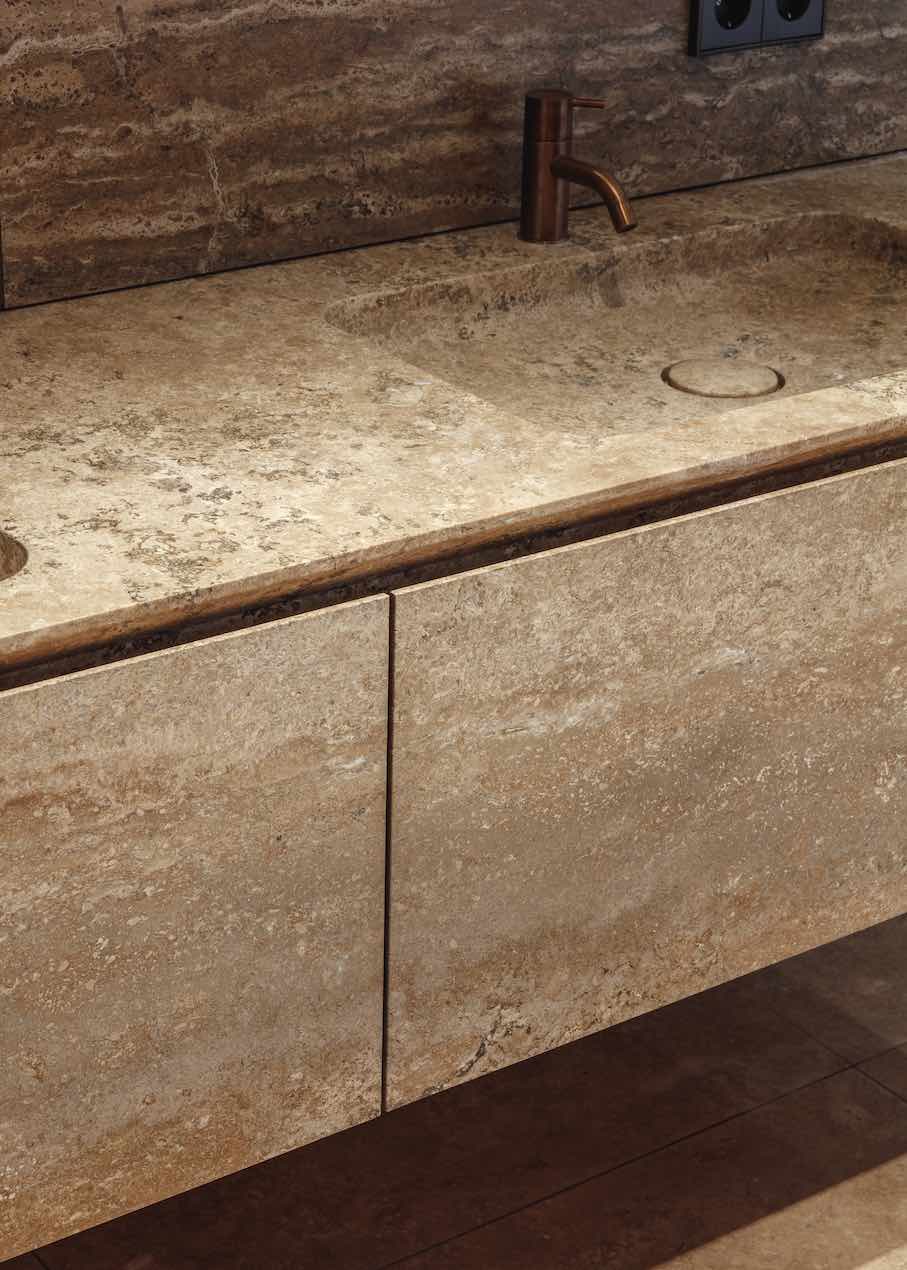
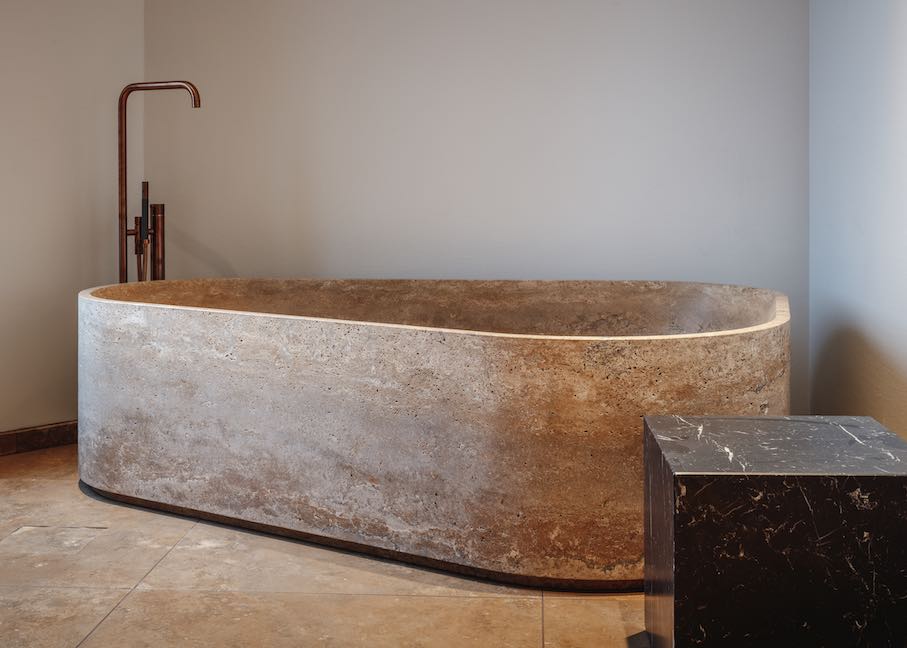
Vaselli writes in its press release: “From the restoration of the historic building to the spaces dedicated to fine dining and the exclusive penthouse interiors, the project showcases our ability to interpret natural stone as a living material, capable of adapting to technically demanding applications and fully bespoke solutions. This expertise is rooted in the company‘s deep understanding of stone, where craftsmanship, technical innovation and design culture come together to transform every element into an integral part of the architectural vision.”
The RE-NAA restaurant’s three Michelin stars mean that its kitchen is worth a special trip. Its chef is Sven Erik Renaa; it has just 22 seats and is located on the ground floor of the hotel. The kitchen and the dining room are seamlessly connected by the architecture: The kitchen is fully open, while every dish is presented directly by the chefs, turning service into a moment of genuine interaction.
“At its center, the Bianco Rapolano Travertine counter becomes an integral part of the dining experience. Here, stone serves not merely as a decorative material, but as an essential architectural element, creating a continuous dialogue between design, hospitality, and haute cuisine,“ as said in the press release.
Fotos: R Hjortshoj