 Stone-Ideas.com


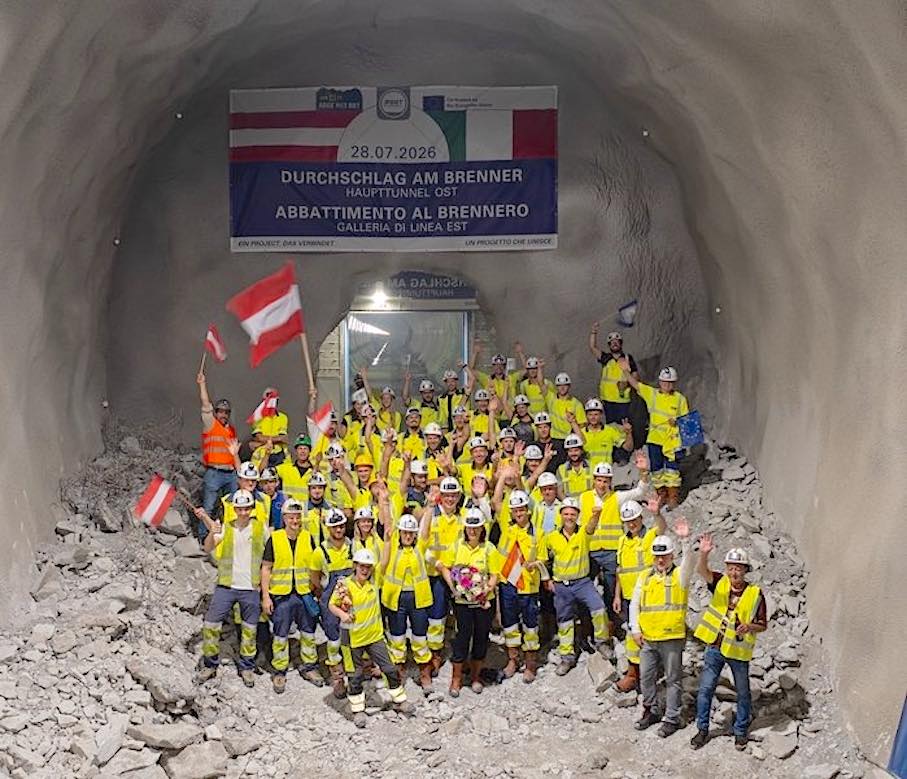
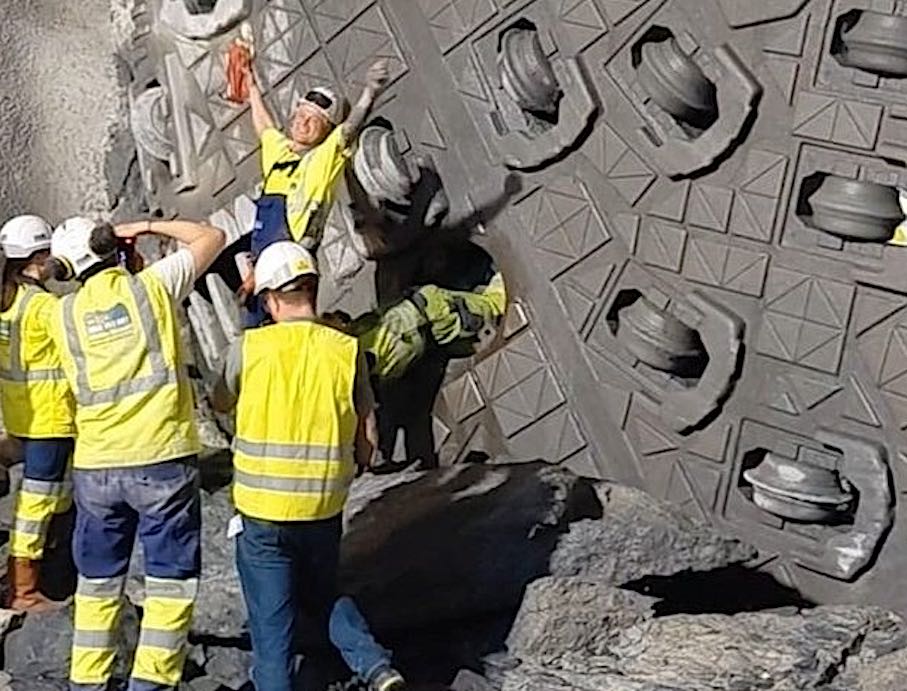
Perhaps, before the new railway tunnel opens, someone will come up with the idea of organizing a marathon run through the heart of the mountain – after all, the Brenner Base Tunnel route spans a similar distance of 55 km. On August 25, a boring machine achieved the final breakthrough on the line between Innsbruck (Austria) and Fortezza (Italy). Loud cheers from the construction crews echoed deep within the rock, and “Wilma” was also celebrated. She was the machine that had bored through the final section of the route after nearly two years of tunneling through the rock.
Tunnel workers love their massive machines, which is why they give them human names. Other machines from the German company Herrenknecht used on this project bore names such as Günther, Virginia, Lilia, and Ida. However, there was no sign anywhere of the dwarves that people in times past believed inhabited the depths of the mountain -creatures they sought to appease through rituals.
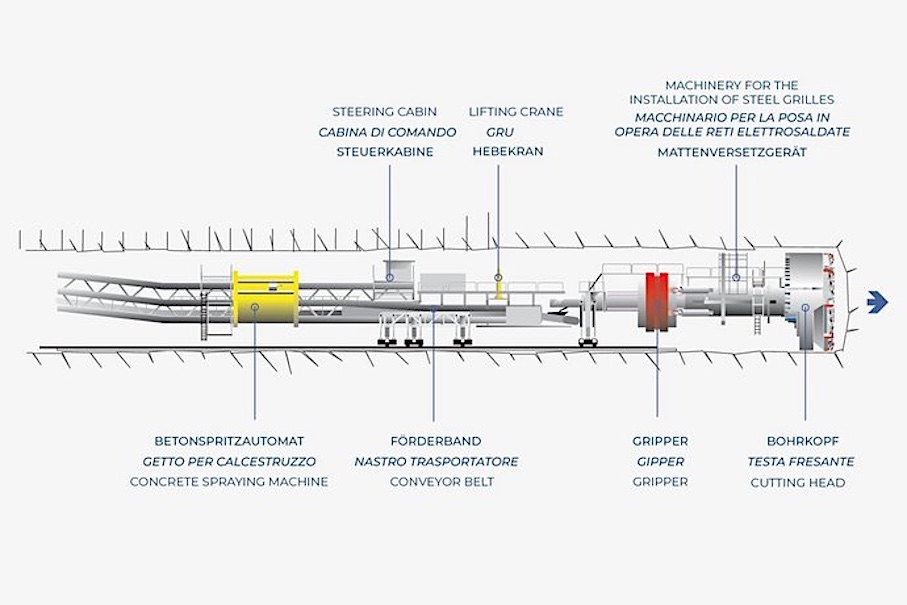
Wilma’s cutterhead had a diameter of 10.37 meters; its cutters pulverized the rock. The subsequent sections of the machine – a “mechanical worm” totaling 180 meters in length – transported the excavated rock debris to the rear while simultaneously moving the tunnel segments (tubbing) forward. These are the concrete elements automatically assembled to form the new tunnel lining.
Safety is paramount in projects of this kind; the surrounding rock mass is dynamic and can frequently spring dangerous surprises.
These hazards can range from sudden, violent water inflows to deformations in the mountain caused by human activity: Construction crews working in the Periadriatic Fault Zone beneath the village of Mauls were prepared for potential difficulties. However, what they encountered at kilometer 6151 was a geologically minor fault – only five meters thick. Yet, because it ran parallel to the tunnel axis, it exerted such immense inward pressure that the tunnel segments deformed by up to 60 centimeters. “This resulted in a standstill of the tunnel boring machine lasting just under four months,” the project website notes laconically.
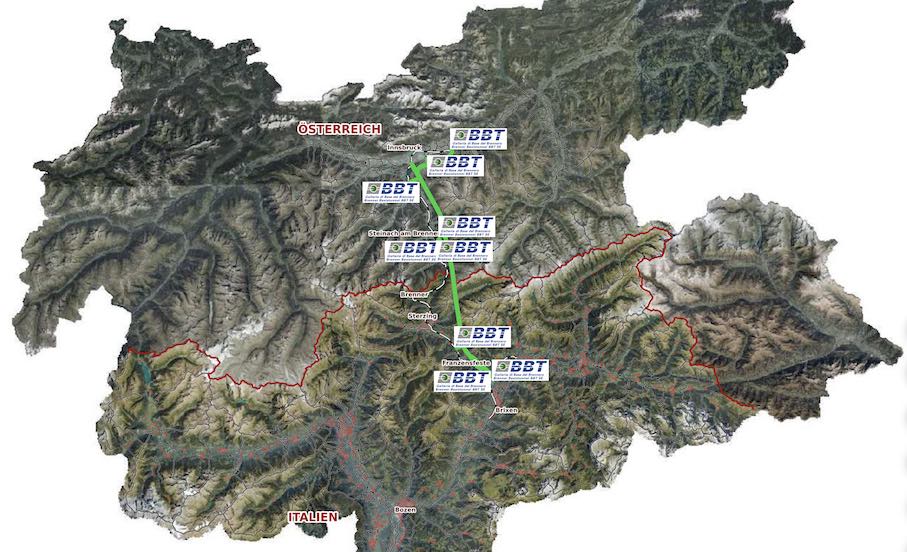
The Alps formed millions of years ago when the European and African tectonic plates collided. Over similarly vast periods of time, the mountain range was uplifted, giving rise to the rock types found there today. Essentially, these consist of zones – running from north to south – comprising quartz phyllite, schist, gneiss, and granite.
Depending on the quality of the excavated material, it is used to produce concrete for the tunnel lining.
These zones should not be envisioned as homogeneous areas: in some places, the rock exhibits high porosity and unstable rock pressure; in others, water-bearing systems are common; and in some sections, geotechnical properties are poor, leading to an increased risk of rockfalls.
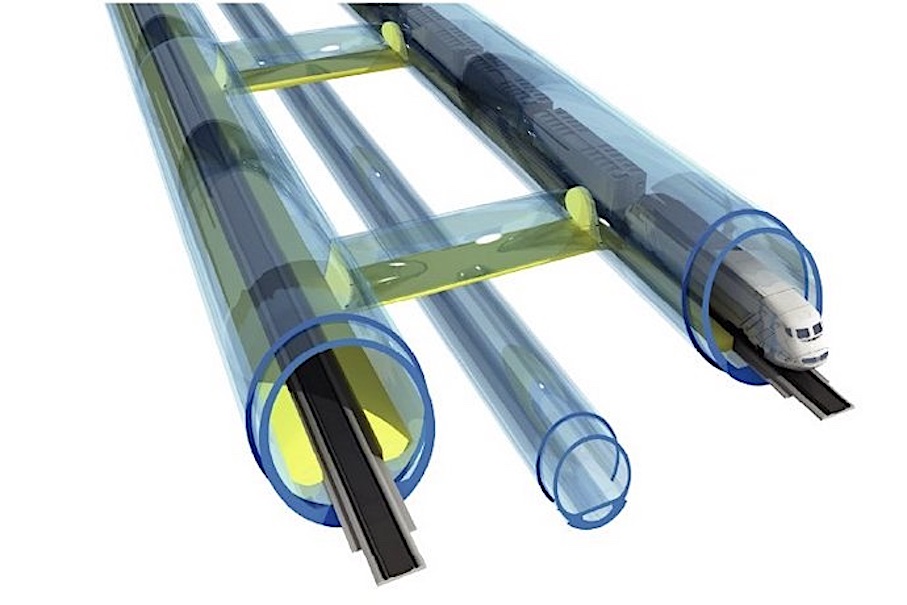
For this reason, a lower-lying exploratory tunnel was driven between the two main train tunnels (spaced 40–70 m apart). Prior to tunnel construction, it allows geologists to take a deep look into the mountain’s interior. Once the main tunnels are completed, it serves to drain groundwater and houses numerous technical systems.
Each of the main tunnels contains a single track. Connecting passages between them are installed every 333 m to serve as escape routes. There are three designated emergency stop locations. At one point, trains can switch from one track to the other.
The route is not entirely level; the main sections have a maximum gradient of 6.7‰. Its highest point is 790 m above sea level. From there, there is still a 580-meter rise in elevation up to the Brenner Pass (at 1,370 m above sea level).
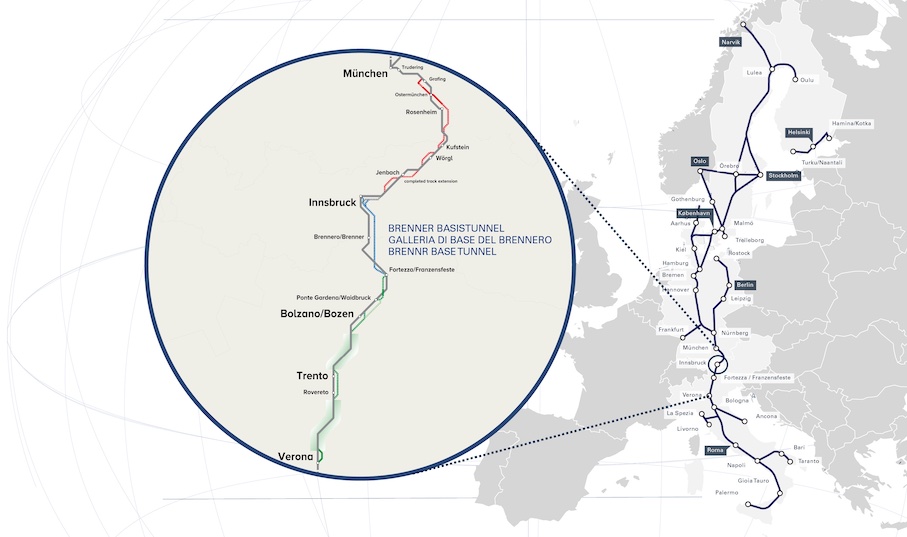
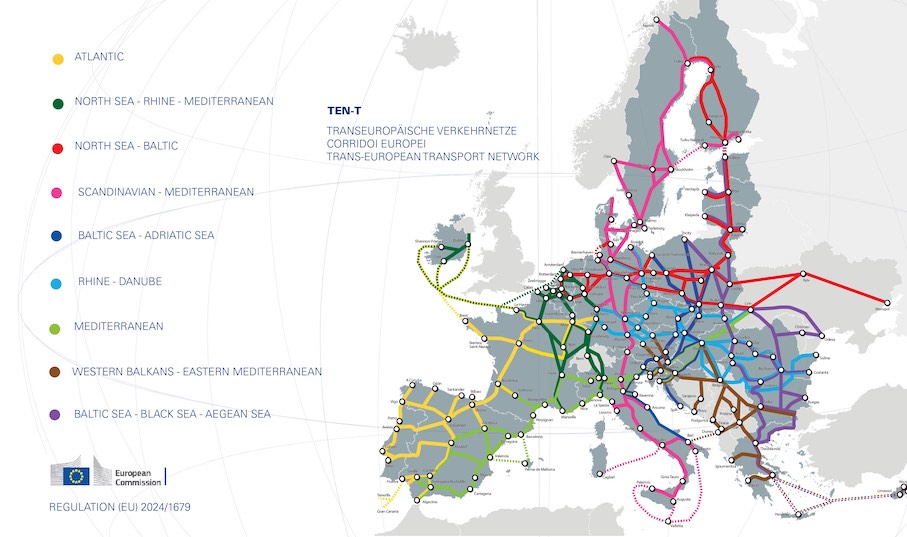
The new railway line is a key component of the Trans-European railway networks heavily supported by the EU. It brings Norway – at one end of these routes – closer to southern Italy at the other. Travel time between Innsbruck and Franzensfeste will be reduced by approximately one hour. There are significant environmental benefits resulting from the shift away from road-based traffic and transport. Together with the feeder lines to the tunnel, this creates a 435-kilometer-long high-performance network connecting the economic hubs of Munich and Verona.
