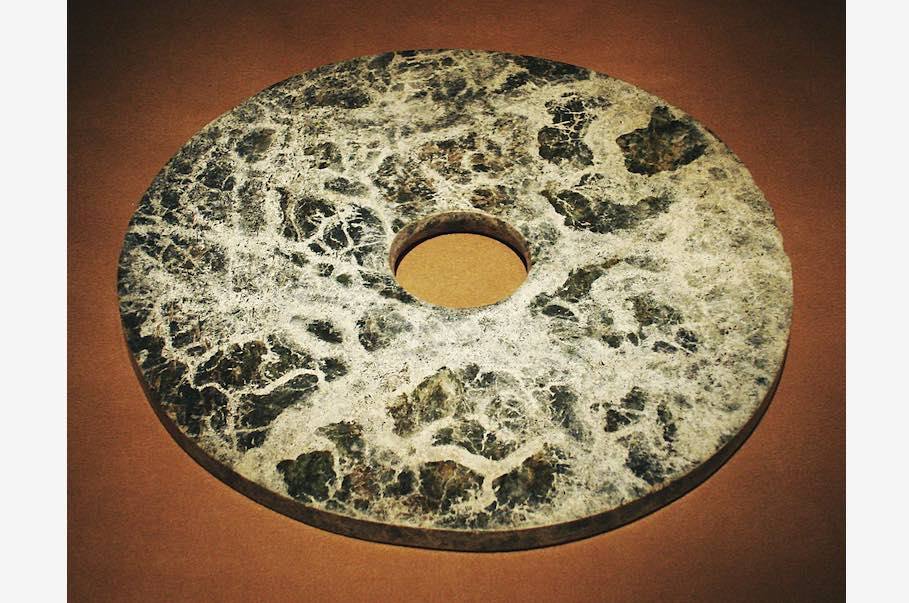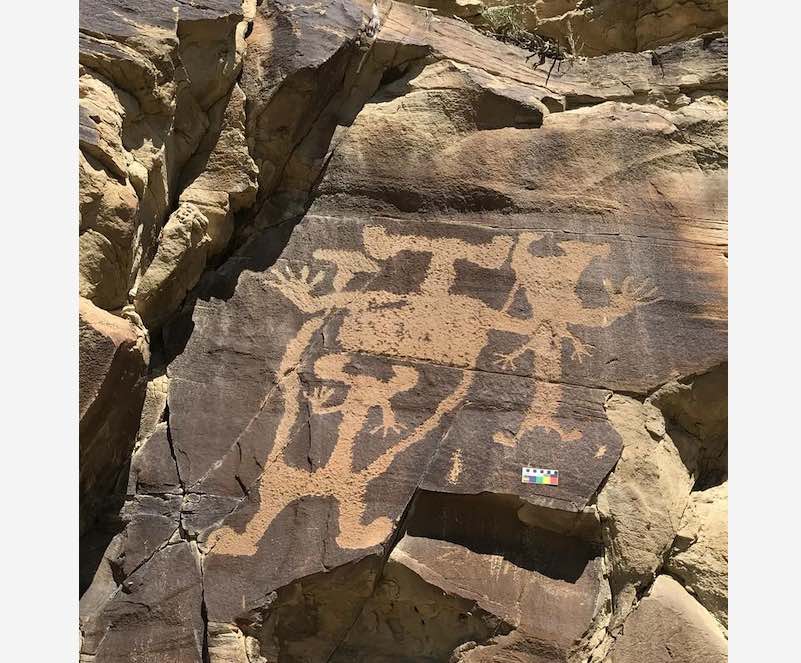
Rock art (petroglyphs) in the Great Basin in the western USA have been carved into the stone for 12,000 years and continuously renewed
Max-Planck researchers from Germany have dated the artworks with a non-destructive analysis of the “rock varnish“
 Stone-Ideas.com


Max-Planck researchers from Germany have dated the artworks with a non-destructive analysis of the “rock varnish“

Scientists used high-resolution satellite images to bettern understand the monuments built from the 3rd to the 6th century AD
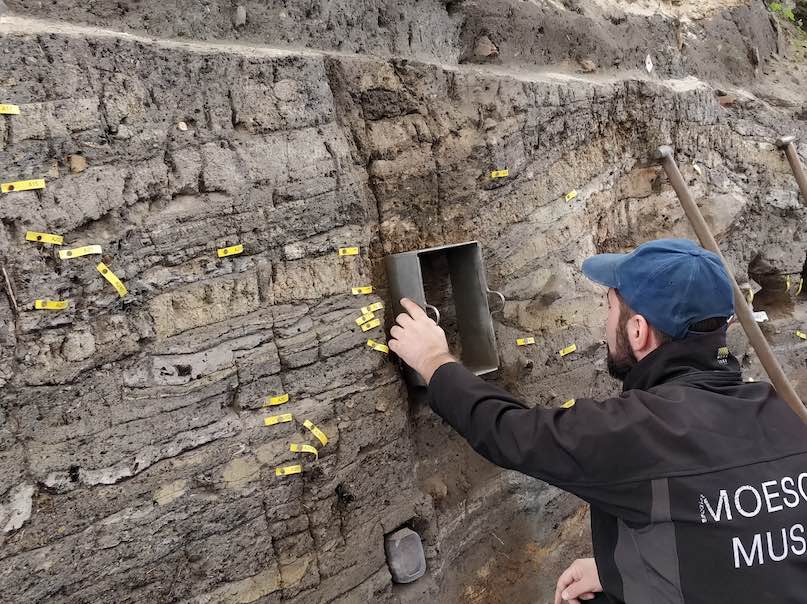
Researchers have re-dated Viking-age commerce connections with regions in North Atlantic Norway, Frankish Western Europe and even the Middle East

In the stone world between Chile and Argentina there is a special memorial place
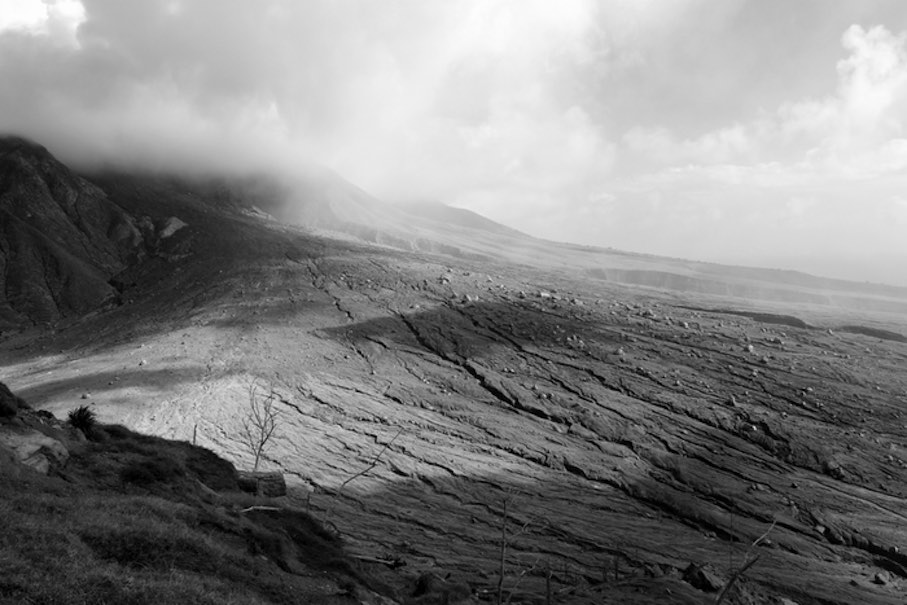
The emission of carbon dioxide (CO2) is a key process, next to ocean fertilization by phosphorus from volcanic ashes
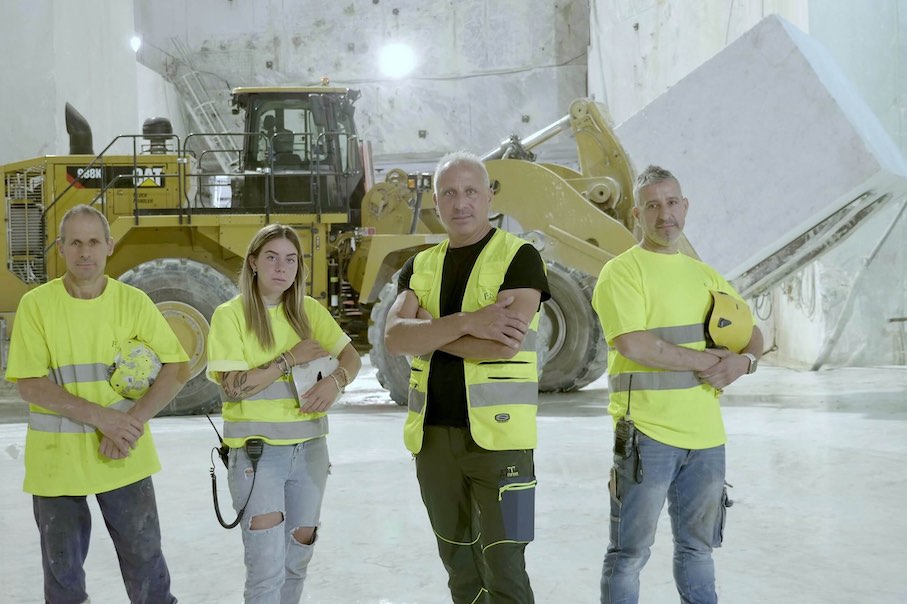
The six films of 60 minutes each show the challenges of quarrying the marble in the mountains near Carrara

The objects are profanely suitable for example as paperweights

The artwork in 3 parts, which had been the floor of a large dining or entertaining area in a villa, features Achilles in his battle with Hector at the conclusion of the Trojan War
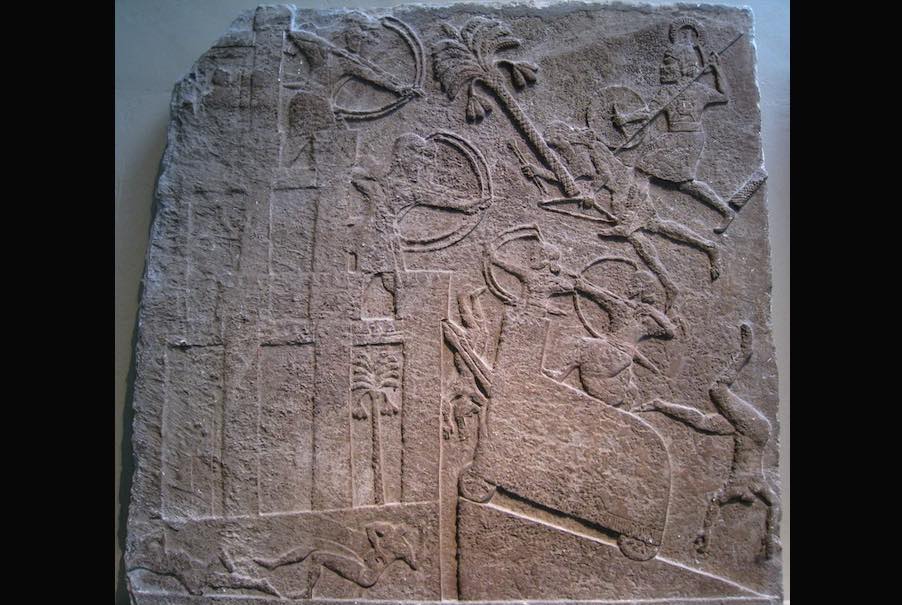
Probably, each little block of about 6.5 kg was conveyed from man-to-man by prisoners of war or forced labor

They were placed in the years from about 800 a.d. until the conquest by the Spanish in the 1500s
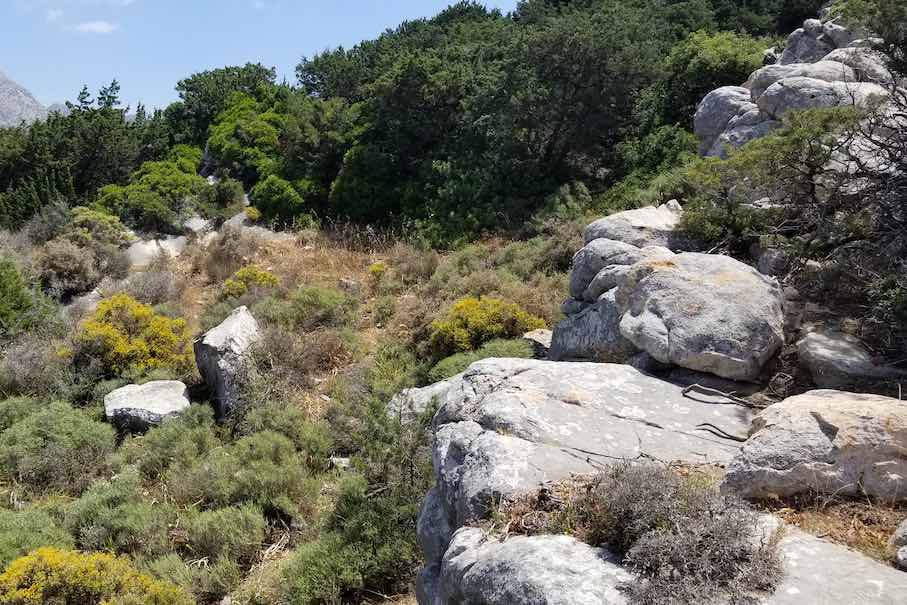
Geoarchaeologist Scott Pike of Willamette University found tucked-away sites where the stone for an Apollo statue on Delos came from

Scientists from East Carolina University, among others, analyzed a 1.5-meter-thick layer of carbon and ash in the Jordan Valley